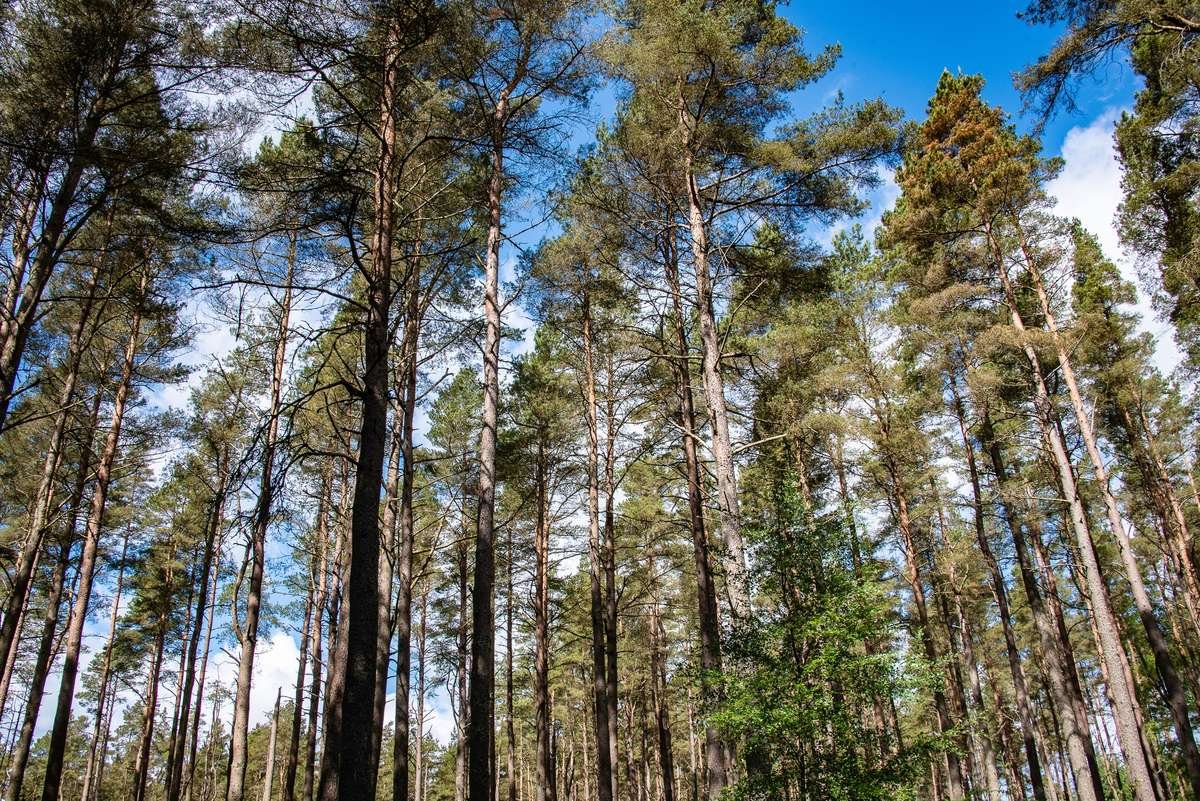
Pine trees are some of the most recognizable and enduring evergreens in the world. Whether you grew up walking through dense pine forests or simply love the crisp look of conifers during a snowy winter, these iconic trees bring a timeless charm to any landscape.
Beyond their classic beauty, pine trees offer practical, ecological, and environmental advantages that many homeowners overlook. Adding pines to your yard is an investment in your local ecosystem, your soil health, and your daily outdoor enjoyment.
Why Pine Trees Deserve a Spot in Your Landscape
When planning a landscape, many people default to deciduous shade trees or flowering shrubs.
While those choices have their place, evergreen conifers like pines deliver distinct advantages that last through all twelve months of the year.
Pines do not drop all their leaves in autumn, which means your landscape retains its color, structure, and presence even during the bleakest winter days.
They also adapt remarkably well to challenging growing conditions where other ornamental trees might struggle to survive.
Shelter and Nesting for Backyard Wildlife
One of the most immediate benefits of planting pine trees is the refuge they provide to neighborhood wildlife.
The dense, needled branches create a secure barrier against predators, heavy winds, and driving rain.
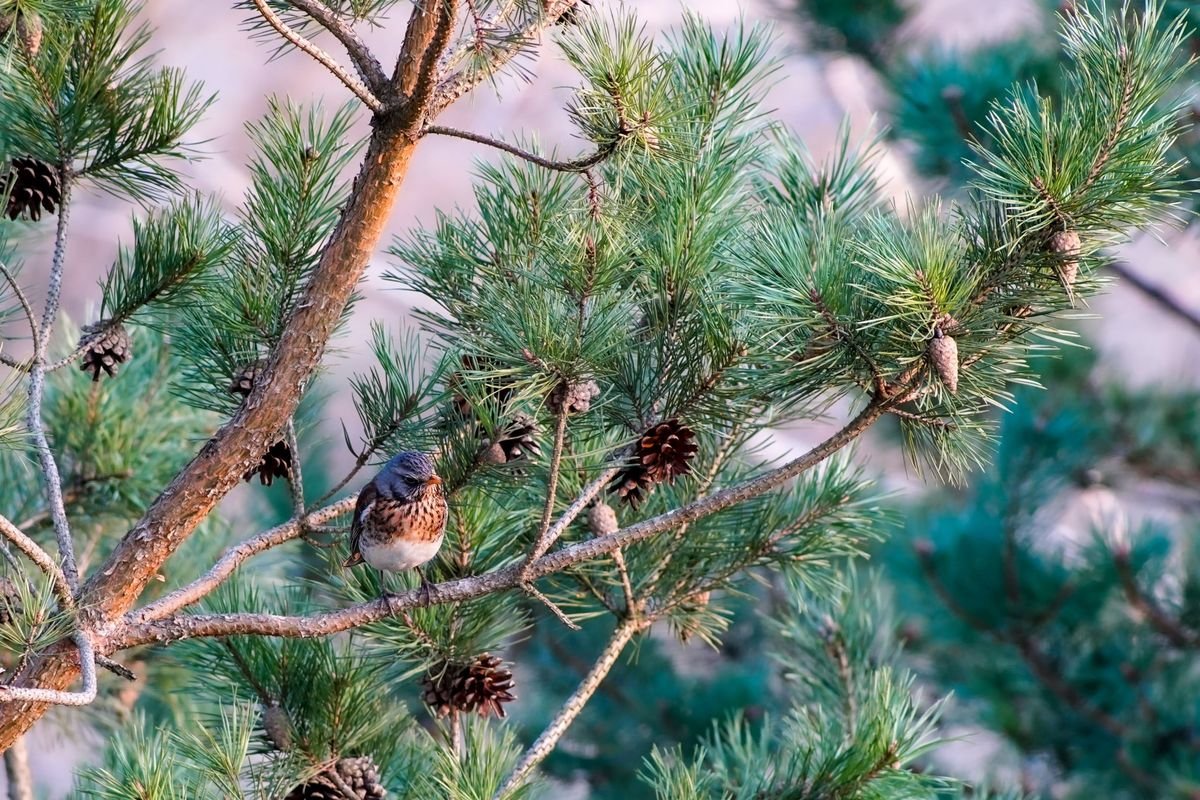
Songbirds frequently build their nests in the thick upper boughs of mature pines, where curious cats and predatory hawks have a harder time reaching them.
During extreme winter storms, small mammals and birds roost deep inside the canopy where the temperature remains slightly warmer than in open spaces.
- Chickadees, nuthatches, and finches use the dense boughs for overnight shelter.
- Squirrels and chipmunks find reliable hollows and secure perches away from ground-level threats.
- Beneficial insects overwinter in the rough bark crevices, providing food for early spring foragers.
A Reliable Winter Food Source for Animals
Pine trees are vital food factories for a wide range of wild creatures.
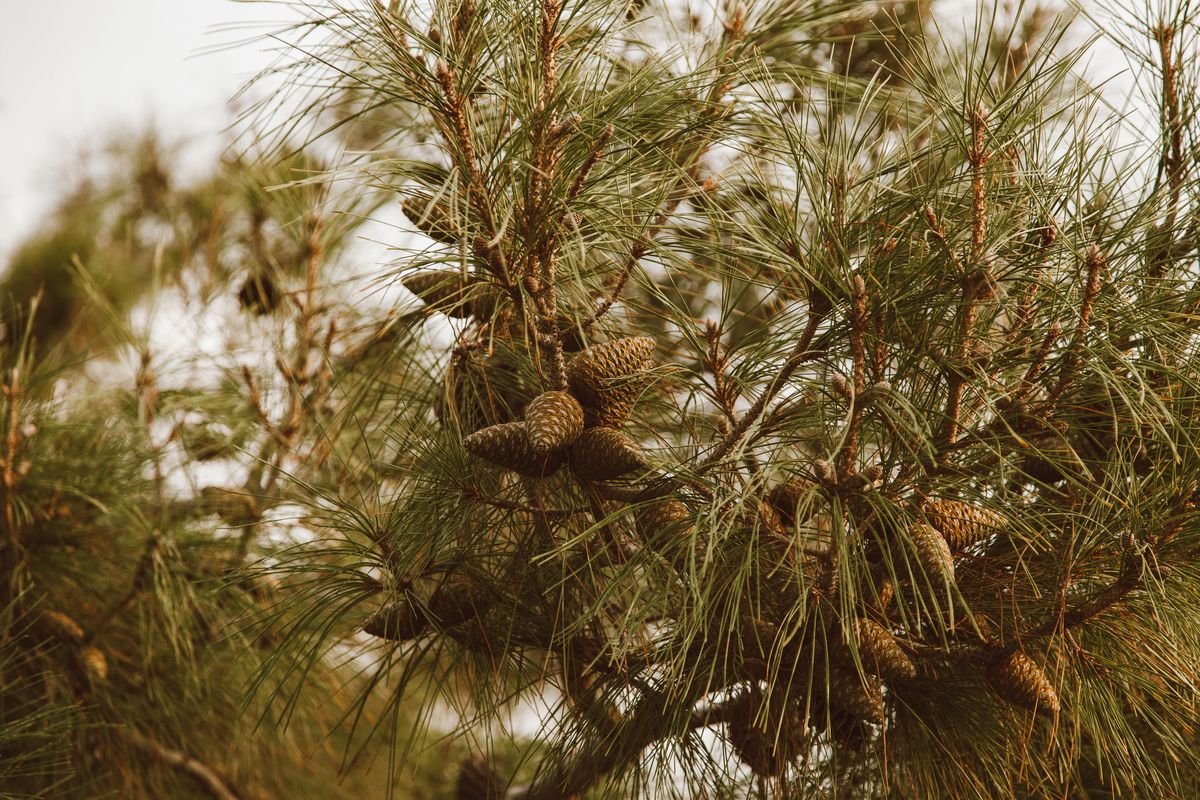
Pine cones contain nutritious seeds packed with essential fats and proteins that sustain animals when other food sources disappear.
It can take between 10 and 20 years for a pine tree to mature enough to produce regular cone crops, but once production starts, it provides an annual feast for local fauna.
Woodpeckers, crossbills, grosbeaks, and red squirrels rely heavily on these seeds during late autumn and mid-winter.
Even deer and other foragers occasionally browse on tender young pine needles and shoots during periods of heavy snow cover.
Year Round Visual Privacy and Wind Protection
Deciduous trees lose their leaves right when winter winds pick up, leaving properties exposed to cold drafts and neighboring views.
Pines maintain a thick wall of needles all year, making them one of the most effective natural privacy screens available.
When planted in strategic rows along a property boundary, pine trees act as living windbreaks.
They disrupt harsh gusting winds, which can protect smaller garden plants, prevent wind-driven structural damage, and even lower home heating costs by reducing winter draft pressure against your house walls.
Their sound-dampening qualities also help soften noise from nearby roads, giving your backyard a quieter and more peaceful atmosphere.
Controlling Tough Soil Erosion on Slopes
Soil erosion can strip valuable topsoil from your yard and create dangerous instability on hillside properties.
Heavy rainstorms easily wash away loose dirt, creating ruts, muddy washouts, and potential property damage.
Pine trees develop extensive, sturdy root networks that bind soil particles tightly together.
They anchor loose dirt and absorb huge quantities of runoff water before it has the chance to carry sediment away.
Hardy species like the Virginia pine and pitch pine thrive on barren, steep slopes where few other trees can establish a foothold, making them primary tools for slope stabilization.
The Calming Scent and Natural Air Benefits
Stepping out into a yard filled with pine trees offers an instant sensory lift.
The classic forest fragrance comes from aromatic terpenes, especially alpha-pinene and beta-pinene, which are produced naturally by pine needles and sap.
Studies suggest that breathing in these natural evergreen compounds can reduce stress levels, lower heart rates, and promote a sense of calm relaxation.
On hot summer days, pines release these volatile organic compounds into the surrounding air, where they interact with sunlight and moisture to form microscopic aerosols.
These tiny particles can actually promote cloud condensation, creating a subtle local cooling effect over the surrounding microclimate.
Natural Organic Mulch from Fallen Needles
Pine needles, often sold commercially as pine straw, are among the best natural mulches you can use in a garden.
When your pine trees shed their older needles in late summer and autumn, you get a free and renewable supply of garden bedding right at your feet.
Pine needle mulch offers several distinct benefits for surrounding landscape beds:
- Needles interlock to stay in place on slopes without washing away during heavy downpours.
- They do not form an impenetrable crust, allowing air and water to penetrate freely into the root zone.
- They break down slowly, enriching the soil with organic matter over several seasons.
- They keep soil cool in summer and insulate delicate plant crowns from hard winter freezes.
Contrary to a common gardening myth, fallen pine needles will not dramatically drop your soil pH to dangerous levels, making them safe for a wide variety of garden plants.
Historical and Modern Medicinal Properties
Humans have utilized pine trees for health and medicinal purposes for thousands of years.
Indigenous communities across North America harvested pine sap to create soothing salves for cuts, burns, and joint aches due to its natural antimicrobial and anti-inflammatory qualities.
Eastern white pine needles are rich in vitamin C and were historically brewed into teas to prevent and treat scurvy during long winters.
Modern research continues to explore compounds extracted from pine bark and wood, such as pinosylvin, which exhibits strong antifungal and antibacterial properties.
While you should always exercise caution before consuming or preparing wild plants, the long history of pine-based remedies highlights the remarkable biochemical value of these evergreens.
Low Maintenance Beauty and Extreme Hardiness
Once established in the ground, pine trees are famously low maintenance.
Unlike delicate fruit trees or fussy ornamentals, pines rarely require regular pruning, synthetic fertilizers, or constant irrigation.
Their deep root systems seek out groundwater efficiently, allowing them to withstand prolonged droughts better than many broadleaf species.
They also adapt well to acidic, sandy, or rocky soils that lack rich organic content.
For busy homeowners who want an impressive landscape without endless weekend chores, pines are an ideal choice.
Popular Pine Varieties for Home Gardens
Choosing the right pine depends on your available space, climate zone, and landscape goals.
Different species offer unique needle textures, growth rates, and mature sizes.
Here are some of the most popular varieties for residential properties:
- Eastern White Pine: Fast-growing with soft, bluish-green needles, perfect for large properties and windbreaks.
- Mugo Pine: A compact, shrub-like conifer that works wonderfully in small gardens, rockeries, and foundation plantings.
- Austrian Pine: Exceptionally tough, dense, and tolerant of urban pollution, road salt, and poor soils.
- Loblolly Pine: A fast-growing southern pine prized for timber, wildlife food, and rapid shade production.
- Scots Pine: Known for its distinctive orange-tinted bark and picturesque, irregular crown as it matures.
Tips for Successfully Planting Pine Trees
To give your young pine the best start in life, proper planting technique is essential.
Choose a planting site that receives at least six hours of direct sunlight each day, as most pine species do not thrive in heavy shade.
Dig a planting hole that is twice as wide as the root ball but no deeper than the container depth.
Ensure that the root flare, where the trunk widens at soil level, sits slightly above the surrounding grade to avoid crown rot.
Backfill with native soil rather than heavy potting soil, and water deeply to settle air pockets around the newly disturbed roots.
Caring for Your Pine Trees Long Term
Young pine trees need consistent care during their first two growing seasons to build a strong root system.
Provide deep weekly waterings when natural rainfall drops below one inch per week during summer.
Apply a three-inch layer of wood chips or pine needles over the root zone, keeping the mulch a few inches away from the trunk.
Monitor your trees periodically for common pine pests, such as pine bark beetles, sawfly larvae, or tip blight.
With minimal intervention and basic seasonal observation, your pine trees will flourish and provide beauty for generations to come.
Is a Pine Tree the Right Fit for Your Yard?
Answer 4 quick questions to see your result