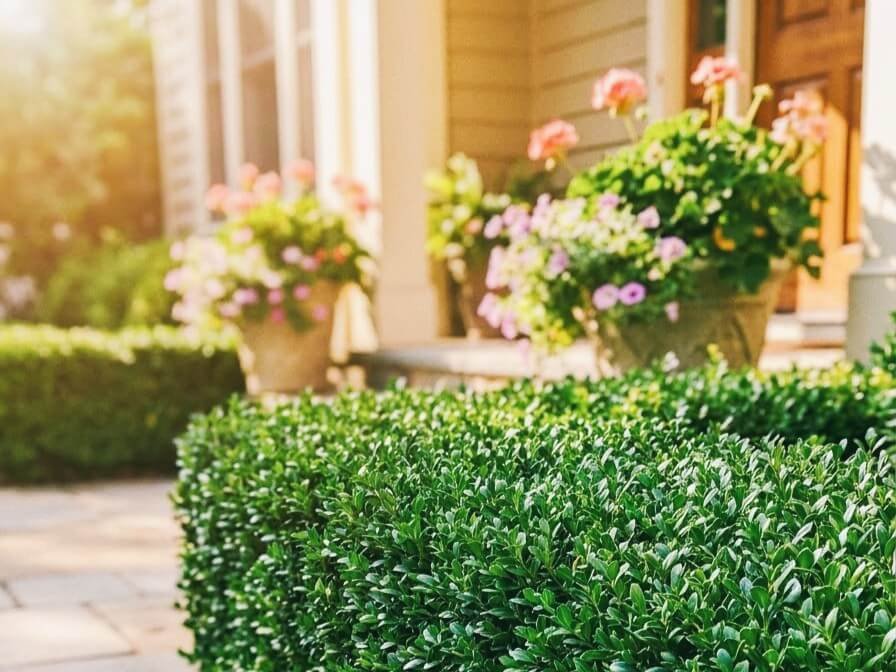
Have you ever stepped outside on a warm afternoon and been greeted by a sharp, pungent blast of cat urine?
You search under the bushes for a stray neighborhood cat, but find nothing. Before you blame the local felines, take a closer look at your shrubs.
Many popular ornamental bushes, perennials, and herbs synthesize volatile sulfur compounds that mimic mammalian urine almost molecule for molecule.
Here is a comprehensive guide to identifying these odoriferous botanical culprits, understanding the chemistry behind their stink, and learning how to fix the problem in your landscape.
1. English Boxwood (Buxus sempervirens)
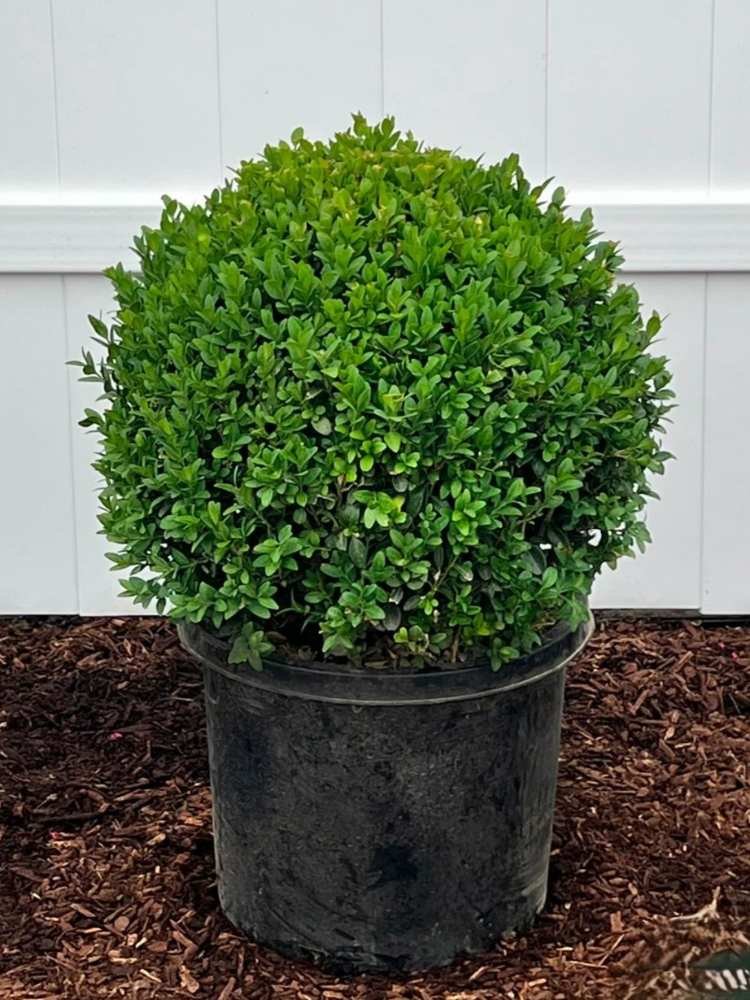
English boxwood, known botanically as Buxus sempervirens, is the most frequent source of feline-like yard odors.
These classic hedges contain volatile sulfur compounds and terpenoids that vaporize rapidly in direct sunlight. When midsummer heat strikes, the leaves release an unmistakable animal aroma that catches passersby off guard.
Interestingly, not everyone detects this scent due to natural genetic variations in human olfactory receptors.
While one person detects a sickening litter-box stench, another standing in the exact same spot might only perceive a mild woody fragrance.
2. Laurustinus (Viburnum tinus)
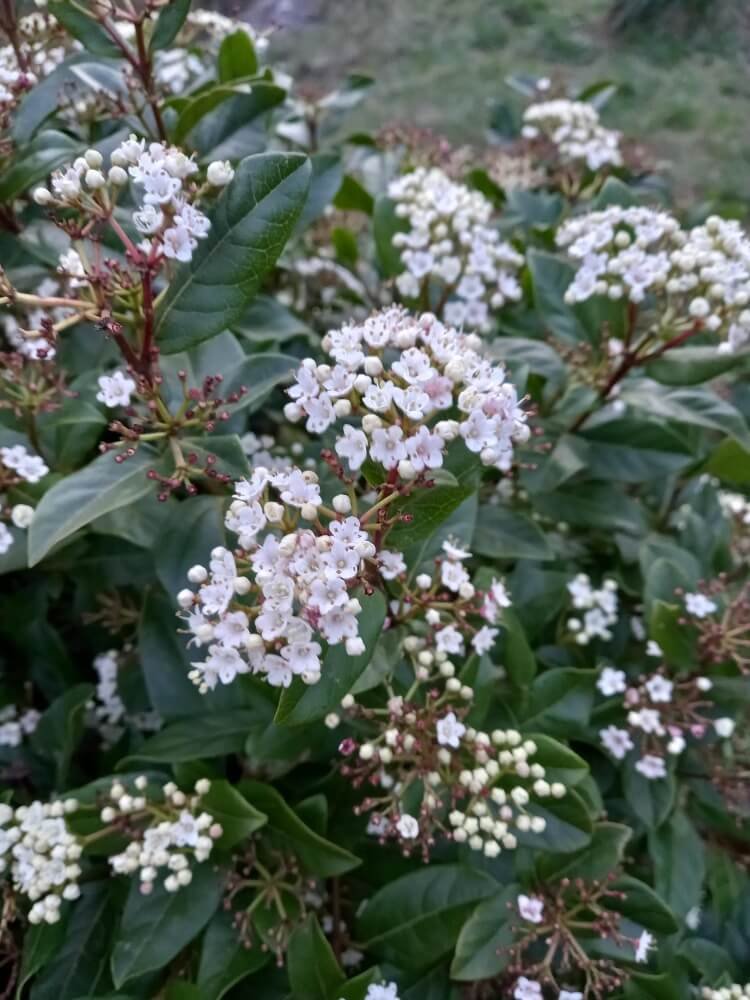
Laurustinus, scientifically named Viburnum tinus, brings a surprising seasonal twist to garden aromas. While boxwood stinks in hot sunshine, this broadleaf evergreen releases its urinous smell right after a rainstorm.
Moisture softens the waxy cuticle of the leaves and unleashes trapped aromatic acids into the humid air.
The odor worsens dramatically if the bush suffers an infestation of viburnum leaf beetles (Pyrrhalta viburni).
As the beetle larvae chew through foliage, bacteria rapidly colonize the damaged tissues, creating a sour, animal-like stench.
3. Blackcurrant (Ribes nigrum)
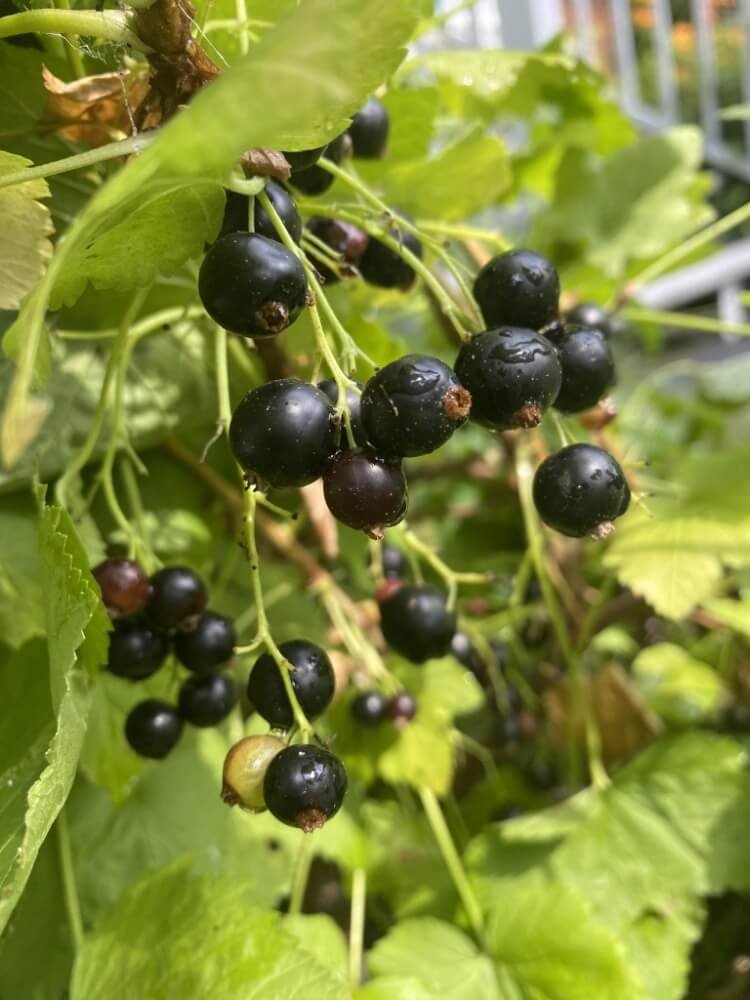
Blackcurrant, or Ribes nigrum, is prized for delicious jams and teas, but its foliage hides an earthy surprise.
The leaves and dormant bud scales possess glandular hairs rich in 4-mercapto-4-methylpentan-2-one, a compound commonly called cat ketone. In high ambient concentrations around the bush, this molecule smells identical to feline territorial markings.
At tiny, diluted concentrations, this exact same chemical provides the signature dark-berry aroma enjoyed by fruit lovers and winemakers.
Brushing against the thick branches while harvesting will release a sudden wave of scent that makes you check your shoes.
4. Scaredy-Cat Plant (Coleus caninus)
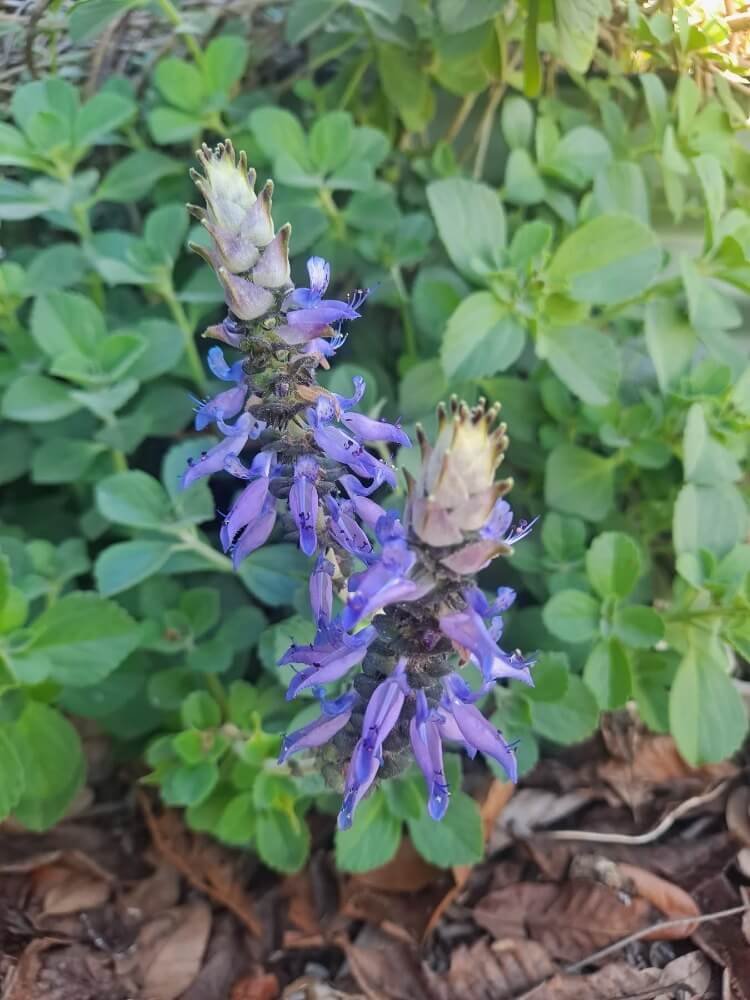
Sold commercially under the botanical name Coleus caninus (synonym Plectranthus caninus), this tender perennial is marketed to repel wandering critters.
Ironically, it deters outdoor animals by producing an acrid, skunky urine odor of its own. Microscopic glandular trichomes across the leaves rupture at the slightest physical contact, dispersing a pungent vapor cloud.
While the bush offers attractive spikes of purple-blue flowers, placing it along high-traffic borders is a common design mistake.
Whenever a pant leg or garden hose brushes against the dense stems, the potent scent clings to fabrics for hours.
5. Savin Juniper (Juniperus sabina)
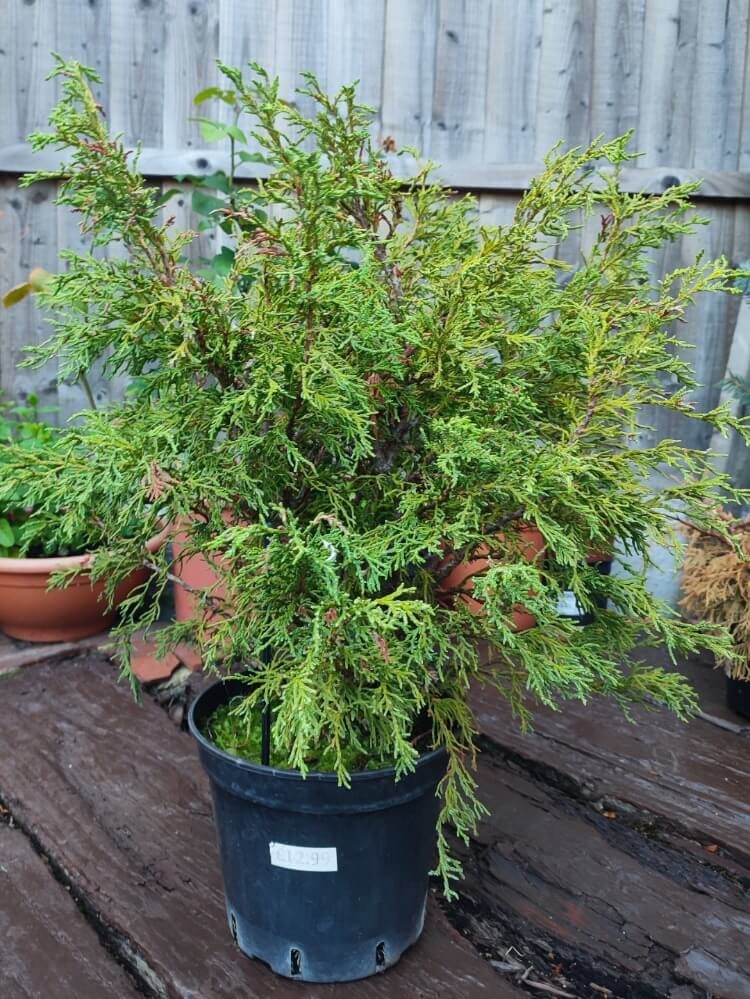
Certain evergreen conifers such as Juniperus sabina can also create confusing olfactory surprises in residential yards.
While healthy junipers typically release a clean, pine-like resin scent, specific cultivars generate a sharp, sulfurous odor in high heat. Trimming the shrub with power hedge shears crushes needle tissue and accelerates this volatile emission.
Furthermore, junipers afflicted with bacterial infections can leak fermented sap from their bark. This leaking bacterial fluid produces a sour, musky stench that smells remarkably like tomcat spray.
6. Garden Valerian (Valeriana officinalis)
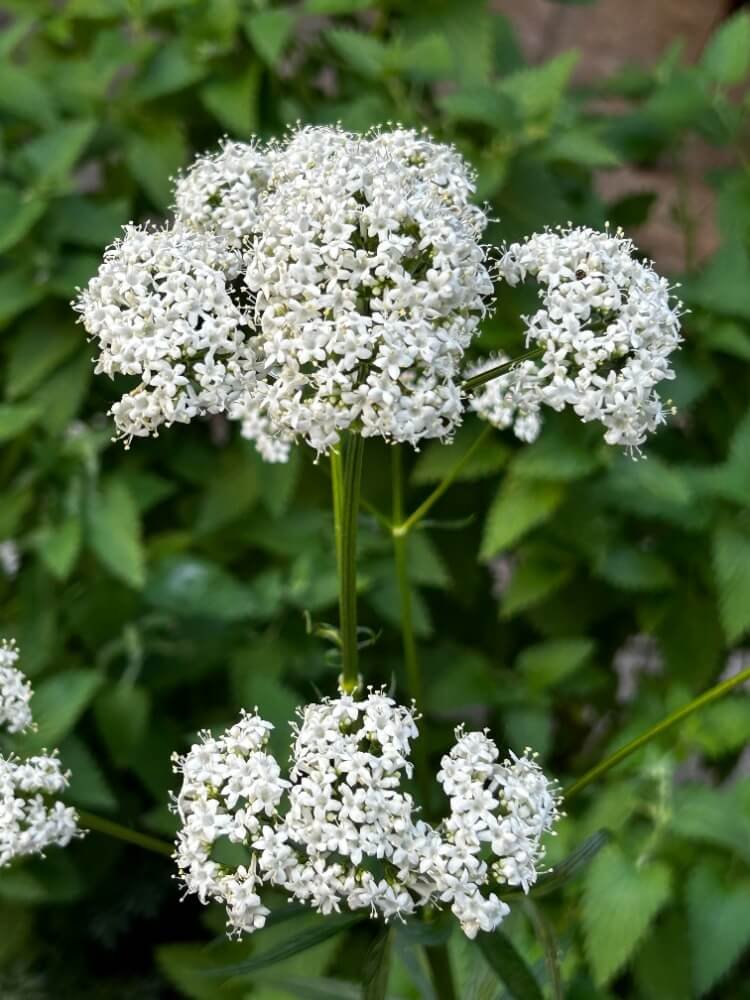
Garden valerian, known botanically as Valeriana officinalis, is famous for sweetly perfumed flowers and herbal root teas.
However, its underground rhizomes and senescing foliage contain high concentrations of isovaleric acid. This organic compound emits a pungent aroma reminiscent of stale urine and sweaty workout gear.
Felines are actually drawn to this perennial because it synthesizes actinidine, an aromatic compound that produces reactions similar to catnip.
Digging near the root system or clearing dying autumn foliage releases a sour cloud that can linger over the bed for days.
Why Do These Plants Smell Like Cat Pee?
The striking similarity between plant odors and feline urine comes down to shared volatile sulfur chemistry. The primary molecules involved belong to a chemical family called polyfunctional thiols:
- 3-Mercapto-3-methylbutan-1-ol (3MMB): This thiol is synthesized naturally in Buxus sempervirens. In tomcats, an amino acid derivative called felinine breaks down into 3MMB when urine hits the open air. Because both the shrub and the cat produce the identical molecule, human olfactory receptors register the same signal.
- 4-Mercapto-4-methylpentan-2-one (4MMP): Known as cat ketone, this compound gives blackcurrants their pungency and also appears in boxwood. Human noses can detect it at microscopic concentrations of less than one nanogram per liter.
- Isovaleric Acid: Found in Valeriana officinalis, this carboxylic acid creates the sour, cheesy undertone of aged animal waste and perspiration.
Plants produce these potent smells as defense mechanisms. The acrid sulfur vapors discourage browsing herbivores like deer and rabbits from munching on tender green leaves.
Plant Aroma vs. Real Cat Spray
If you want to know for certain whether your hedge is guilty or an actual cat is visiting your yard, use this simple diagnostic checklist:
- Check the Spatial Spread: Plant odors form a diffuse, uniform cloud that envelops the entire canopy. In contrast, real cat spray is concentrated at specific vertical points, typically between 20 and 40 centimeters above ground level.
- The Blacklight Test: Head into the garden after dark with an inexpensive 365 or 395 nanometer ultraviolet flashlight. Genuine cat urine deposits fluoresce bright yellowish-green or chalky white on walls and stems. Healthy plant leaves naturally absorb UV rays and glow a dull brownish-red.
- The Jar Test: Pluck several leaves from the suspect shrub, drop them into a clean glass jar, and close the lid for five minutes away from the garden. When you open the jar, a burst of cat-pee odor confirms that the plant itself is the culprit.
Odorless Landscape Alternatives
If you are designing a new landscape or replacing stinky shrubs, you do not have to sacrifice neat evergreen geometry.
Several exceptional low-odor and non-odorous alternatives mimic the look of traditional boxwoods:
- Japanese Holly (Ilex crenata): Cultivars such as ‘Brass Buckle’ and ‘Helleri’ feature dense, glossy foliage and tolerate tight formal shearing without producing any odor.
- Inkberry Holly (Ilex glabra): Compact native selections like ‘Gem Box’ and ‘Strongbox’ match the rounded habit of boxwoods and thrive in moist soils.
- Littleleaf Boxwood (Buxus microphylla): Unlike common English boxwood, Asian boxwood species do not produce offending sulfur-thiol compounds. Cultivars like ‘Wintergreen’ stay completely fresh and neutral under hot sun.
- Globe Arborvitae (Thuja occidentalis): Dwarf varieties like ‘Tater Tot’ naturally grow into tight green spheres while releasing a pleasant, clean cedar aroma.
Practical Ways to Tame the Stink
If you have mature shrubs that you want to keep, targeted garden maintenance will help keep odors under control:
- Thin the Interior Branches: Dense, overgrown hedges trap humidity inside their branch structure, allowing sulfur vapors to pool. Pruning select internal stems opens ventilation corridors that allow gentle breezes to disperse the scent.
- Adjust Your Trimming Calendar: Never trim Buxus sempervirens or junipers during the scorching heat of midsummer. Cutting foliage ruptures cells and causes an immediate surge of volatile thiols. Schedule major pruning for early spring or late autumn instead.
- Improve Soil Drainage: Waterlogged root systems induce plant stress and foster anaerobic soil bacteria, amplifying sour aromas. Switching from overhead sprinklers to ground drip lines also keeps Viburnum tinus leaves dry and less smelly.
- Add Companion Plants: Surround your pungent shrubs with aromatic flowering herbs like lavender (Lavandula angustifolia), rosemary, or catmint. Their sweet essential oils easily mask stray thiol notes, creating a fresh outdoor sanctuary.