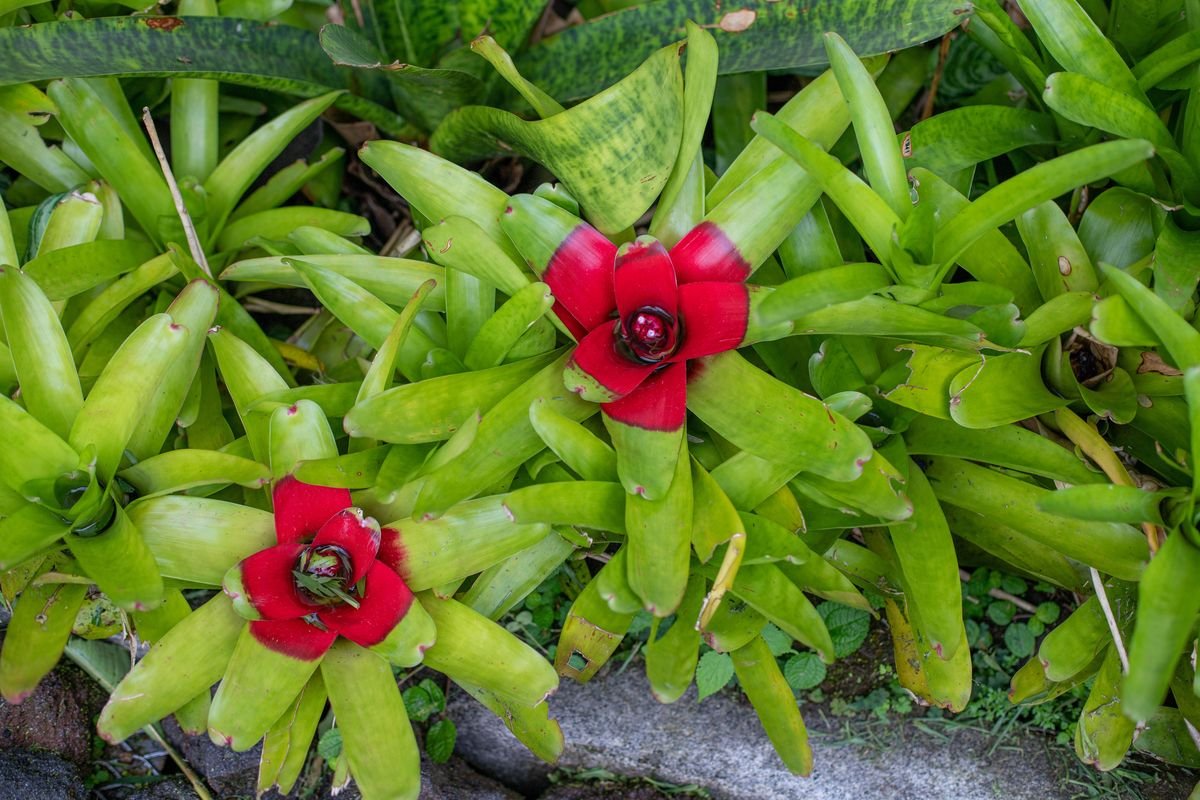
Bromeliads are beloved for their architectural rosettes, brilliant floral bracts, and striking tropical appeal. Whether you grow them in outdoor garden beds or display them in decorative indoor containers, finding the right companion plants can elevate their beauty while creating a thriving microclimate.
The key to successful companion planting with bromeliads lies in matching their unique growing habits. Because most bromeliads are naturally epiphytic or shallow-rooted, they require fast-draining soil, warm temperatures, high humidity, and filtered light. Pairing them with companions that share these same environmental preferences ensures your arrangements remain healthy, vibrant, and easy to maintain.
Pairing Bromeliads with Other Bromeliad Types
One of the most harmonious ways to design a companion arrangement is by grouping different varieties within the bromeliad family together. Combining multiple genera creates an exciting tapestry of form, color, and texture without introducing conflicting care routines.
Guzmania varieties offer tall, torch-like bracts in shades of scarlet, yellow, and deep purple. When paired with the flatter, broad rosettes of Neoregelia, the contrast in height and shape immediately catches the eye. Neoregelias are prized for their vivid central cups that turn bright magenta or crimson as they mature.
You can also integrate Vriesea species, commonly known as flaming sword bromeliads. Their flat, feather-shaped spikes rise dramatically above low-growing foliage. Adding silvery air plants from the Tillandsia genus around the base or perched on decorative driftwood creates a natural layered canopy effect.
Because all of these varieties thrive on the same watering schedules, light levels, and airy potting substrates, maintaining a mixed bromeliad container is straightforward and remarkably low maintenance.
Tropical Foliage Plants That Love Humidity
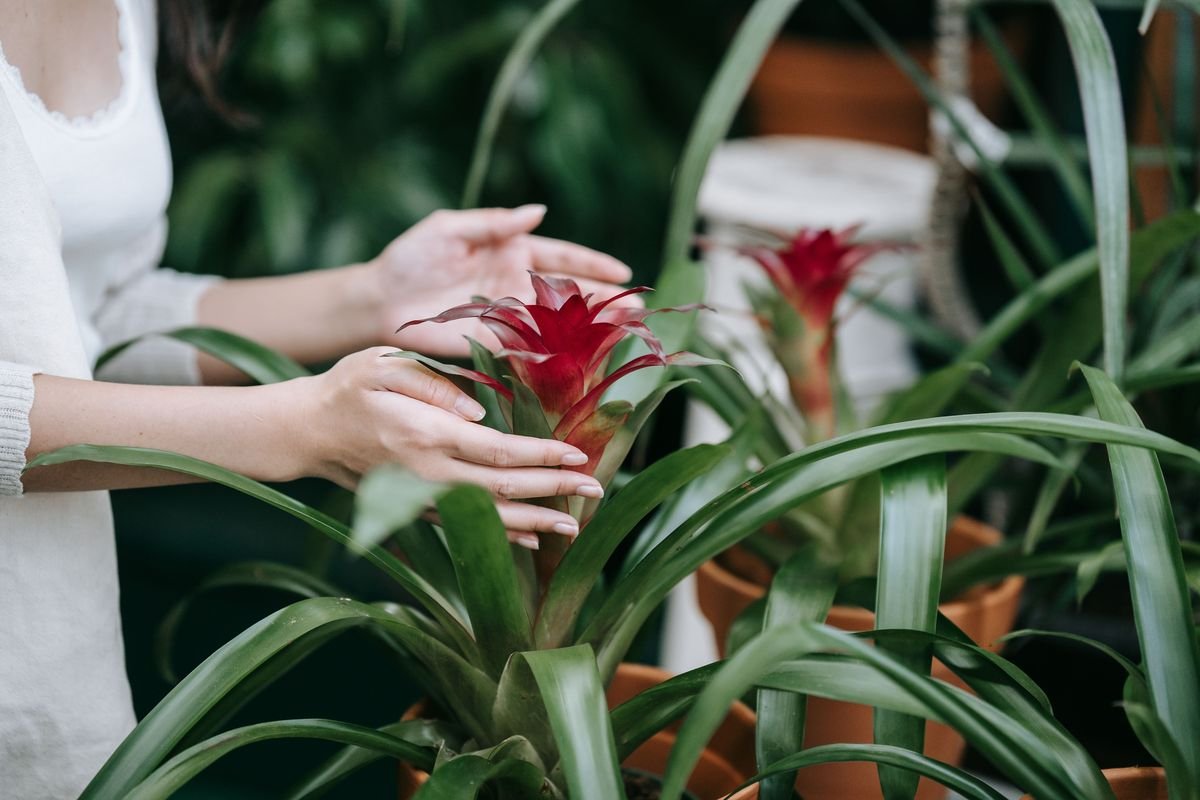
Tropical understory foliage plants make natural companions for bromeliads. In their native jungle habitats, these species grow together beneath tree canopies, benefiting from shared shade and moist air.
Calatheas and Marantas are outstanding choices. Their intricately patterned leaves in shades of silver, green, and deep burgundy provide continuous visual interest even when your bromeliads are between bloom cycles. The soft, rounded leaves of prayer plants contrast delightfully against the stiff, strappy foliage of bromeliads.
Ferns are another classic partner. Bird’s nest ferns (Asplenium nidus) mirror the rosette shape of bromeliads while offering smooth, wavy fronds. For a lighter and softer texture, maidenhair ferns or Boston ferns soften the edges of planting containers and garden borders.
Alocasias and smaller Anthuriums can also be incorporated into larger displays. Their bold, heart-shaped or arrow-shaped leaves create strong focal points that ground the energetic spikes of flowering bromeliads.
Large Canopy and Backdrop Plants
To give your bromeliads the spotlight they deserve, planting them in front of taller, structural backdrop plants is an effective design strategy. Tall greenery provides depth and replicates the protective shade that bromeliads naturally prefer.
Palms are an ideal structural companion. Species such as the parlor palm, kentia palm, or areca palm cast gentle, dappled light across the lower planting layer. This filtered illumination protects delicate bromeliad foliage from harsh direct sun while preserving soil moisture.
Dracaenas and cordylines also serve as wonderful vertical anchors. The upright, cane-like stems and spiky crowns of Dracaena marginata add height and architectural structure. Dark green or burgundy cordyline varieties create a dramatic backdrop that makes orange and yellow bromeliad blooms pop.
For outdoor tropical beds, cycads and dwarf banana plants offer lush, broad leaves that shelter underplanted bromeliads from intense midday heat and strong winds.
Trailing Vines and Groundcover Options
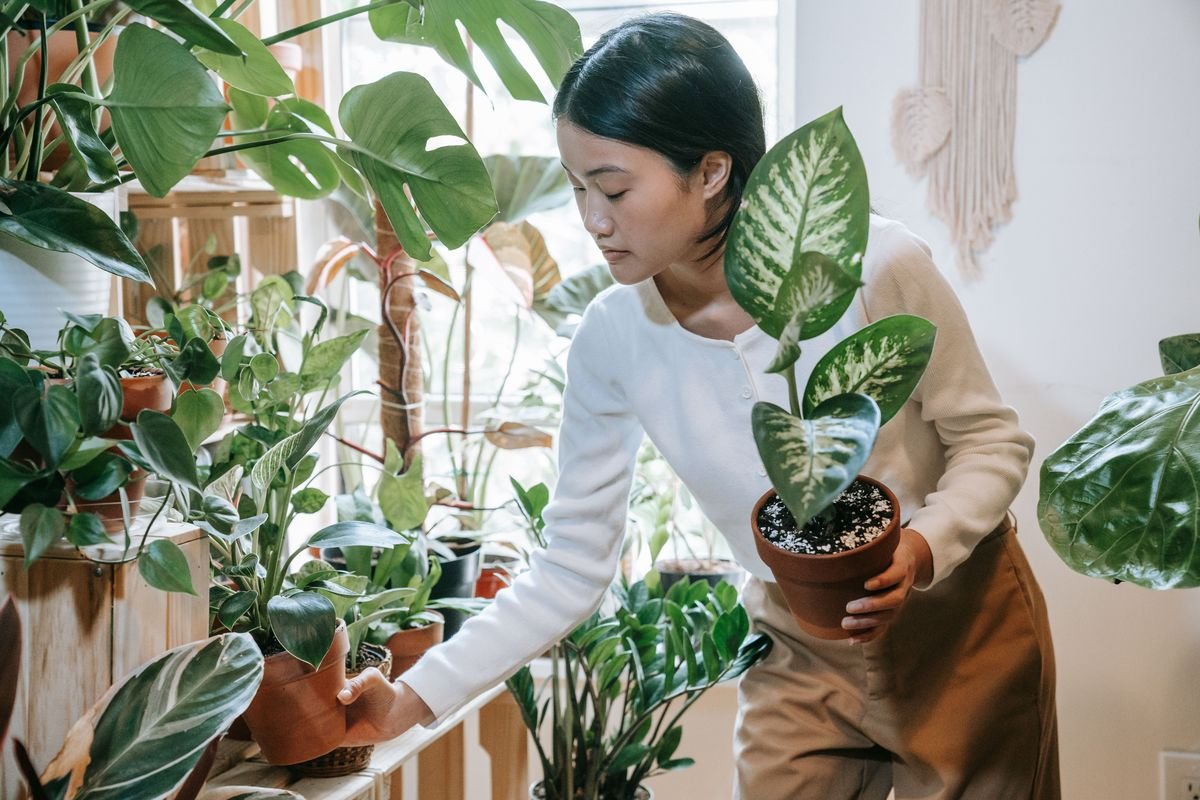
Covering the soil surface around bromeliads softens the transition between the pot rim and the foliage. Selecting the right trailing companions prevents bare soil patches and helps retain ambient humidity around the central rosettes.
Pothos (Epipremnum aureum) and heartleaf philodendrons (Philodendron hederaceum) are versatile choices. Their cascading vines trail gracefully over pot edges, filling in empty space without competing aggressively for nutrients.
Peperomias offer compact groundcover options with succulent-like foliage that tolerates light drying between waterings. Species like Peperomia prostrata (string of turtles) or Peperomia obtusifolia provide subtle texture and rich green coloration.
Live sheet moss and Selaginella (spike moss) can also be tucked gently around the base of your plants. These moisture-loving mosses create a lush woodland floor aesthetic while acting as a living mulch that stabilizes humidity.
Epiphytic Companions and Mounted Displays
Many popular bromeliads, including Aechmea and Billbergia, naturally grow attached to tree bark and branches rather than deep in the earth. This unique trait makes them perfect for mounted displays alongside other epiphytic plant species.
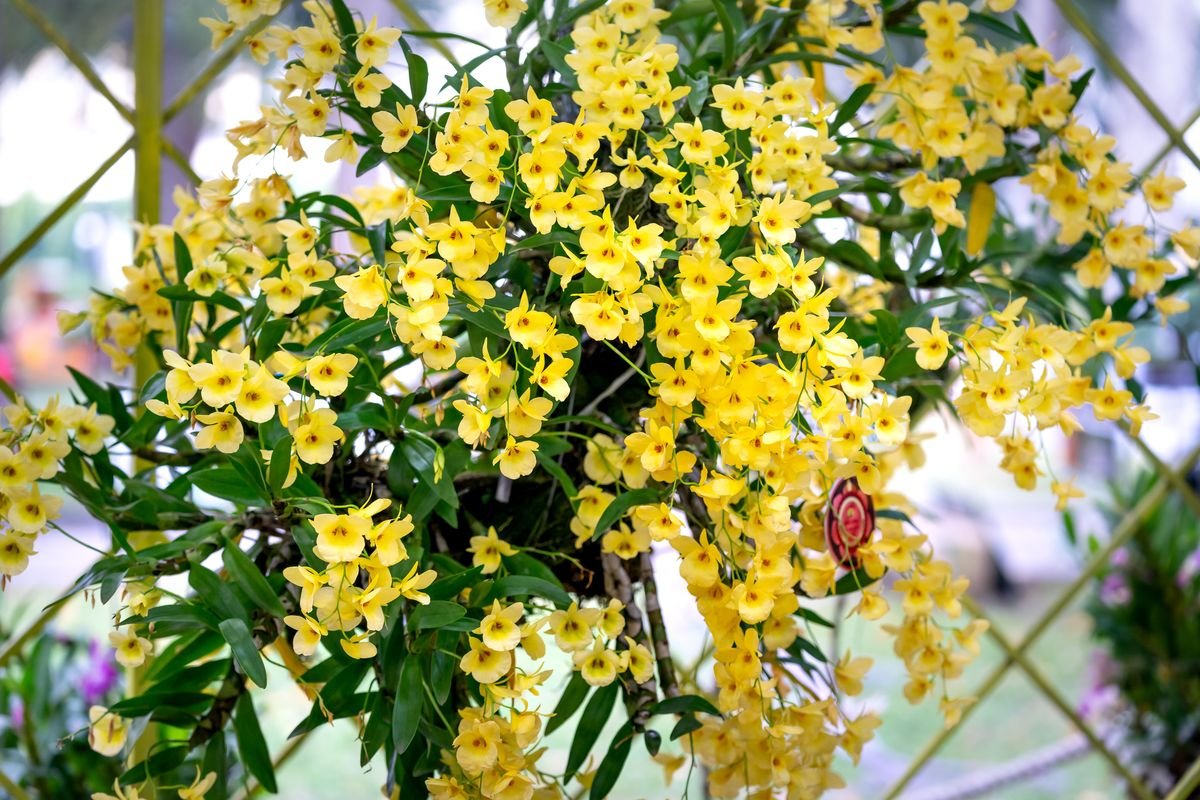
Orchids are the ultimate companion for epiphytic bromeliad arrangements. Phalaenopsis and Dendrobium orchids share identical root zone requirements, thriving in chunky bark, sphagnum moss, and well-ventilated slatted baskets. The delicate, arching flowers of orchids create an elegant counterpoint to the bold, geometric forms of bromeliads.
Staghorn ferns (Platycerium) can be mounted on the same wooden plaque, cork bark slab, or branch alongside bromeliads. Their broad shield fronds and antler-like fertile fronds create a living wall display that looks straight out of a tropical rainforest.
When grouping epiphytes together, you can water the entire arrangement simultaneously using a gentle spray bottle or soaking routine, simplifying your plant care routine.
Working with Foliage Colors and Blooms
Creating a visually appealing companion display involves balancing the bright colors of bromeliad bracts with complementary foliage tones. Strategic color combinations prevent the arrangement from looking chaotic or overwhelming.
Warm-toned bromeliads, featuring scarlet, coral, and bright yellow blooms, look best against deep green, emerald, and charcoal backdrops. The dark background emphasizes the warm tones, making the flowers appear even more intense and luminous.
If you are growing bromeliads with purple, pink, or silvery banded leaves, such as Aechmea fasciata, pair them with silver-patterned foliage like Chinese evergreens (Aglaonema) or aluminum plants (Pilea cadierei). This creates a sophisticated, cool-toned color scheme.
Variegated companions with cream or pale yellow margins help brighten shaded nooks. However, balance variegated plants with plenty of solid green specimens so the overall presentation remains calm and cohesive.
Key Environmental Conditions to Share
Before finalizing any companion planting project, you must verify that all selected species share compatible soil, water, and lighting requirements. Placing plants with conflicting needs in the same container often leads to root problems or scorched leaves.
Bromeliads require loose, highly porous growing media. Standard heavy potting soil holds too much water and can quickly cause base rot. Mix orchid bark, perlite, and coarse peat moss to create an airy substrate that allows oxygen to reach the roots of all companion plants.
Watering techniques also require special attention. While many companions absorb moisture primarily through their root systems, tank-type bromeliads absorb water through their central leaf urns. Keep fresh water in the bromeliad cup while lightly moistening the soil mix for surrounding plants.
Finally, place your companion arrangement in bright, indirect light. Dappled morning light or filtered afternoon sun allows both the bromeliads and their tropical partners to photosynthesize effectively without leaf scorch.
Bromeliad Companion Match Assessment
Answer 4 quick questions to see your result