Monstera deliciosa has earned a permanent spot at the top of the houseplant popularity charts. Its massive, glossy leaves and dramatic natural splits give any room an instant tropical feel.
However, you might not have the massive floor space that a mature Monstera demands. You might also want to expand your indoor collection with companion plants that share similar striking foliage, climbing habits, and easygoing care needs.
Why Look for Monstera Alternatives
Monstera plants are famous for their bold silhouette and natural leaf perforations, known scientifically as fenestrations. They can quickly outgrow tight corners and small apartments when given proper light and humidity.
Searching for plants with similar aesthetics lets you enjoy vibrant jungle foliage across varied room sizes, lighting levels, and display styles.
Many Monstera lookalikes belong to the Araceae family, commonly called aroids. These related plants share evolutionary adaptations such as aerial roots, thick glossy leaves, and vigorous climbing tendencies.
Adding these species to your living space brings visual diversity while keeping your care routine straightforward and consistent.
Climbing Philodendrons
Philodendrons represent one of the closest relatives to Monstera in both appearance and care requirements. Vining philodendron species climb up moss poles, trellises, or walls with rapid vigor.
Species like Philodendron hederaceum and Philodendron pedatum showcase distinct leaf shapes that immediately evoke a lush jungle atmosphere.
Philodendron pedatum, often called the oak leaf philodendron, produces deeply lobed leaves that resemble mature Monstera splits. As the plant climbs, each new leaf emerges larger and more intricate.
- Foliage style: Deeply lobed, paddle-shaped, or heart-shaped glossy leaves.
- Growth habit: Vigorous climber utilizing aerial roots to latch onto supports.
- Light needs: Medium to bright indirect sunlight.
- Watering frequency: Water when the top two inches of potting mix feel dry.
These climbing varieties adapt exceptionally well to standard household humidity. They thrive on occasional misting and a sturdy support structure to help them grow upright.
Non Climbing Philodendrons
If you want the bold foliage of a Monstera without the sprawling vining habit, self-heading philodendrons offer a wonderful solution. Varieties like Philodendron bipinnatifidum and Philodendron ‘Selloum’ produce massive, deeply cut leaves from a central stem.
These upright growers remain bushy and self-supporting for many years before developing a thick trunk-like base.
Their frilly, split margins mirror the dramatic cuts of mature Monstera leaves. They create a dramatic focal point in living rooms, offices, and bright entryways without needing a trellis.
Golden Pothos and Epipremnum
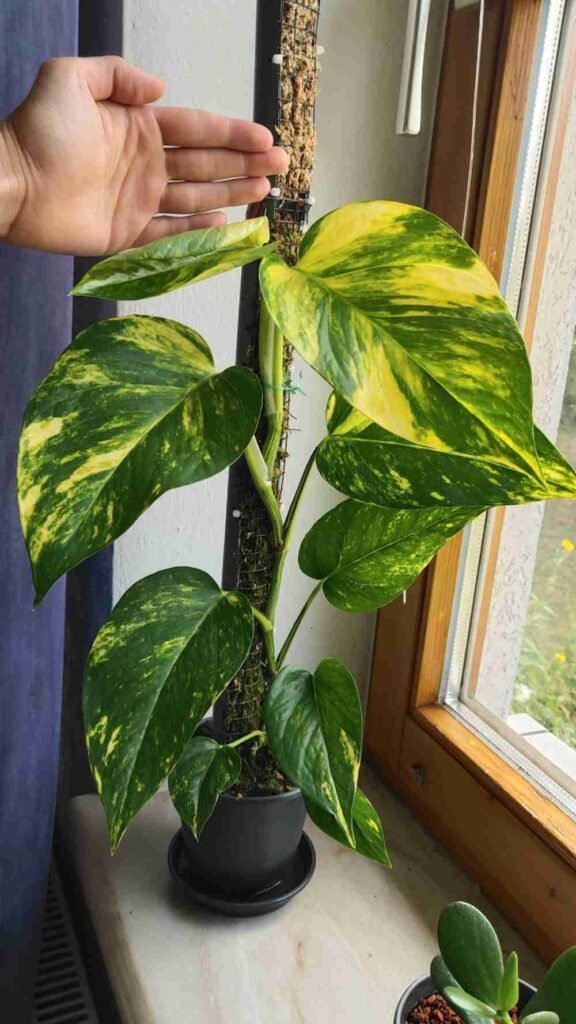
Epipremnum aureum, widely known as golden pothos or devil’s ivy, is one of the most resilient indoor plants in cultivation. While often grown in hanging baskets where leaves remain small, pothos undergoes a dramatic transformation when allowed to climb.
When given a wooden plank or moss pole in bright light, climbing pothos leaves can grow over two feet long and develop natural fenestrations just like Monstera deliciosa.
- Foliage style: Heart-shaped leaves with yellow, cream, or white marbling.
- Growth habit: Trailing vine that climbs rapidly when supported.
- Light needs: Low to bright indirect light.
- Watering frequency: Allow the top half of the soil to dry between waterings.
Devil’s ivy tolerates inconsistent watering and lower light levels better than almost any other tropical houseplant. This resilience makes it an ideal starter plant for beginners seeking that classic Monstera jungle look.
Cebu Blue Pothos
Epipremnum pinnatum ‘Cebu Blue’ is a specialty pothos variety with silvery, metallic-blue foliage. In its juvenile stage, it forms neat lance-shaped leaves that trail gracefully from hanging planters.
As Cebu Blue matures and climbs, its foliage expands dramatically and develops long, clean splits along the central leaf vein.
These natural perforations make mature Cebu Blue specimens look strikingly similar to rare Monstera species like Monstera subpinnata or Monstera epipremnoides. Providing high humidity and strong indirect light encourages mature leaf splitting.
Rhaphidophora Tetrasperma or Mini Monstera
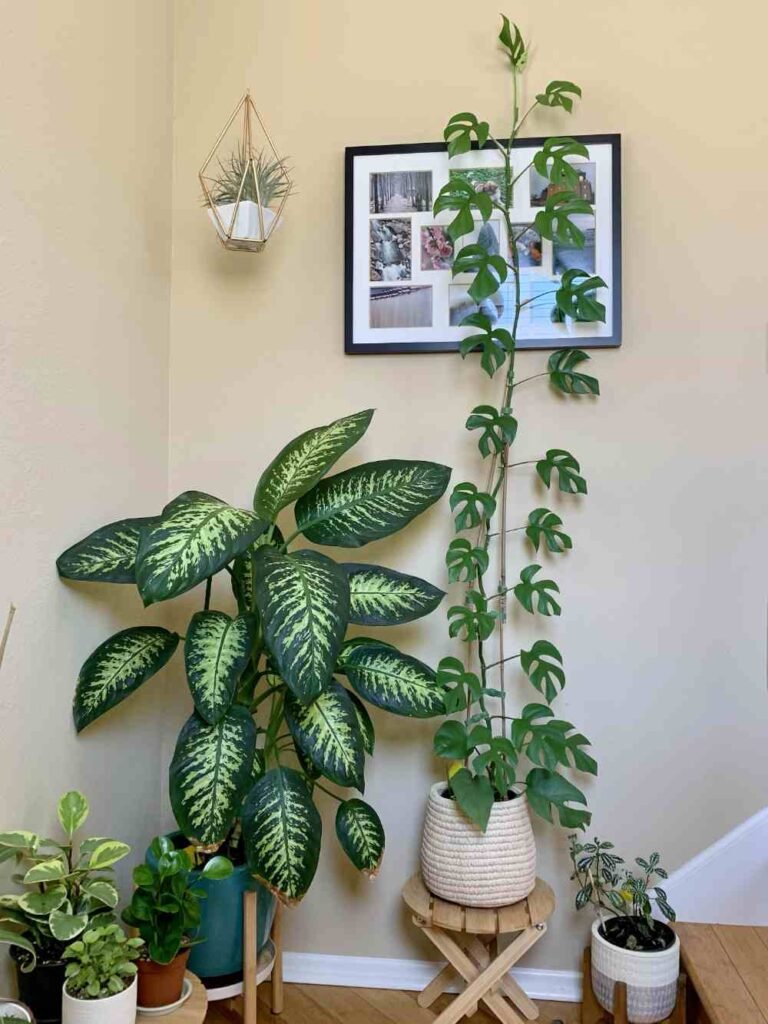
Rhaphidophora tetrasperma is so visually similar to Monstera that it is almost universally marketed under the trade name mini Monstera. Despite the nickname, it belongs to an entirely separate genus within the aroid family.
This Southeast Asian native features small, delicate leaves that produce distinct split lobes even when the plant is very young.
Unlike Monstera deliciosa, which requires substantial maturity and intense light to develop fenestrations, Rhaphidophora tetrasperma produces split leaves right from the cutting stage.
- Foliage style: Small, deeply notched, fenestrated green leaves.
- Growth habit: Fast-climbing vine that loves vertical supports.
- Light needs: Bright, filtered indirect sunlight.
- Watering frequency: Keep consistently moist but never soggy.
This species grows at a remarkable pace during spring and summer. A single vine can gain several feet in length over a few short months, making it one of the most rewarding climbers you can grow indoors.
Rhaphidophora Decursiva
Rhaphidophora decursiva, commonly called the dragon tail plant, is another close cousin with spectacular architectural foliage. Juvenile plants feature solid, glossy, dark green leaves that cling tightly against vertical surfaces.
As the dragon tail climbs upward, its foliage transforms into massive, deeply dissected leaves that look like stylized palm fronds or tropical feathers.
This plant thrives in warm rooms with plenty of humidity. It adds a moody, deep-green aesthetic that complements lighter variegated foliage in an indoor plant display.
Lady Palm for Tropical Structure
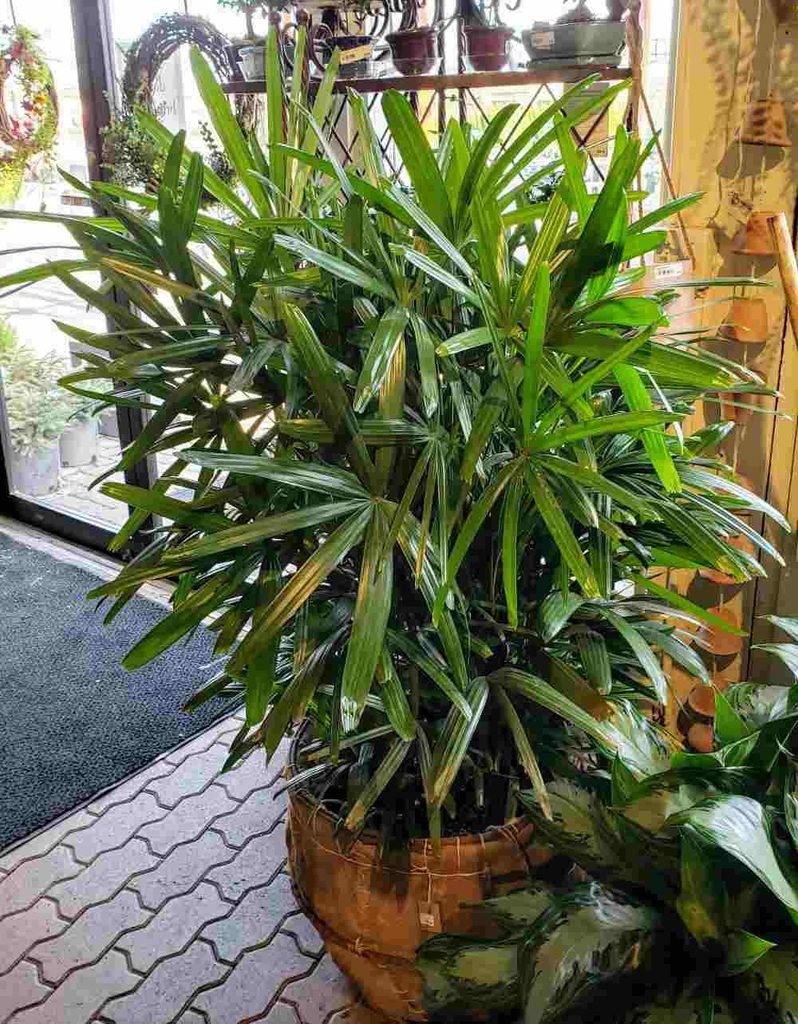
Rhapis excelsa, commonly known as the lady palm, offers a different botanical structure that still delivers the bold, architectural presence of a Monstera. Instead of climbing vines, lady palms grow in dense, upright clumps of slender stems topped with fan-shaped fronds.
Each glossy green frond divides into multiple distinct fingers, creating a textured pattern that resembles mature split foliage.
- Foliage style: Glossy, fan-shaped palmate fronds with blunt tips.
- Growth habit: Upright clumping multi-stemmed palm.
- Light needs: Low to bright indirect light, highly shade tolerant.
- Watering frequency: Water thoroughly once the top inch of soil dries.
Lady palms are exceptionally durable and tolerate low humidity better than most tropical palms. Their slow, steady growth rate makes them perfect for long-term placement in corners and reading nooks.
Elephant Ear Alocasia
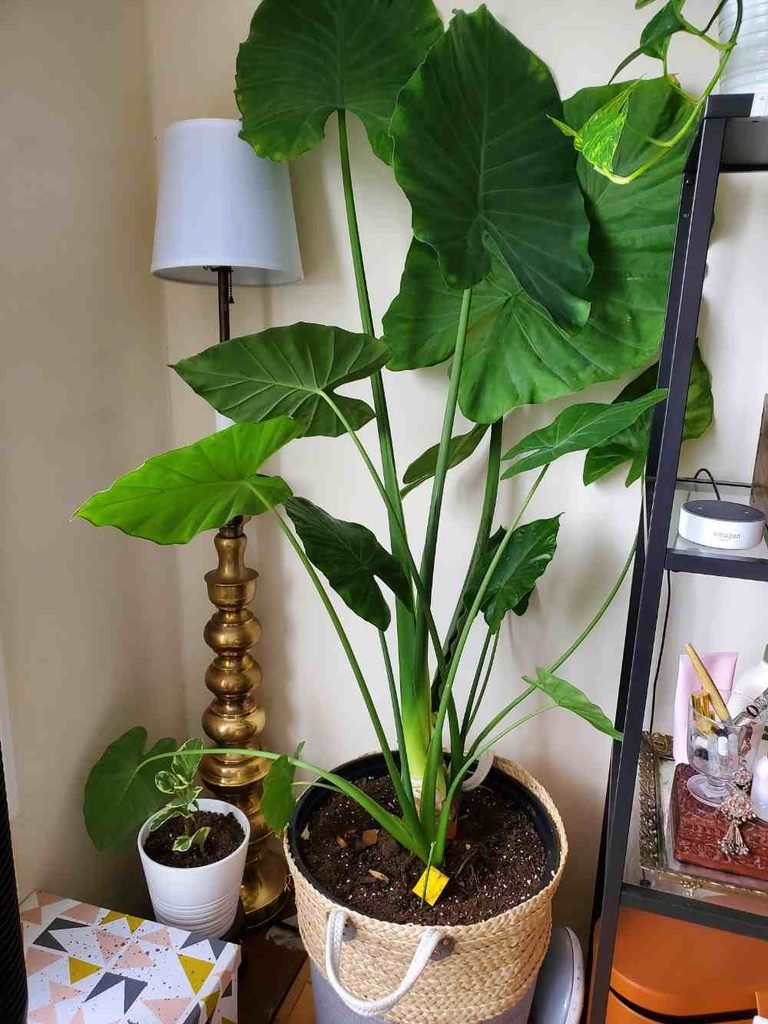
Alocasia species, frequently called elephant ears, bring massive shield-shaped and arrow-shaped leaves into your home. Varieties like Alocasia macrorrhizos and Alocasia ‘Frydek’ feature prominent contrasting leaf veins and dramatic sculptural stems.
While Alocasia leaves do not split like Monstera foliage, their grand size and bold silhouettes provide an identical tropical impact.
Alocasia plants grow from underground rhizomes and produce new leaves in rapid succession during the warm growing season.
They prefer slightly higher humidity levels and consistent soil moisture. Placing an Alocasia near a humidifier or grouping it with other leafy plants prevents the leaf tips from crisping.
Dieffenbachia or Dumb Cane
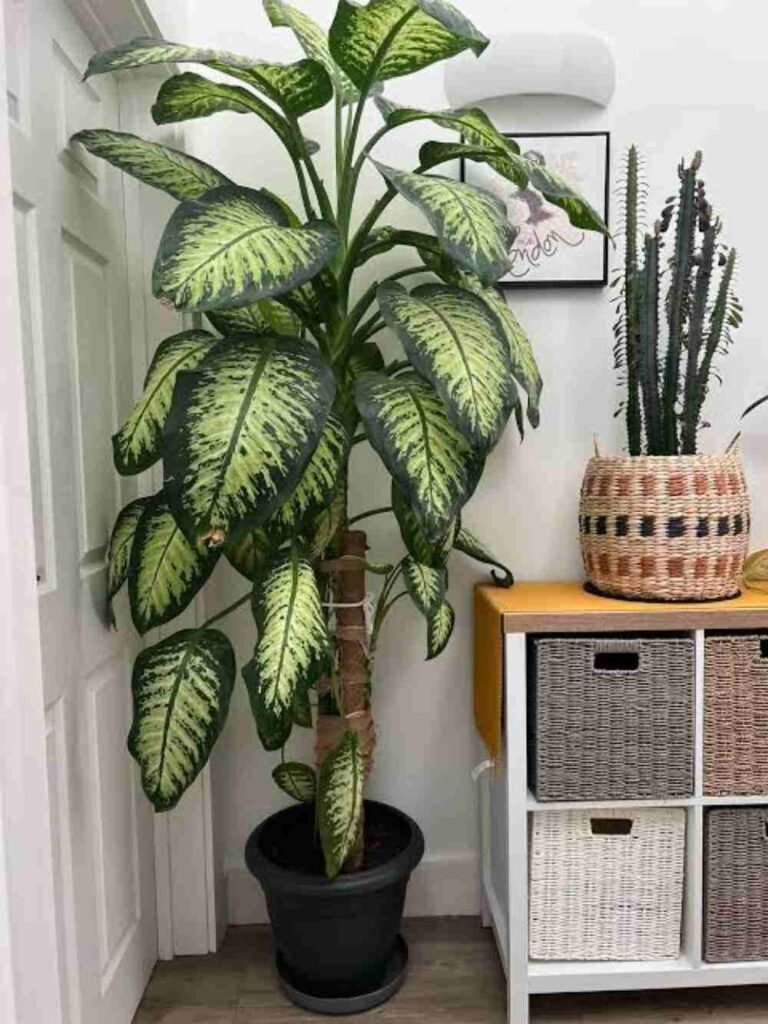
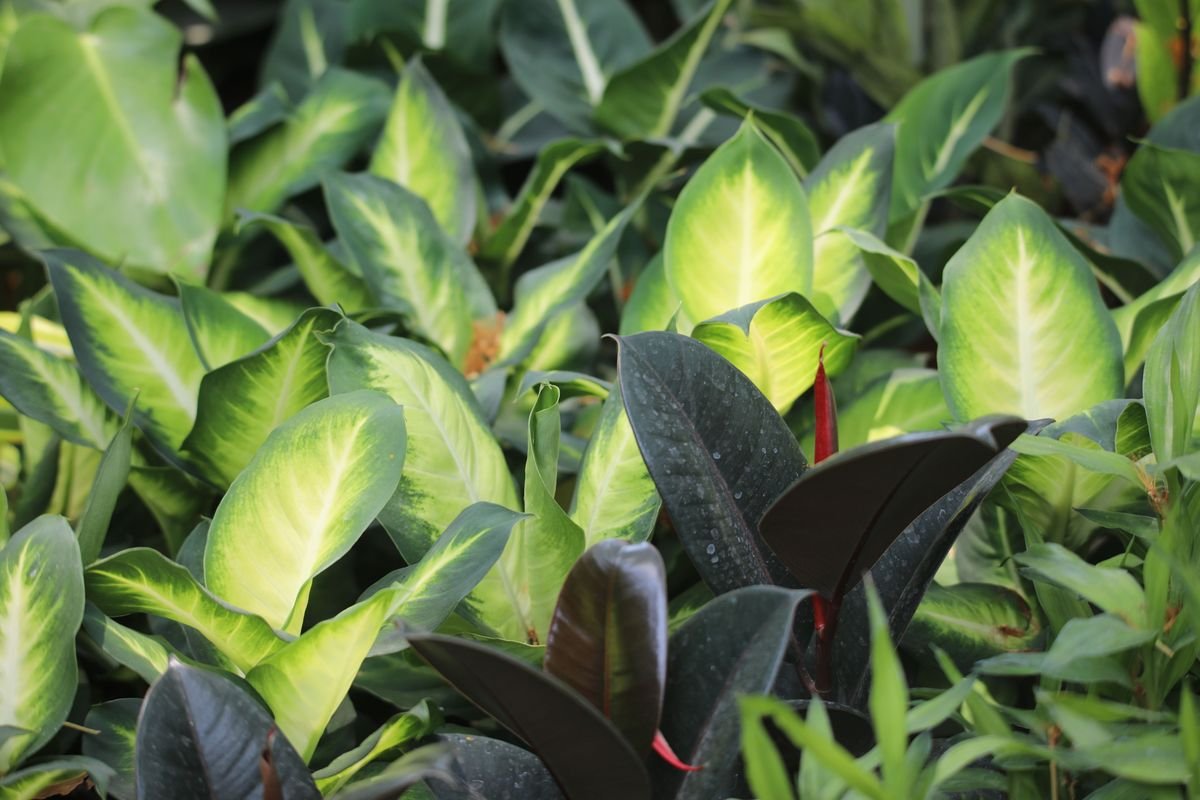
Dieffenbachia plants are classic indoor staples known for their broad, patterned leaves and straightforward care requirements. Their upright growth habit and dense canopy of foliage mimic the lush volume of young Monstera plants.
Popular varieties like Dieffenbachia ‘Camille’ and ‘Tropic Snow’ showcase stunning variegation patterns consisting of creamy white, lime green, and dark emerald hues.
- Foliage style: Broad, oblong leaves with dramatic mottled patterns.
- Growth habit: Upright cane-forming plant.
- Light needs: Medium to bright indirect light.
- Watering frequency: Water when the top two inches of potting mix feel dry.
Dieffenbachia performs well across a broad range of indoor temperatures. Keep these plants away from drafty windows and air conditioning vents to maintain healthy foliage throughout the winter months.
ZZ Plant for Easy Foliage
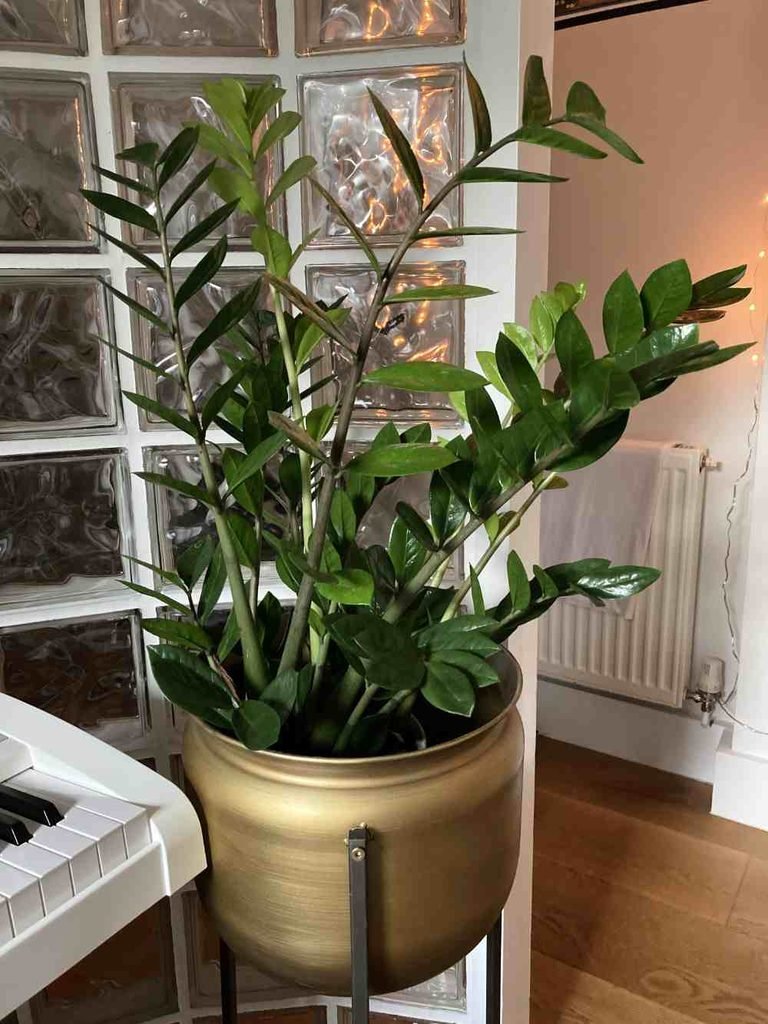
Zamioculcas zamiifolia, commonly known as the ZZ plant, offers glossy green foliage and unmatched resilience. While its upright, feather-like stems look quite distinct from a vining Monstera, the high-gloss sheen of its leaflets creates a similar polished aesthetic.
ZZ plants grow from thick, potato-like underground rhizomes that store large reservoirs of moisture and nutrients.
This built-in water storage enables the ZZ plant to survive weeks of neglect and very low lighting conditions that would cause a Monstera to struggle.
If you love the lush, waxy appearance of tropical aroids but have limited natural window light, the ZZ plant serves as an unbeatable alternative.
Syngonium Podophyllum
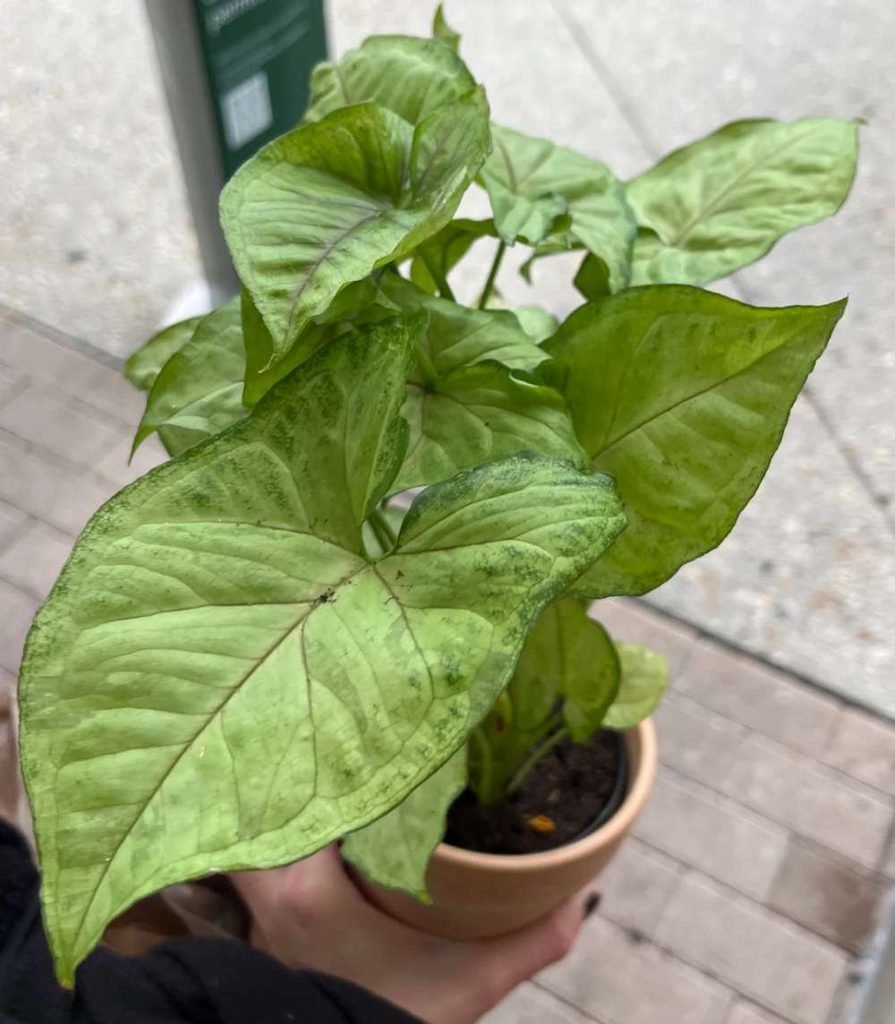
Syngonium podophyllum, commonly known as the arrowhead vine, is another versatile member of the Araceae family. Juvenile arrowhead plants form compact mounds of arrow-shaped leaves with delicate silvery or pink markings.
As the plant matures and begins to climb, its leaf shape undergoes a dramatic transformation.
The mature foliage divides into three to five separate leaflets along each stem, mimicking the split and lobed nature of climbing Monstera species.
Arrowhead vines tolerate a wide variety of indoor conditions and propagate effortlessly from stem cuttings rooted in clean water.
Monstera Lookalike Care Essentials
Because most Monstera lookalikes belong to the aroid family, they share universal environmental preferences. Providing the proper baseline conditions ensures rapid growth, large leaf formation, and vibrant coloring.
Replicating the natural tropical understory environment indoors comes down to three key pillars: gentle indirect light, airy soil mixes, and mindful hydration routines.
Lighting and Placement Tips
Tropical foliage plants thrive best in bright, indirect sunlight. Direct afternoon rays can scorch tender foliage, causing brown patches and bleached leaf surfaces.
Position your plants near east-facing or north-facing windows for gentle, consistent light exposure throughout the day.
If placing plants near bright south-facing or west-facing windows, use sheer curtains to diffuse the harsh sunlight. Rotate your pots a quarter turn every week to encourage balanced, symmetrical growth.
Watering and Soil Mix Guidelines
Overwatering represents the single most common cause of houseplant decline. Aroids require oxygen around their root systems to absorb water and nutrients efficiently.
Always use a loose, chunky potting mix rather than dense standard potting soil.
- Chunky bark: Promotes large air pockets and prevents root compaction.
- Perlite or pumice: Ensures rapid drainage and prevents saturated soil.
- Coco coir or peat moss: Retains a light balance of background moisture.
- Horticultural charcoal: Keeps the root zone sweet and naturally aerated.
Always ensure your pots feature functional drainage holes. Discard any excess runoff water that collects in decorative saucers after watering.
Choosing the Right Lookalike for Your Space
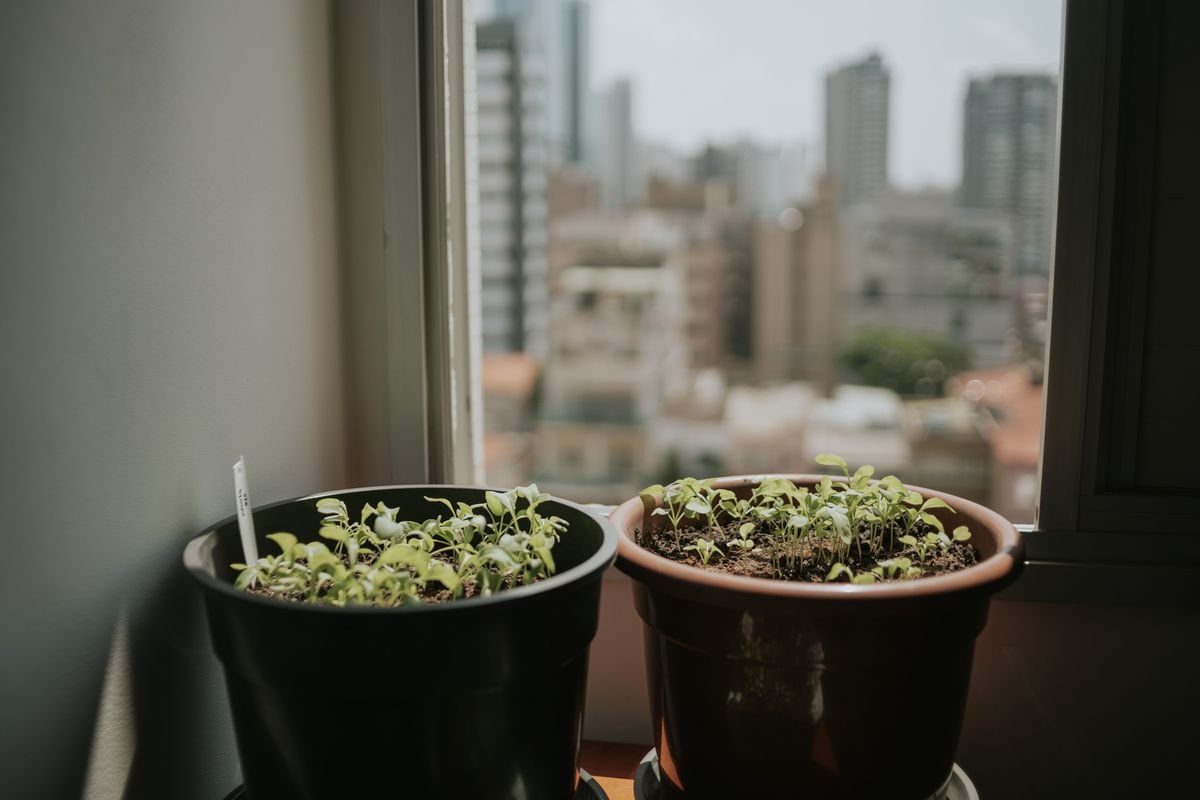
Selecting the best Monstera alternative depends on your available space, window lighting, and plant care habits. If you have compact shelves and bright light, Rhaphidophora tetrasperma offers instant split-leaf charm in a manageable footprint.
If your room has low light and you tend to forget watering schedules, hardy options like golden pothos or ZZ plants will flourish where delicate plants falter.
For grand living areas with ample space, non-climbing philodendrons or lady palms make magnificent sculptural statements.
By matching each plant to your unique living environment, you can build a thriving, low-stress indoor jungle full of dynamic shapes, textures, and rich tropical colors.
Which Monstera Alternative Best Matches Your Home?
Answer 4 quick questions to see your result