Cultivating a thriving garden provides fresh food, colorful flowers, and a calming outdoor space. Interestingly, your garden can also serve as a natural barrier against some of the most persistent household pests.
Bed bugs are infamous for invading living spaces and causing restless nights. While chemical solutions exist, growing specific insect-repelling herbs and flowers offers an accessible, eco-friendly way to keep these nuisance bugs at bay.
Why Bed Bugs Enter Homes
Bed bugs do not invade living spaces because of poor hygiene or clutter. Instead, they seek out basic biological cues that signal a living host.
These tiny insects are drawn to body heat, moisture, and the carbon dioxide people exhale while resting. Because they are mostly nocturnal, they wait until nightfall to emerge from dark crevices to feed.
Their small size and flat bodies make them expert travelers. They easily attach to luggage, thrifted furniture, jackets, and backpacks, hitching a free ride straight into your bedroom.
Common Indoor Hiding Spots
Once inside a room, bed bugs seek out tight crevices where they can stay protected during daylight hours.
- Mattress seams and box spring corners
- Headboard joints and wooden bed frame cracks
- Baseboards and electrical outlet covers
- Under loose wallpaper and behind framed wall art
- Cushions of upholstered chairs and couches
Finding these harborages early is essential to stopping an infestation before it spreads throughout your home.
Plants That Naturally Repel Bed Bugs
Certain aromatic plants produce strong essential oils designed by nature to deter predatory insects. Planting these varieties around your yard or patio gives you a constant supply of natural pest management tools.
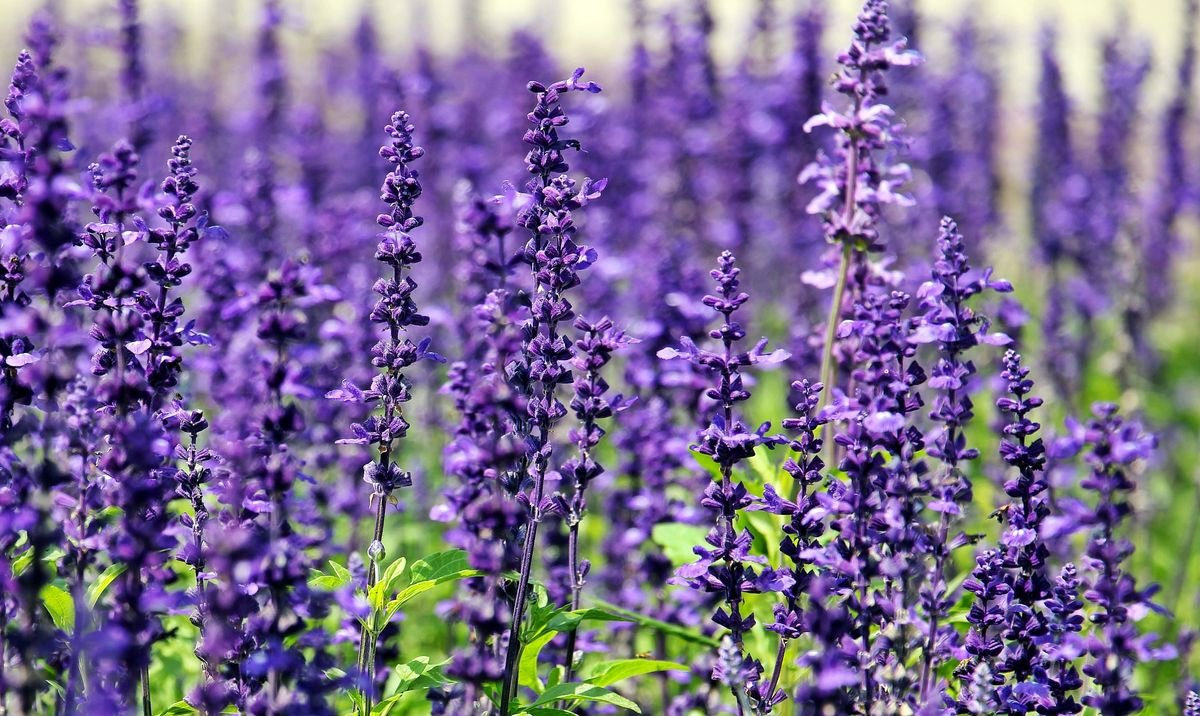
Lavender
Lavender is widely recognized for its sweet floral scent and relaxing qualities. Humans find it soothing, but bed bugs dislike the intense fragrance of its natural terpenes.
The concentrated linalool found in lavender stems and blooms disrupts the sensory receptors of insects. Growing French or English lavender in sunny flowerbeds gives you easy access to fresh cuttings all summer.
Peppermint and Spearmint
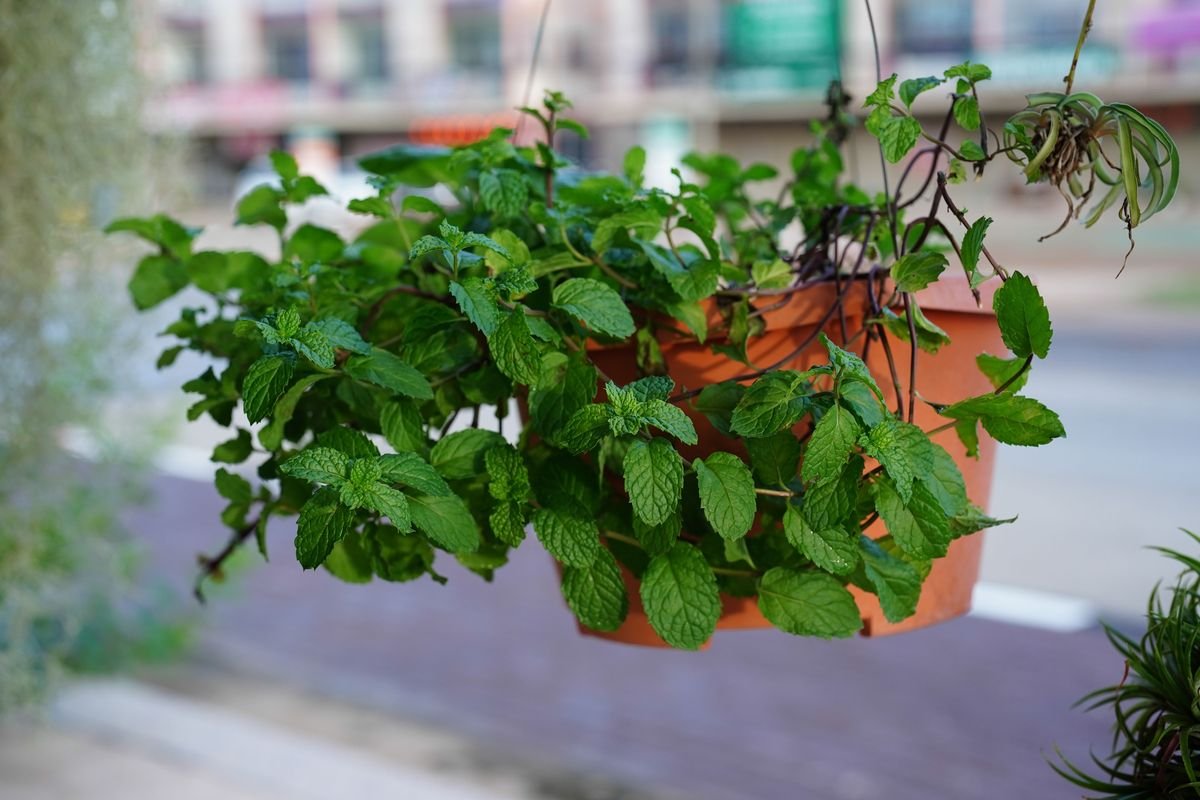
Mint plants are legendary for their intense scent and vigorous growth habits. Peppermint in particular contains high levels of natural menthol.
Menthol acts as a potent natural irritant to crawling insects. Because mint can spread aggressively in garden soil, grow it in standalone containers placed near your patio doors or windowsills.
Chrysanthemums
Chrysanthemums are more than just bright autumn perennials. These flowers naturally produce pyrethrins, which serve as nature’s own defense compound.
Pyrethrins affect the nervous system of many household insects, making mums a powerful companion plant. Plant them near outdoor seating areas or entrance paths to create a protective floral border.
Rosemary
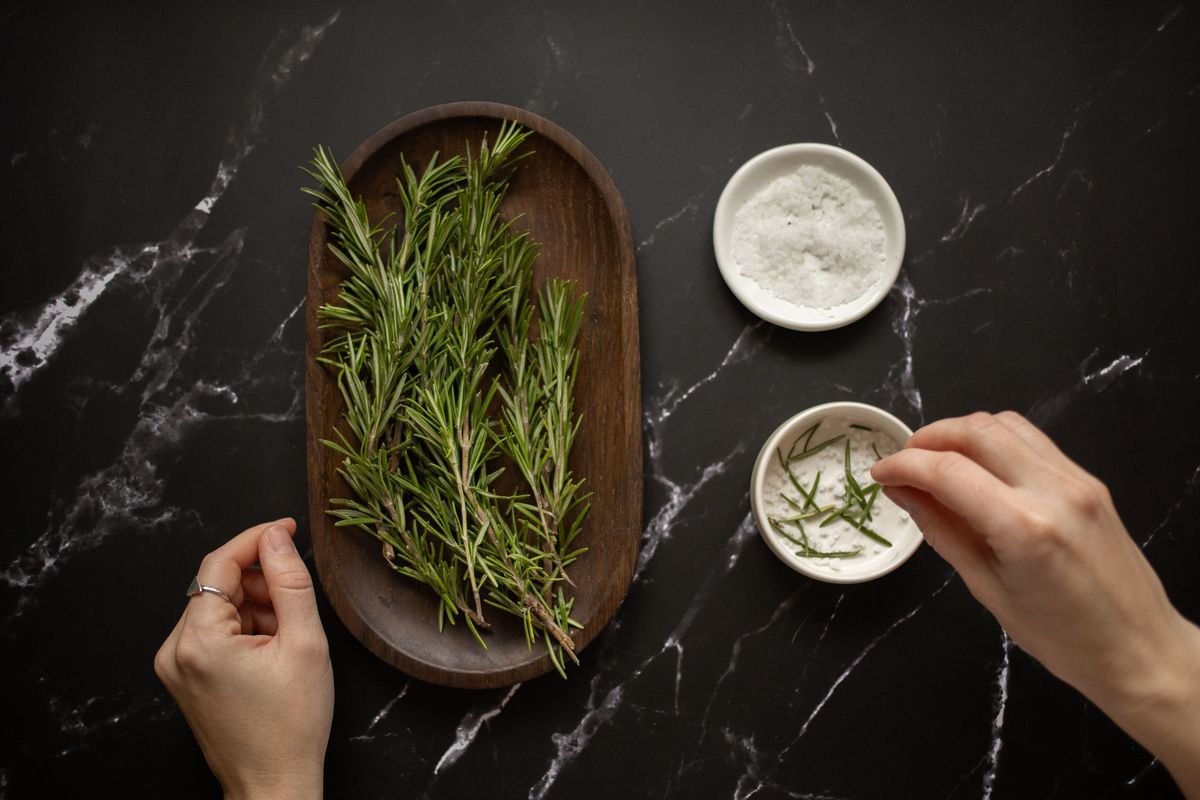
Rosemary is a hardy culinary herb packed with pungent, piney aromatic compounds. Its woody stems produce a persistent aroma that bugs go out of their way to avoid.
Growing rosemary in sunny pots near doorways creates an aromatic obstacle for pests trying to crawl inside.
Thyme
Thyme produces a strong chemical called thymol, which has natural antimicrobial and insect-repellent properties.
Bed bugs dislike the sharp scent of crushed thyme leaves. This low-growing ground cover works well in patio pots, rock gardens, or raised garden beds.
How to Harvest and Dry Garden Herbs
To get the strongest aroma from your garden plants, harvest them in the morning after the dew dries but before the afternoon sun gets hot.
- Cut healthy stems just above a leaf node using sharp, clean garden shears.
- Rinse the cut stems lightly with cool water and pat them dry with a clean cloth.
- Tie the stem bases together in small bundles using twine or rubber bands.
- Hang the bundles upside down in a warm, dry, well-ventilated room away from direct sunlight.
Herbs usually take between one and two weeks to dry completely until the leaves crumble easily between your fingertips.
Creating Repellent Sachets

Drying your garden herbs allows you to craft long-lasting pest deterrents for every room.
Strip the dried blossoms and leaves from the woody stems and mix them together in a bowl. Lavender, peppermint, and rosemary make a wonderful blended potpourri.
Spoon the dried herbal blend into small breathable cotton or muslin drawstring bags. You can tuck these sachets directly into places where pests like to hide.
- Between your mattress and box spring
- Inside dresser drawers and linen closets
- Inside travel suitcases after returning home from trips
- Under upholstered sofa cushions
Making Homemade Plant Sprays
You can also brew your fresh garden cuttings into a potent barrier spray.
Boil a generous handful of fresh mint, rosemary, or lavender in two cups of water for fifteen minutes. Allow the mixture to cool completely before straining the liquid through a fine mesh sieve.
Pour the infused herbal water into a clean spray bottle. Lightly mist entry doorways, window frames, baseboards, and luggage to build an aromatic barrier.
When to Call a Professional
Natural plant repellents work well for prevention and light deterrence, but established bed bug infestations require comprehensive treatment.
If you find live clusters, dark fecal spots on your bedding, or wake up with itchy bite clusters, contact a licensed pest control professional immediately. Use your garden herbs as a helpful supplemental defense rather than an exclusive cure for an active colony.
Garden Care for Strong Repellency
Healthy plants produce higher concentrations of essential oils than stressed plants. Make sure your repellent garden receives full sunlight and well-draining soil.
Avoid overwatering aromatic Mediterranean herbs like lavender and rosemary, as slightly dry conditions encourage them to concentrate their fragrant botanical oils.
Assess Your Home Bed Bug Risk Level
Answer 4 quick questions to see your result