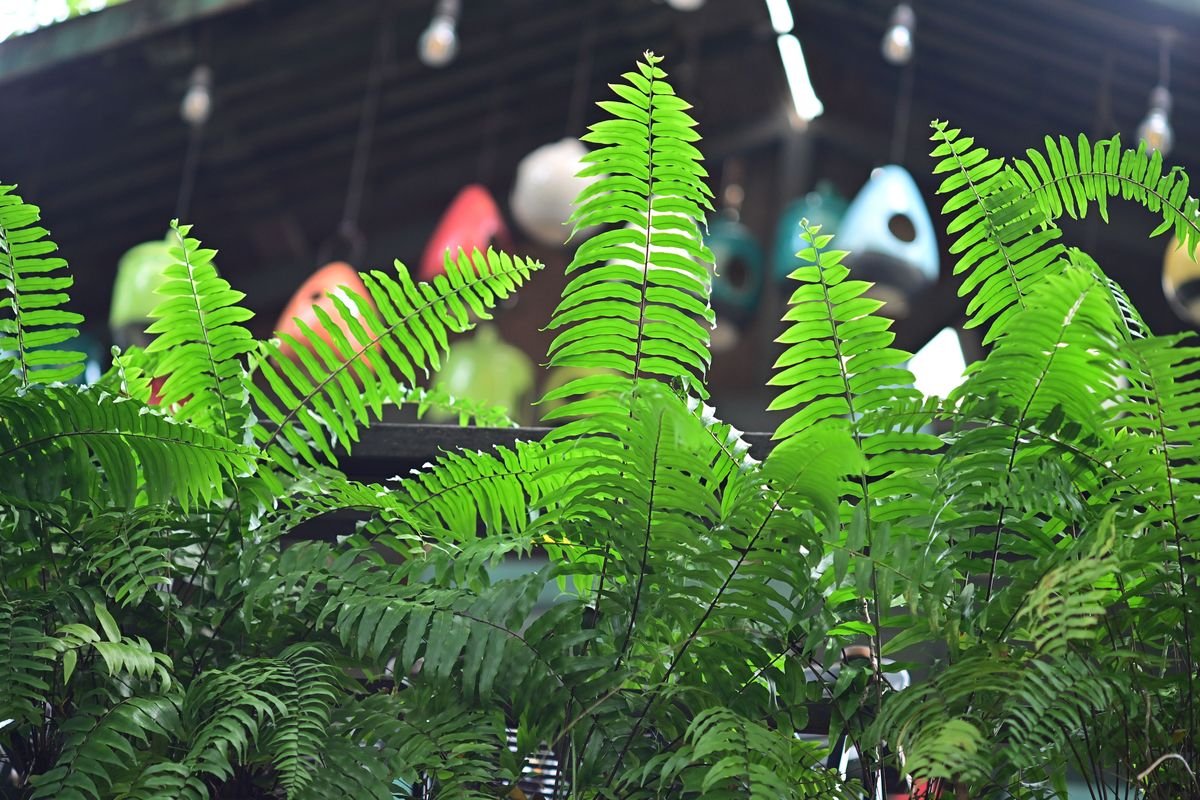
Boston ferns are beloved by gardeners for their lush, cascading fronds and vibrant green foliage. Whether you hang them on a front porch or plant them along a shaded garden border, they bring immediate charm and woodland elegance to your space.
If you live in an area with a large deer population, you know the sinking feeling of discovering your favorite plants stripped bare overnight. Understanding how wildlife interacts with your greenery is essential for keeping your yard beautiful and healthy throughout the growing season.
Do Deer Like to Eat Boston Ferns
The quick answer is that deer generally avoid eating Boston ferns.
Deer are selective foragers with specific digestive requirements and refined preferences. They naturally seek out tender, sweet, and nutrient-dense greenery that provides fast energy without upsetting their sensitive stomachs.
While a starving deer will sample almost any green plant when natural food sources are scarce, Boston ferns rank very low on their preferred menu. Under ordinary environmental conditions, deer will routinely walk right past a Boston fern to browse on hostas, daylilies, or fresh rosebuds instead.
Why Ferns Are Considered Deer Resistant
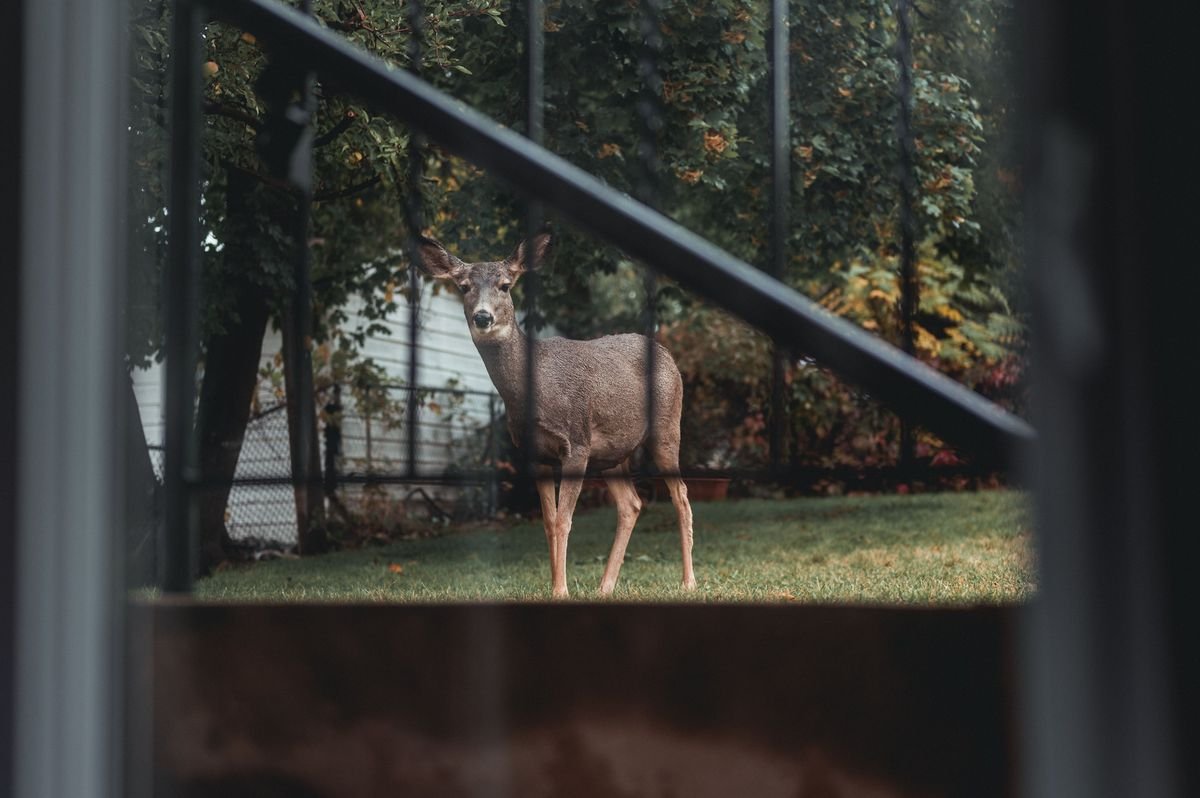
Boston ferns are widely classified as deer-resistant ornamental plants.
Deer resistance does not mean a plant is completely deer-proof, but it means deer will rarely target it unless they have no other options.
Several physical and chemical factors make ferns unappealing to browsing wildlife:
- Tough fibrous fronds that require heavy chewing
- A bitter, earthy flavor profile that herbivorous mammals dislike
- Low sugar and carbohydrate content compared to flowering perennials
- Complex chemical compounds that can cause mild stomach upset in large quantities
The Texture and Taste of Fern Fronds
The physical structure of a Boston fern leaf plays a major role in deterring grazing animals.
The fronds consist of numerous small, papery pinnae arranged along a wiry central stem. This texture feels rough and dry in a mammal’s mouth compared to the succulent, moisture-rich leaves of other shade plants.
Ferns also produce natural tannins and bitter compounds that warn herbivores to look elsewhere. Deer rely heavily on their keen sense of taste to avoid foliage that is difficult to digest or lacking in nutritional payoff.
Situations Where Deer Might Still Browse
Even though ferns are resistant, exceptional environmental pressures can force deer to change their normal feeding patterns.
During severe winter freezes or extended summer droughts, wild forage becomes extremely depleted. When native grasses, acorns, and tender shoots disappear, hungry deer become far less picky about what they consume.
Young fawns are also prone to testing various plants in spring as they learn which species are palatable. A fawn might take a few exploratory bites out of a Boston fern before moving on to better tasting options.
Regional Differences in Deer Feeding Habits
Deer behavior varies significantly depending on local herd density, climate, and available food supplies.
A herd living in a lush suburban neighborhood with abundant irrigated flower beds will ignore Boston ferns completely. In contrast, deer living in densely populated or drought-stressed rural zones may browse more aggressively on whatever green foliage remains standing.
It is always wise to observe local wildlife activity in your immediate neighborhood. If other gardeners nearby report high browse pressure, your ferns may still benefit from extra protective measures during peak browsing months.
Other Wildlife That Feed on Boston Ferns
If you notice missing leaves or frayed stems on your Boston fern, deer might not be the actual culprits.
Several other wild animals and backyard visitors occasionally nibble on fern foliage or disturb root systems while foraging for shelter. Identifying the exact creature responsible is the first step toward stopping ongoing damage.
Beavers, rabbits, and groundhogs will occasionally clip fern stems. Beavers in particular are known to dig near moisture-loving shade plants to access tender rhizomes and underground root systems.
Domestic Pets Chewing on Fern Leaves
Household dogs and curious indoor-outdoor cats are often attracted to the long, arching fronds of hanging ferns.
Cats enjoy batting at the swaying leaflets, while puppies and active dogs sometimes chew on the foliage out of boredom or playful curiosity.
Fortunately, the true Boston fern (Nephrolepis exaltata) is non-toxic to both dogs and cats according to animal welfare organizations. While eating large amounts of plant matter can cause mild temporary vomiting or stomach upset, the plant poses no danger of systemic poisoning.
Rodents and Small Mammals in the Yard
Small yard creatures like voles, squirrels, and mice can cause subtle damage that resembles larger pest activity.
Squirrels frequently dig in the loose, peat-rich potting soil of hanging baskets and patio planters to bury nuts or search for grubs. In the process, they can snap delicate fern stems or expose sensitive root balls to drying air.
Voles may chew along the base of the plant near ground level, weakening the entire crown and causing whole fronds to turn pale and collapse.
Common Insect Pests That Damage Boston Ferns
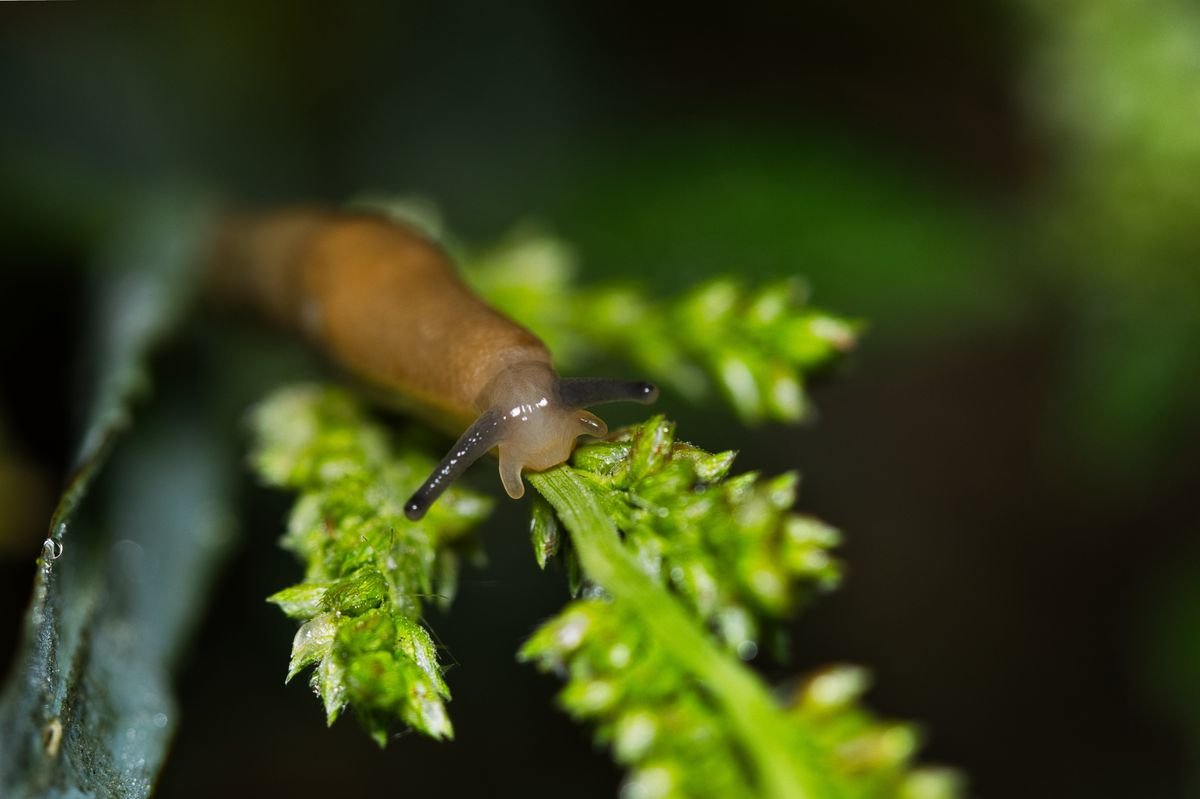
Insects and mollusks represent a far greater everyday threat to Boston ferns than grazing deer.
Because ferns thrive in humid, warm, and shaded settings, they share an ideal habitat with several garden pests. These tiny invaders can quickly disfigure lush green fronds if left unchecked.
Regularly inspecting the undersides of leaves and the interior crown allows you to catch infestations early before severe leaf drop occurs.
Sucking Pests and Honeydew Damage
Sap-sucking insects are among the most persistent pests affecting both indoor and outdoor Boston ferns.
Scale insects, mealybugs, and whiteflies pierce the outer tissue of the pinnae to extract plant juices. Over time, this feeding weakens the fern, causing yellow stippling, leaf loss, and stunted growth.
These pests also secrete a sticky substance known as honeydew, which attracts ants and promotes the growth of unsightly black sooty mold across the fronds. Rinsing the foliage with gentle water sprays or applying horticultural soaps helps control these infestations.
Caterpillars Snails and Chewing Insects
Chewing pests leave distinct structural damage that is easy to spot on fern leaves.
Snails and slugs glide across the moist soil and foliage during damp evenings, chewing irregular holes through the centers and margins of fronds. They leave characteristic silvery slime trails across the leaves and surrounding containers.
Certain caterpillar species also feed voraciously on fern fronds, rapidly skeletonizing entire sections of the plant. Hand-picking caterpillars and placing shallow beer traps for slugs are effective, non-toxic ways to manage these pests.
Reliable Ways to Protect Your Outdoor Plants
Keeping deer out of your garden requires an integrated approach that combines plant choices, physical barriers, and active deterrents.
Deer are creatures of habit. Once they establish a regular walking path through your yard, you must introduce noticeable changes to discourage them from returning.
Using multiple complementary strategies creates a layered defense system that keeps your landscape safe throughout the entire growing season.
Using Scent and Taste Repellents
Commercial and homemade repellent sprays utilize pungent odors and bitter flavors to keep deer at bay.
Effective sprays often contain ingredients like putrescent egg solids, garlic oil, clove extract, or hot pepper capsaicin. These scents trigger a natural danger reflex in deer without harming the plants.
For best results, keep these application guidelines in mind:
- Apply sprays thoroughly to all exposed foliage during dry weather
- Reapply every two to four weeks as new growth emerges
- Spray immediately after heavy rainfall to renew the protective scent barrier
- Rotate between two different spray formulas so deer do not grow accustomed to one scent
Building Physical Barriers and Fencing
Physical barriers provide the most dependable protection against deer browsing.
A standard garden fence must stand at least seven to eight feet tall to prevent an adult deer from jumping over it. If local zoning restricts fence height, installing a double fence with four to five feet of space between layers creates visual depth that deer will refuse to jump.
For potted Boston ferns, suspending them from high porch rafters or sturdy shepherd hooks places them well above the normal browsing reach of passing wildlife.
Motion Deterrents and Visual Scares
Startling devices can effectively keep deer from settling into your garden space.
Motion-activated sprinklers are among the most successful automated deterrents available. When a deer steps into range, a sudden burst of water and mechanical clicking sends the animal running without causing harm.
Solar-powered flashing predator lights, hanging aluminum pie tins, and wind chimes can also create an unpredictable environment that makes skittish wildlife feel unsafe.
Great Deer Resistant Plants to Pair with Ferns
Designing a deer-resistant landscape becomes much easier when you combine Boston ferns with other unpalatable companion plants.
Surrounding vulnerable species with heavily scented or textured greenery creates a natural perimeter that deer prefer to avoid.
Consider incorporating these reliable shade and partial-shade companions into your garden beds:
- Astilbe, which features feathery flower plumes and tough foliage
- Bleeding heart (Dicentra), offering elegant spring blooms and bitter leaves
- Lungwort (Pulmonaria), covered in rough bristly hairs that deter grazing
- Hellebores, which contain naturally unpalatable bitter alkaloids
- Sweet woodruff, a fragrant ground cover that spreads easily beneath taller ferns
Bringing Boston Ferns Indoors for Winter
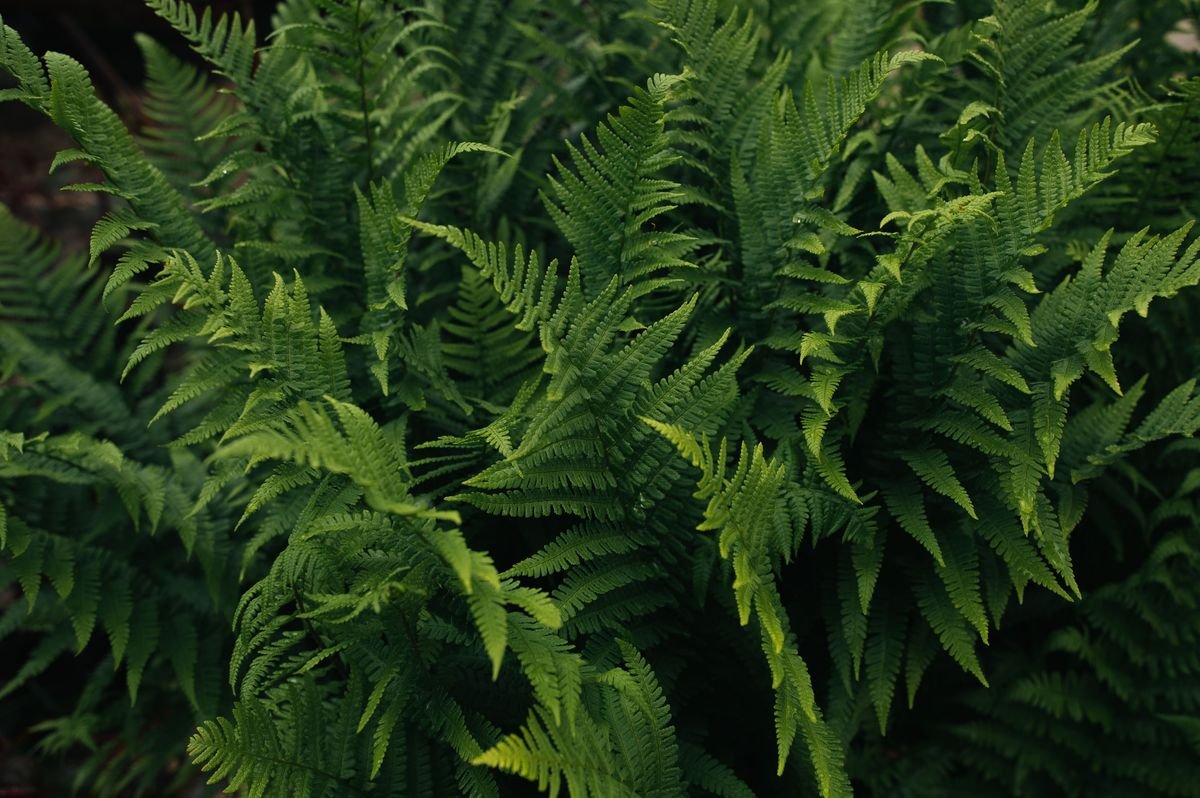
Boston ferns are tropical perennials that cannot survive freezing outdoor temperatures.
When nighttime temperatures drop consistently below 50 degrees Fahrenheit, it is time to transition your ferns indoors. This seasonal move protects the plant from cold damage while completely eliminating any chance of late-season deer browsing.
Before bringing the plant inside, give it a thorough gentle shower with a garden hose to dislodge lingering insects, rinse away dust, and hydrate the root ball. Place the fern in a brightly lit room with indirect sunlight and provide steady humidity to keep the foliage lush all winter long.
How Vulnerable Is Your Garden to Deer Damage
Answer 4 quick questions to see your result