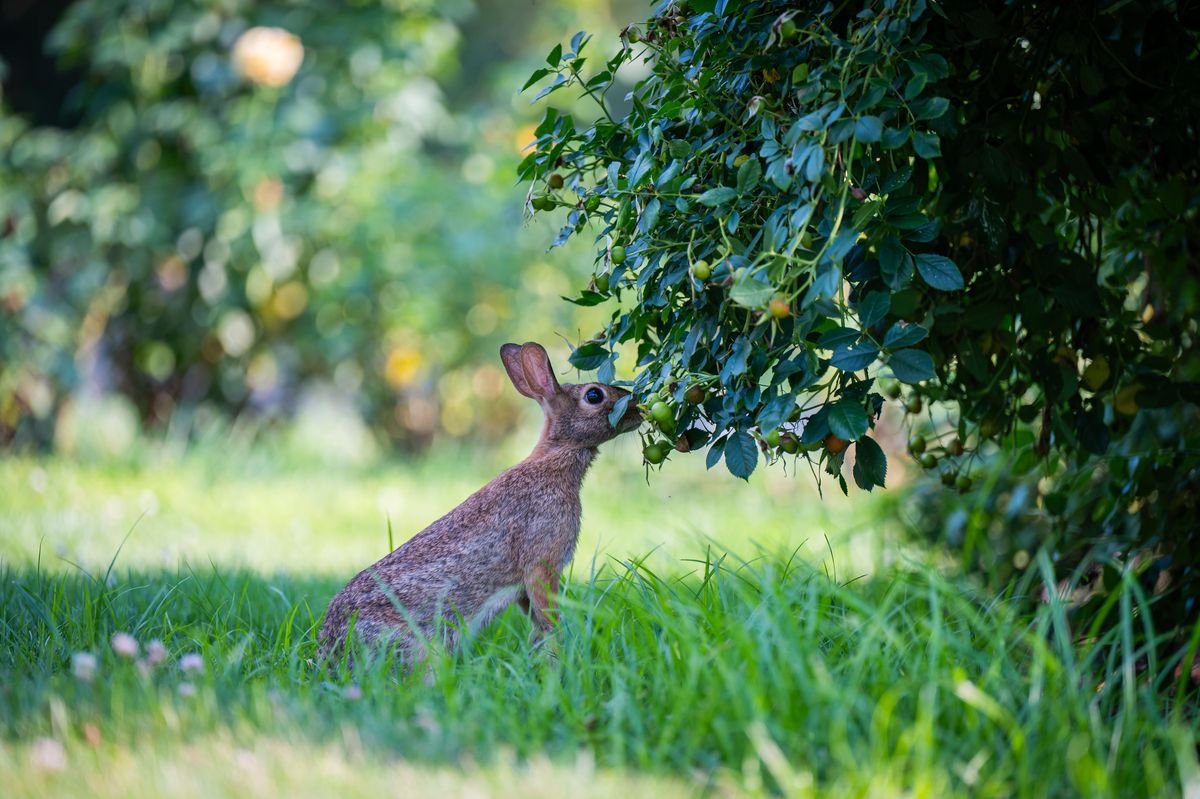
Few things in gardening are more satisfying than watching your tomato vines flourish under the summer sun. You spend weeks preparing soil, watering tender roots, and staking heavy stems, all in anticipation of that first juicy harvest.
Then, one morning you walk outside only to discover clipped stems, missing lower leaves, and severed seedlings. Wild rabbits are charming backyard visitors, but they can decimate a productive vegetable patch overnight if left unchecked.
The Appeal of Backyard Tomatoes
Tomatoes remain one of the most rewarding crops for home gardeners. They grow rapidly, produce generous yields, and provide incredible flavor compared to store-bought varieties.
Because home gardeners devote so much time and space to tomatoes, unexpected damage can feel devastating. Young tomato transplants are particularly vulnerable because their stems are tender, succulent, and located right at ground level where foraging wildlife can reach them easily.
Do Rabbits Really Eat Tomato Plants
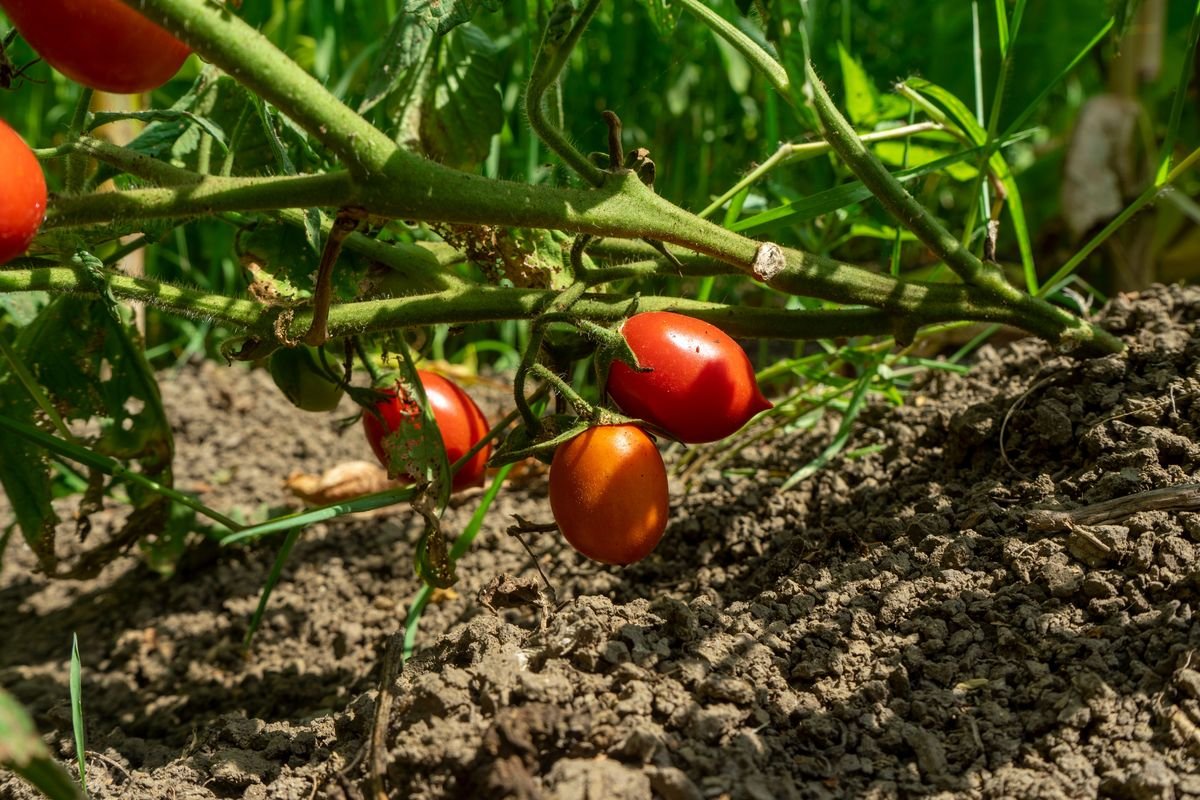
There is a common misconception that rabbits avoid tomato foliage because nightshade leaves contain bitter alkaloids called solanine. While mature tomato leaves are not a rabbit’s primary choice when lush clover or tender grass is abundant, hungry rabbits will happily feast on them.
Young tomato starts are especially appealing to rabbits because the chemical defenses in the plant are less concentrated. In spring and early summer, nursing mother rabbits and growing kits will eat almost any accessible green vegetation, including your prized tomato vines.
Even if adult rabbits do not swallow every bite of foliage, they often clip through main stems out of curiosity or to reach moisture.
Signs of Rabbit Damage in Your Garden
Before you invest in protective measures, you need to confirm that rabbits are the true culprits behind the damage. Several common pests, including deer, hornworms, and groundhogs, also feed on garden greenery.
Learning to spot the distinct hallmarks of rabbit feeding will help you apply the correct defensive strategy quickly.
Identifying Clean Bite Marks on Stems
Rabbits possess sharp upper and lower incisors that slice through plant tissue like miniature shears. When a rabbit bites a tomato stem or leaf petiole, it leaves a clean, angled cut, usually at a sharp 45 degree angle.
In contrast, deer lack upper incisors and must rip foliage away, resulting in ragged, torn edges and shredded stems. If your tomato shoots look like they were snipped off with pruning clippers, rabbits are almost certainly visiting your garden.
Noticing Missing Seedlings and Foliage
Rabbits focus primarily on vegetation located within eighteen inches of the ground. You will often notice that the lower canopy of a bushy tomato plant has been stripped bare while the upper leaves remain untouched.
Newly transplanted seedlings can disappear entirely in a single night. A single rabbit can chew multiple small tomato starts down to ground level in just a few minutes.
Spotting Droppings and Shallow Digging
Rabbits frequently leave physical evidence around their feeding zones. Look closely at the mulch or bare earth surrounding your tomato bed for small, round, pea-sized fecal pellets.
You may also spot shallow scrapes in loose garden soil. Female rabbits often dig slight depressions in soft earth when foraging for tender roots or testing ground for nesting sites.
Managing Your Yard and Garden Habitat
The most sustainable long-term defense against garden pests begins with habitat modification. Rabbits are prey animals that rely heavily on nearby cover to escape predators such as hawks, foxes, and neighborhood pets.
By making your property less hospitable to nesting and hiding, you naturally encourage rabbits to forage elsewhere.
Removing Brush Piles and Shelter
Take a walk around your yard and identify areas that offer dark, secure shelter. Clear away brush piles, stacks of firewood, overgrown weed patches, and dense groundcover near your garden perimeter.
- Keep lawn grass mowed short along garden borders to eliminate hiding spots.
- Seal off the undersides of garden sheds, low decks, and porches using hardware cloth.
- Prune the lower branches of low-hanging evergreen shrubs to open up sightlines.
When rabbits feel exposed in an open lawn, they are far less likely to linger near your tomato beds.
Installing Physical Fencing and Barriers
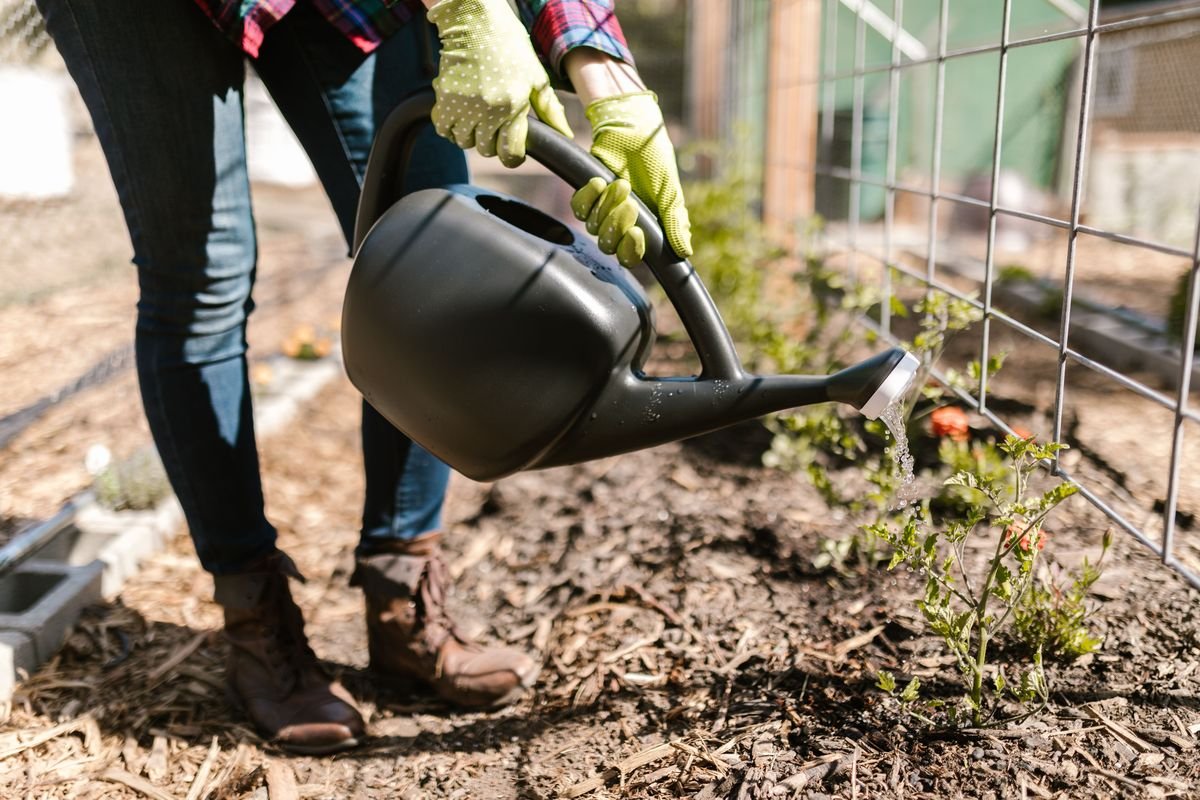
Physical barriers provide the single most dependable protection for edible crops. While repellents can wash away in rainstorms, a sturdy wire fence works continuously throughout the growing season.
Standard chicken wire or galvanized hardware cloth with openings of one inch or smaller works best. Avoid plastic netting, as rabbits can easily chew through thin synthetic strands in a matter of seconds.
Sinking Wire Below the Soil Line
Rabbits are skilled diggers and will readily burrow beneath fences that merely rest on the surface. To build an effective barrier, bury the bottom edge of your wire mesh at least six to twelve inches underground.
For extra security, bend the submerged bottom six inches of wire outward away from the garden bed in an L shape. When a rabbit tries to dig down at the fence line, its paws hit the horizontal mesh, stopping the burrowing attempt immediately.
The above-ground portion of the fence should stand at least two to three feet tall, which prevents most rabbits from leaping over it.
Natural Scent Repellents and Sprays
If you do not want to install full perimeter fencing, liquid and granular repellents can provide a helpful layer of defense. These products work through unpleasant odors or spicy tastes that deter herbivores.
- Garlic and hot pepper spray creates an irritating taste barrier on stems.
- Egg-based sprays emit a sulfurous scent as they dry, signaling predator danger to grazing animals.
- Castor oil granules create an unappealing smell when applied across garden soil.
- Blood meal sprinkled around borders adds nitrogen to soil while deterring rabbits with its scent.
Always reapply topical deterrents after heavy rainfall or overhead watering. Avoid spraying strong scent solutions directly onto ripening fruit close to harvest time.
Using Companion Plants to Deter Rabbits
Companion planting allows you to protect your tomato crop using natural botanical defenses. Planting strong-smelling herbs around the perimeter of your vegetable plot confuses a rabbit’s sensitive sense of smell and masks the scent of vulnerable crops.
Surround your tomato patch with aromatic plants such as rosemary, lavender, sage, thyme, and alliums like garlic and chives. Marigolds and nasturtiums also add vibrant color while deterring a wide variety of garden pests.
While companion planting rarely stops a starving rabbit on its own, it serves as an excellent supporting layer in an integrated pest management routine.
Humane Live Trapping Guidelines

When persistent rabbits refuse to leave your tomato patch despite fencing and repellents, humane live trapping may be considered as a last resort.
Place a humane wire cage trap near active rabbit runs or along garden fence lines. Bait the trap with fresh apple slices, carrot tops, or leafy greens during late afternoon, as rabbits do most of their foraging around dusk and dawn.
Always check local wildlife regulations before setting live traps. Many jurisdictions have strict laws regarding the relocation of wild animals, often requiring property owners to release animals on the same parcel of land. Check traps frequently to ensure trapped animals do not suffer from heat or stress.
How Vulnerable Are Your Tomato Plants to Rabbit Damage?
Answer 4 quick questions to see your result