When you start learning about houseplant care, almost every guide focuses on light. You read endless advice about bright indirect sunlight, south-facing windows, grow bulb wattage, and foot-candles. Light is essential because it powers the entire photosynthetic engine that keeps your greenery alive.
Yet many plant owners overlook the other half of the daily cycle. Darkness is not just empty time when nothing happens in your pots. Nighttime plays an active and critical role in plant biology, and skipping the dark period can quietly harm your indoor jungle over time.
What Happens to Plants at Night
A common misconception is that plants simply shut down and go to sleep when darkness falls.
Plants do not sleep like humans or animals, but their chemical processes change dramatically once the sun goes down. During the daytime, leaves absorb sunlight to fuel photosynthesis, which transforms water and carbon dioxide into sugars and oxygen.
When light disappears, photosynthesis immediately grinds to a halt because there is no photonic energy to drive the chemical reaction. However, the plant does not stop working. In fact, nighttime is when plants channel the energy they created during the day into cell division, stem extension, and root expansion.
Much of the actual physical growth you observe in your houseplants occurs during these dark hours when energy is moved where it is needed most.
Photosynthesis versus Respiration in Plants
To truly understand why darkness matters, you have to look at the balance between photosynthesis and cellular respiration.
Photosynthesis happens exclusively in the presence of light. It takes carbon dioxide from the air and water from the soil, producing glucose for energy and releasing oxygen as a byproduct.
Respiration, on the other hand, is the process where a plant breaks down those stored sugars to fuel cellular maintenance and growth. Plants respire continuously, both day and night, just like animals do.
During respiration, the plant consumes oxygen and releases carbon dioxide. In bright daylight, the rate of photosynthesis is so high that it completely masks respiration. At night, when photosynthesis stops, respiration becomes the primary active metabolic pathway, allowing the plant to convert stored starches into structural tissue.
Why Darkness Is Crucial for Plant Health
If plants create food through photosynthesis, you might wonder why keeping the lights on 24 hours a day is not better for them.
Plants are biological systems that evolved under natural cycles of day and night. Constant light forces a plant to keep its photosynthetic machinery running without rest, which can lead to severe physiological stress.
Continuous illumination causes metabolic imbalances. In many species, excess carbohydrates accumulate in the foliage because the plant cannot transport and process sugars as fast as it creates them. This buildup can damage chloroplasts and lead to premature leaf aging, yellowing, and stunted roots.
Darkness gives plants the necessary downtime to translocate carbohydrates from leaves down into the root system and up into fresh growing tips.
Understanding Plant Circadian Rhythms
Just like humans, plants possess an internal biological clock known as a circadian rhythm.
This 24-hour internal clock regulates everything from stomatal opening and enzyme production to leaf movements and scent release. Many plants physically adjust their foliage between day and night, a phenomenon known as nyctinasty.
Specialized photoreceptor proteins, including phytochromes and cryptochromes, act as sensors that detect light quality and day length. These sensors send signals throughout the plant tissue to set its internal clock.
If you expose a plant to constant uninterrupted light, you disrupt these delicate internal mechanisms. The plant becomes confused about when to open its stomata, when to synthesize defensive compounds, and when to prepare for seasonal shifts.
How Photoperiodism Triggers Flowering
Photoperiodism is the biological response of an organism to the relative lengths of daylight and darkness.
For many flowering plants, the length of the uninterrupted dark period is the exact trigger that tells them when to switch from vegetative growth to blooming. Plants measure the length of the night with remarkable accuracy using phytochrome pigments.
Even a brief flash of light during a dark cycle can reset the internal timer of a sensitive plant and completely prevent it from developing flower buds.
Understanding photoperiodism allows indoor gardeners to manipulate lighting schedules to encourage stubborn houseplants to bloom on cue.
Long Day Plants and Short Day Plants
Botanists categorize flowering plants based on how they respond to night lengths.- Short-day (long-night) plants: These plants only form flower buds when the night exceeds a specific duration. Classic examples include poinsettias, chrysanthemums, and holiday cacti (such as Thanksgiving and Christmas cactus). They require long, unbroken nights of 12 to 14 hours in autumn to bloom.
- Long-day (short-night) plants: These species initiate blooms when the night falls below a critical threshold, usually in late spring and summer. Examples include spinach, lettuce, clover, and carnations.
Day Neutral Plants and Their Habits
Not all plants rely on photoperiodism to determine when they produce blooms.
Day-neutral plants initiate flowering based on developmental maturity, overall health, or temperature rather than day length. Examples include tomatoes, corn, roses, and many tropical foliage houseplants like pothos and monstera.
While day-neutral houseplants do not need specific night lengths to bloom or thrive, they still require a nightly period of darkness to complete their regular metabolic and respiratory cycles efficiently.
The Role of Darkness in Seed Germination
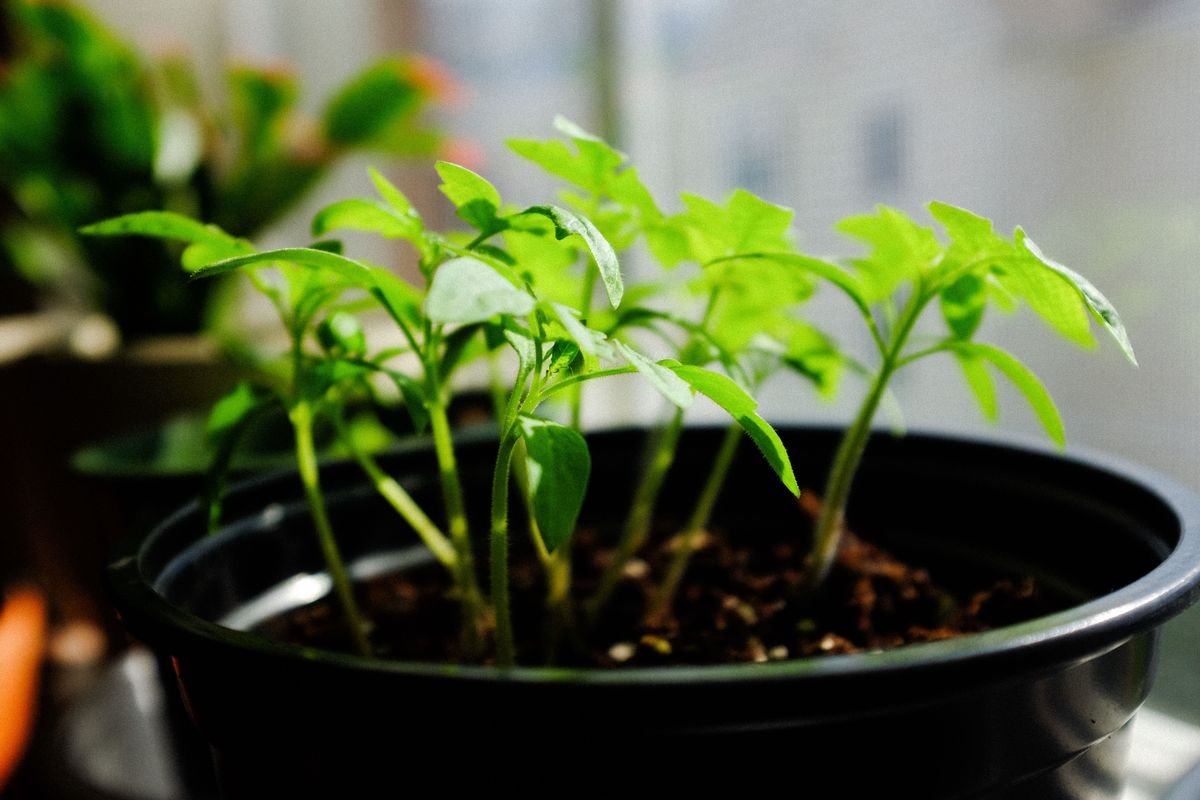
Darkness is equally critical when starting plants from seed.
Most seeds naturally fall onto the ground and become buried beneath soil, leaf litter, or mulch. Darkness serves as a reliable environmental signal that the seed is safely underground, where moisture levels are stable enough to support early root development.
If a seed sprouts exposed on the surface of dry soil, the delicate emerging radicle (the embryonic root) can dry out and perish within hours under direct sunlight.
Many common garden seeds, such as beans, peas, sunflowers, and squash, require complete darkness to break dormancy and begin cell division.
Seeds That Need Light to Sprout
While most garden seeds prefer burial, there are several notable exceptions that demand light to germinate. These seeds are typically dust-like and very small, with tiny endosperms that hold limited stored energy. If they are buried too deeply in the dark, they will exhaust their energy reserves before their green shoots ever reach the surface.- Houseplants and annuals: Begonias, petunias, coleus, and impatiens need direct light on the soil surface to germinate.
- Vegetables and herbs: Lettuce, celery, dill, and savory require surface sowing without soil cover.
Can Houseplants Grow Under Constant Light
You might wonder if you can accelerate the growth of your indoor plants by leaving an LED grow light on around the clock.
While some commercial seedlings can tolerate 24-hour light for a few days to speed up initial growth, sustained continuous light is harmful to almost every houseplant.
Over time, plants grown under non-stop light develop physiological disorders. Their leaves may curl downward, show patchy yellow chlorosis, or turn pale and brittle.
The absence of a rest period wears down the plant’s cellular defenses, making it significantly more susceptible to opportunistic pests like spider mites and thrips.
Signs Your Plant Is Getting Too Much Light
Recognizing light stress early allows you to correct lighting schedules before permanent damage occurs. Look for these key symptoms if you suspect your houseplant is receiving too many hours of light or light that is too intense:- Faded or bleached foliage: Leaves lose their rich deep green hue and take on a washed-out or silvery appearance.
- Crispy brown leaf edges: Foliage dries out rapidly at the tips and margins despite consistent watering.
- Leaf scorch patches: Dry, papery spots develop on the upper surfaces of leaves directly facing the light source.
- Downward curling or cupping: Leaves fold themselves inward or turn away to minimize surface exposure to light rays.
Best Low Light Houseplants for Dim Rooms
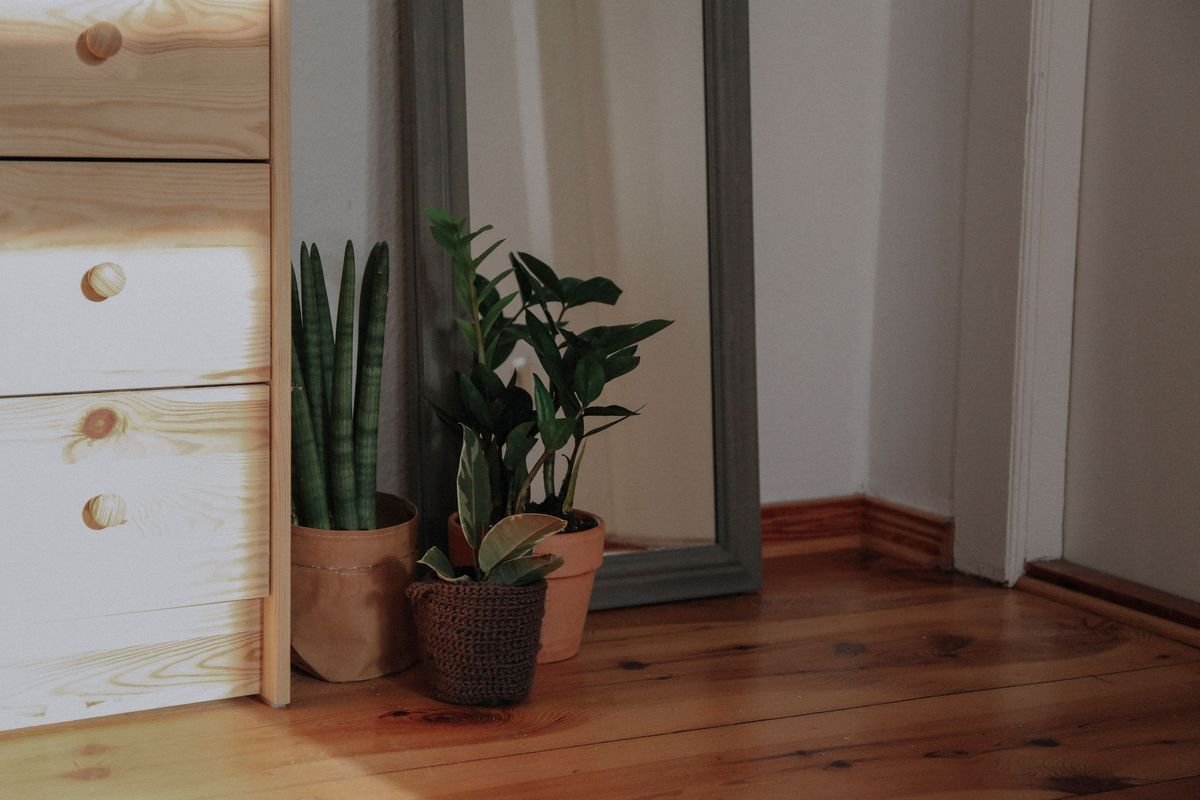
If your home lacks bright natural sunlight, you do not need to leave grow lights running all night to compensate. Instead, choose resilient plant varieties that naturally thrive in shaded understory conditions. Here are some of the best low-light houseplants for darker rooms:- Snake Plant (Sansevieria): Extremely hardy, tolerates long dry periods and dim corners with ease.
- ZZ Plant (Zamioculcas zamiifolia): Features glossy leaves that store water and perform well under standard fluorescent lighting.
- Cast Iron Plant (Aspidistra elatior): Earned its name for surviving neglect, drafty rooms, and deep shade.
- Pothos (Epipremnum aureum): A fast-growing vining plant that adapts to low light while maintaining attractive foliage.
- Peace Lily (Spathiphyllum): Thrives in shaded spots and signals clearly when it needs water by gently drooping.
- Chinese Evergreen (Aglaonema): Offers colorful patterned foliage that stays vibrant even in low-light conditions.
Setting Up Artificial Lights with Timers
Grow lights are a fantastic tool for indoor plant parents, especially during dark winter months.
However, manually turning lights on every morning and off every evening is easy to forget. Inconsistent lighting schedules confuse your plants and hinder steady growth.
The most practical solution is to plug your grow lights into an inexpensive mechanical or digital outlet timer. For standard tropical houseplants, aim for a schedule of 12 to 14 hours of light followed by 10 to 12 hours of uninterrupted darkness.
Smart plugs connected to home automation apps work exceptionally well, letting you adjust schedules according to seasonal changes with just a few taps on your smartphone.
Light Spectrum Needs for Indoor Growing
When picking artificial light for your indoor setup, spectrum quality matters just as much as daily duration. Different wavelengths of light trigger distinct biological reactions within plant tissue:- Blue light (400 to 500 nm): Promotes compact, bushy foliage growth and strong root development. It is crucial for vegetative foliage plants.
- Red light (600 to 700 nm): Stimulates flowering, fruit setting, and seed germination when paired with appropriate photoperiods.
- Full-spectrum white light: Mimics natural sunlight by providing a balanced blend of red, blue, and green wavelengths, making it the most versatile and visually appealing choice for living spaces.
Is Your Houseplant Lighting Schedule Healthy?
Answer 4 quick questions to see your result