Most plant parents know that green leaves need water, sunlight, and fertile soil to thrive. Yet one of the most critical building blocks for plant life is an invisible gas floating all around your living room.
Carbon dioxide is often viewed simply as an environmental waste product or an exhaust gas from human activity. For plants, however, it serves as the literal foundation for building stems, leaves, roots, and flowers. Without a steady supply of this gas, plants would quickly starve.
The Role of Carbon Dioxide in Plant Growth
Carbon dioxide provides the carbon atoms that make up the physical structure of every plant on Earth. When you look at a towering oak tree or a trailing pothos vine, most of that dry plant matter was pulled directly out of thin air.
Plants take in carbon dioxide through microscopic openings in their leaves called stomata. These tiny pores open and close based on light, humidity, and the internal moisture levels of the plant.
Once carbon dioxide enters the leaf tissue, it moves into specialized cellular structures called chloroplasts. Here, the plant combines the carbon from the air with hydrogen from water to create glucose. This sugar acts as food for the plant and provides energy for ongoing cellular growth.
How Photosynthesis Works Inside Leaves
Photosynthesis is the fundamental biochemical process that fuels nearly all plant life. It requires three main ingredients: light energy, water, and carbon dioxide.
When light strikes the chlorophyll pigments inside a leaf, it triggers a reaction that splits water molecules into hydrogen and oxygen. The plant releases the unused oxygen back into the atmosphere through its stomata.
Next, the plant uses the remaining hydrogen alongside the carbon dioxide absorbed from the air to build carbohydrates. If you eliminate carbon dioxide from this chemical formula, the entire production line stops immediately. The plant can have full sun and perfect watering, but it cannot produce food without carbon.
Do Plants Need Carbon Dioxide to Stay Alive
The simple answer is yes. A plant cannot survive indefinitely without carbon dioxide.
In a theoretical environment completely stripped of carbon dioxide, a plant would quickly exhaust its internal sugar reserves. Once stored energy is depleted, cell division halts, leaves begin to deteriorate, and the plant eventually dies.
However, plants also respire just like humans do. During respiration, especially in the dark when photosynthesis cannot occur, plants consume oxygen and release small amounts of carbon dioxide. In a completely sealed, sterile glass container with light, a plant can cycle small amounts of carbon between daytime photosynthesis and nighttime respiration for a limited time. Eventually, without outside carbon input, growth stalls.
How Much Carbon Dioxide Is in the Air

- Outdoor fresh air: 400 to 420 ppm
- Well-ventilated living spaces: 500 to 800 ppm
- Crowded rooms with closed windows: 1,000 to 2,000 ppm
- Commercial grow tents with enrichment: 1,000 to 1,500 ppm
What Happens When Carbon Dioxide Levels Drop
Plants are remarkably resilient and can continue photosynthesizing even when carbon dioxide levels fall below standard atmospheric averages.
Most common plants can survive in environments where carbon dioxide drops to around 200 ppm, though their growth rate slows dramatically. The absolute lower threshold for most foliage plants is around 150 ppm. Below this critical limit, photosynthesis drops to zero because the plant burns more energy trying to capture carbon than it gains from the resulting sugars.
In practical home settings, it is virtually impossible for carbon dioxide levels to drop this low. Even in tightly insulated apartments, normal air leakage and household respiration keep levels well above the danger zone.
Can Plants Get Too Much Carbon Dioxide
In controlled agricultural setups, increasing carbon dioxide levels can actually accelerate plant growth. When plants have abundant light, warm temperatures, and plenty of water, raising carbon dioxide to 1,200 ppm can increase foliage production by twenty to thirty percent. However, there is an upper limit to what plants can process. When carbon dioxide levels exceed 2,000 ppm, several negative side effects begin to appear:- Leaf edges may turn brown or show signs of scorch
- Stomata close tightly, which reduces the plant’s ability to cool itself via transpiration
- Nutrient uptake from the soil slows down, causing pale or stunted new leaves
- Overall plant metabolism becomes sluggish despite abundant light
Supplemental Carbon Dioxide for Indoor Growers
Commercial greenhouses and specialized indoor growers often supplement their spaces with extra carbon dioxide using compressed gas tanks or specialized propane burners. This technique is designed to maximize crop yield in high-intensity setups.
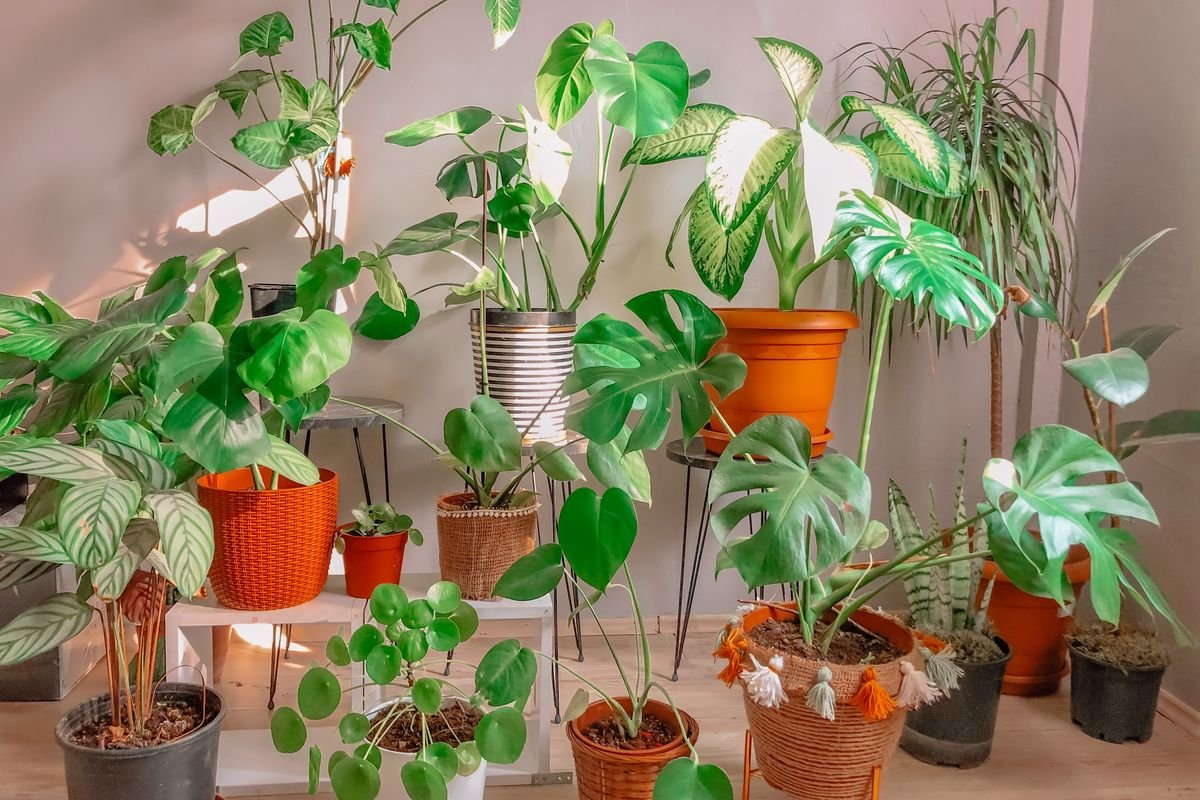
For standard houseplants like monsteras, snake plants, and philodendrons, supplemental carbon dioxide is completely unnecessary. These plants do not have the intense lighting or rapid nutrient delivery systems needed to utilize extra carbon efficiently.
Attempting to inject concentrated carbon dioxide into a standard home living space is expensive, inefficient, and potentially dangerous to the humans living in the house.
Safety Risks of High Carbon Dioxide Indoors
While plants enjoy moderate amounts of carbon dioxide, high concentrations pose serious health risks for people and pets.
When carbon dioxide in a home rises above 1,000 ppm, people often begin to feel sluggish, sleepy, and unfocused. If levels climb above 2,500 ppm due to poor ventilation or improper equipment, symptoms can include headaches, elevated heart rate, dizziness, and shortness of breath.
True carbon dioxide poisoning, known medically as hypercapnia, occurs in extreme conditions where oxygen is displaced. For this reason, maintaining fresh air exchange through open windows or mechanical ventilation is far more important for your health than trying to boost gas levels for your plants.
Other Essential Elements Plants Need Daily
Carbon dioxide is only one part of the nutritional puzzle. Even with optimal carbon levels, plants will fail if their other fundamental needs are neglected. To build healthy cell walls, maintain lush green color, and develop robust root systems, houseplants rely on several key soil-based minerals:- Nitrogen: Drives vibrant green leaf and stem development
- Phosphorus: Encourages strong root growth and bloom production
- Potassium: Regulates water movement and strengthens disease resistance
- Secondary minerals: Calcium, magnesium, and sulfur for enzyme and cell wall support
How Airflow and Ventilation Help Houseplants
While you do not need to worry about running out of carbon dioxide in your home, you should pay close attention to air movement.
In stagnant rooms, a microclimate forms immediately around a plant’s leaves. The plant quickly absorbs the carbon dioxide right next to its leaf surface, creating a localized pocket of depleted air. At the same time, moisture accumulates around the foliage, increasing the risk of fungal infections and mold.
Running a gentle ceiling fan or an oscillating fan on low speed keeps the air circulating. This steady air movement continuously brings fresh carbon dioxide into contact with leaf surfaces while keeping foliage dry and pest-resistant.
Common Myths About Plant Respiration
A common misconception is that plants only breathe in carbon dioxide and exhale oxygen. In reality, plants carry out both photosynthesis and cellular respiration.
During bright daylight hours, the rate of photosynthesis is much higher than the rate of respiration. As a result, the plant is a net producer of oxygen and a net consumer of carbon dioxide.
At night, when light is absent, photosynthesis shuts down completely. The plant continues to metabolize stored sugars, which means it takes in small amounts of oxygen and releases small amounts of carbon dioxide. Some people worry that sleeping in a room filled with plants will deplete oxygen levels, but the amounts exchanged by a few houseplants are so small that they have no measurable impact on human breathing.
Practical Tips for Balancing Light and Air
Keeping your plants healthy and actively photosynthesizing is simple once you understand how light and air work together.
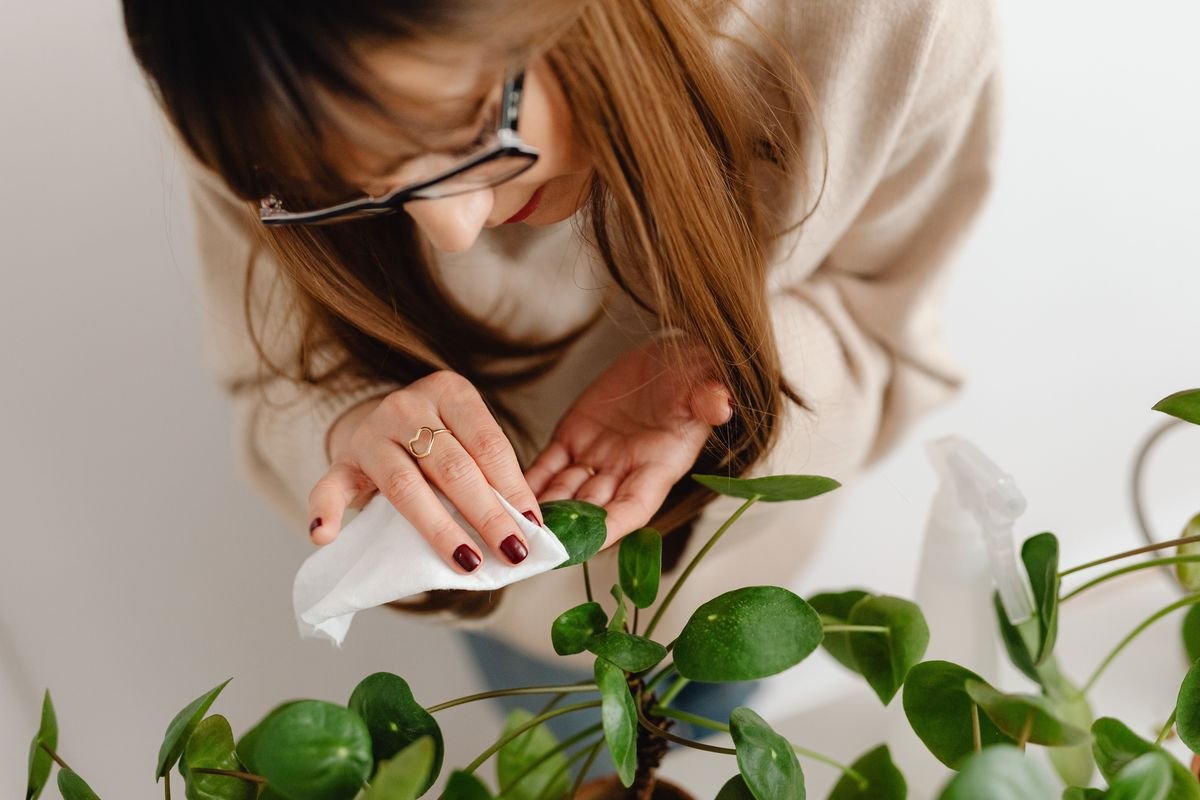
First, wipe down dusty leaves with a damp cloth every few weeks. Dust layers block sunlight and physically clog stomata, making it harder for the plant to absorb carbon dioxide efficiently.
Second, ensure your plants receive adequate light according to their species requirements. Carbon dioxide cannot be processed without photons powering the cellular machinery. Pair bright, indirect light with gentle air movement, and your indoor jungle will naturally flourish without any special gas treatments.