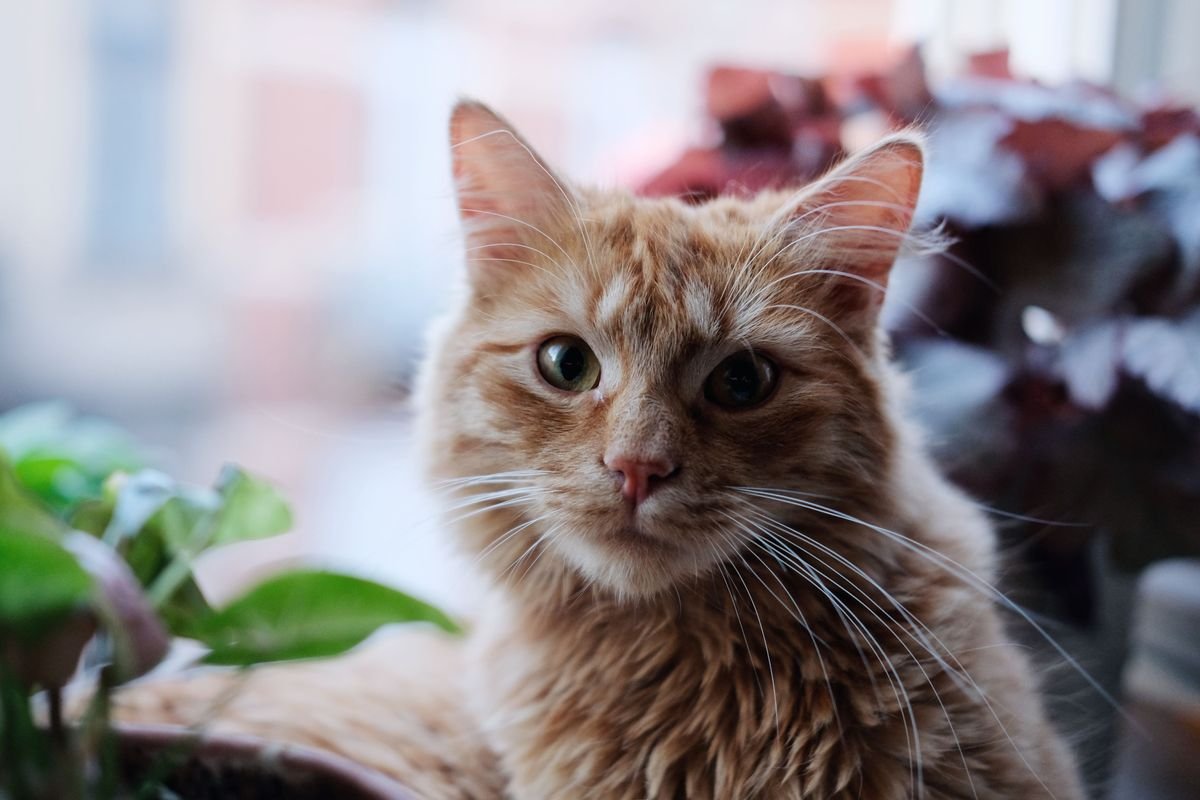
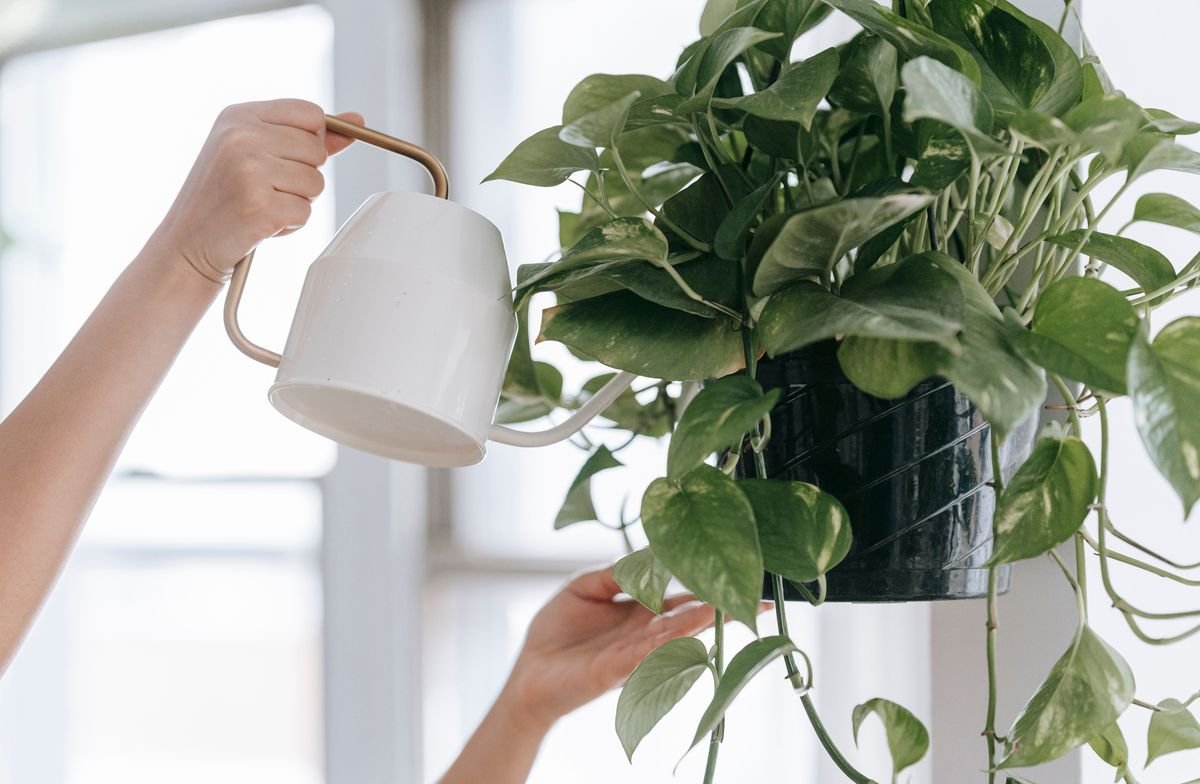
Pothos plants are among the most popular houseplants in the world thanks to their hardiness, fast growth, and trailing green foliage. Whether you are caring for a classic Golden Pothos or a striking Marble Queen, these vines add vibrant life to any indoor space.
If you share your living space with a curious feline companion, you might wonder whether your leafy trailing plant is truly safe. Unfortunately, pothos plants are toxic to cats when chewed or ingested, making it essential for pet parents to understand the risks, symptoms, and prevention strategies.
Are Pothos Plants Dangerous to Cats
Pothos plants, scientifically known as Epipremnum aureum, are definitely toxic to cats, dogs, and other small domestic animals.
While the plant is rarely lethal when standard household exposures occur, it contains chemical defense mechanisms that cause immediate pain and uncomfortable physical reactions in feline oral tissues.
Your cat does not need to eat an entire stem to feel the negative effects. Taking even a single exploratory nibble on a leaf can trigger a painful stinging sensation across the lips, gums, and tongue.
Simply brushing past the leaves or sleeping near the pot will not poison your cat. The danger arises strictly when your pet bites, chews, punctures, or swallows any portion of the plant material.
Understanding the Araceae Family
Pothos belongs to the Araceae plant family, which is commonly referred to as the arum or aroid family. This botanical group contains hundreds of popular indoor cultivars that share similar defensive properties.
Many common houseplant favorites belong to this exact botanical group. These plants include:
- Philodendrons in all climbing and self-heading forms
- Dieffenbachia, often called dumb cane
- Monstera deliciosa and Swiss cheese vines
- Peace lilies, known botanically as Spathiphyllum
- Aglaonema, widely known as Chinese evergreens
- Caladiums and elephant ears
Because all aroid plants share similar internal structures, they pose virtually identical risks to household pets. If you own several species from this family, you will need to apply consistent safety precautions throughout your home.
What Makes Pothos Plants Toxic
The toxic nature of pothos plants does not stem from a systemic chemical poison or metabolic toxin. Instead, the plant relies on a specialized microscopic mechanical defense mechanism.
Pothos tissue contains insoluble calcium oxalate crystals packaged tightly inside specialized defensive cells called idioblasts.
These tiny crystals, known as raphides, are shaped like microscopic double-pointed needles. They are manufactured by the plant specifically to deter herbivores from grazing on tender foliage in the wild.
When combined with biological enzymes found inside the plant sap, these crystals create an aggressive physical irritation the moment cell walls are ruptured.
How Insoluble Calcium Oxalate Crystals Work
Insoluble calcium oxalate crystals differ significantly from soluble oxalates found in certain garden vegetables. Because they are insoluble, they do not dissolve in water, digestive juices, or feline saliva.
Instead, these microscopic needles maintain their sharp, rigid form when exposed to moisture.
When a cat bites into a leaf, the mechanical pressure breaks the plant cells. The idioblast cells rapidly absorb surrounding fluids, swell up, and forcibly shoot hundreds of needle-like raphides outward in all directions.
These tiny needles physically pierce the sensitive mucous membranes lining your cat’s mouth, tongue, pharynx, and esophagus.
The Cellular Reaction When Chewed
Once the calcium oxalate crystals penetrate feline oral tissues, they trigger an immediate localized inflammatory response.
The body releases histamine and other inflammatory compounds in an attempt to respond to the microscopic physical injuries.
This rapid biological reaction leads to intense stinging, sudden heat, redness, and swelling throughout the mouth.
Because the pain occurs almost instantly, most cats drop the plant piece immediately rather than swallowing large amounts of foliage.
Common Signs of Pothos Toxicity in Cats
Recognizing the signs of pothos ingestion quickly allows you to take decisive action before swelling escalates.
Symptoms typically appear within seconds or minutes after your cat bites into a stem or leaf.
Every cat reacts differently based on the volume of plant tissue chewed, their overall body size, and their personal sensitivity to oral irritation.
Monitoring your pet closely for both behavioral changes and physical symptoms will help your veterinary team evaluate the severity of the incident.
Immediate Oral Irritation Symptoms
The earliest and most obvious symptoms of pothos poisoning occur directly inside and around the feline mouth.
You may notice several clear indicators of oral distress:
- Sudden, excessive drooling or thick frothy saliva
- Pawing frantically at the mouth, face, or whiskers
- Visible swelling of the lips, tongue, and soft palate
- Red, inflamed gums and oral tissues
- Head shaking or rubbing the jaw against furniture
- Refusal to eat dry food or drink water
Cats experiencing acute oral burning may also vocalize loudly, pace nervously around the room, or attempt to hide beneath low furniture.
Digestive and Respiratory Distress Signs
If your cat manages to swallow pieces of the pothos leaf or stem, secondary symptoms will develop further along the gastrointestinal tract.
Swallowing the sharp crystals can cause painful esophageal spasms and irritation of the stomach lining.
Watch carefully for these secondary warning signs:
- Frequent dry heaving or retching
- Vomiting clear liquid, foamy bile, or chewed green plant fragments
- Difficulty swallowing, known clinically as dysphagia
- Noticeable reduction in appetite lasting several hours
- Lethargy and reluctance to move around the house
In rare situations where extreme swelling occurs in the back of the throat, a cat might display shallow breathing, wheezing, or audible respiratory stridor. Any breathing changes require immediate emergency medical care.
What to Do if Your Cat Eats Pothos
Discovering that your cat has chewed on a toxic houseplant can be frightening, but remaining calm allows you to make clear, helpful decisions.
First, calmly remove any remaining plant material from your cat’s mouth or paws using a soft, damp washcloth.
Do not attempt to force your cat to vomit at home. Inducing vomiting can cause the sharp calcium oxalate needles to scrape across the esophagus a second time, multiplying the irritation and increasing the risk of aspiration into the lungs.
Contact your family veterinarian, an emergency veterinary clinic, or an animal poison control hotline right away for professional guidance.
First Aid Steps at Home
While preparing to consult your veterinarian, there are a few safe first aid measures you can perform at home to soothe your cat’s mouth.
Wipe your cat’s face and paws with lukewarm water to remove any residual sap before they groom themselves.
Offer a small bowl of cold fresh water or a spoonful of tuna water pressed from canned tuna packed in water without added salt or spices.
Some veterinarians recommend offering a tiny lick of plain, unsweetened yogurt or a teaspoon of cottage cheese. The dairy proteins and cool texture can help bind loose oxalate crystals and provide soothing relief to burning tissues.
Never administer human pain medications, antihistamines, or home remedies without explicit dosing instructions from a licensed veterinarian.
How Veterinarians Treat Pothos Toxicity
When you arrive at the veterinary clinic, the medical team will assess your cat’s vitals, check their airway, and inspect the oral cavity for severe tissue inflammation.
Veterinary treatment focuses on supportive care, pain alleviation, flushing away remaining physical crystals, and preventing dehydration.
Most cats respond exceptionally well to standard outpatient veterinary therapies.
Medications and Stomach Lavage
Depending on the severity of the symptoms, your veterinarian may use several clinical interventions to bring quick relief.
Common veterinary treatments include:
- Thorough oral irrigation using sterile saline to flush away lingering crystal bundles.
- Administration of antihistamines or anti-inflammatory drugs to reduce tissue swelling.
- Injectable antiemetic medications to halt persistent nausea and vomiting.
- Subcutaneous or intravenous fluids to combat dehydration and support kidney function.
- Gastrointestinal protectants to coat and soothe the stomach lining.
In rare cases where large amounts of plant matter were ingested, a veterinarian might perform gastric lavage under mild sedation to rinse the stomach clean before further irritation develops.
Expected Recovery Timeline
The overall prognosis for cats exposed to pothos plants is overwhelmingly positive.
Because the mechanical irritation happens so quickly, most cats ingest only negligible amounts of plant tissue before halting their chewing.
Oral discomfort and drooling generally begin to subside within two to four hours following medical treatment.
Most cats make a complete recovery within twelve to twenty-four hours, returning to their normal energy levels, playful habits, and regular feeding routines.
Your veterinarian may advise feeding a soft or wet food diet for a day or two to keep your cat comfortable while delicate mouth tissues heal.
Can Eating Pothos Be Fatal to Cats
It is extremely rare for a pothos plant ingestion to prove fatal to a domestic cat.
Unlike truly lethal botanical species such as true lilies (Lilium species and Hemerocallis species), which cause acute and irreversible kidney failure in cats, pothos plants do not cause systemic organ failure.
The primary life-threatening risk associated with pothos ingestion is severe pharyngeal or laryngeal swelling that obstructs the upper airway.
Fortunately, such extreme swelling is exceptionally uncommon and almost exclusively tied to massive ingestion or rare individual allergic hypersensitivity.
Prompt veterinary attention ensures that potential complications are managed safely before they become critical.
Smart Ways to Keep Cats Away from Pothos
If you love pothos plants and refuse to part with your leafy collection, you must implement reliable strategies to separate your pet from the foliage.
Cats are agile, naturally curious, and drawn to moving green foliage, especially trailing vines that flutter in the breeze.
Relying on simple placement on an open bookshelf or tabletop is rarely enough to keep an athletic feline from reaching your plants.
Combining physical separation, vertical placement, and deterrent scents creates a secure environment for both your plants and your pets.
Use Hanging Planters and Ceiling Hooks
One of the most effective ways to display pothos safely is by suspending pots directly from solid ceiling hooks or high wall brackets.
Make sure your hanging planters are positioned well away from nearby launching pads like sofas, cat trees, bookshelves, or window sills.
A trailing pothos will naturally send long vines downward toward the floor over time.
Trim the trailing vines regularly so they never dangle low enough for a sitting or jumping cat to bat at them with paws.
Strategic Room Placement
Another straightforward approach is to keep all toxic plants restricted to rooms that remain off-limits to your pets.
Designating a pet-free sunroom, home office, or closed bathroom allows you to enjoy lush tropical greenery without monitoring your cat constantly.
Always ensure doors latch securely when you enter or leave the plant room.
If you have curious cats that dash through open doorways, check under furniture before closing the door to ensure your pet is not trapped inside with the plants.
Natural Scent Deterrents Cats Dislike
Cats possess an extraordinary sense of smell and actively avoid strong odors that humans often find fresh or pleasant.
You can use natural, non-toxic scents around your plant displays to discourage curious noses:
- Fresh citrus peels scattered across the soil surface or placed near the pot base
- A light misting of diluted lemon juice around the outer rim of the planter
- Planting fresh culinary rosemary in nearby pots, which cats naturally dislike
- Bitter apple deterrent sprays designed specifically for pet training
Never use concentrated essential oils, such as citrus oil, tea tree oil, or eucalyptus oil, as deterrents. Concentrated essential oils are highly toxic to cats through skin absorption and inhalation.
Physical Barriers and Protective Plant Cages
Physical barriers provide an extra layer of defense when hanging plants is not an option in your living space.
Decorative glass terrariums, glass display cabinets with sealed doors, or wire plant cloches allow sunlight to reach your pothos while blocking feline teeth.
Double-sided pet training tape placed along shelf edges can also discourage cats from jumping onto surfaces where plants reside.
Cats strongly dislike the sticky sensation on their paw pads and will quickly learn to avoid those surfaces altogether.
Cat Friendly Plant Alternatives

The safest long-term choice for a multi-pet home is filling your living space with non-toxic, pet-safe plant species.
There are numerous gorgeous houseplant varieties that offer lush foliage, interesting colors, and easy care requirements without endangering your pets.
Consider swapping your pothos for one of these safe alternatives:
- Spider Plant (Chlorophytum comosum): Fast growing with arching leaves and safe for pets.
- Boston Fern (Nephrolepis exaltata): Lush, feathery fronds that thrive in bright indirect light.
- Peperomia species: Many varieties offer thick, rounded leaves similar to pothos.
- Calathea and Maranta: Stunning prayer plants with intricate patterned foliage.
- African Violets (Saintpaulia): Compact indoor blooming plants that produce colorful flowers year-round.
- Cast Iron Plant (Aspidistra elatior): Extremely resilient with broad green leaves that tolerate low light.
By choosing cat-safe houseplants, you can enjoy a thriving indoor jungle while keeping your beloved feline completely safe and healthy.
Assess Your Cat’s Risk Level Around Household Pothos
Answer 4 quick questions to see your result