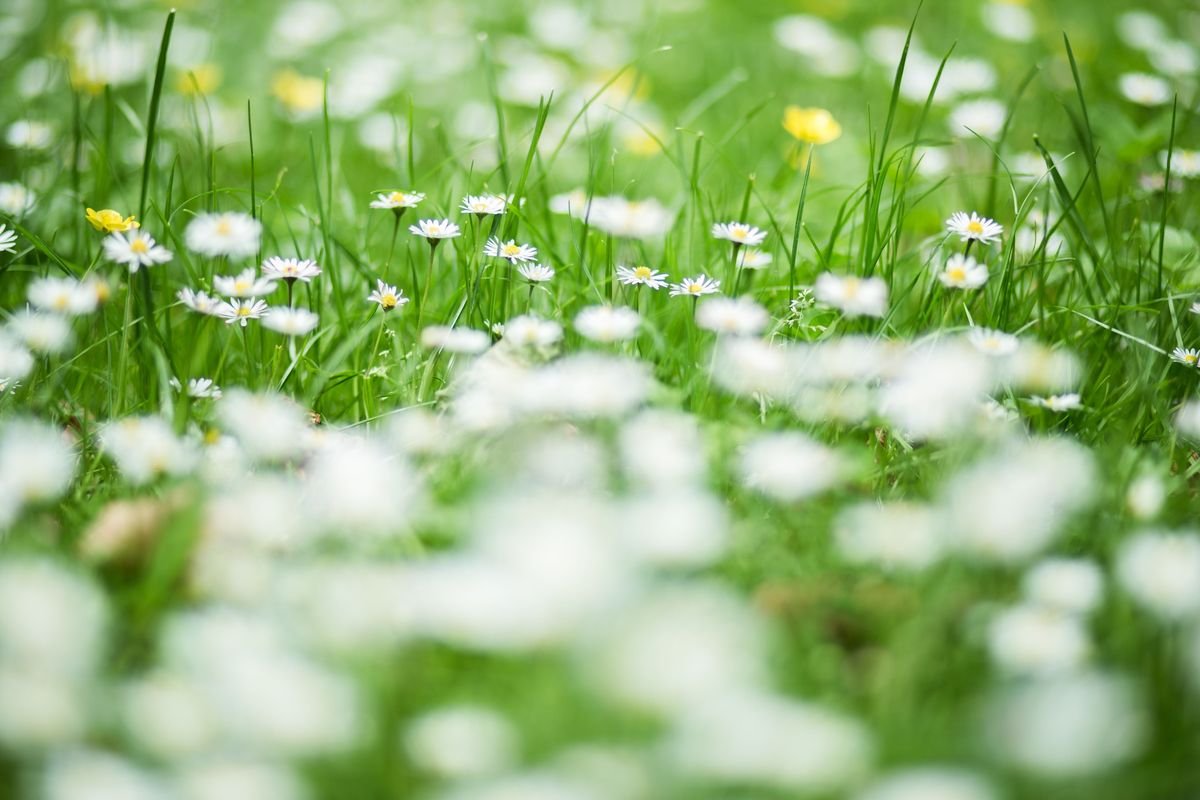
The question of whether daisies are weeds or cherished flowers depends entirely on where they sprout and what you want from your outdoor space.
In a traditional manicured lawn, a sudden outbreak of white and yellow blooms can look like an unruly invasion. In a relaxed cottage border, that exact same plant might be considered the highlight of the early summer landscape.
The word daisy actually describes hundreds of distinct species within the vast Asteraceae botanical family.
While some of these plants behave aggressively and choke out other vegetation, others are well-behaved ornamental favorites that provide endless charm and pollen for beneficial insects.
What Makes a Plant a Weed
A weed is not a formal botanical classification. In practical gardening terms, a weed is simply any plant growing where you do not want it to grow.
Most plants labeled as weeds share distinct survival traits. They tend to germinate rapidly in poor soil, mature quickly, and produce thousands of seeds that travel effortlessly across long distances. They also tend to resist local pests and adapt easily to changing weather conditions.
Many classic garden flowers share these exact same aggressive growth habits. The main distinction between a prized ornamental blossom and an unwanted weed comes down to the preference and design goals of the gardener.
Why Daisies Are Often Labeled as Weeds
Daisies earn their reputation as weeds primarily because of their competitive nature. When a wild daisy species finds its way into turf grass or organized garden beds, it actively competes with other plants for moisture, soil nutrients, and sunlight.
Their dense leaf growth can cast shade over lower turf grasses, causing bare spots in lawns. Because wild daisy foliage is rarely eaten by grazing wildlife or common garden insects, these plants face very few natural checks once they settle in an area.
Aggressive Growth Habits
Many wild daisy varieties spread through underground horizontal stems called rhizomes. As these runners extend beneath the soil surface, they send up new shoots at regular intervals, forming dense underground networks that can be difficult to pull up entirely.
This creeping underground network allows a small patch of daisies to quickly expand into a substantial colony. Over time, the spreading roots can crowd out shallow-rooted turf grasses and delicate flowering perennials.
Wind and Seed Dispersal
In addition to spreading underground, daisies are extraordinarily efficient seed producers. A single mature plant can produce thousands of viable seeds in a single growing season.
Many daisy species produce lightweight seeds equipped with fine, feathery hairs. These parachute structures allow seeds to catch gentle breezes and travel great distances across neighborhood yards, pastures, and roadsides.
Daisy Species That Spread Quickly
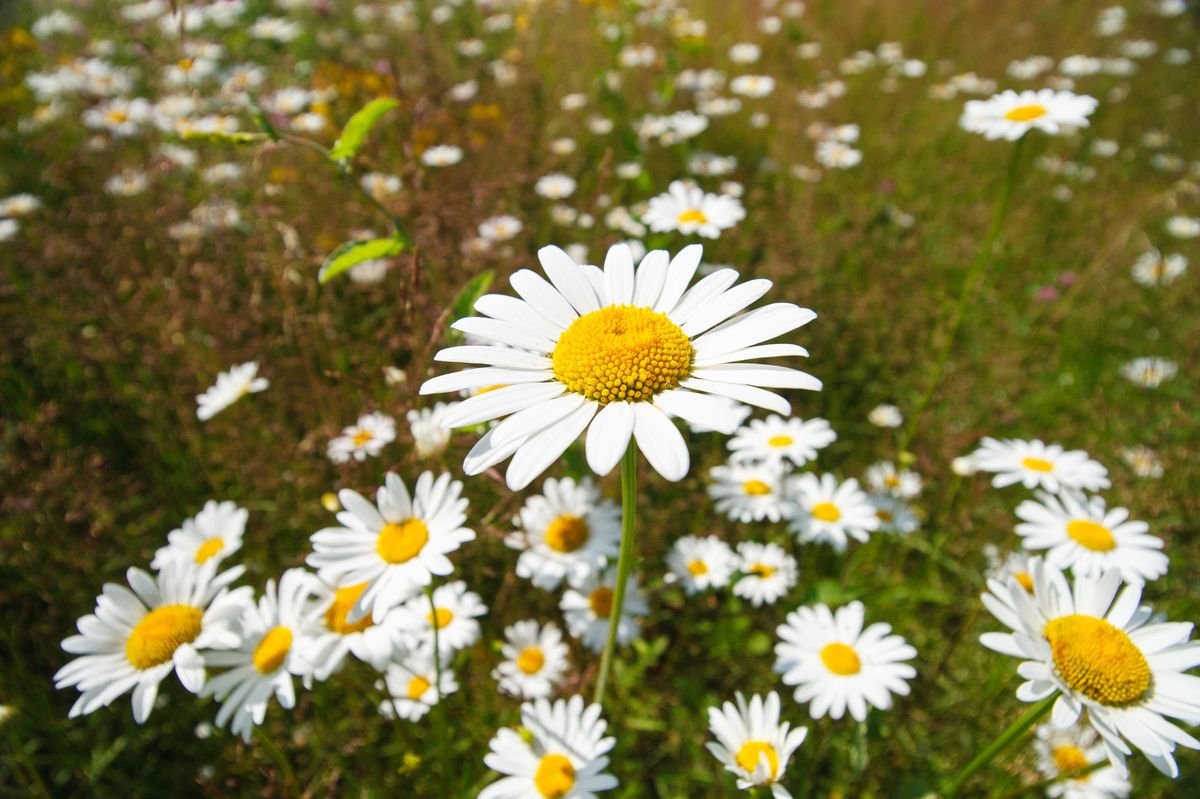
While there are many docile daisy cultivars available at nurseries, a few specific species give the entire family a bad reputation among lawn enthusiasts.
Understanding the exact species in your yard helps you decide whether you are dealing with a harmless wild bloom or a vigorous invasive plant that needs prompt attention.
The Common English Daisy
The English daisy, known scientifically as Bellis perennis, is the classic low-growing flower frequently spotted in residential lawns and parks.
It produces small, spoon-shaped leaves arranged in a flat rosette close to the ground, topped with dainty white or pink-tinted petals around a yellow center.
Because its basal rosette grows so close to the soil surface, the English daisy easily survives regular lawn mowing. The mower blades simply glide over the low leaves, leaving the root system intact and ready to send up new flower stalks within days.
The Persistent Oxeye Daisy
Oxeye daisy, or Leucanthemum vulgare, is a much taller and more aggressive species native to Europe and Asia. It features showy white petals surrounding bright yellow central discs, growing atop stems that can reach over two feet in height.
Oxeye daisy thrives in open meadows, roadsides, and agricultural pastures. A single oxeye plant can generate up to twenty thousand seeds, which remain viable in the soil for several years.
When left uncontrolled in agricultural settings, it reduces forage quality for grazing cattle, as livestock avoid its bitter leaves.
Why Some Daisies Are Illegal
Due to its relentless spread and negative impact on native ecosystems, the oxeye daisy is classified as a noxious weed in numerous regions across North America. In several states and provinces, it is illegal to sell, transport, or intentionally plant oxeye daisy seeds.
States that have placed strict legal restrictions or bans on oxeye daisies include:
- Colorado
- Montana
- Washington
- Wyoming
- Ohio
- West Virginia
- Missouri
- Kansas
When buying wildflower seed blends, always check the ingredient list carefully to ensure that invasive wild daisies are not included in the mix.
Garden Friendly Daisy Alternatives
If you love the cheerful, classic appearance of daisies but want to avoid invasive species taking over your property, there are many well-behaved cultivated varieties available.
These ornamental selections offer vibrant color and long bloom periods without the aggressive spreading habits of wild types.
Shasta Daisies for Borders
Shasta daisies are among the most popular ornamental flowers in home landscapes. Created in the late nineteenth century by horticulturist Luther Burbank, this hybrid combines several wild species to produce large, pure white blossoms on sturdy stems.
Shasta daisies grow in neat, clumping habits rather than aggressive running mats. They make outstanding additions to perennial borders, and deadheading spent blossoms encourages repeated flowering throughout the summer.
African Daisies for Containers
African daisies, commonly belonging to the genus Osteospermum, provide an extraordinary palette of colors ranging from brilliant purples and pinks to bright oranges and soft yellows.
These tender perennials are typically grown as annuals in temperate zones. They stay compact, do not become invasive in garden beds, and perform exceptionally well in patio planters and hanging baskets.
Black Eyed Susans for Pollinators
Black-eyed Susans, known botanically as Rudbeckia hirta, are North American native members of the daisy family that provide tremendous wildlife value without destructive invasiveness.
Their golden-yellow petals and dark brown centers bring warmth to late summer gardens. Native bees, honeybees, and butterflies visit the flowers constantly, and songbirds feast on the dried seed heads during autumn and winter.
Beneficial Qualities of Daisy Weeds
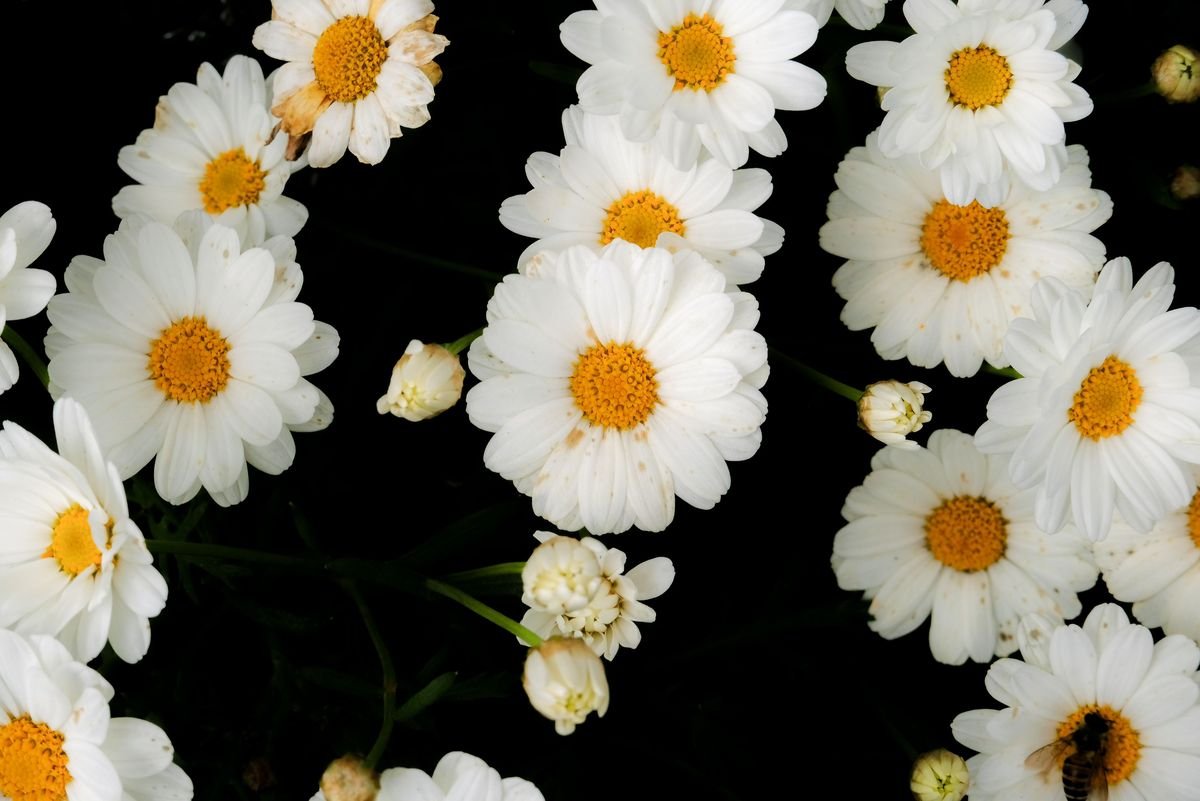
Even wild daisies categorized as weeds offer real ecological benefits that are worth considering before you decide to eradicate them.
Daisies are among the earliest flowers to open in spring and among the last to fade in autumn. This prolonged bloom season provides an invaluable nectar and pollen lifeline for early-emerging native pollinators when few other flowers are available.
Additionally, wild daisy roots help break up compacted soil and pull trace minerals toward the surface, slowly improving soil structure over time.
How to Manage Daisies in Your Turf
If wild daisies are creeping into areas where you prefer clean turf grass, you can bring them under control with a combination of consistent lawn care and targeted removal.
The most effective defense against unwanted plants is a thick, healthy stand of grass that naturally crowds out opportunistic seeds before they can establish.
Hand Pulling and Root Removal
For small or moderate daisy patches, physical removal is the cleanest and most effective solution. Daisies generally have relatively shallow root systems compared to deep taproot weeds like dandelions.
Wait until after a soaking rain when the soil is soft and moist. Use a hand trowel or weeding fork to get underneath the central crown, lifting the entire root system out in one piece to prevent new shoots from regenerating.
Natural and Organic Control Options
If manual digging is not practical, several eco-friendly contact sprays can help manage daisy growth without leaving persistent synthetic chemicals in your soil.
Consider these natural control methods for problem areas:
- Horticultural vinegar sprays containing twenty percent acetic acid
- Essential oil botanical herbicides based on clove oil or cinnamon oil
- Citric acid formulas designed for non-selective spot treatments
- Corn gluten meal applied in early spring as a natural pre-emergent seed suppressor
Keep in mind that organic contact sprays are non-selective, meaning they will also damage surrounding grass blades if applied carelessly.
Transforming Lawns into Wildflower Meadows
Rather than fighting an endless battle against flowering lawn plants, many property owners are choosing to embrace mixed meadows and eco-lawns.
Traditional turf requires substantial amounts of supplemental water, frequent fertilizer applications, and regular mowing. In contrast, a tapestry lawn featuring low-growing daisies, clover, and native groundcovers creates a self-sustaining environment that requires minimal maintenance.
A lawn sprinkled with white daisies creates a charming cottage aesthetic that supports biodiversity while freeing you from weekly weekend mowing duties.
Deciding What Belongs in Your Yard
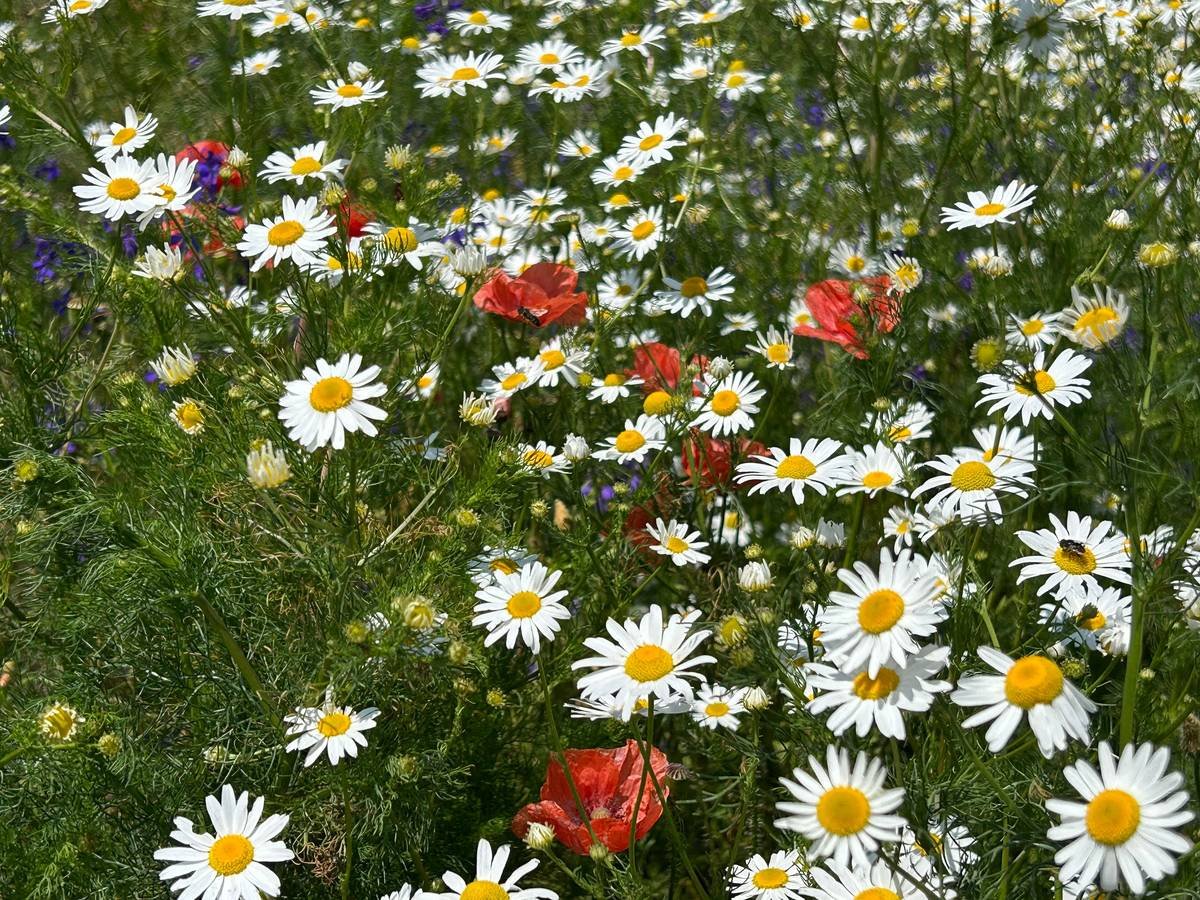
Ultimately, the label of weed is a personal choice based on your landscaping goals. A plant that disrupts a putting-green lawn may be the exact flower that brings joy and wildlife to an informal backyard garden.
By identifying the specific daisy varieties growing on your property, you can make informed decisions. You can choose to eliminate aggressive invasive species, cultivate well-behaved ornamental cultivars, or simply relax and let the cheerful blossoms brighten your green space.
How Serious Is Your Lawn Daisy Invasion
Answer 4 quick questions to see your result