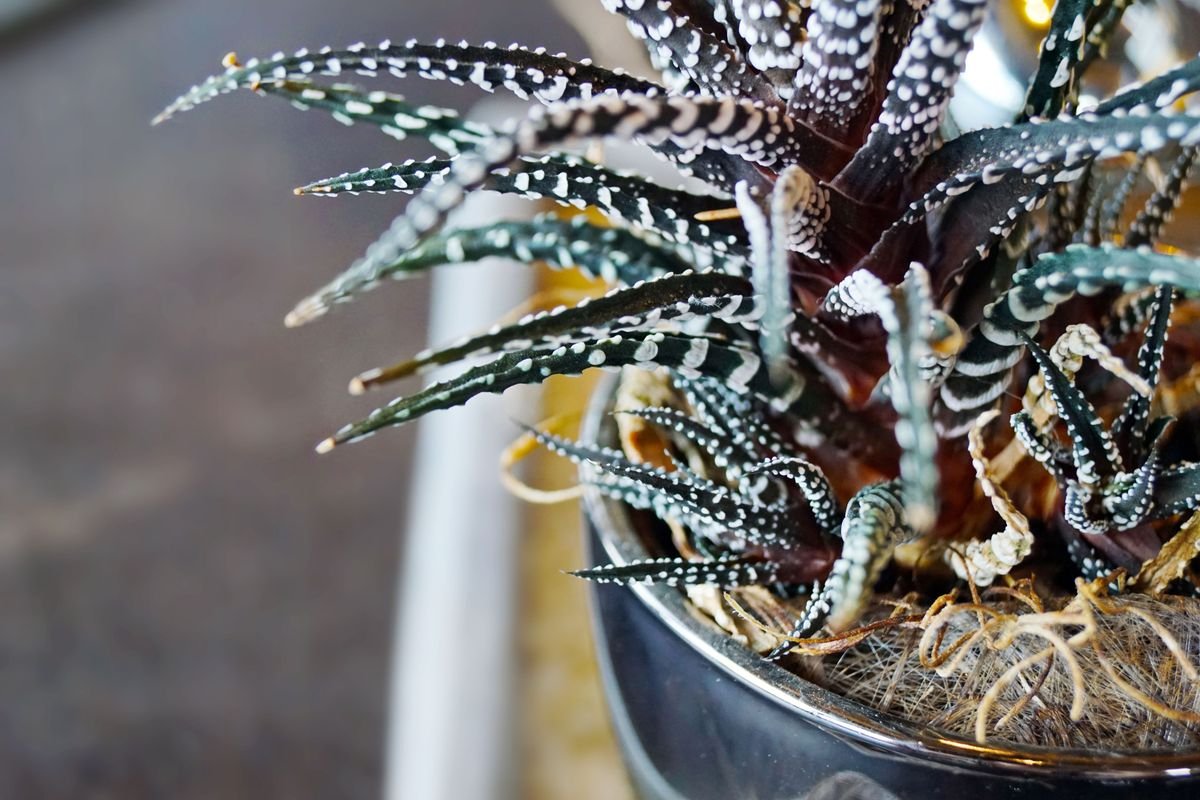
Are you thinking about adding a zebra plant to your indoor jungle, but wondering how much space it will claim? With bold striped foliage and bright golden bracts, the zebra plant is an absolute showstopper on any plant shelf.
Before bringing one home, it helps to understand its potential dimensions. Whether you keep your plant in a cozy apartment or a spacious greenhouse, this guide covers everything you need to know about zebra plant size, growth rates, and care requirements.
What Are Zebra Plants
The zebra plant, scientifically known as Aphelandra squarrosa, is a tropical evergreen native to the lush Atlantic forests of Brazil.
In its natural habitat, it thrives under the warm, humid canopy where dappled sunlight filters through the trees. Plant lovers prize it for its striking visual contrast and dramatic presence indoors.
While zebra plants have a reputation for being slightly demanding, providing the right balance of moisture, light, and warmth rewards you with incredible foliage and vibrant blooms.
Foliage and Distinct Features
The defining feature of this plant is its large, glossy emerald-green leaves patterned with sharp white or silver veins. These prominent stripes closely resemble the coat of a zebra, giving the plant its popular nickname.
During late summer or early autumn, mature plants produce upright, four-sided flower spikes. These spikes feature vivid yellow bracts that remain attractive for up to six weeks, while small yellow flowers emerge briefly between them.
Popular Varieties to Grow
Several cultivars are available in nurseries, each offering subtle variations in size, leaf shape, and color:- Aphelandra squarrosa Dania: A compact variety known for red-tinted stems and dense, dark foliage. It is one of the most common selections for tabletop displays.
- Aphelandra squarrosa Leopoldii: Features wide, deeply veined leaves and rich, golden-yellow floral bracts.
- Aphelandra squarrosa Snow White: Displays subtle silver speckling across the green surface of the leaves, giving it a frosty appearance.
- Aphelandra squarrosa Louisae: A slightly taller cultivar known for elongated leaves and dramatic flower spikes.
Average Zebra Plant Size Indoors
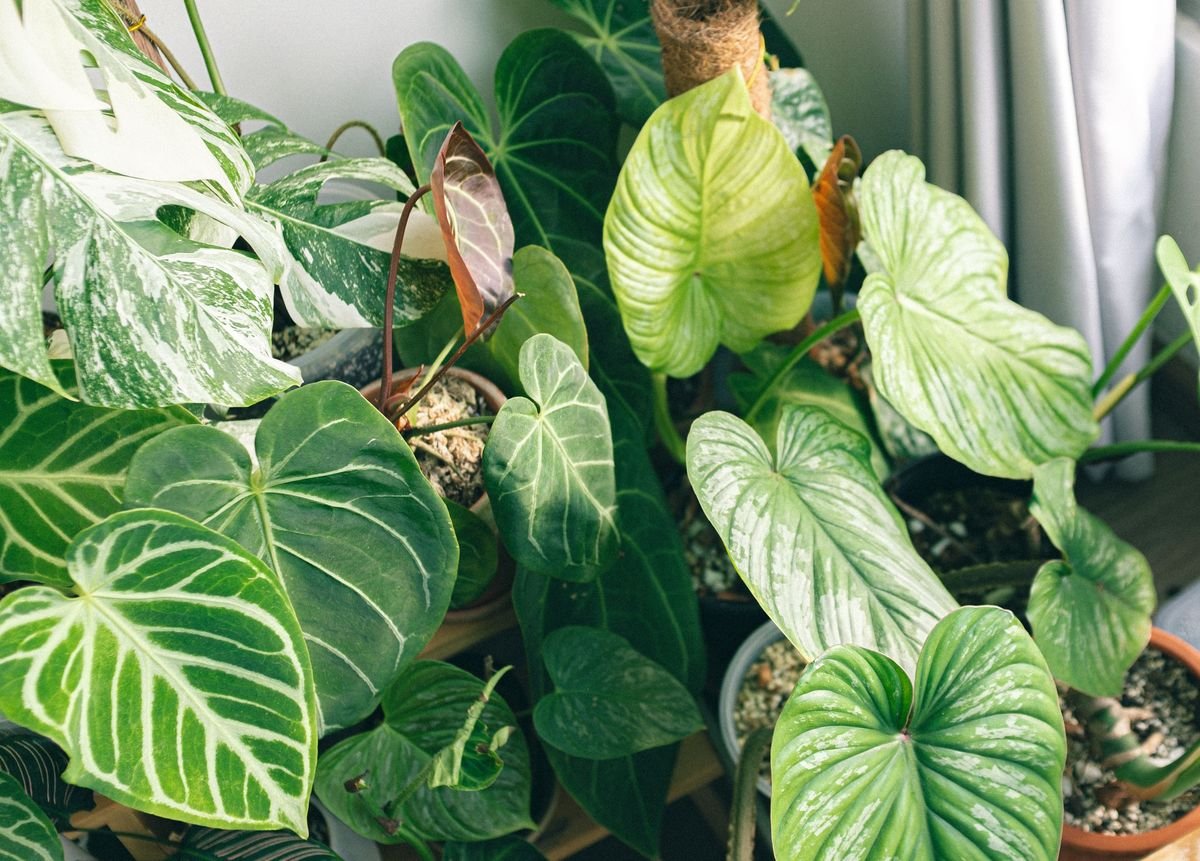
When grown inside standard household conditions, zebra plants generally reach a height of one to two feet, with an occasional specimen reaching three feet tall under ideal care.
The overall spread of an indoor zebra plant typically spans between twelve and twenty-four inches wide.
Because pot size and indoor humidity naturally restrict root and leaf expansion, indoor zebra plants remain manageable and compact. They fit comfortably on plant stands, desks, deep windowsills, and shaded patio tables.
Zebra Plant Size in Outdoor Gardens
Outdoors in tropical or subtropical climates, the zebra plant behaves quite differently. In USDA hardiness zones 11 and 12, where temperatures remain consistently warm year-round, these plants can reach substantial proportions.
An outdoor zebra plant planted in nutrient-rich ground soil can grow between four and six feet in height. Its lateral spread can easily reach four to five feet wide, creating a lush, tropical shrub.
If you do not live in a frost-free climate, you can still move your potted zebra plant outdoors during the warm summer months. Just remember to bring it inside before nighttime temperatures drop below 55 degrees Fahrenheit.
Growth Rate and Maturity Timeline
Zebra plants are moderate to fast growers when their environmental needs are fully met. A young nursery starter plant can double in size within a single growing season.
Most plants achieve their full indoor height within two to three years. Once they reach maturity, vertical growth slows down, and the plant directs more energy into seasonal blooms and lateral leaf development.
If your plant seems stuck and fails to produce new leaves during spring and summer, it is usually a sign of low light, dry air, or root restriction.
Key Factors That Influence Growth
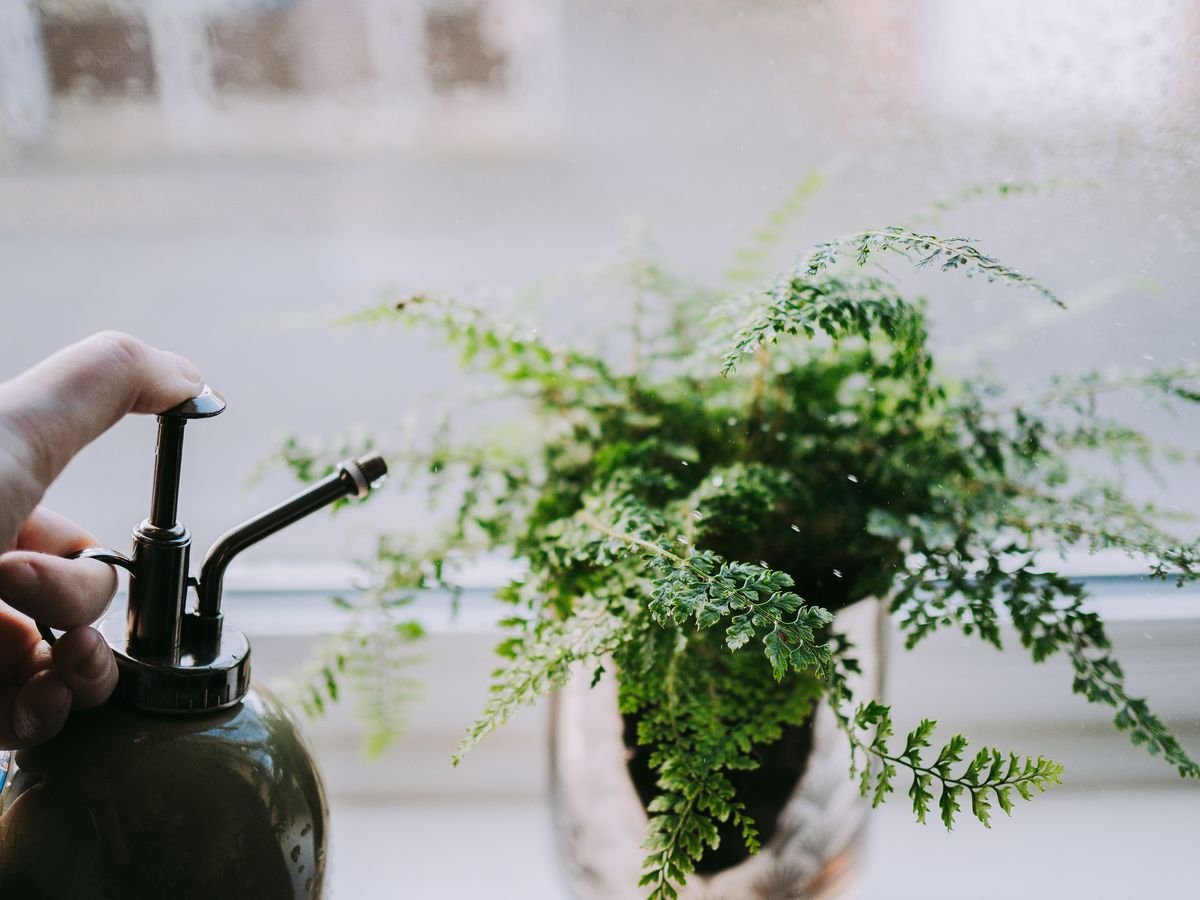
Helping your zebra plant reach its full potential requires mimicking its native tropical conditions as closely as possible.
Several environmental factors directly dictate how tall and bushy your plant will become over time. Balancing these factors ensures thick stems, broad leaves, and reliable annual blooms.
Lighting and Daily Sun Exposure
Light is the primary engine of plant growth. Zebra plants need plenty of bright, indirect sunlight to fuel photosynthesis and maintain strong leaf structure.
Aim for five to six hours of bright, filtered light every day. An east-facing or north-facing window is often the best location.
Avoid placing your plant in direct, scorching afternoon sun. Intense rays will scorch the glossy leaves and bleach the rich green color. Conversely, insufficient light results in weak, leggy stems and poor foliage size.
Soil Quality and Acidity Levels
Zebra plants thrive in loose, well-draining soil that retains steady moisture without becoming soggy or waterlogged.
They prefer a slightly acidic growing medium with a pH between 5.6 and 6.0. An ideal potting mix combines standard potting soil, peat moss or coco coir, perlite, and a handful of coarse orchid bark.
This blend allows excess water to drain quickly while retaining the gentle moisture that delicate roots need to expand.
Proper Watering Techniques
Watering is often the trickiest part of zebra plant care. These plants dislike completely dry soil, but their roots will rot rapidly if left standing in stagnant water.
Keep the potting mix evenly moist throughout spring and summer. Test the soil by inserting your finger one inch into the surface; if it feels dry to the touch, it is time to water thoroughly.
Always water the soil directly beneath the foliage rather than pouring water over the top of the plant. Wetting the leaves repeatedly can invite fungal infections and rot.
In late autumn and winter, reduce watering slightly to allow the top couple of inches of soil to dry out between sessions.
Humidity and Room Temperature
Native to Brazilian rainforests, zebra plants require high humidity levels to reach their full potential. They perform best in relative humidity levels of 60 to 70 percent.
If your home has dry indoor air, especially during winter heating months, the leaves may develop crispy brown edges or drop prematurely.
Run a cool-mist humidifier near your plant, place the pot on a pebble tray filled with water, or group it closely with other tropical plants to create a humid microclimate.
Keep room temperatures between 65 and 80 degrees Fahrenheit, and protect the plant from cold drafts, air conditioner vents, and exterior doorways.
Feeding and Seasonal Fertilization
To support rapid foliage development and large floral bracts, zebra plants benefit from regular feeding during their active growth window.
Use a balanced, water-soluble houseplant fertilizer diluted to half strength every two weeks from late spring through late summer.
Do not fertilize during the late autumn and winter months when the plant enters a natural resting period. Over-fertilizing during dormancy can burn root tips and cause leaf drop.
Repotting for Maximum Root Growth
Young zebra plants benefit from being repotted once a year in early spring before the main growing season kicks off.
Choose a new pot that is only one to two inches larger in diameter than the previous container. Using a container that is too large holds excessive moisture, which increases the risk of root rot.
Carefully loosen the root ball, inspect for any dark or mushy roots, and settle the plant into fresh, nutrient-rich potting soil. Make sure the container has adequate drainage holes at the base.
How to Prune for Bushier Growth
Without regular maintenance, older zebra plants can develop long, bare lower stems that give them a sparse appearance.
Pruning is the most effective way to encourage a compact, bushy growth habit and prevent excessive legginess.
Once the yellow flower bract begins to turn brown and dry out, cut the flower spike back to the base of the stem using sharp, sanitized shears.
In early spring, you can also trim back tall stems by one or two leaf nodes. This stimulates dormant buds along the main stem, prompting the plant to branch out into multiple full shoots.
Common Problems That Stunt Growth
If your zebra plant is not reaching its expected size, it is usually struggling with an underlying stress factor.
Sudden leaf drop is the most frequent symptom of stress. It can be triggered by dry air, sudden temperature drops, or allowing the soil to dry out completely.
Yellowing leaves often indicate overwatering or poor drainage. Check the root system immediately if leaves turn yellow and stems become soft.
Pest Infestations and Treatment
Sap-sucking pests like mealybugs, spider mites, and scale insects can weaken your plant and severely stunt its leaf production.
Regularly inspect the undersides of leaves and along the stem joints for tiny webs or white, cotton-like clusters.
Treat infestations quickly by wiping the affected areas with a cotton swab dipped in rubbing alcohol, followed by a gentle spray of organic neem oil or insecticidal soap solution.
Maintain proper humidity around the plant, as spider mites thrive in dry indoor environments.
Final Tips for Large Plants
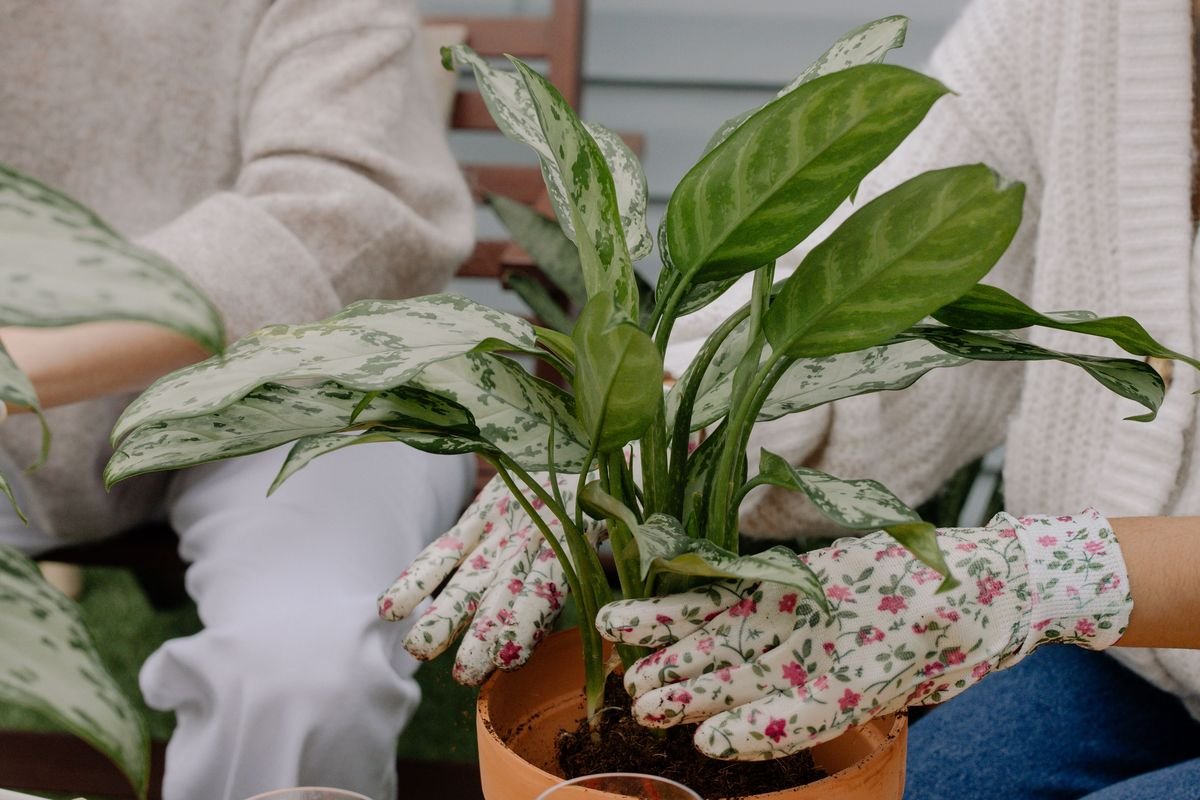
Achieving a robust, full-sized zebra plant comes down to consistency. While they may require a bit more attention than low-maintenance houseplants, their graphic foliage makes the extra effort worthwhile.
Provide bright indirect light, maintain high ambient humidity, water thoroughly whenever the top inch of soil feels dry, and prune spent flower spikes promptly.
With these regular care routines in place, your zebra plant will thrive as a vibrant, two-to-three-foot centerpiece in your indoor garden for years to come.
Is Your Zebra Plant Care Setup Ready for Maximum Growth?
Answer 4 quick questions to see your result