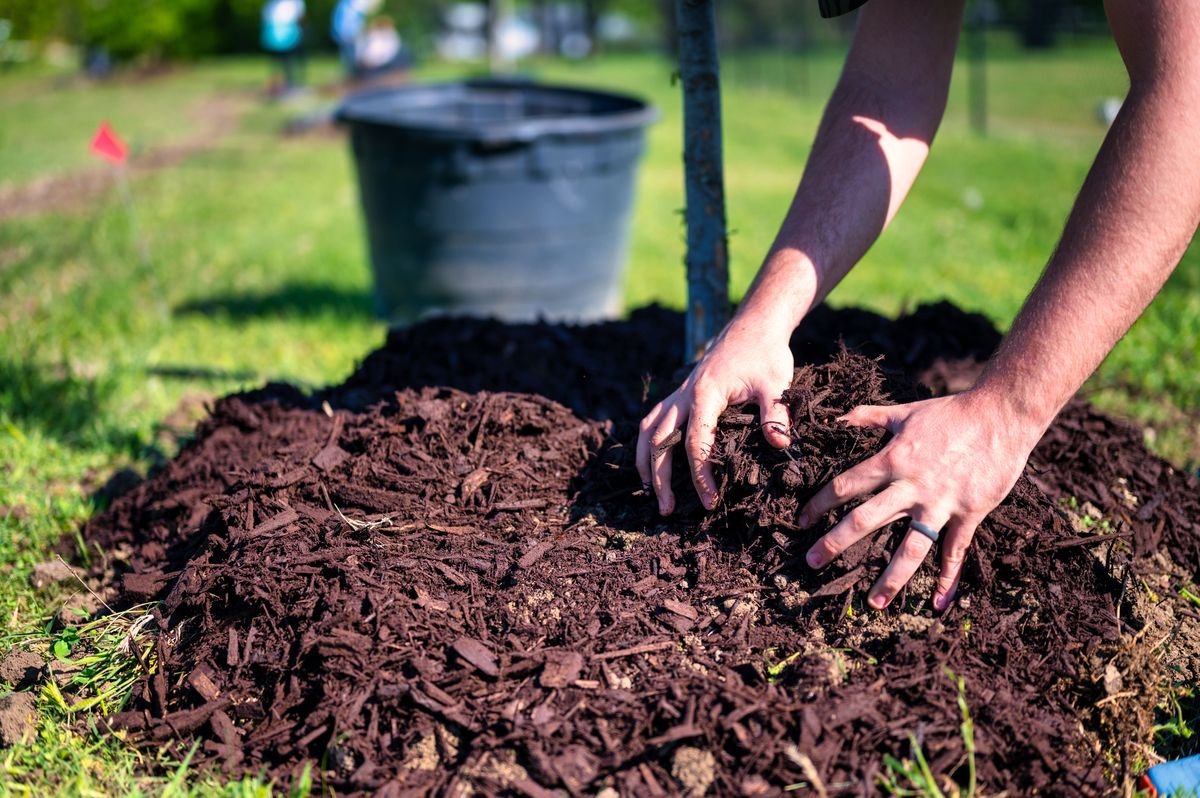
Mulch is one of the most valuable tools in any gardener’s toolkit. It locks in moisture during dry spells, keeps the root zone cool in summer, and suppresses weeds that compete with your flowers and vegetables.
However, many gardeners wonder if that same protective layer will prevent desirable landscape plants from multiplying. The truth is that mulch affects different plant structures in very different ways, depending on how they reproduce and how deeply the mulch is laid.
How Mulch Affects Plant Spread
Mulch acts as a physical and optical barrier on top of the soil.
It suppresses unwanted weed growth primarily by blocking sunlight and weighing down emerging sprouts. When you spread mulch across your garden beds, you apply those exact same physical properties to every plant in that space.
Whether a desirable plant can push through depends on the energy reserves stored in its root system and the thickness of the mulch layer.
Seeds and Self-Sowing Annuals
Seeds are the most vulnerable plant stage in any garden.
Tiny seeds dropped by annual flowers like cosmos, poppies, and calendula struggle significantly beneath a layer of mulch. These small seeds contain very limited energy reserves to fuel an upward sprout through several inches of dense material.
Furthermore, seeds that land on top of dry mulch cannot make direct contact with moist soil. Without that vital soil contact, they dry out quickly and fail to germinate.
Spring and Summer Bulbs
Flowering bulbs are exceptionally well equipped to handle mulch layers.
Bulbs like tulips, daffodils, and alliums store substantial food reserves inside their fleshy scales. This stored energy produces strong, spear-like shoots that easily penetrate two to three inches of standard wood chips or shredded bark.
In fact, a moderate layer of mulch protects bulbs from unexpected spring temperature swings and prevents soil erosion around their emerging stems.
Tubers and Storage Roots
Plants that grow from tubers, such as dahlias and sweet potato vines, have plenty of stored strength.
Their robust underground storage organs provide steady power to send vigorous shoots upward through organic matter. You can comfortably mulch around tubers once the ground has warmed up in late spring.
Take care not to pile heavy mulch directly over tubers in cold, wet soil. Excessive moisture retention early in the season can cause tubers to rot before shoots emerge.
Rhizomatous Plants
Rhizomes are modified horizontal stems that run along or just beneath the soil surface.
Plants like bearded iris, ginger, and many ornamental grasses spread by sending new shoots outward from these creeping stems. A thin mulch layer of about one inch protects shallow rhizomes from sun baking without burying them too deeply.
If you bury surface rhizomes under three or four inches of heavy wood chips, the lack of air circulation and trapped moisture can lead to fungal rot.
Runners and Creeping Stolons
Plants that spread via above-ground runners, like strawberries and bugleweed, face unique challenges from mulch.
Runners send out baby plantlets that need to root into firm soil at regular intervals along the vine. Loose, chunky bark mulch makes it difficult for these aerial roots to anchor into nutritious dirt.
If you want runner plants to spread quickly, leave a thin bed of compost or finely ground mulch so daughter plants can easily set roots.
Stem Cuttings and Layering
Many shrubs and ground covers expand when their lower stems touch the ground and produce roots.
This process, known as natural layering, occurs frequently with plants like creeping thyme and forsythia. Mulch can sometimes facilitate this spread by keeping the soil damp where bending branches touch the ground.
However, if the mulch layer is too loose or dry, the newly forming roots cannot access enough moisture and nutrients to sustain growth.
Established Crown Plants
Herbaceous perennials like hostas, daylilies, and bleeding hearts emerge from a dense underground crown each year.
These established crowns possess powerful root systems capable of pushing through several inches of organic mulch in early spring. Mulch provides excellent insulation for dormant crowns throughout harsh winters.
Always ensure that mulch is kept pulled back an inch or two from the immediate center of the crown to prevent moisture buildup around tender emerging leaves.
Creeping Ground Covers
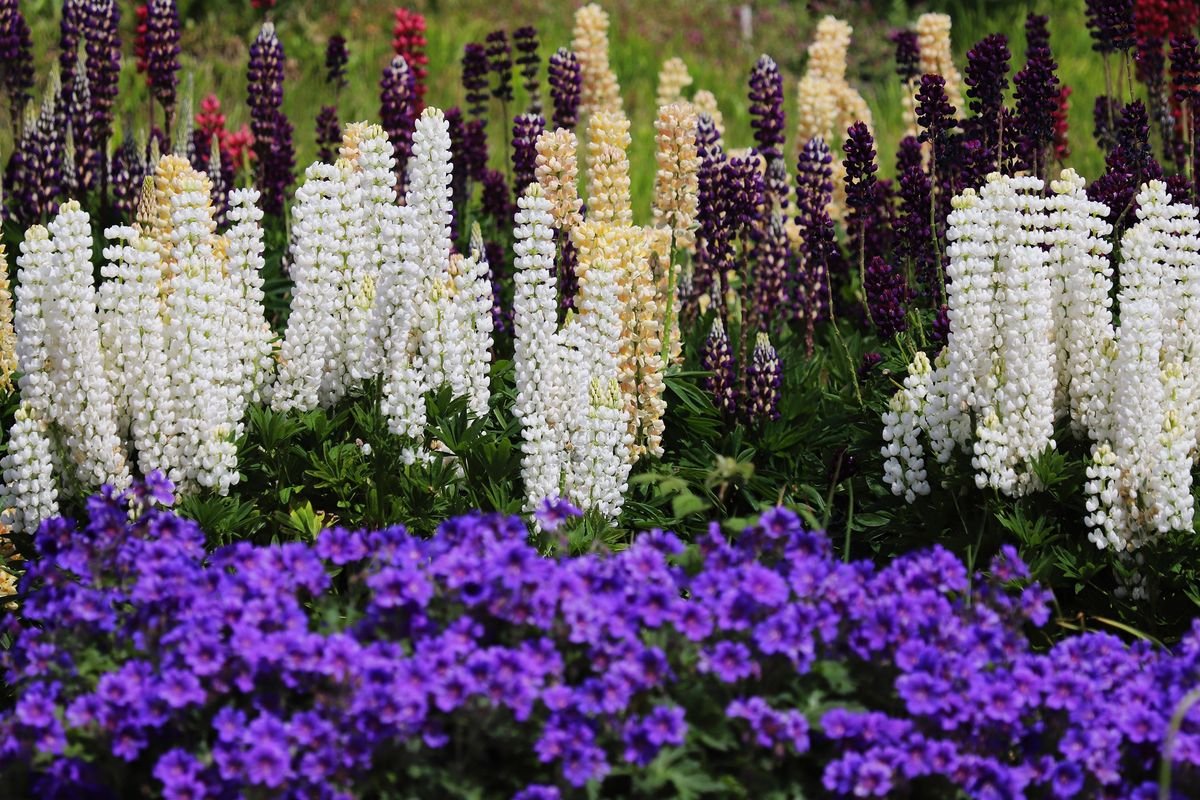
Low-growing ground covers are designed to create a living carpet across your landscape.
Species like vinca minor, pachysandra, and sedum can eventually weave through moderate mulch layers. However, an excessively deep layer applied all at once will slow their expansion down significantly.
Apply a light one-inch dressing around new ground covers to hold moisture while giving them room to spread horizontally.
Wood Chips and Bark Mulch
Organic mulches like shredded bark, pine needles, and wood chips break down over time to enrich garden soil.
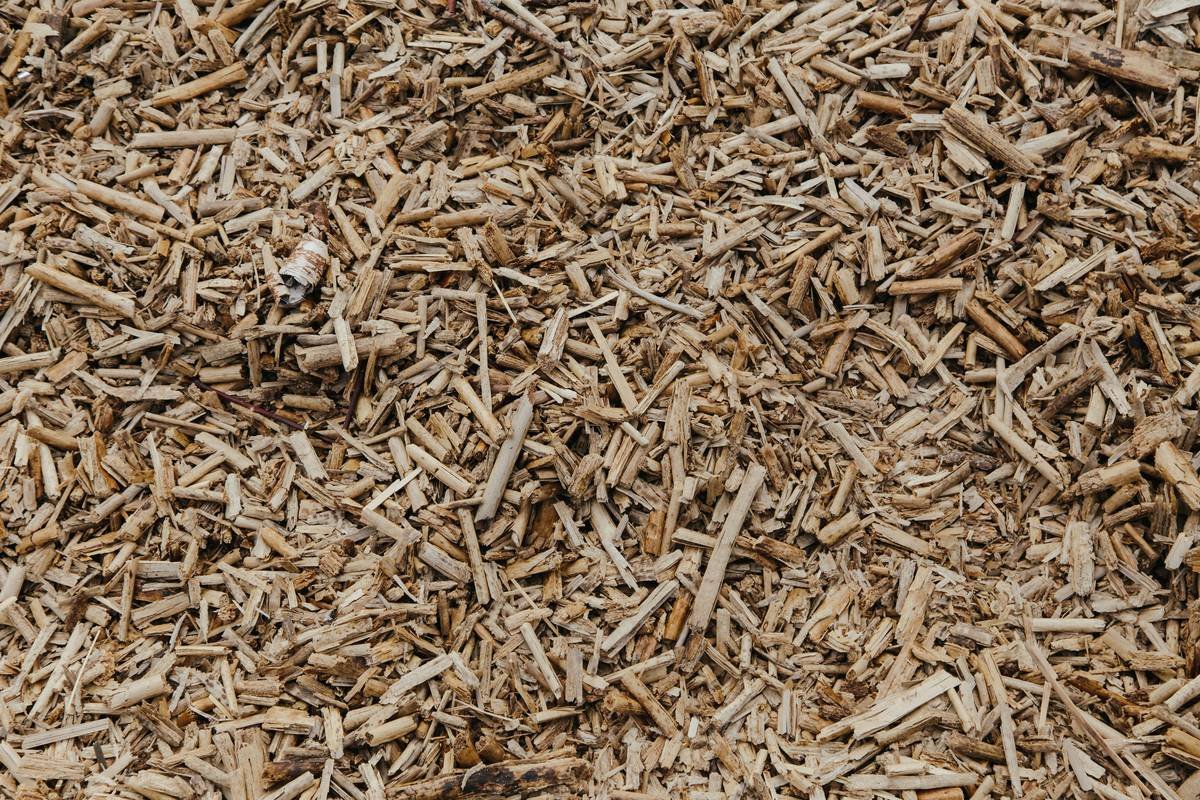
These materials vary widely in density and texture. Coarse bark chips allow air and water to flow freely, making it easier for strong shoots to navigate through the gaps.
Finely shredded hardwood can mat down into a dense crust that blocks both light and water, severely restricting plant expansion.
Inorganic Mulch and Gravel
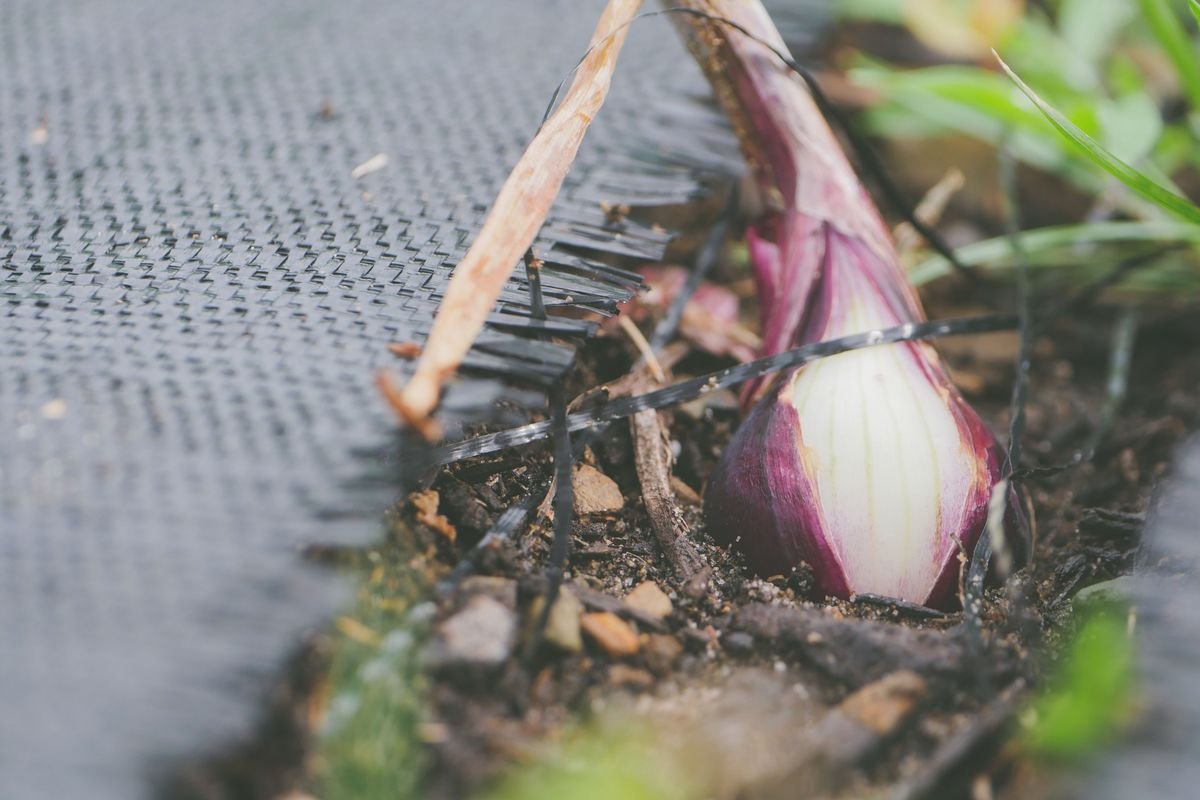
Inorganic options such as river rock, pea gravel, and landscape fabric create substantial physical barriers.
While bulbs can often squeeze between pebbles, spreading rhizomes and delicate seeds will be completely stopped. Stone mulches also absorb and radiate heat, which can raise soil temperatures past comfortable levels for delicate roots.
Use rock mulch primarily in dedicated succulent beds, rock gardens, or walkways where you want zero plant expansion.
Common Mulching Mistakes
Mulch delivers huge benefits, but improper application can quickly harm your garden.
Here are several common pitfalls to avoid when applying mulch around spreading plants:
- Piling mulch against plant stems in mulch volcanoes, which causes bark rot.
- Applying layers thicker than three to four inches, which suffocates roots.
- Using fine materials that compact into an impenetrable crust.
- Mulching cold, soggy soil in early spring before it has had time to warm up.
- Creating hiding spots for slugs, snails, and rodents right next to young stems.
How to Encourage Natural Plant Spread
If your goal is to let your landscape naturalize and fill in, you can adjust your mulching strategy accordingly.
Apply mulch lightly around the base of developing beds, leaving open zones where you want self-sowing flowers to drop seed. As your perennials expand each season, gradually reduce the amount of supplemental mulch you apply.
Eventually, your maturing plants will form a dense, living canopy that suppresses weeds on its own.
Best Practices for Healthy Garden Beds
Balancing weed suppression with healthy plant expansion comes down to mindful maintenance.
Inspect your mulch depth every spring and fluff compacted areas with a hand rake to restore healthy airflow. Add fresh material only when the existing organic layer has decomposed down to less than two inches.
By matching your mulch depth to the specific growth habits of your plants, you can enjoy a weed-free garden that still multiplies beautifully year after year.
Is Your Mulching Technique Helping or Hurting Your Plants?
Answer 4 quick questions to see your result