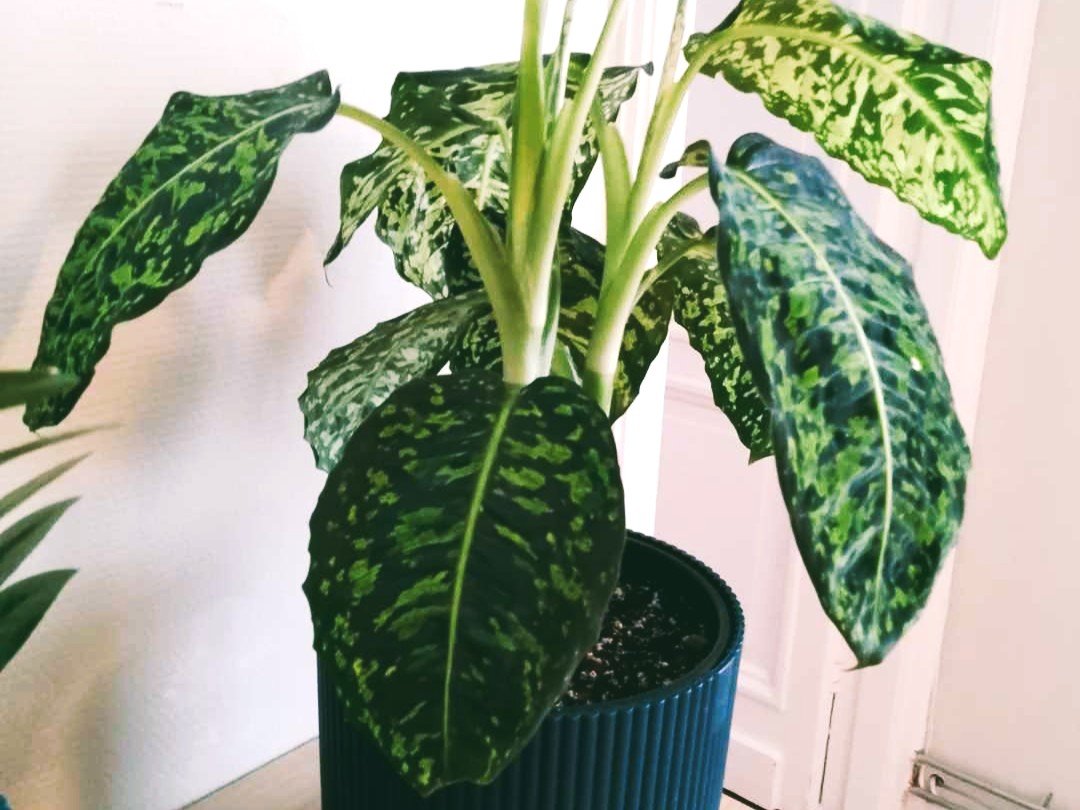
Few houseplants bring the striking tropical drama of a Dieffenbachia. With its broad, patterned foliage and bold presence, the dumb cane is often the centerpiece of an indoor jungle. When those sturdy stems go limp and vibrant leaves begin sagging toward the floor, it can feel alarming.
Drooping in Dieffenbachia is almost always a distress signal related to moisture regulation, root function, or environmental stress.
Fortunately, these resilient tropical plants can bounce back quickly once you identify the root cause and apply the right fix.
This comprehensive guide will walk you through every possible reason your dumb cane is drooping, along with practical steps to restore its lush, upright posture.
Why Is Your Dieffenbachia Drooping
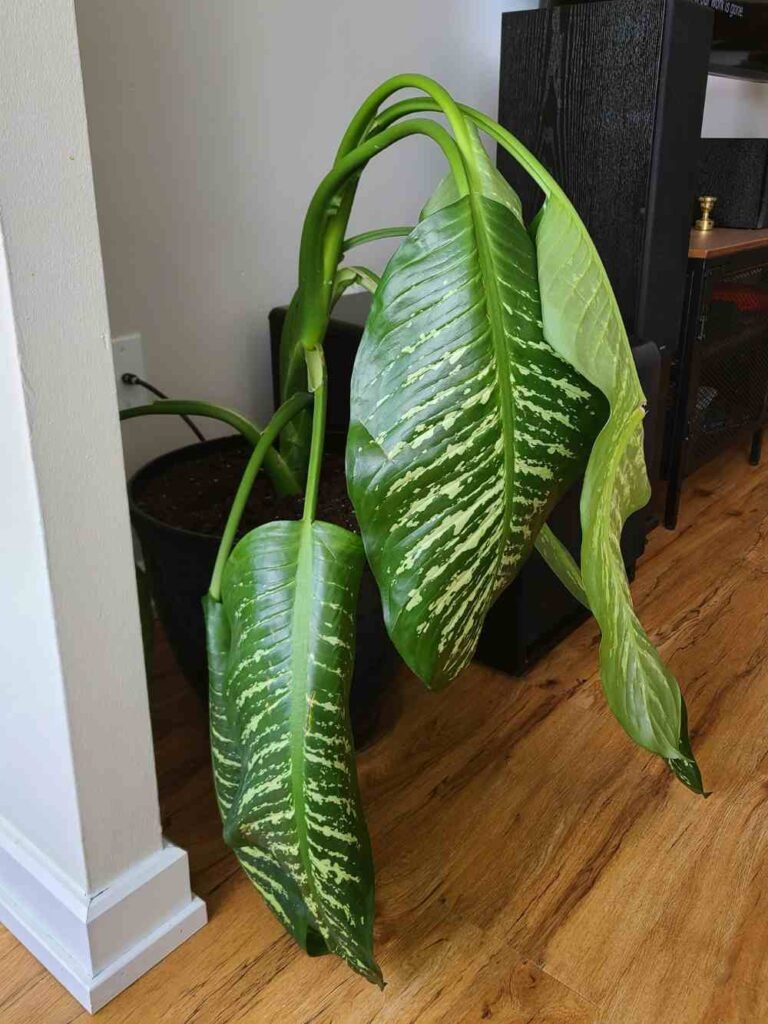
When a Dieffenbachia loses its upright structure, the underlying mechanism is almost always a disruption in hydration. In botanical terms, plants rely on internal fluid pressure to stay rigid. When anything prevents the stems from maintaining that pressure, the foliage immediately begins to droop.
While improper watering is the most frequent culprit, several other factors can trigger the exact same wilted look. Temperature swings, dry air, soil toxicity, pests, and even natural life cycles can cause stems to bend.
Diagnosing the exact issue requires observing the entire plant, including the soil condition, leaf texture, and current room environment. Solving the problem starts with understanding how your plant uses water.
Understanding Plant Cellular Turgor Pressure
Plant cells contain large central vacuoles filled with water. When these vacuoles are full, they push against the cell walls, creating internal tension known as turgor pressure. This pressure acts like internal scaffolding, keeping fleshy stems and broad leaves standing upright.
When roots cannot absorb enough water, or when water evaporates from foliage faster than the roots can replace it, turgor pressure collapses. The cells deflate like uninflated balloons, causing the entire plant to sag.
Restoring your Dieffenbachia requires identifying whether the lack of turgor is caused by dry soil, damaged roots, poor ambient conditions, or physical shock.
Natural Aging and Leaf Shedding
Before you assume your plant is suffering from a disease or care mistake, look closely at which leaves are sagging. If only the lowest, oldest leaves near the base of the cane are turning yellow and drooping while top growth remains strong, you may simply be seeing natural aging.
As a Dieffenbachia grows upward, it forms a thicker, cane-like trunk. To direct energy toward new, higher foliage, the plant naturally sheds its bottom leaves over time.
This process is completely normal and does not indicate an emergency as long as the rest of the plant appears crisp and vibrant.
How to Manage Old Foliage
Allowing dying leaves to wither completely on the stem can drain energy and create hiding spots for pests. Pruning them away keeps your dumb cane tidy and healthy.
- Use clean, sharp pruning shears or a sanitized knife.
- Cut the dying leaf stem close to the main cane without nicking the central stalk.
- Wipe your tools with isopropyl alcohol after cutting to prevent spreading any potential pathogens.
- Wear gardening gloves when trimming, as Dieffenbachia sap contains calcium oxalate crystals that can irritate sensitive skin.
Once the spent leaves are removed, your plant can funnel its nutrients into fresh, upright growth at the crown.
Underwatering and Severe Dehydration
Underwatering is one of the most common reasons for a sudden, dramatic droop. Dieffenbachias possess broad, thin leaves that lose moisture quickly through transpiration, especially in warm or dry rooms.
When the soil dries out completely, the root system runs out of accessible water. Without hydration entering the vascular system, the entire canopy wilts rapidly.
Dehydrated foliage usually feels soft, limp, and papery to the touch, and the tips of the leaves may begin to curl inward as the plant tries to conserve moisture.
Checking Soil Moisture Accurately
Never rely solely on the appearance of the soil surface. The top layer of potting mix can dry out within twenty-four hours while the lower root zone remains damp, or vice versa.
To check accurately, insert a wooden chopstick or skewer deep into the root ball. If the wood comes out completely clean and dry, your plant is parched.
Another telltale sign of severe dryness is soil shrinkage. When potting mixes dry out completely, they pull away from the inner sides of the pot, leaving a visible gap where water will simply run straight through without wetting the roots.
Reviving a Dehydrated Plant
If your soil has become hydrophobic and compacted, a standard surface watering will not be enough. Water will simply channel down the sides of the pot and drain out the bottom, leaving the central root ball bone dry.
Bottom watering is the best technique to revive a severely underwatered Dieffenbachia.
- Place the potted plant in a large basin or sink filled with several inches of lukewarm water.
- Allow the pot to sit for 30 to 45 minutes so the soil can pull moisture upward through capillary action.
- Once the top surface feels evenly moist, remove the pot and allow all excess water to drain thoroughly for 15 minutes before returning it to its saucer.
Within a few hours, the stems should regain turgor pressure and stand upright again.
Overwatering and Root Suffocation
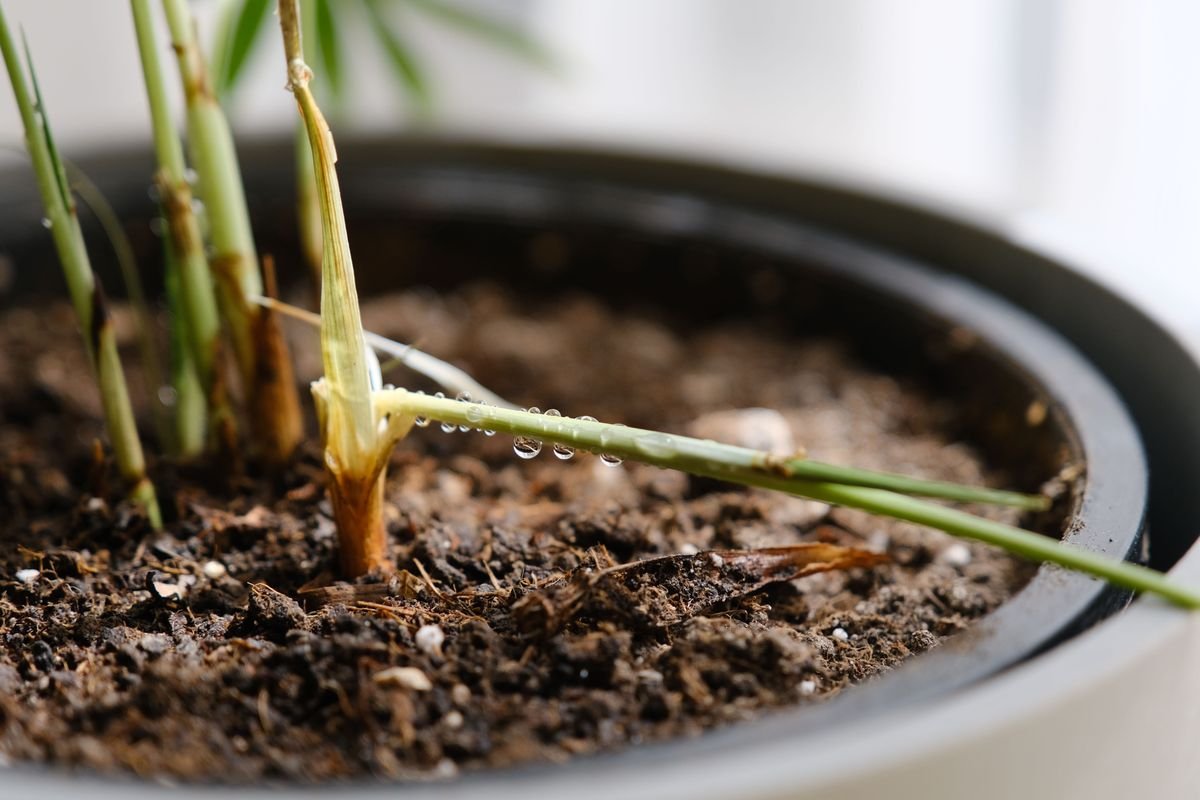
Ironically, an overwatered Dieffenbachia exhibits the exact same drooping posture as an underwatered one. This confuses many indoor gardeners, leading them to add even more water to a drowning plant.
Plant roots require oxygen just as much as they need water. In healthy potting mix, tiny microscopic air pockets allow roots to breathe.
When the soil remains waterlogged, those air pockets stay filled with water. Deprived of oxygen, the roots suffocate, die, and lose their ability to take up water into the stems, leading to severe canopy wilt.
Identifying Early Signs of Overwatering
Distinguishing between underwatering and overwatering requires a quick look at the soil and foliage texture.
If your Dieffenbachia is drooping while sitting in damp or soggy soil, overwatering is almost certainly the culprit.
Overwatered leaves often turn a pale, translucent yellow rather than crisp brown. The stems near the base may feel unusually squishy or soft instead of firm and fibrous. In severe cases, a sour or swampy odor will emanate from the drainage holes.
Treating Root Rot in Dumb Cane
When root suffocation continues unchecked, opportunistic soil fungi attack the dead tissue, causing root rot. If left untreated, root rot will kill the entire specimen.
To save a plant with root rot, follow these restorative steps:
- Carefully unpot the Dieffenbachia and gently wash away the old, fungus-laden soil under lukewarm running water.
- Inspect the root system. Healthy roots are firm, flexible, and pale cream or white. Rotten roots are dark brown, black, slimy, and stringy.
- Use sterile pruning shears to prune away all compromised roots until only healthy tissue remains.
- Repot the plant into a clean container with fresh, well-draining potting soil enriched with perlite or coarse bark.
- Water sparingly for the first few weeks, allowing the root system time to regenerate without excess moisture.
Mineral and Fertilizer Salt Buildup
Over time, both municipal tap water and chemical fertilizers leave behind mineral deposits in the potting medium. Sodium, chlorine, fluorides, and heavy salt residues gradually accumulate in the root zone.
High salt concentrations create an osmotic barrier in the soil. Instead of roots pulling water from the potting mix, high soil salinity can actually draw moisture back out of the roots, causing chemical dehydration.
Your Dieffenbachia will show signs of drooping even when the soil is adequately moist. You will often notice crispy brown leaf margins and a crusty white residue forming on the soil surface or pot rim.
How to Flush Your Potting Soil
You can easily eliminate accumulated salts by flushing the root zone with pure water. This process should be done every two to three months as preventive maintenance.
Take your plant to a sink, bathtub, or outdoor patio. Slowly pour room-temperature filtered, distilled, or rainwater over the soil, allowing it to drain out freely through the drainage holes.
Use an amount of water equal to roughly three to four times the volume of the pot. Let the water wash through the soil bed for several minutes, carrying away dissolved salts.
Allow the container to drain completely before returning it to its decorative tray. Avoid fertilizing for at least four weeks after a thorough soil flush.
Low Ambient Humidity Levels
Native to the tropical understories of Central and South America, Dieffenbachias thrive in humid, warm air. While they adapt well to typical indoor environments, average household air in winter often drops below 30% relative humidity.
When the air is excessively dry, leaves lose moisture through their stomata much faster than roots can replace it. This imbalance leads to drooping stems, curled leaf margins, and crispy brown tips.
Maintaining an ambient humidity level of at least 50% to 60% will keep your dumb cane foliage vibrant, glossy, and upright.
Simple Ways to Increase Room Humidity
Misting leaves with a spray bottle provides only a fleeting boost in humidity and can encourage fungal spots on foliage. More sustainable methods produce better results.
- Use a cool-mist humidifier: Placing a small humidifier a few feet away from your plant is the most effective way to maintain consistent moisture levels.
- Create a pebble tray: Fill a shallow tray with river pebbles, add water until it sits just below the surface of the stones, and set your potted plant on top.
- Group tropical plants together: Clustering several houseplants creates a localized microclimate where shared transpiration raises ambient humidity.
- Choose the right room: Well-lit bathrooms and kitchens naturally have higher humidity levels and make great locations for Dieffenbachia.
Inappropriate Lighting Conditions
Lighting plays a critical role in maintaining plant structure. Both too much sun and insufficient light can cause your Dieffenbachia to droop.
Direct, intense sunlight scorching the thin leaves breaks down chlorophyll and causes severe moisture loss, resulting in bleached, sunburnt patches and drooping foliage.
Conversely, chronic low light slows down photosynthesis. Without sufficient energy, the plant produces weak, spindly, etiolated stems that cannot support the weight of heavy leaves, causing the entire plant to lean and sag.
Finding the Sweet Spot for Sunlight
Dieffenbachias do best in medium to bright, indirect sunlight. They want plenty of ambient light without direct rays beating down on their delicate foliage.
An ideal spot is a few feet away from an east-facing or north-facing window. If placing the plant near a harsh south-facing or west-facing window, filter the intense afternoon sun with a sheer curtain.
If your space lacks natural sunlight, high-quality full-spectrum LED grow lights placed twelve to eighteen inches above the plant for ten to twelve hours daily will provide ample energy for upright growth.
Common Houseplant Pest Infestations
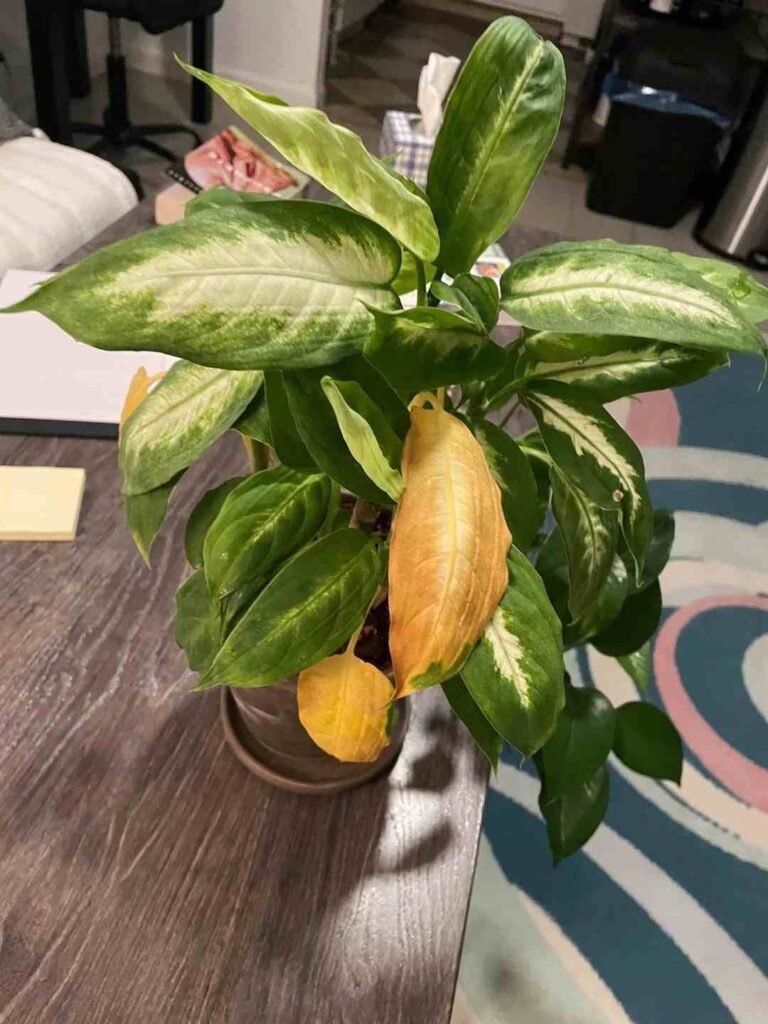
Sap-sucking pests are another frequent cause of unexplained drooping in dumb canes. Insects such as spider mites, mealybugs, thrips, and scale pierce the vascular tissue of the leaves and stems, draining vital plant sap.
As the pest colony grows, the continuous loss of sap deprives the plant of nutrients and moisture, resulting in limp foliage, yellow stippling, and eventual leaf drop.
Because these pests are tiny and often hide on the undersides of leaves or inside leaf sheaths, infestations can go unnoticed until significant structural damage has already occurred.
Eradicating Pests with Gentle Treatments
If you spot fine webbing, cottony white clusters, or tiny crawling dots, prompt treatment is essential to save your plant.
- Isolate the plant: Move your affected Dieffenbachia away from other houseplants immediately to prevent the infestation from spreading.
- Mechanical rinse: Take the plant to the shower and rinse the foliage with a lukewarm, gentle spray to dislodge a large portion of the insect population.
- Apply insecticidal soap or neem oil: Thoroughly spray all surfaces of the foliage, paying special attention to the leaf undersides and stem joints where pests hide.
- Repeat weekly: Reapply treatments every five to seven days for three consecutive weeks to interrupt the pest breeding cycle.
Temperature Stress and Drafts
As true tropicals, Dieffenbachias are exceptionally sensitive to sudden temperature shifts and cold drafts. They prefer consistent temperatures between 65°F and 85°F (18°C to 29°C).
Exposure to temperatures below 55°F (13°C), even for a short period, can cause cellular damage. The plant responds by drooping its stems, turning translucent, and dropping foliage.
Similarly, placing your dumb cane in the direct path of an air conditioner vent, heating register, or drafty exterior door causes rapid moisture loss and environmental shock.
Protecting Plants from Climate Fluctuations
Preventing temperature stress requires mindful placement within your living space.
Keep your Dieffenbachia away from drafty windows during freezing winter months, as cold glass can radiate chill even inside a heated room.
Ensure the plant is positioned at least four to five feet away from active heating vents, radiators, and air conditioners. If you move your plant outdoors for the summer, bring it back inside well before nighttime temperatures drop into the 50s.
Transplant Shock and Pot Bound Roots
If you recently repotted your Dieffenbachia, a few days of mild drooping is a common reaction known as transplant shock. Disturbed roots need time to re-establish their connection with the new potting medium.
On the flip side, an severely root-bound plant can also begin to droop. When roots fill the entire container, leaving little soil to hold moisture and nutrients, the plant can no longer sustain its canopy.
Root-bound dumb canes dry out within a day of watering, and roots will visibly poke through the bottom drainage holes or circle tightly around the top soil line.
Repotting Strategies for Recovery
To fix a root-bound plant without triggering severe transplant shock, follow smart repotting habits.
Select a new pot that is only one to two inches larger in diameter than the current container. Choosing a pot that is too large holds excessive moisture, increasing the risk of root rot.
Use an airy, well-draining soil blend composed of quality potting soil, perlite, and orchid bark. Gently tease apart any tightly wound outer roots before setting the plant into its new home. Water thoroughly and keep the plant in stable, warm, indirect light while it adjusts.
Long Term Care for Upright Foliage
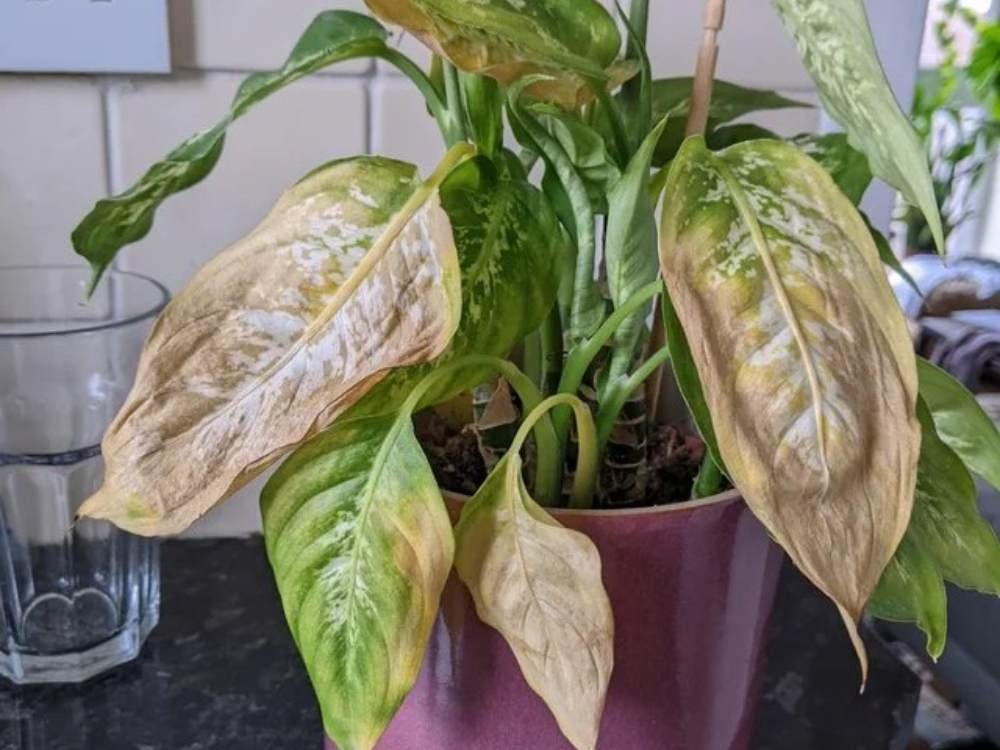
Preventing future drooping comes down to establishing a steady, reliable care routine tailored to your home environment.
Always check the moisture level of the soil before watering, aiming to moisten the mix when the top two inches feel dry to the touch. Provide steady, bright indirect light and maintain a warm, humid room.
Regularly wipe down the broad leaves with a damp cloth to remove household dust. Keeping the foliage clean maximizes photosynthesis and lets you spot potential pest issues before they compromise the health of your dumb cane. With consistent care, your Dieffenbachia will reward you with towering, vibrant foliage for years to come.
How Stressed Is Your Dieffenbachia?
Answer 4 quick questions to see your result