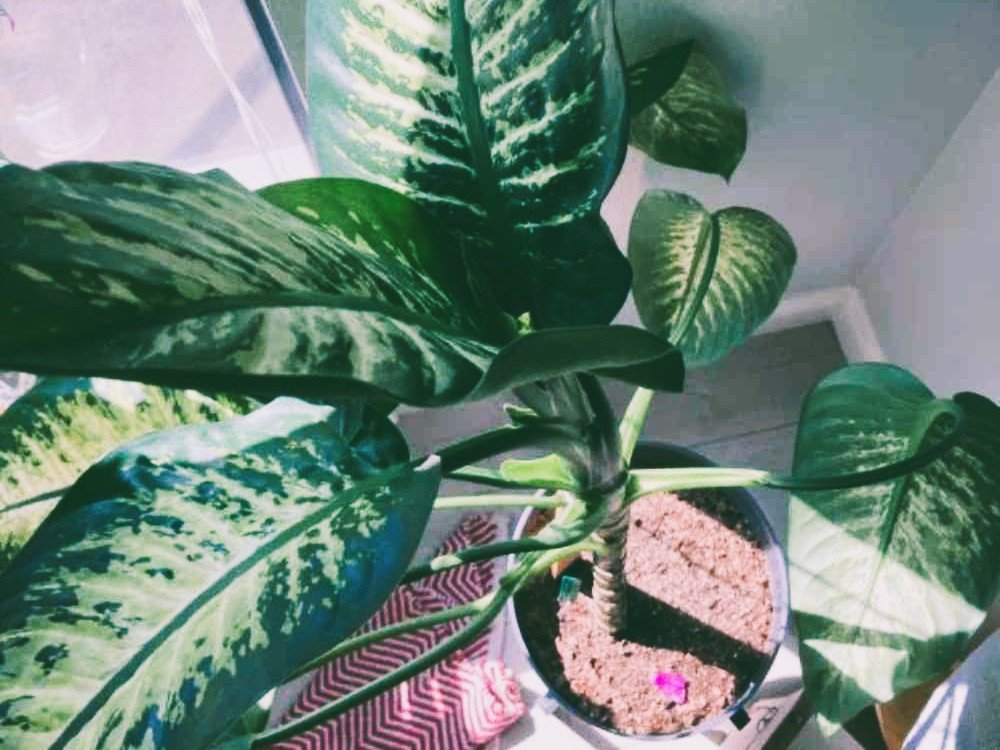
A dieffenbachia plant, often called dumb cane, is celebrated for its lush patterns and vibrant tropical presence.
When your plant suddenly drops its foliage until only bare green canes remain, it can be an alarming sight. Many plant parents assume that a leafless stem means the plant is dead and ready for the compost bin.
The good news is that dieffenbachia plants are remarkably tough survivors. As long as the main cane remains firm and the root system has life left in it, your plant can bounce back with fresh, healthy growth.
Understanding what triggered the leaf drop will help you adjust your care routine and nurse your dieffenbachia back to its full glory.
Understanding Why Leaves Drop
Leaf loss is rarely random. It is your plant’s primary way of signaling that something in its immediate environment is off balance.
When a dieffenbachia experiences stress, it sheds its older or lower foliage first. This natural survival response allows the plant to conserve moisture and energy for its central stem and root structure.
Sudden shedding can stem from multiple factors, including moisture swings, drastic temperature changes, or inadequate light levels.
Before you can fix the problem, you must inspect the bare stem and remaining tissue carefully. A firm, green cane means your plant is still alive and capable of regenerating new shoots from its dormant growth nodes.
Signs of Underwatered Dieffenbachia
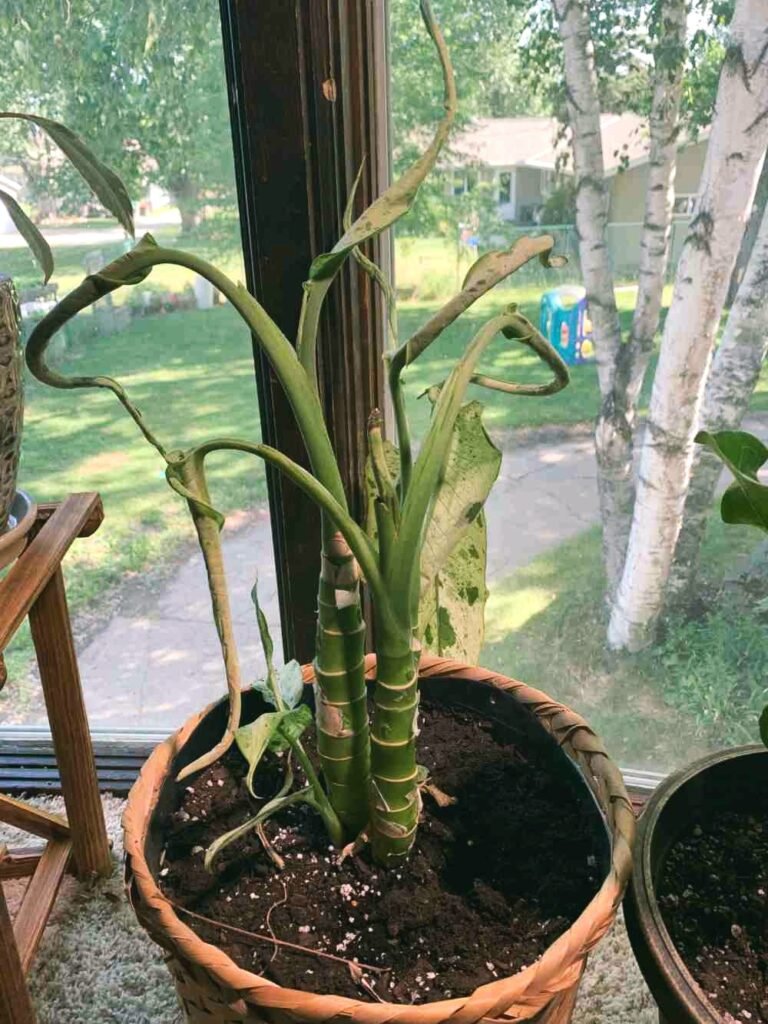
One of the most frequent reasons a dieffenbachia loses its leaves is severe under-hydration.
When the soil dries out completely down to the bottom of the pot, the roots cannot transport moisture to the broad leaves. The foliage will turn limp, turn pale or yellow, and eventually drop off.
To determine if chronic thirst is the culprit, check the soil texture and weight of the container.
- The top two to three inches of soil feel completely dry, dusty, or compacted.
- The pot feels extremely light when you lift it.
- The leaves turn crisp and brown along the edges before falling off entirely.
- The soil shrinks away from the inside edges of the pot.
If you notice these signs, give your plant a thorough, gentle soak. Allow the excess water to drain out completely through the bottom drainage holes, and never let the pot sit in stagnant runoff.
The Danger of Overwatering and Root Rot
While underwatering causes leaves to dry out and drop, overwatering is equally common and far more dangerous to dieffenbachia plants.
When the potting medium stays constantly waterlogged, oxygen cannot reach the root zone. This suffocation causes delicate feeder roots to rot and decay, preventing the plant from taking up water despite the wet soil.
As root rot sets in, the leaves turn soft, yellow, and mushy before detaching from the cane.
If the base of the cane feels squishy, soft, or emits a sour odor, root rot has progressed into the main stem.
Always use a pot with adequate drainage holes and a well-draining soil mix rich in perlite or coarse sand. Only water your dieffenbachia when the top two inches of soil have dried to the touch.
Lighting and Temperature Issues
Dieffenbachia plants thrive in bright, indirect sunlight. If you place your plant in a dim corner with insufficient ambient light, it cannot produce enough energy through photosynthesis to sustain its large foliage.
In response to low light, the plant gradually sheds its leaves until it looks leggy and bare.
Extreme temperatures and cold drafts can also shock your plant into dropping leaves rapidly.
Dieffenbachia prefers warm, humid environments between 65 and 80 degrees Fahrenheit.
Exposing your plant to temperatures below 55 degrees Fahrenheit, or placing it right next to an air conditioning vent, drafty window, or radiator, creates environmental shock that triggers rapid defoliation.
How to Prune a Bare Stem
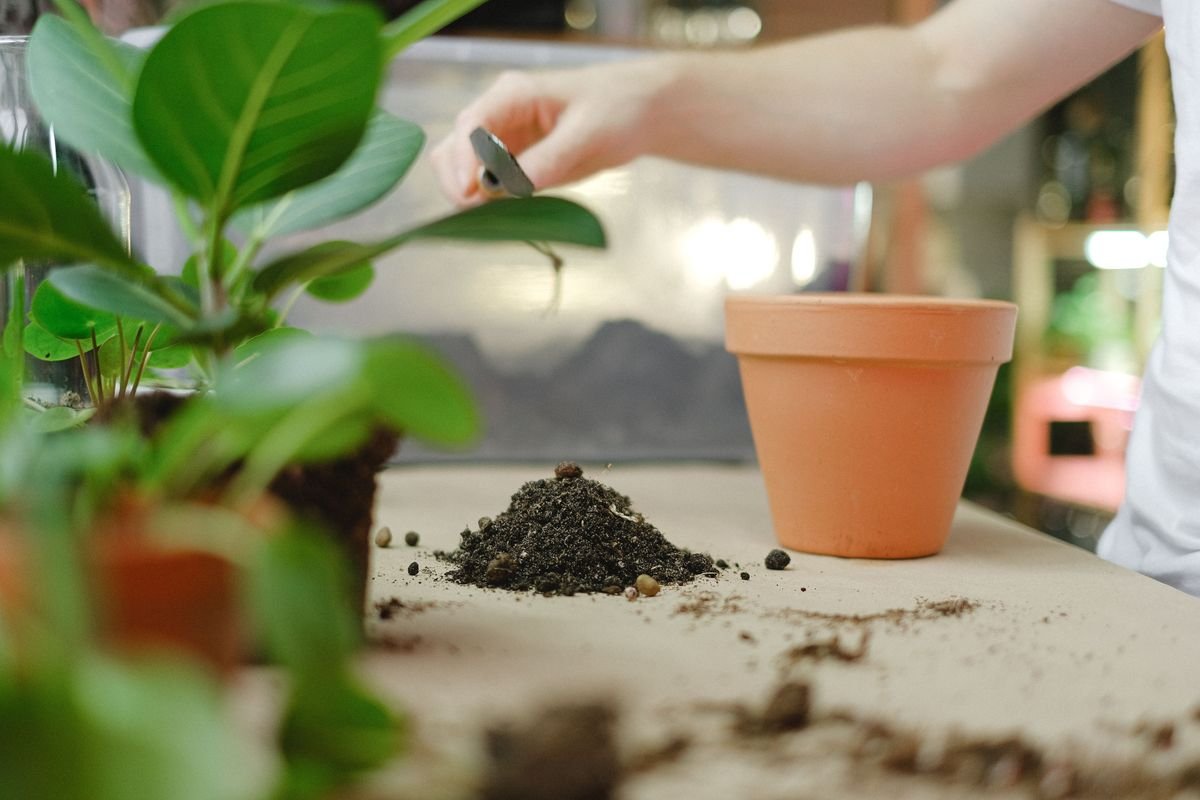
If your dieffenbachia is left with a tall, bare cane that has no foliage left, pruning is the best way to stimulate new growth.
Pruning forces the plant to activate dormant buds along the stem, producing fuller and bushier foliage rather than a single sparse stalk.
Always wear protective gardening gloves when cutting dieffenbachia stems. The sap contains calcium oxalate crystals, which can cause skin irritation and swelling.
- Sanitize a pair of sharp pruning shears with rubbing alcohol to prevent introducing bacteria or fungal spores.
- Locate a healthy growth node on the cane, which looks like a raised ring or band around the stem.
- Cut the cane cleanly at a 45-degree angle about one to two inches above a node, leaving roughly four to six inches of stem above the soil line.
- Wipe away any leaking sap and allow the cut surface on the stump to callous naturally.
Getting Your Plant to Grow Back
After pruning away bare canes and correcting your watering habits, patience is key.
Keep your pruned dieffenbachia in a warm, bright room with plenty of filtered light. Do not place it in harsh, direct sun, which can scorch newly developing buds.
Because the plant currently has no leaves to transpire moisture, it will consume significantly less water than usual.
Reduce your watering frequency so you do not accidentally drown the root system while waiting for new shoots.
Check the soil weekly by inserting your finger two inches deep. Only water when the soil feels mostly dry.
Within three to six weeks, you should notice tiny green bumps swelling along the sides of the cane. These will soon unfurl into vibrant new leaves.
Propagating Leafless Cane Cuttings
Do not throw away the bare canes you trimmed off your parent plant. Healthy stem sections can be easily propagated to create brand-new dieffenbachia plants.
Cane propagation is a reliable method that gives you multiple chances to expand your indoor garden.
Cut the removed cane into pieces roughly three to four inches long, making sure each section contains at least two distinct nodes.
You can root these cane cuttings horizontally or vertically.
For horizontal propagation, lay the cane flat on a tray filled with moist perlite or potting mix, pressing it halfway into the substrate with the buds facing upward.
Keep the medium lightly moist and cover the container with a clear plastic bag or dome to maintain high humidity. In a few weeks, roots will anchor into the mix and new green shoots will sprout from the nodes.
Daily Care Routine for Fresh Growth
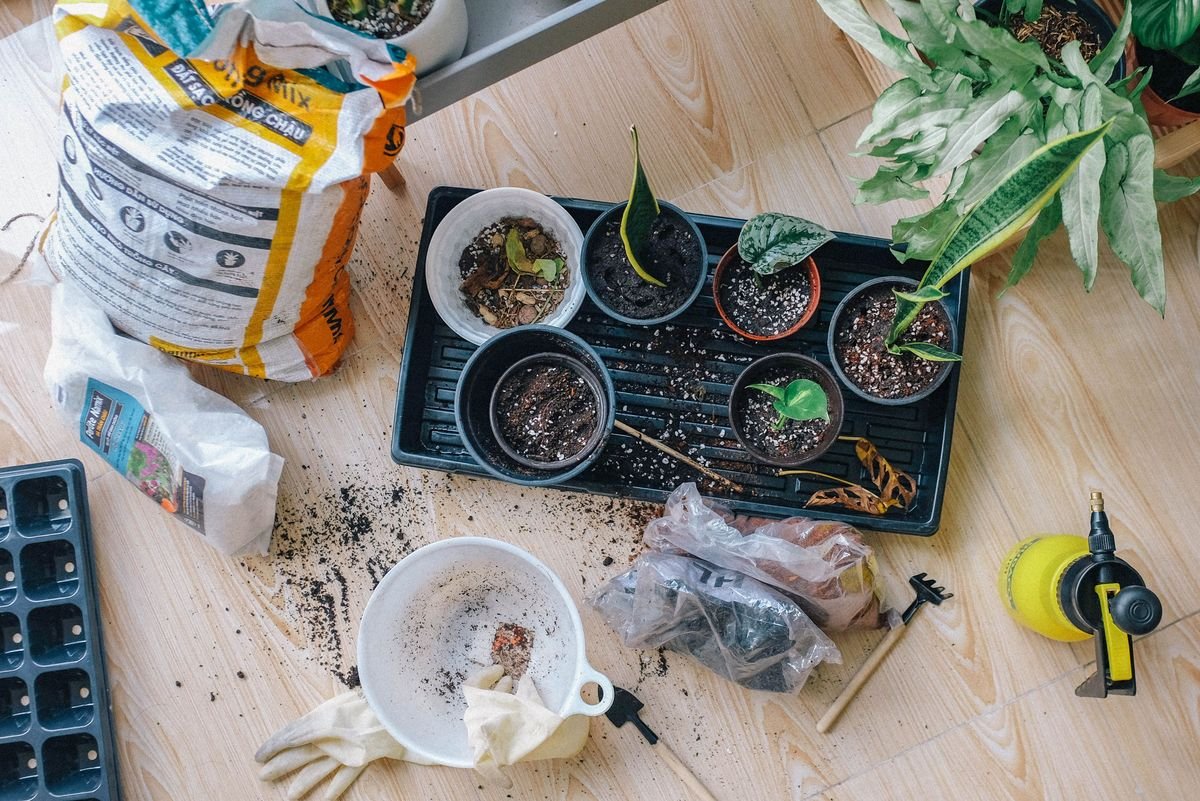
Once your dieffenbachia begins pushing out new leaves, maintaining consistent care will prevent future leaf drop.
Establish a dependable routine tailored to the seasonal needs of your indoor environment.
- Provide consistent bright, filtered light from an east or north-facing window.
- Maintain indoor humidity levels around 50 to 60 percent using a humidifier or pebble tray.
- Feed your plant with a balanced, water-soluble houseplant fertilizer diluted to half strength once a month during spring and summer.
- Inspect the undersides of new leaves regularly for common pests such as spider mites, mealybugs, and scale.
- Clean dust from the foliage gently with a damp cloth once leaves mature to keep photosynthetic pathways clear.
With proper light, measured watering, and a steady indoor climate, your dieffenbachia will quickly return to its lush, eye-catching self.
How Healthy Is Your Dieffenbachia Cane?
Answer 4 quick questions to see your result