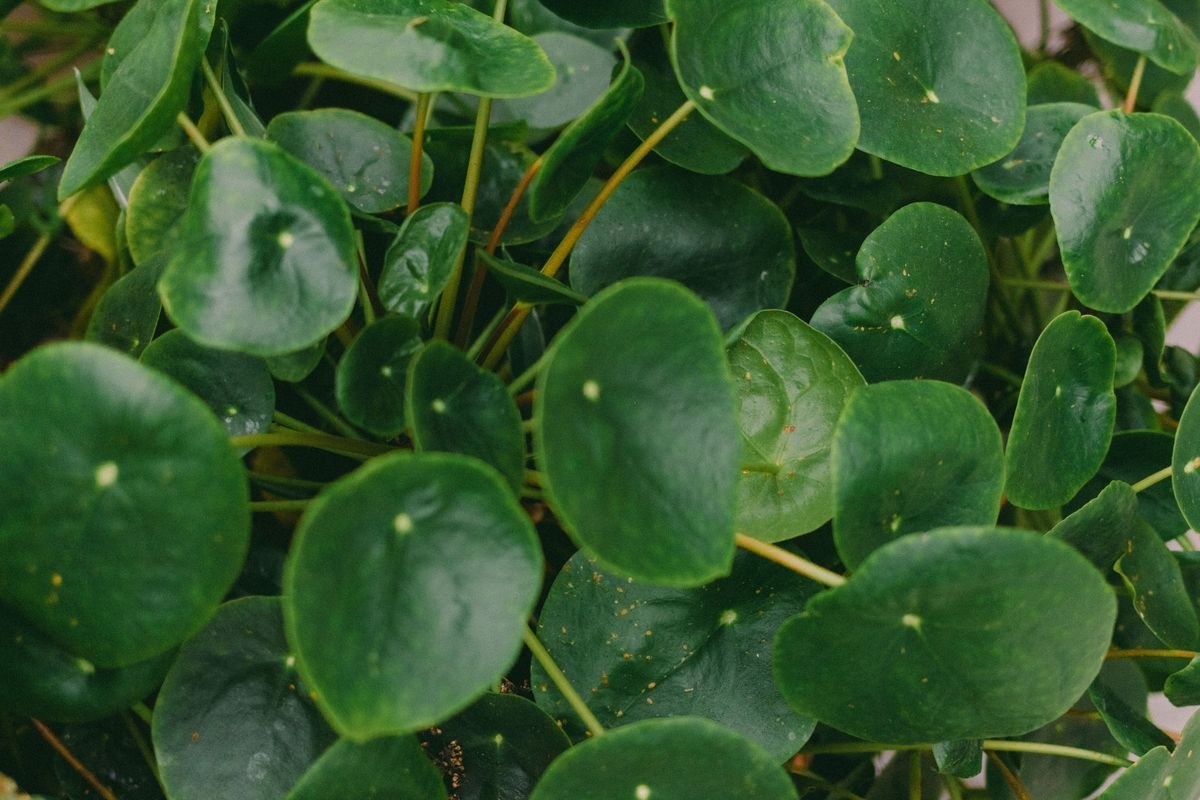
The Chinese money plant, formally known as Pilea peperomioides, has won the hearts of houseplant lovers worldwide. Its distinct coin-shaped leaves and charming growth habit make it a centerpiece in any indoor garden. Many plant parents cherish it not only for its unique look, but also for its reputation of bringing good luck and abundance.
Because the rounded leaves naturally arch outward on long petioles, it can sometimes be difficult to tell whether your plant is simply displaying its natural shape or showing genuine signs of distress. When the stems lose their springy upright posture and sag toward the rim of the pot, your plant is telling you that something in its environment needs immediate attention.
Recognizing Normal Foliage Shape
Before attempting any drastic fixes, it helps to understand what a healthy Chinese money plant looks like. The petioles on a mature plant radiate outward from a central stem, creating a lush, spherical canopy.
The leaves naturally cup slightly downward as they grow, which gives them their iconic umbrella appearance. This gentle curve is entirely normal and should not be confused with actual drooping.
True drooping happens when the leaf stems lose all internal cellular pressure. Instead of arching gracefully with firm tension, the stems sag limply against the sides of the pot, and the leaves feel soft, thin, or leathery to the touch.
The Danger of Underwatering
Thirst is the most frequent reason a Chinese money plant starts to droop. Pilea leaves rely on moisture within their cell walls to remain firm and upright. When the soil runs completely dry, the roots cannot draw up moisture, leading to a loss of turgor pressure across the entire foliage network. The leaf stems will quickly buckle under their own weight.- The lower and middle leaves will feel soft and bendable rather than crisp.
- The potting mix feels dry as dust and pulls away from the edges of the pot.
- The entire plant feels extremely light when you lift the container.
The Consequences of Overwatering
While lack of water causes drooping, giving your plant too much water can create the exact same symptom. This creates a confusing trap for many plant owners who assume a drooping plant always needs a drink.
When soil remains waterlogged for prolonged periods, the air pockets around the root system collapse. Without oxygen, root cells suffocate and begin to decay, preventing them from transporting water to the stems above.
An overwatered plant droops because its rotted root system is functionally dehydrated, despite sitting in soggy soil. In addition to sagging stems, you will often notice lower leaves turning yellow, developing brown mushy spots, or dropping off entirely.
Always allow the top two inches of potting mix to dry out before reaching for the watering can again. If the soil stays wet for more than a week, you may need to aerate the mix or move the plant to a spot with better air circulation.
Selecting the Right Pot and Soil
Poor drainage is often the silent culprit behind watering problems. Even if your watering schedule is careful, the wrong soil or container can trap excess moisture around delicate roots. Pilea peperomioides thrives best in a light, chunky potting medium that permits rapid drainage and abundant root aeration.- Standard indoor potting soil mixed with equal parts perlite and coarse bark works wonderfully.
- Always use containers with functional drainage holes at the base.
- Unglazed terracotta pots are fantastic because their porous walls allow excess moisture to evaporate quickly.
Transplant Stress After Repotting
Moving a plant into a new home is always a major event. If your Chinese money plant started drooping immediately after being repotted, it is likely dealing with transplant shock.
During repotting, tiny root hairs responsible for absorbing water and nutrients are easily torn or disturbed. Until these delicate structures re-establish themselves in the new medium, the foliage may sag noticeably.
To minimize shock during future repotting, avoid roughly tearing the root ball apart unless the plant is severely bound. Choose a pot that is only one or two inches larger in diameter than the previous container.
Give your newly repotted plant mild, indirect light and keep the soil lightly moist. Avoid applying any fertilizer for at least four weeks, as young roots are vulnerable to chemical burns while recovering.
Insufficient Light Exposure
Light powers every biological process in your plant. In low-light corners, a Chinese money plant cannot generate enough energy through photosynthesis to maintain robust cellular structure.
In dim spaces, the plant will stretch toward the nearest light source. This causes the stems to grow thin, elongated, and weak, making them far more prone to collapsing under the weight of the leaves.
Low light also dramatically slows the rate at which soil dries out. This creates a double hazard by making your plant substantially more vulnerable to root rot.
Position your plant in a spot that receives plenty of bright, indirect sunlight throughout the day. An east-facing window sill or a spot a few feet back from a south-facing window provides ideal illumination.
Sunburn and Heat Stress
While your plant appreciates generous light, intense direct sun can be equally harmful. The coin-like leaves of a Pilea are sensitive to harsh, unfiltered ultraviolet rays.
Direct midday sunlight can scorch the foliage, leading to bleached patches, brown crispy edges, and rapid wilting from moisture loss.
If you notice your plant wilting during the hottest hours of the afternoon, check the temperature and sun exposure on the foliage. High heat combined with direct sun forces the plant to lose moisture faster through transpiration than the roots can replace.
Sheer curtains are an excellent way to soften harsh light while still giving your plant the brightness it needs to flourish.
Temperature Swings and Drafts
Pilea peperomioides prefers stable indoor temperatures ranging between 65 and 75 degrees Fahrenheit. Sudden shifts in room temperature can shock the plant and cause sudden drooping.
Drafty entryways, open windows in autumn, or air conditioning vents blowing cold air directly onto foliage will cause leaves to curl downward and drop prematurely.
Similarly, heating units, radiators, and fireplaces can create pockets of dry, superheated air that sap moisture from leaves in a matter of hours.
Keep your plant in a stable location where room temperatures remain consistent day and night. If you move your plant outside for the summer months, bring it back indoors before nighttime temperatures dip below 55 degrees.
Dealing with Common Houseplant Pests
Sap-sucking insect pests are another hidden cause of wilting foliage. Tiny invaders pierce the outer tissue of stems and leaves to drink the nutrient-rich fluid inside. As the pest colony grows, the continuous loss of sap deprives the plant of vital hydration, causing the stems to droop and the leaves to show speckled yellow spots.- Spider mites produce fine, dusty webbing on the undersides of leaves and in stem joints.
- Mealybugs look like small tufts of white cotton nestled along petioles.
- Fungus gnats buzz around the soil surface and indicate excessively damp growing conditions.
- Scale insects appear as small, immobile brown bumps along stems.
Nutrient Deficiencies and Fertilizer Habits
Like all indoor plants, Chinese money plants need balanced nutrition to produce strong cell walls and lush greenery. Over time, potting soil loses its built-in nutrients.
A lack of essential minerals such as nitrogen, potassium, or magnesium can result in pale, weak stems that struggle to stay upright. However, over-fertilizing is often far more dangerous than under-fertilizing.
Applying concentrated synthetic fertilizers can burn delicate root tips, destroying the plant’s ability to drink water and causing rapid drooping accompanied by crispy leaf tips.
Feed your plant with a balanced, organic liquid houseplant fertilizer diluted to half strength once every two to three weeks during active spring and summer growth. Suspend all feeding during late autumn and winter when the plant naturally rests.
Restoring Your Plant to Full Health
Reviving a drooping Chinese money plant requires patience and a systematic approach. Start by assessing soil moisture at root level using your finger or a wooden skewer.
If the soil is bone dry, hydrate the plant thoroughly and watch for improvement over the next twelve to twenty-four hours. Thirsty Pileas usually bounce back with impressive speed.
If the soil is wet, inspect the roots for signs of rot. Healthy roots are firm and pale cream, while rotted roots are dark brown, mushy, and carry a sour smell. Trim away damaged root material with clean shears and repot into fresh, dry, well-draining soil.
Prune away severely damaged or yellowing lower leaves to allow the plant to focus its energy on new, healthy foliage. With consistent moisture, bright indirect light, and steady temperatures, your plant will soon regain its vibrant posture.
Why Is Your Chinese Money Plant Drooping?
Answer 4 quick questions to see your result