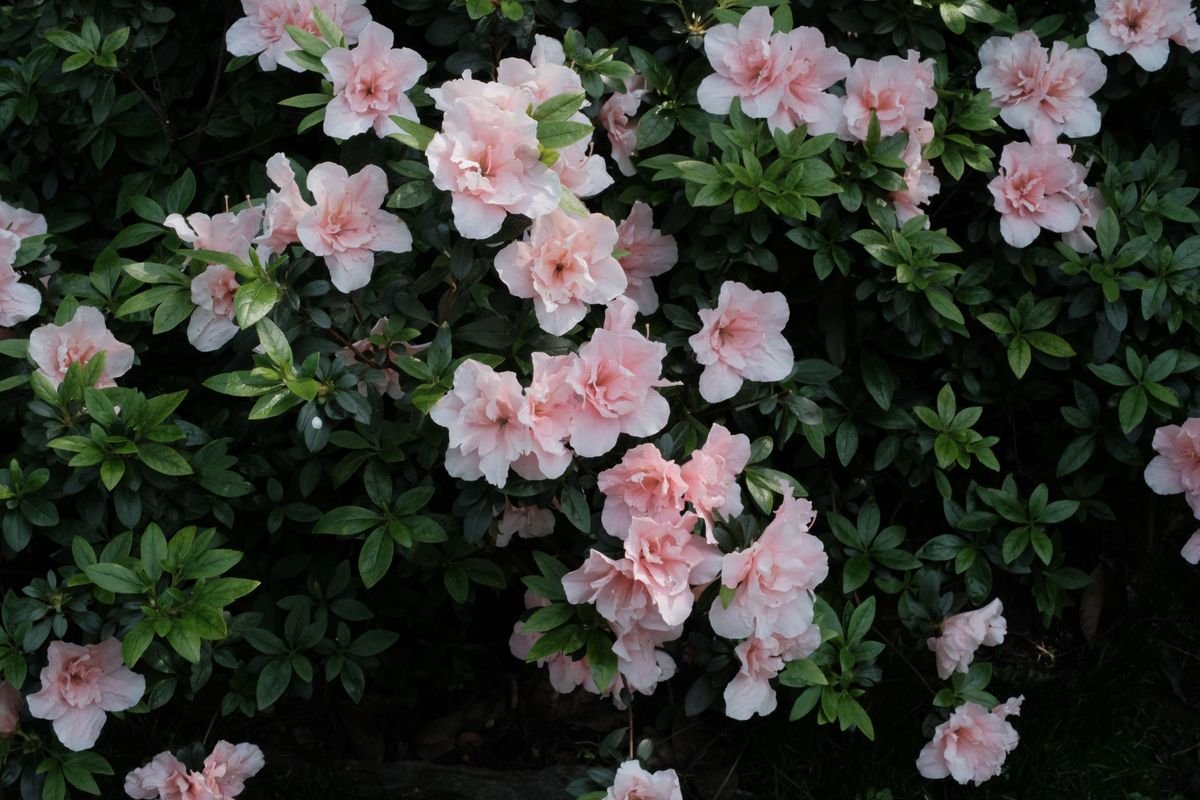
Rhododendrons are prized for their spectacular springtime display of vibrant blooms. When spring arrives and your shrub produces only green foliage or drops its buds before opening, it can be deeply disappointing.
Non-blooming rhododendrons are usually reacting to specific environmental stresses, improper timing in garden chores, or nutritional imbalances. Understanding what triggers bud development and what damages delicate flower buds will help you bring your shrub back into full bloom.
Understanding the Rhododendron Bloom Cycle
Rhododendrons do not develop their flower buds in spring right before opening. Instead, they set next year’s flower buds during the mid to late summer of the previous year.
These embryonic buds sit on the branches through autumn and winter, waiting for warming temperatures to trigger their final swelling and opening.
Because of this prolonged cycle, a failure to flower in spring is often the result of an event or practice that happened six to nine months earlier.
Leaf buds and flower buds look different on the stem. Flower buds are noticeably rounder, plumper, and larger than the slender, pointed leaf buds. If your plant only has small, pointed buds in early spring, it never set floral buds the prior year.
Pruning at the Wrong Time of Year
Incorrect pruning is one of the most frequent reasons rhododendrons produce zero flowers. Because flower buds form on old wood during mid-summer, any pruning done in late summer, autumn, or winter removes the future flowers.
Pruning should always take place immediately after the current year’s flowers fade. This gives the shrub ample time to generate fresh stems and establish new floral buds before the dormant period begins.
Late pruning also stimulates tender new shoots that do not have enough time to harden off before cold weather arrives. These soft stems frequently freeze, weakening the shrub.
If you need to shape an overgrown rhododendron, prune it in stages right after flowering rather than performing a severe late-season cutback.
Late Spring Frost and Cold Snap Damage
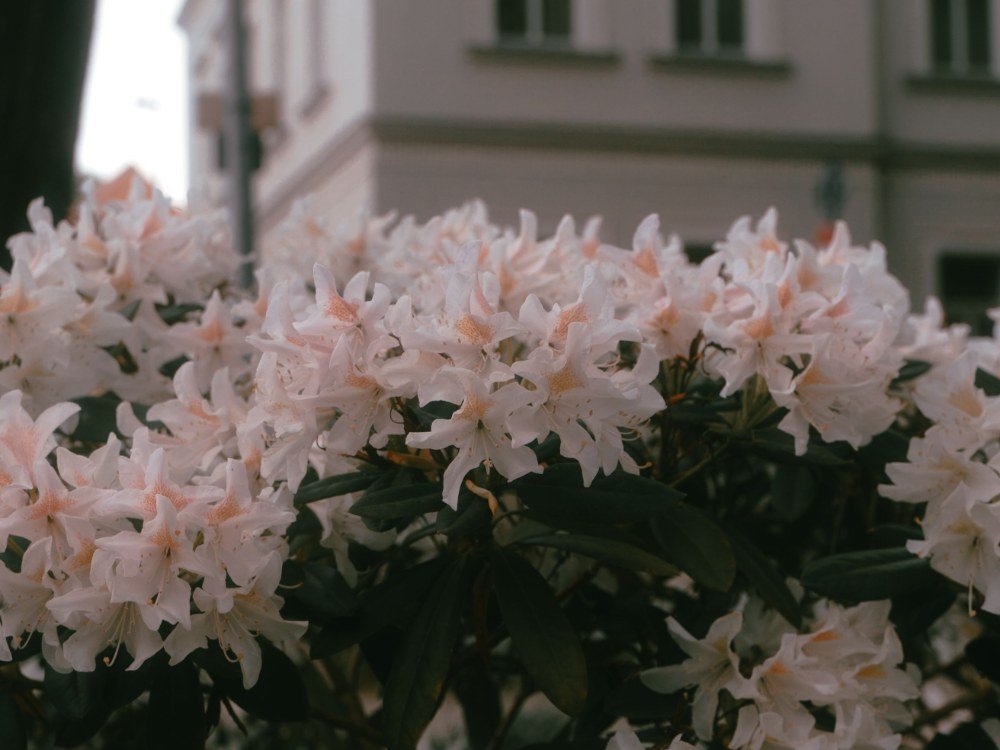
Early blooming rhododendron varieties are particularly vulnerable to sudden drops in temperature after winter dormancy has broken.
When warm weather arrives early, the plant begins pushing sap toward the flower buds. If a severe frost occurs during this vulnerable swelling phase, the inner flower petals freeze and turn brown inside the protective scales.
Damaged buds will often turn papery and drop off without opening, or they may rot directly on the branch.
- Early varieties like PJM, April Snow, and Blue Baron need close monitoring when spring weather is unpredictable.
- Cover shrubs with burlap or frost cloth supported by stakes when sub-freezing nights are forecasted.
- Avoid letting heavy covers rest directly against the fragile buds.
- Apply a generous layer of wood chip mulch over the root zone to insulate the root system from rapid freeze-thaw cycles.
Severe Under-Watering and Drought Stress
Rhododendrons have very shallow, fibrous root systems that dry out quickly in hot weather. When a shrub suffers from moisture stress during bud formation in mid-summer, it conserves its energy by aborting flower development.
Even if buds successfully formed the previous summer, a dry spell in late winter or early spring can cause those buds to desiccate and fall off before opening.
Leaves that droop, curl inward along their central vein, or lose their glossy luster are signaling acute drought stress.
Provide deep, consistent watering during dry spells, ensuring moisture penetrates the top 10 to 12 inches of soil where the root system resides. Mature shrubs benefit from thorough soaking every two weeks during dry summer stretches.
Excessive Nitrogen and Fertilizer Mistakes
Over-feeding is just as detrimental to flower production as starving the plant. Applying fertilizers with high nitrogen levels encourages rampant, soft green foliage at the expense of flower buds.
Heavy nitrogen applications signal the plant to spend all its resources on vegetative growth. As a result, the shrub looks lush and green but produces very few blooms.
Avoid applying high-nitrogen fertilizers after mid-summer. Late fertilizer stimulates tender new growth that cannot harden before winter, leaving the plant open to frost damage.
Use a slow-release, acid-forming fertilizer formulated specifically for ericaceous plants, applied sparingly in early spring as new growth starts.
Incorrect Soil pH and Nutrient Lockout
Rhododendrons are strictly acid-loving shrubs that require a soil pH range between 4.5 and 5.5. When soil pH climbs above 6.0, the plant cannot absorb essential micronutrients like iron, even if they are present in the soil.
This condition causes interveinal chlorosis, where leaves turn pale yellow while the veins stay dark green. A shrub suffering from chronic nutrient lockout lacks the energy needed to produce flower buds.
Soil near concrete walkways, building foundations, and masonry often has an elevated pH because lime leaches out of the concrete over time.
Test your soil with a reliable testing kit before planting. You can lower the pH by incorporating organic matter, elemental sulfur, or peat moss into the surrounding soil bed.
Insufficient Sunlight and Dense Shade
While rhododendrons naturally thrive under open tree canopies, too much shade drastically reduces flower production. The shrub requires sufficient light energy to build the carbohydrates needed for bud initiation.
Plants placed in deep, permanent shade will stretch toward the light, producing thin, leggy stems and dark green leaves, but little to no floral buds.
Most rhododendrons perform best with morning sun and dappled afternoon shade. Morning sunlight provides the photosynthetic energy required for bud formation, while afternoon shade protects foliage from sunburn.
If surrounding trees have overgrown your shrub, carefully thin out higher branches to restore dappled light to the rhododendron below.
Planting Depth and Root Suffocation
Because rhododendrons possess fine roots that require high levels of oxygen, planting them too deeply can severely stunt their growth and halt flowering.
When the root ball is buried below the surrounding grade, the roots cannot access adequate oxygen, leading to chronic root stress and poor vigor.
Always position the top of the root ball level with or slightly above the surrounding soil surface when planting.
Apply mulch around the base of the shrub to maintain soil moisture, but keep the mulch pulled back several inches away from the main trunk. Piling mulch directly against the bark can trap excessive moisture and cause stem rot.
Fungal Diseases and Bud Blast
Several fungal infections can attack flower buds directly, causing them to die before opening. One common problem is bud blast, caused by a fungus that often enters through wounds created by rhododendron leafhoppers.
Infected flower buds turn dry, brown, and brittle in late autumn or winter, failing to open when spring arrives. These dead buds remain firmly attached to the branches, often covered in tiny black bristles.
Another issue is Botrytis petal blight, which thrives in cool, humid, and poorly ventilated garden spots.
- Carefully snap off and dispose of dead, brown buds in household trash to reduce fungal spores.
- Avoid overhead watering, which wets the buds and provides ideal conditions for fungal spore germination.
- Ensure good air circulation around the shrub by pruning adjacent overcrowded plants.
Natural Biennial Bearing Patterns
Some rhododendrons naturally fall into a biennial bearing pattern, producing a massive explosion of flowers one year followed by very few blooms the next.
A heavy bloom season consumes enormous amounts of stored carbohydrate reserves, leaving the shrub depleted during the summer when new buds need to form.
Seed development also drains valuable energy. Allowing the shrub to produce large clusters of seed capsules after flowering reduces the resources available for next year’s flower buds.
You can reduce biennial bearing by deadheading spent flower clusters promptly. Carefully snap off the old flower heads right at their base using your fingers, taking care not to damage the emerging growth points directly underneath.
How to Encourage Reliable Annual Blooms
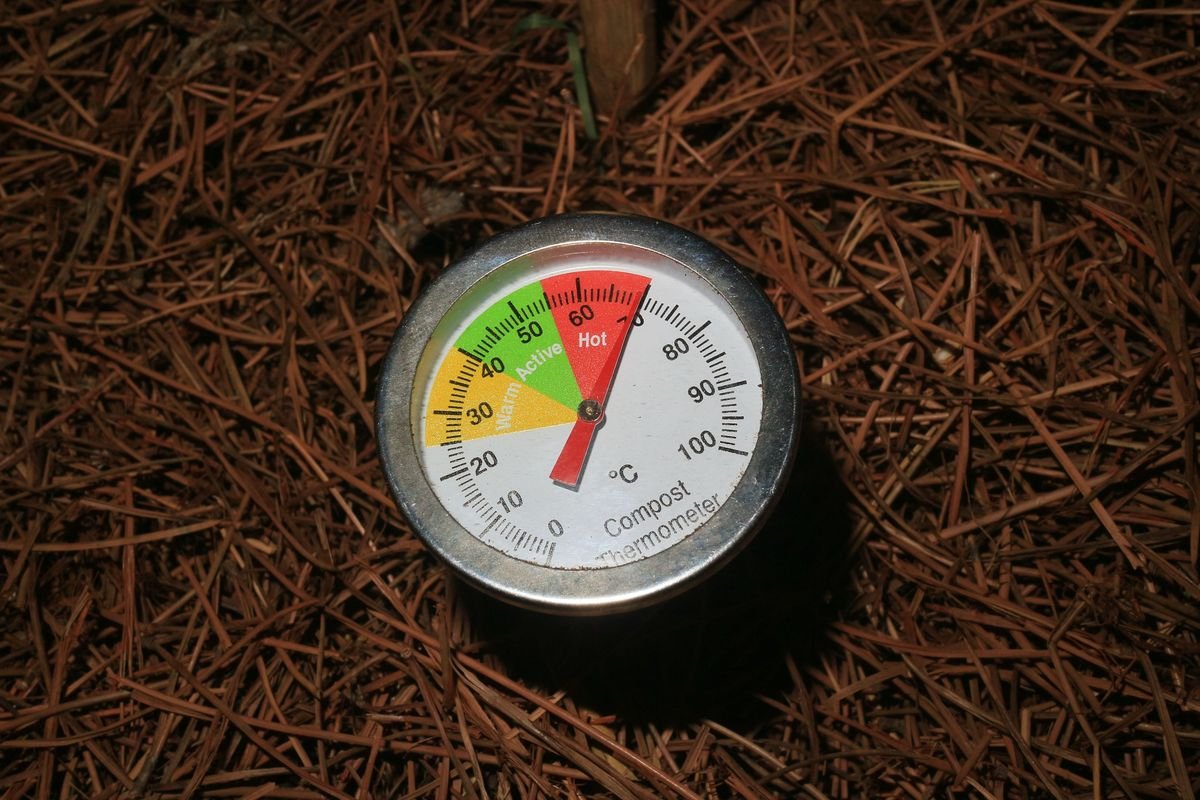
Restoring consistent blooms to your rhododendron requires creating the right balance of moisture, light, nutrition, and timing.
- Test the soil pH every two years to ensure it remains in the ideal acidic range between 4.5 and 5.5.
- Water deeply during summer heat waves and dry autumns so new flower buds develop properly.
- Apply a light layer of pine needles or shredded bark mulch every spring to retain moisture and insulate roots.
- Remove spent flower clusters immediately after the blooming period ends.
- Prune only within the two to three weeks following petal drop.
- Protect early-blooming cultivars from sudden late spring frosts using breathable plant covers.
With these consistent care practices in place, your rhododendron will rebuild its energy reserves and reward you with vibrant spring blooms year after year.
Why Is Your Rhododendron Not Blooming?
Answer 4 quick questions to see your result