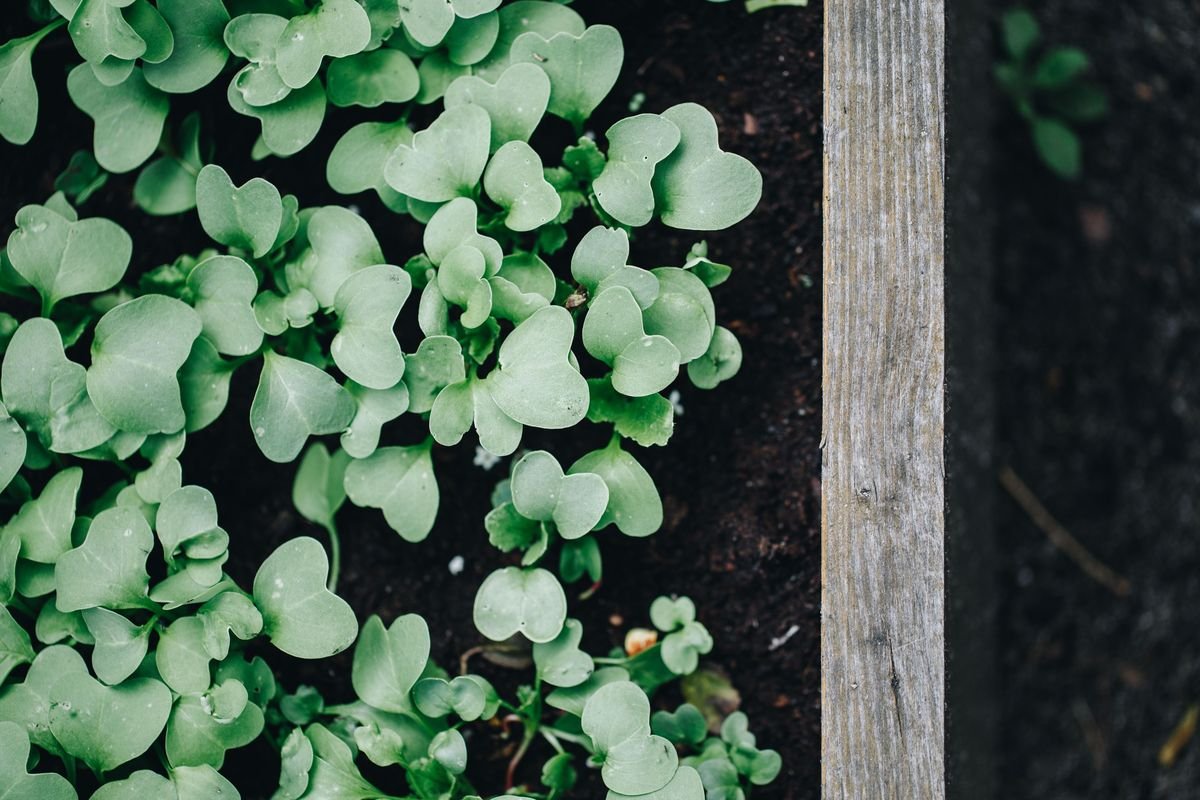
Starting a garden is exciting, but learning about plant nutrients can feel overwhelming for beginners. You might hear experienced growers constantly talk about nitrogen levels in the soil.
Nitrogen is one of the most important elements for healthy plant development. Understanding how plants use nitrogen, how to spot warning signs, and how to fix depleted soil will help keep your plants lush and vibrant.
What Nitrogen Really Is
Nitrogen is a natural element that makes up the majority of Earth’s atmosphere.
Even though nitrogen gas surrounds us in the air, most plants cannot absorb it directly through their leaves. Instead, plants depend on beneficial microbes in the soil to convert atmospheric nitrogen into usable forms like nitrates and ammonium.
Once converted, plant roots easily absorb these compounds through moisture in the soil, fueling daily growth.
The Role of Nitrogen in Plant Growth
Plants need nitrogen to build essential proteins, enzymes, and nucleic acids.
Without nitrogen, a plant cannot produce amino acids, which are the fundamental building blocks of plant structure. Every new stem, leaf, and root tip requires nitrogen to multiply cells and expand.
When a plant has steady access to nitrogen, it develops strong stems and dense, healthy foliage.
How Nitrogen Powers Photosynthesis

Nitrogen is a primary component of chlorophyll, the green pigment inside plant cells.
Chlorophyll absorbs sunlight and drives the process of photosynthesis, allowing plants to turn light energy into sugars. These sugars provide the daily fuel a plant needs to survive.
If nitrogen is scarce, chlorophyll production drops, causing the plant’s natural energy factory to slow down.
Signs of Nitrogen Deficiency in Plants
The most common sign of nitrogen deficiency is yellowing foliage, a condition known as chlorosis. Because nitrogen is a mobile nutrient, the plant moves its limited nitrogen reserves to newer, upper leaves first. As a result, older leaves near the base of the plant turn pale green or yellow before dropping off. Here are the most common symptoms to look for:- Pale green or yellowing lower leaves
- Stunted or unusually slow overall growth
- Thin, weak stems that bend easily
- Premature leaf drop starting from the bottom up
Other Causes of Yellow Leaves
Yellow leaves do not always mean your soil lacks nitrogen.
Overwatering is a frequent culprit because soggy soil suffocates roots, preventing them from absorbing available nutrients. Pest infestations, root rot, and insufficient sunlight can also produce yellow foliage.
Before adding fertilizer, inspect your plant for pests, check soil moisture levels, and confirm lighting conditions.
How to Test Garden Soil for Nitrogen

A simple soil test kit can give you a clearer picture of your garden’s nutrient levels.
Home test kits and digital soil meters are available at most garden centers. You can also send soil samples to a local agricultural extension office for a comprehensive laboratory analysis.
Keep in mind that soil nitrogen levels fluctuate quickly based on rain, temperature, and microbial activity, so testing multiple spots gives the best baseline.
Organic Ways to Add Nitrogen
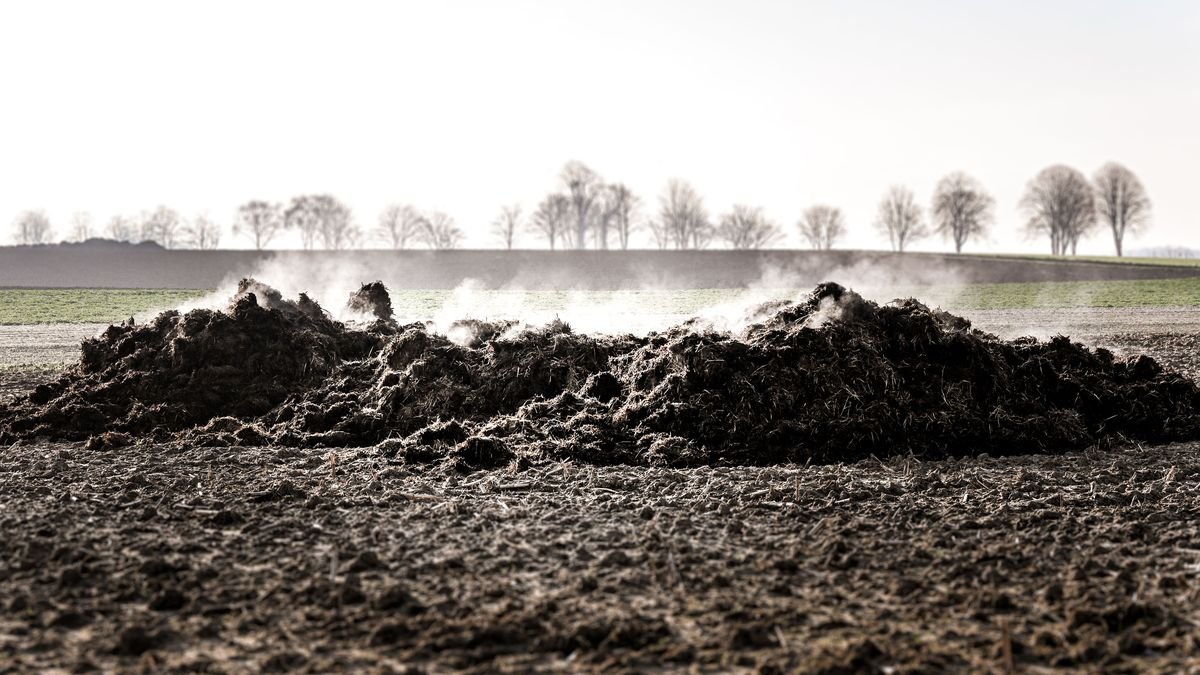
If your soil needs a gentle, long-lasting nitrogen boost, organic amendments are an excellent choice. Organic materials release nutrients slowly as they break down, reducing the risk of nutrient burn while improving soil structure. Popular organic nitrogen sources include:- Well-rotted compost or aged manure
- Blood meal or feather meal for a concentrated boost
- Fish emulsion for fast-acting liquid feeding
- Coffee grounds worked lightly into the top layer of soil
- Cover crops like clover or peas that fix nitrogen naturally
Using Commercial Fertilizers
Commercial fertilizers offer a convenient and precise way to supply nitrogen.
When buying synthetic fertilizer, look at the three-number NPK ratio on the package. The first number represents nitrogen, the second is phosphorus, and the third is potassium.
A fertilizer with an NPK ratio of 10-5-5 provides a high dose of nitrogen designed to encourage leafy growth. Always follow the manufacturer instructions carefully to avoid overfeeding.
Dangers of Too Much Nitrogen
Giving your plants too much nitrogen can cause serious damage.
Excess nitrogen forces plants to produce rapid, weak foliage at the expense of root growth, flowers, and fruit. It can also cause fertilizer burn, where leaf tips turn brown, crispy, and dry.
High nitrogen levels also attract sap-sucking pests like aphids, which prefer feeding on tender, rapid new growth.
Best Practices for Healthy Soil
Maintaining steady soil health is the best way to prevent nutrient problems.
Add a layer of organic mulch around your plants each spring to preserve moisture, feed soil microbes, and steadily replenish nutrients. Practice crop rotation in vegetable beds to prevent specific plants from exhausting the soil.
With regular observation and balanced feeding, your garden will stay healthy, green, and productive all season.
Does Your Plant Have a Nitrogen Deficiency?
Answer 4 quick questions to see your result