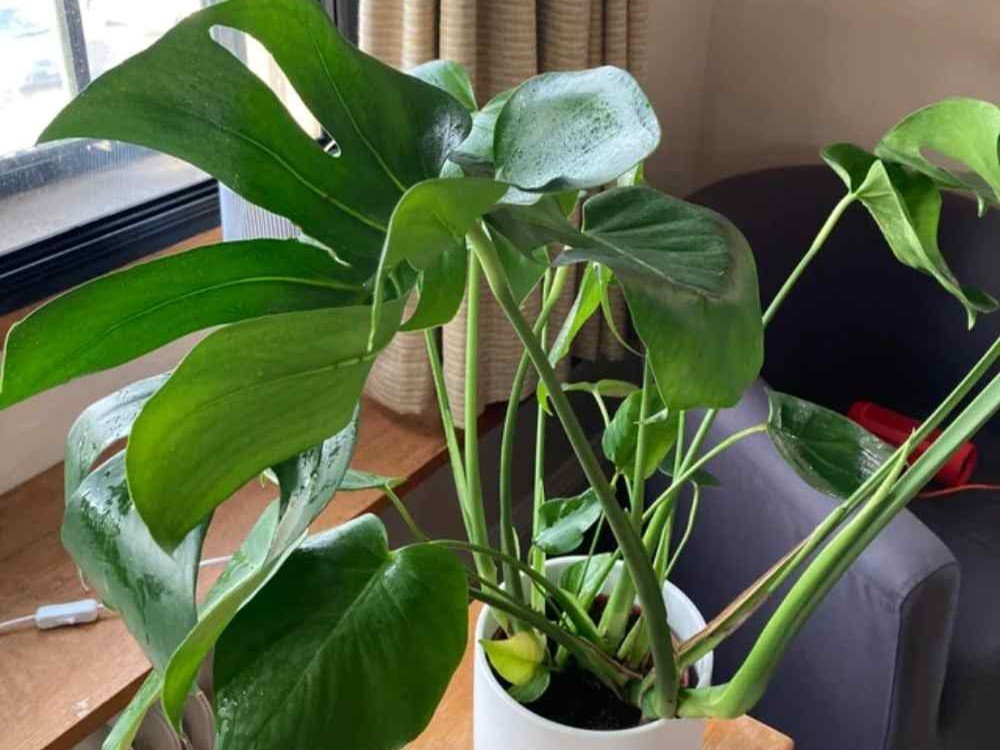
Monstera deliciosa is prized for its dramatic, glossy foliage and signature fenestrations that bring an instant jungle aesthetic indoors.
When those broad green leaves begin to curl inward, crisp at the margins, or roll downward, it is usually a clear cry for help. Curling is an instinctive defense mechanism that reduces surface area to conserve vital moisture when the plant experiences environmental stress.
Understanding Monstera Leaf Curling
Monstera foliage relies on balanced internal water pressure, known as turgor pressure, to maintain its broad and flat shape.
When moisture escapes through transpiration faster than the roots can take it up, the leaf cells lose firmness. As a result, the leaf margins roll inward to trap humidity around the stomata and limit further water loss.
Immature leaves naturally unfurl in a curled state when they first emerge from the petiole sheath. If mature foliage begins to roll or fold, you are dealing with an underlying issue in your care routine or growing environment.
Signs of Underwatering
The most common culprit behind curling foliage is simple dehydration.
When the potting medium dries out completely, the root system cannot supply water to the enormous surface area of the leaves. As moisture levels drop, the leaves curl inward and feel papery or limp to the touch.
- The soil pulls away from the inside edges of the planter pot.
- Lower and older leaves turn uniformly pale or yellow.
- Leaf tips and edges become brittle, light brown, and dry.
- The entire plant looks deflated and stems droop toward the floor.
To remedy severe underwatering, bottom-water your Monstera by placing the pot in a basin of lukewarm water for thirty minutes. This allows the root ball to rehydrate thoroughly without leaving dry pockets in the peat.
Symptoms of Overwatering and Root Rot
Curling can also indicate that your Monstera has received too much water.
When soil remains waterlogged for prolonged periods, it suffocates the root system by blocking oxygen transfer. Damaged or rotting roots lose the ability to take up moisture, which creates the paradox of a dehydrated leaf canopy sitting in saturated soil.
Overwatered leaves often curl downward while feeling soft, thick, and rubbery rather than crisp. You may also observe dark brown or black lesions with yellow halos spreading across the foliage.
If you suspect root rot, remove the plant from its container, trim away mushy black roots with sterile shears, and repot it into a fresh, well-aerated potting mix.
Direct Sunlight and Heat Stress
Monstera plants naturally grow under the dappled canopy of tropical rainforests.
When placed in intense, unfiltered direct sunlight, the surface temperature of the leaf spikes rapidly. High temperatures accelerate transpiration, causing moisture to evaporate before the vascular system can replenish it.
Leaves subjected to extreme heat will curl their edges inward to minimize sun exposure. In severe cases, bleached yellow patches or scorched brown spots will appear on the most exposed leaves.
Keep your plant in bright, indirect light where temperatures consistently sit between 68 and 85 degrees Fahrenheit. Move it several feet away from south-facing windows or hang a sheer curtain to diffuse harsh rays.
Low Ambient Humidity
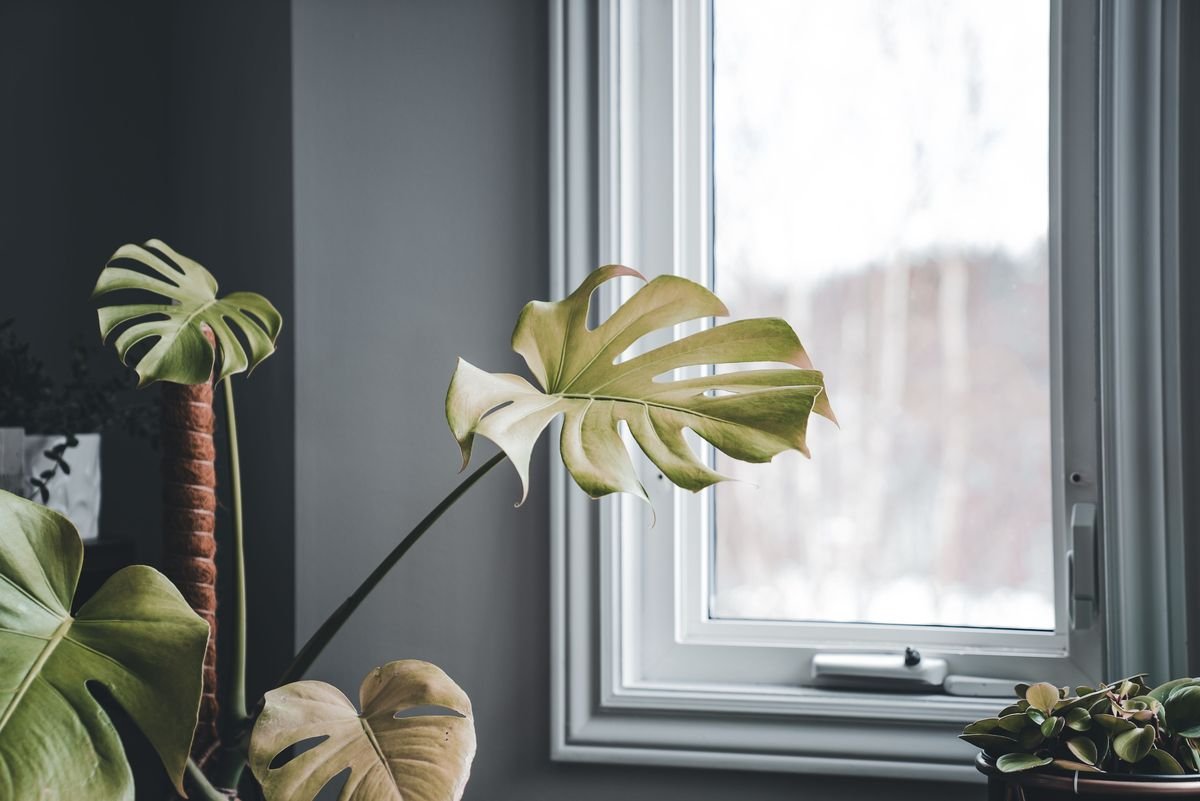
Indoor living spaces often lack the ambient moisture that tropical aroids require.
Monsteras perform best in humidity levels between 50 and 70 percent. When indoor humidity dips below 40 percent, particularly during the winter heating season, the dry air pulls moisture out of the foliage.
The edges of the leaves will roll inward and develop crunchy brown margins. Running an evaporative or ultrasonic humidifier near your plant is the most reliable way to restore ideal humidity levels.
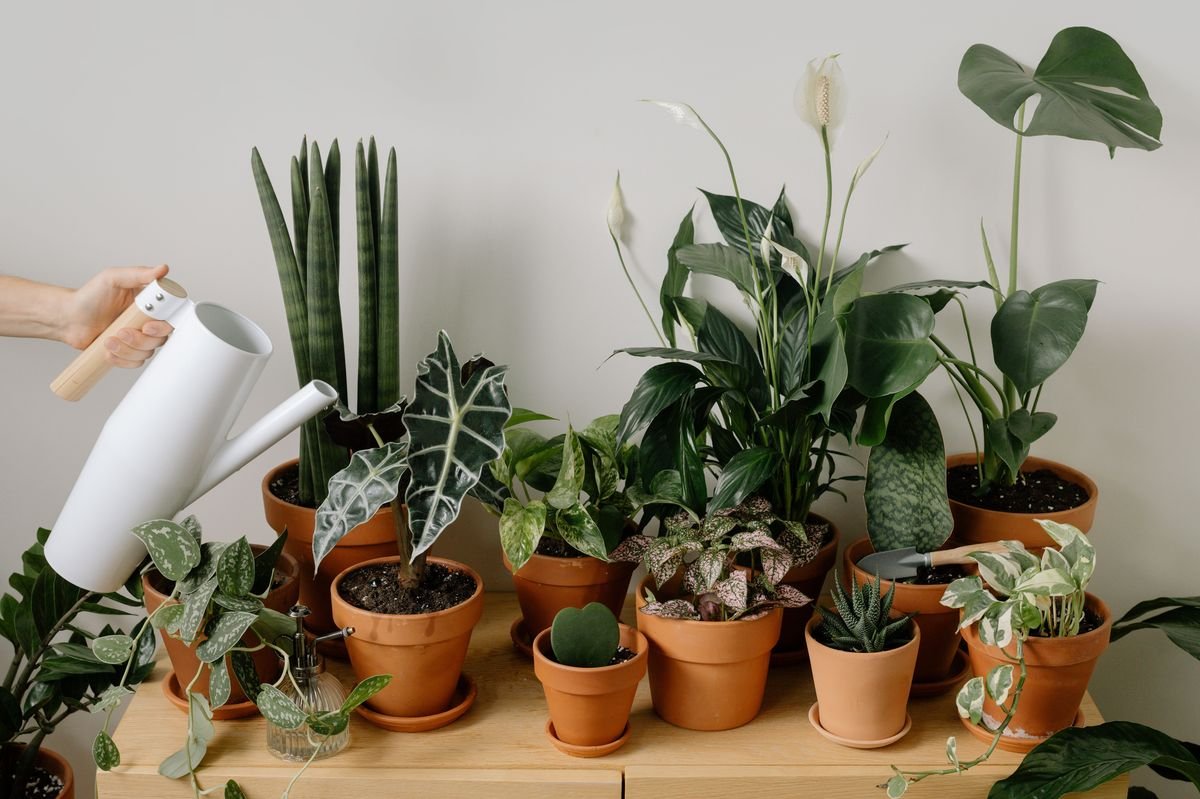
Grouping several tropical houseplants close together can also create a localized microclimate that elevates surrounding moisture naturally.
Cold Drafts and Sudden Chills
Monstera leaves are sensitive to rapid temperature drops.
Placing your plant near drafty exterior doors, unsealed single-pane windows, or blasting air conditioning units can trigger shock. Cold air disrupts cellular functions and slows down root absorption, resulting in sudden downward curling and drooping.
Keep your plant away from direct airflow paths created by vents, air conditioners, and open windows during chilly months. If the temperature consistently falls below 55 degrees Fahrenheit, the plant will stop growing and suffer vascular damage.
Using an Oversized Pot
Planting a Monstera into a container that is far too large often leads to moisture management problems.
A huge volume of potting soil holds onto substantial amounts of water that a small root system cannot absorb quickly enough. The excess moisture stays trapped at the bottom of the pot, creating anaerobic conditions that suffocate roots and induce leaf curl.
Select a container that is only two to three inches larger in diameter than the existing root ball. A gradual increase in pot size ensures that the roots can dry out the medium at a healthy, manageable pace.
Root Bound Conditions
Monstera roots are vigorous growers that can quickly fill a container within a single season.
When roots become densely wound around the perimeter of the pot, very little soil remains to hold moisture and dissolved nutrients. Water runs straight through the gaps without wetting the center of the root mass, causing rapid dehydration and leaf curling.
Check for roots pushing out of the drainage holes or wrapping tightly into a solid, impenetrable mass. Repot your plant into a slightly larger container in spring or early summer to give the root system space to expand.
Poor Soil Drainage and Compaction
Heavy, dense garden soil or compacted standard potting mixes prevent proper water drainage and oxygen movement.
Without sufficient air spaces in the substrate, roots struggle to respire and absorb nutrients. Over time, regular watering compacts peat-heavy mixes into a dense brick that resists water penetration when dry and suffocates roots when wet.
A quality aroid mix provides the coarse, chunky texture that Monstera roots crave.
- Two parts high quality standard potting soil or coco coir
- One part perlite or coarse pumice for aeration
- One part orchid bark to create large oxygen pockets
- One half part horticultural charcoal or worm castings for nutrient retention
Lack of Soil Aeration
Young Monstera plants rely solely on underground roots to absorb oxygen until they develop thick aerial roots along their main stems.
If the potting medium settles into a uniform, dense mass, the fine feeder roots can easily suffocate. Poking the soil with a wooden chopstick can offer temporary relief, but it does not fix structural soil issues.
Incorporating chunky materials like coarse pumice, perlite, and pine bark ensures that air pockets remain intact even after repeated waterings.
Sap Sucking Insect Pests
Pest infestations can drain a plant of its vital fluids, causing leaves to curl, distort, and develop yellow stippling.
Thrips, spider mites, mealybugs, and scale insects feed directly on plant tissue, puncturing cell walls to suck out nutrient-rich sap. As cells collapse, the leaf margins curl inward to protect remaining moisture reserves.
- Tiny silver, white, or brown thrips larvae moving slowly along leaf veins
- Fine webbing spanning across leaf undersides, indicative of spider mites
- White cottony clusters tucked into leaf axils, revealing mealybugs
- Sticky honeydew residue or tiny brown domes stuck to stems and petioles
Isolate infested plants immediately to prevent pests from migrating across your collection. Wash the foliage thoroughly under a lukewarm shower and treat the leaves with insecticidal soap or cold-pressed neem oil weekly until all signs of pests disappear.
Fertilizer Burn and Salt Buildup
Overfeeding your Monstera can cause chemical root damage that presents as curled, crispy leaves.
Synthetic fertilizers deposit mineral salts that accumulate in the potting medium over time. High concentrations of salt pull moisture out of the root cells through reverse osmosis, causing root tips to burn and wither.
Leaves on overfertilized plants often curl at the tips and develop dark brown, crunchy margins. A white, crusty film may also appear on the surface of the soil or the rim of the terracotta container.
Flush the potting mix thoroughly by running tepid tap water through the container for several minutes to dissolve and leach out excess salts. Pause fertilizing until the plant shows healthy, vigorous new growth.
Windburn and Strong Fan Airflow
Air circulation is beneficial for preventing fungal issues, but excessive direct airflow can harm delicate foliage.
Positioning a fan or heater vent directly toward your Monstera sweeps away the humid boundary layer of air surrounding the leaves. This rapid air exchange dramatically increases transpiration rates and leads to windburn.
Windburn causes the leaves to curl, flutter uncontrollably, and develop dry, papery brown patches. Direct oscillating fans toward a nearby wall rather than straight at the foliage to circulate air gently throughout the room.
Transplant Shock
Repotting can cause temporary stress that manifests as leaf curling and drooping.
When roots are untangled, pruned, or disturbed during repotting, their fine root hairs get damaged. Until those root hairs regenerate, the plant cannot pull in water efficiently to support its broad leaf canopy.
Minimize transplant shock by keeping the plant in moderate, indirect light and maintaining consistent soil moisture. Avoid fertilizing for at least four weeks after repotting to allow the root system to recover fully.
How to Diagnose and Treat Your Plant
Correcting curled Monstera leaves requires a methodical process of elimination.
Begin by checking the moisture level deep within the pot using a wooden moisture meter or your finger. If the mix is bone dry three inches down, give the plant a comprehensive soaking. If the medium feels soggy and heavy, hold off on watering and evaluate root health.
Next, examine the undersides of the leaves with a magnifying glass to rule out tiny pests like thrips or spider mites. Inspect the room for cold drafts, dry heating vents, or intense direct afternoon sun.
Once the primary stress factor is identified and corrected, mature leaves will often relax and flatten out within one to two weeks.
Preventive Care for Flat and Fenestrated Leaves
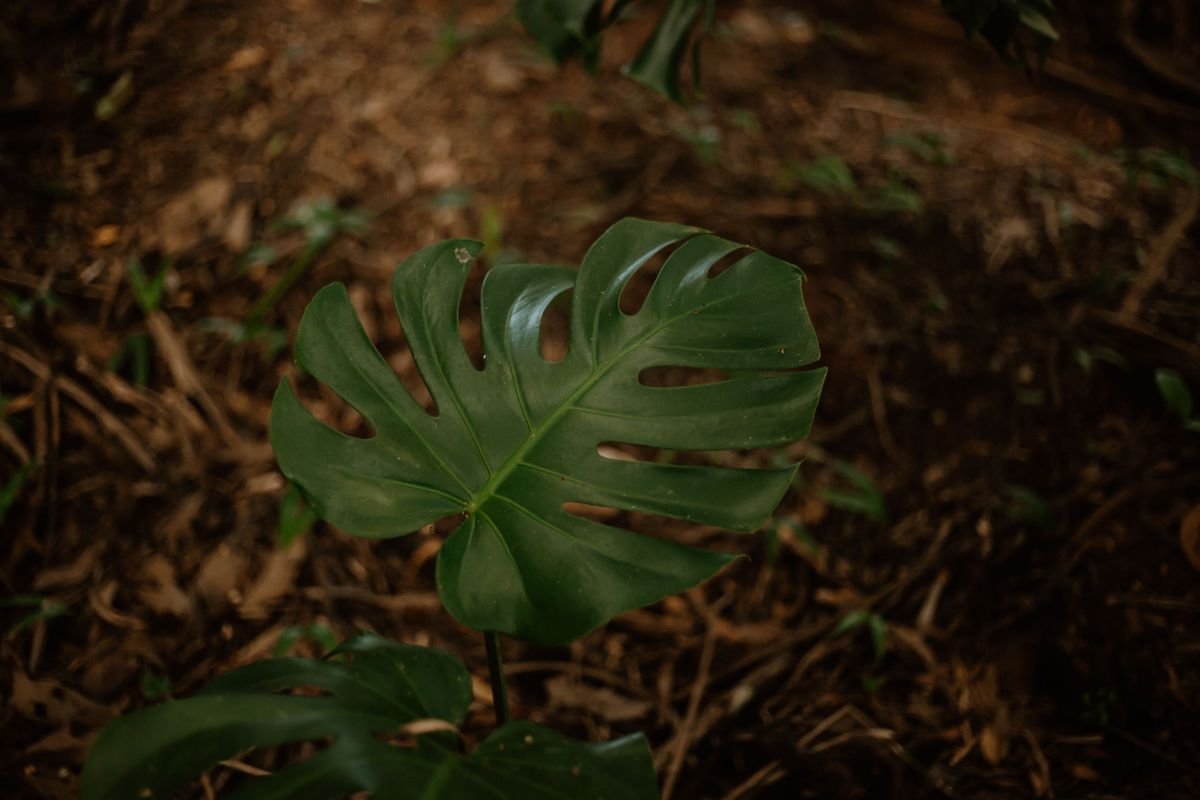
Consistent, balanced care is the most effective way to prevent leaf curling in Monstera deliciosa.
Provide your plant with strong, filtered light, an airy aroid potting mix, and a stable indoor temperature above 65 degrees Fahrenheit. Water thoroughly only when the top two to three inches of the substrate have dried out.
Wipe down the foliage once a month with a damp microfiber cloth to remove dust and optimize photosynthesis. With stable growing conditions and attentive care, your Monstera will produce broad, vibrant, and beautifully split leaves for years to come.
Why Are Your Monstera Leaves Curling?
Answer 4 quick questions to see your result