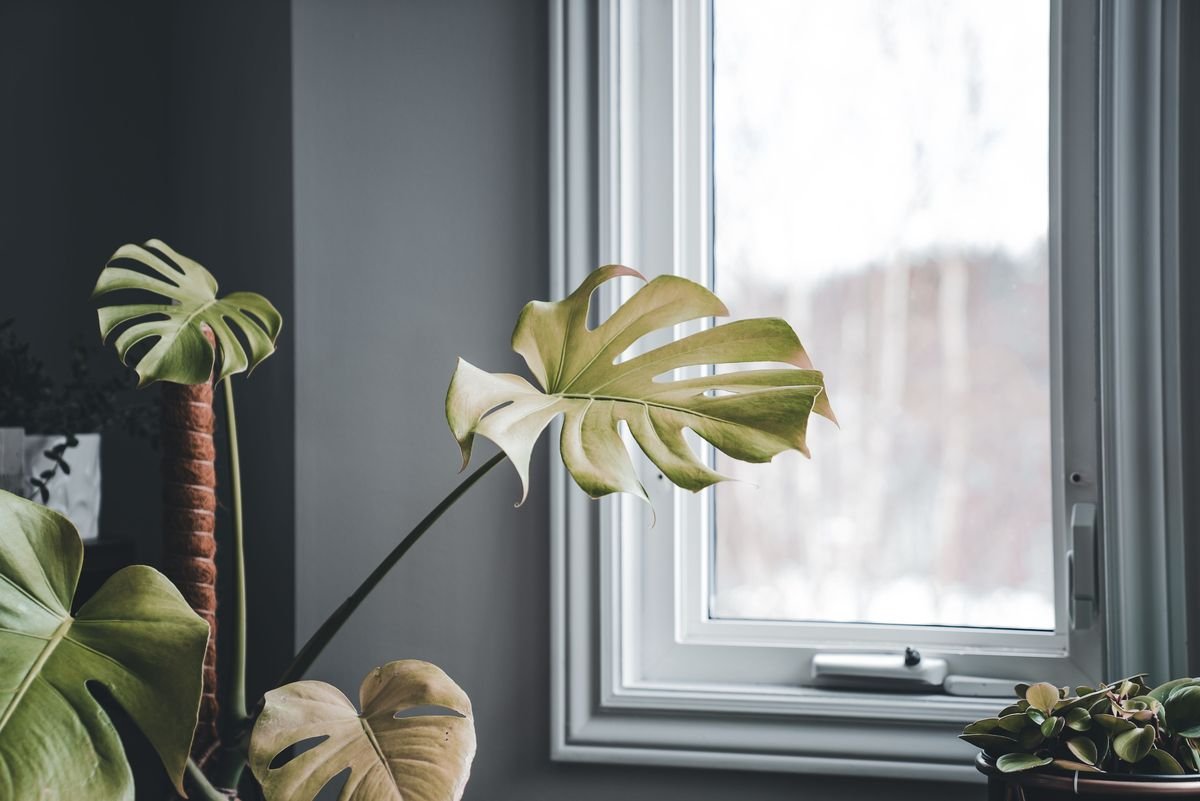
Monstera deliciosa is easily one of the most beloved houseplants in the world. Its bold, tropical aesthetic brings life to any indoor space, and plant lovers everywhere look forward to seeing those dramatic cuts and perforations emerge.
In botany, these distinctive splits and holes are called fenestrations, and they give the Swiss cheese plant its iconic appearance.
When your monstera keeps unfurling solid, heart-shaped leaves without a single slit in sight, it can feel discouraging. You might wonder if you bought the wrong variety or if your care routine is failing.
In most situations, solid leaves simply mean the plant needs a few environmental adjustments or a little extra time to mature. Here is everything you need to know to encourage deep, beautiful splits on your monstera.
Why Monstera Leaves Split
In the wild tropical rainforests of Central America, monsteras are vigorous climbing vines. They begin life on the forest floor and climb up the trunks of massive canopy trees to reach the sun. The splits in their foliage serve several vital survival purposes in this dense environment.
First, the natural holes and splits allow strong winds and heavy tropical downpours to pass straight through the leaf blades without tearing the foliage or snapping the stems.
Second, these openings let precious flecks of sunlight pass through upper leaves down to the lower foliage. Fenestrations are an evolutionary adaptation designed to help the plant capture light efficiently while withstanding harsh weather conditions.
The Role of Plant Age
One of the most common reasons a monstera produces solid leaves is juvenile age. Young monstera plants naturally produce small, heart-shaped foliage without splits. In fact, most plants will not show their first fenestration until they are at least two to three years old.
If you recently brought home a young seedling or propagated a small cutting, you simply need to exercise patience.
As long as the plant is healthy and producing progressively larger leaves, splits will appear when the vine reaches maturity.
When a cutting is taken from a juvenile section of a mother plant, it often resets its growth cycle. Continue providing steady care, and your young plant will soon reward you with its first split leaf.
Provide Plenty of Bright Light
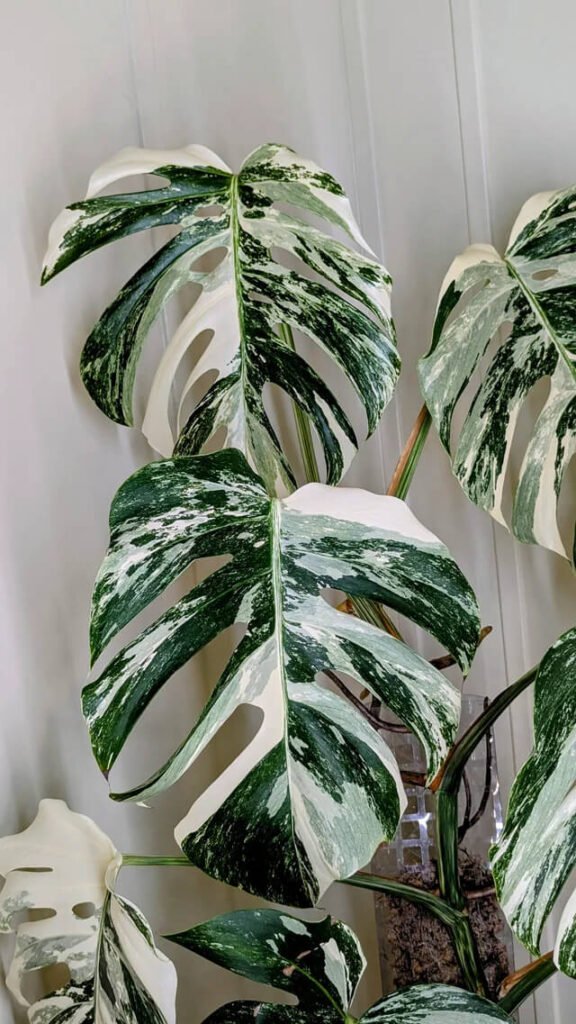
Light is the single most important environmental trigger for leaf fenestrations. While monsteras can survive in low-light environments, they will rarely produce splits without strong illumination.
In deep shade, the plant conserves its energy by producing solid green leaves that maximize surface area for light absorption.
To encourage splits, place your monstera near a window that receives bright, indirect sunlight throughout the day.
An east-facing window provides gentle morning sun, while a south-facing or west-facing window offers plenty of light as long as the plant sits a few feet back from the glass. Direct midday rays can scorch the foliage, so sheer curtains can help soften intense sunbeams.
If your home lacks natural light, high-quality full-spectrum LED grow lights are an outstanding alternative. Keep the light fixture roughly twelve to eighteen inches above the plant and run it for twelve to fourteen hours daily to simulate tropical daylight.
Fine Tune Your Watering Routine
Watering issues can halt your plant’s development and prevent new growth from developing properly. Inconsistent moisture levels or waterlogged roots stress the root system, causing the plant to prioritize basic survival over leaf fenestration.
Monsteras prefer their potting mix to dry out partially between waterings. A reliable rule of thumb is to wait until the top two to three inches of soil feel completely dry to the touch before watering thoroughly. Always ensure that excess water flows freely out of the drainage holes at the bottom of the container.
Overwatering leads to root suffocation and fungal decay, while underwatering causes the leaves to droop, curl, and stunt. Using a moisture meter or simply checking the soil with your finger will prevent accidental overwatering or dehydration.
Feed During the Active Growing Season
Producing huge, perforated leaves requires a substantial amount of energy and nutrients. Without adequate fuel, a monstera may continue to put out small, solid leaves even under bright light.
Regular feeding during the active growing months provides the building blocks needed for vigorous foliage.
Apply a balanced, water-soluble houseplant fertilizer diluted to half strength once every two to four weeks during the spring and summer.
Look for a fertilizer formula with an equal ratio of nitrogen, phosphorus, and potassium, such as a 20-20-20 or 10-10-10 blend. Nitrogen promotes healthy foliage growth, while potassium supports strong stems and cell structure.
Always apply fertilizer to damp soil rather than dry soil to avoid burning delicate roots. Pause feeding during the late autumn and winter months when plant growth naturally slows down.
Give the Stems Climbing Support
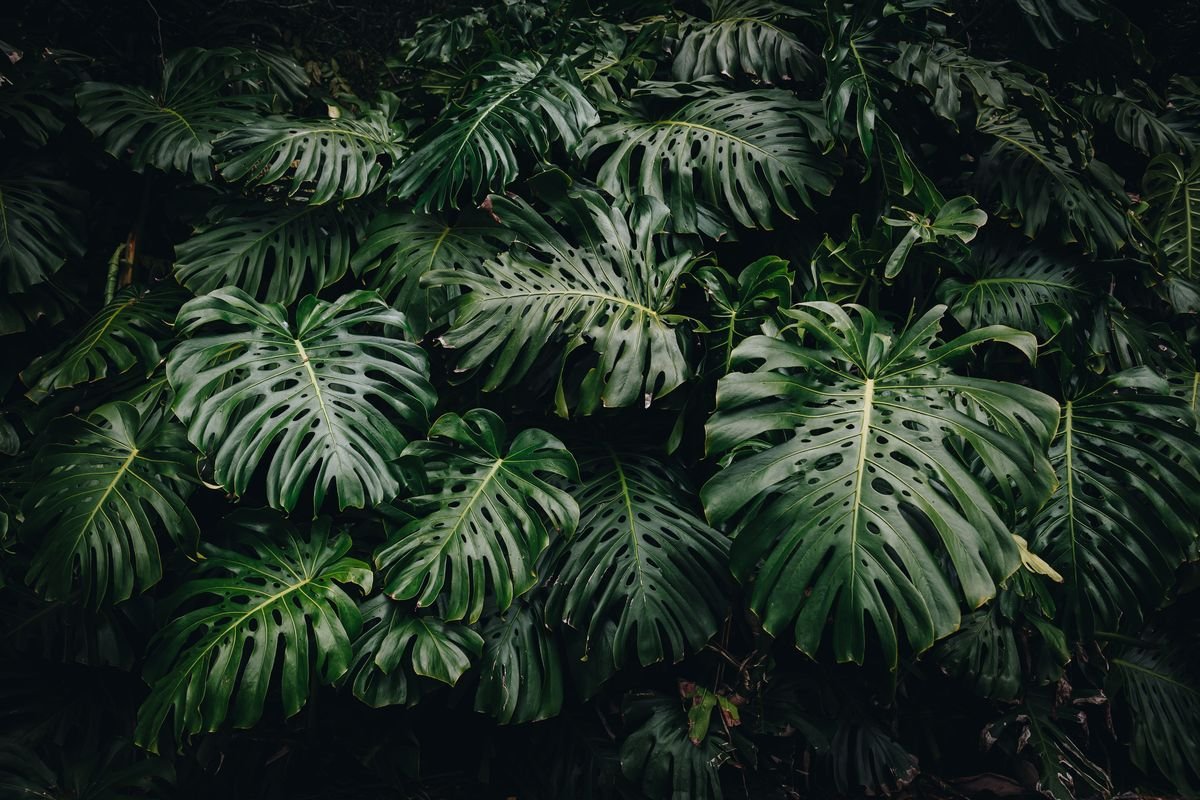
Because monstera deliciosa is a natural epiphyte and climber, providing vertical support signals to the plant that it is climbing toward the forest canopy. In response to climbing support, the plant produces thicker stems, larger foliage, and more intricate leaf splits.
Installing a moss pole, coco coir pole, or sturdy wooden trellis encourages the plant’s aerial roots to latch on and climb upward.
As the vine attaches to the support, each new leaf tends to emerge noticeably larger and more deeply split than the previous one.
You can gently secure the central vine to the pole using soft plant ties or garden velcro. Avoid tying the petioles, which are the leaf stems, directly to the pole. Leaves need freedom of movement to pivot toward light sources naturally.
Maintain Warmth and Humidity
Monsteras flourish in warm, humid conditions that mimic their native tropical climate. If your indoor environment is cold or excessively dry, your plant may experience slow growth and delayed leaf development.
Ideal indoor temperatures for a monstera range between 65 and 85 degrees Fahrenheit. Protect your plant from cold drafts near air conditioning vents, drafty windows, and exterior doorways during chilly weather. Temperatures below 55 degrees Fahrenheit can stunt growth and damage foliage.
While monsteras tolerate average household humidity, they thrive when relative humidity levels remain between 50 and 65 percent. You can boost indoor humidity around your plant using several practical methods:
- Run a cool-mist room humidifier near your plant collection.
- Group several tropical houseplants together to create a humid microclimate.
- Place the pot on a tray filled with pebbles and water, ensuring the pot base stays above the water line.
Check the Roots and Soil Mix
The health of your monstera’s root system directly influences the quality and size of its foliage. Heavy, compact potting soil retains too much moisture and prevents oxygen from reaching the roots, leading to root rot and weak leaf growth.
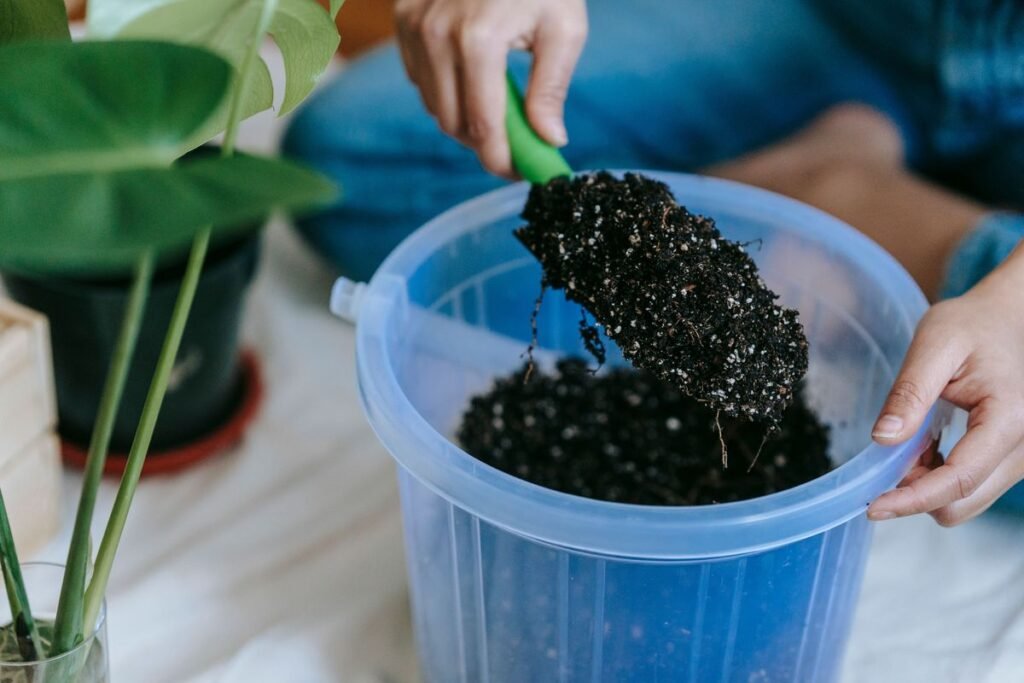
Use a chunky, well-aerated aroid potting mix that drains quickly while retaining light moisture. A great DIY recipe combines standard potting soil, perlite, orchid bark, and horticultural charcoal. This coarse texture allows roots to breathe freely and expand without restriction.
Additionally, check if your plant has outgrown its current pot. When a monstera becomes rootbound, its roots circle tightly inside the container and run out of room to absorb water and nutrients. Repotting into a container that is two inches larger in diameter gives the roots fresh soil and room to fuel new growth.
Clean Dust Off the Leaves
Large monstera leaves naturally gather indoor dust, pet hair, and household grime over time. A thick layer of dust acts as a physical barrier that blocks sunlight from reaching the chlorophyll inside the leaf cells.
When light absorption is hindered by dust, photosynthesis slows down and the plant loses the energy needed to form splits. Gently wiping down the leaves once every two to three weeks with a damp microfiber cloth keeps the foliage clean and maximizes light intake.
Avoid using commercial leaf shine chemicals, as these petroleum-based sprays can clog plant pores and interfere with natural transpiration. Lukewarm water and a soft cloth are all your monstera needs to stay vibrant and glossy.
Common Mistakes to Avoid
Encouraging your monstera to split is straightforward once you eliminate simple care mistakes. Avoiding these frequent missteps will keep your plant thriving and producing stunning fenestrated foliage all year long.
- Do not place the plant in deep interior rooms where it relies solely on dim ambient lighting.
- Do not force open newly unfurling leaves, as manual unrolling causes permanent tears and deformities.
- Do not over-fertilize in an attempt to speed up growth, which can lead to chemical root burn.
- Do not leave standing water in saucers or cachepots after watering.
- Do not cut off healthy aerial roots; gently tuck them into the soil or train them up a moist support pole.
Monstera Fenestration Readiness Assessment
Answer 4 quick questions to see your result