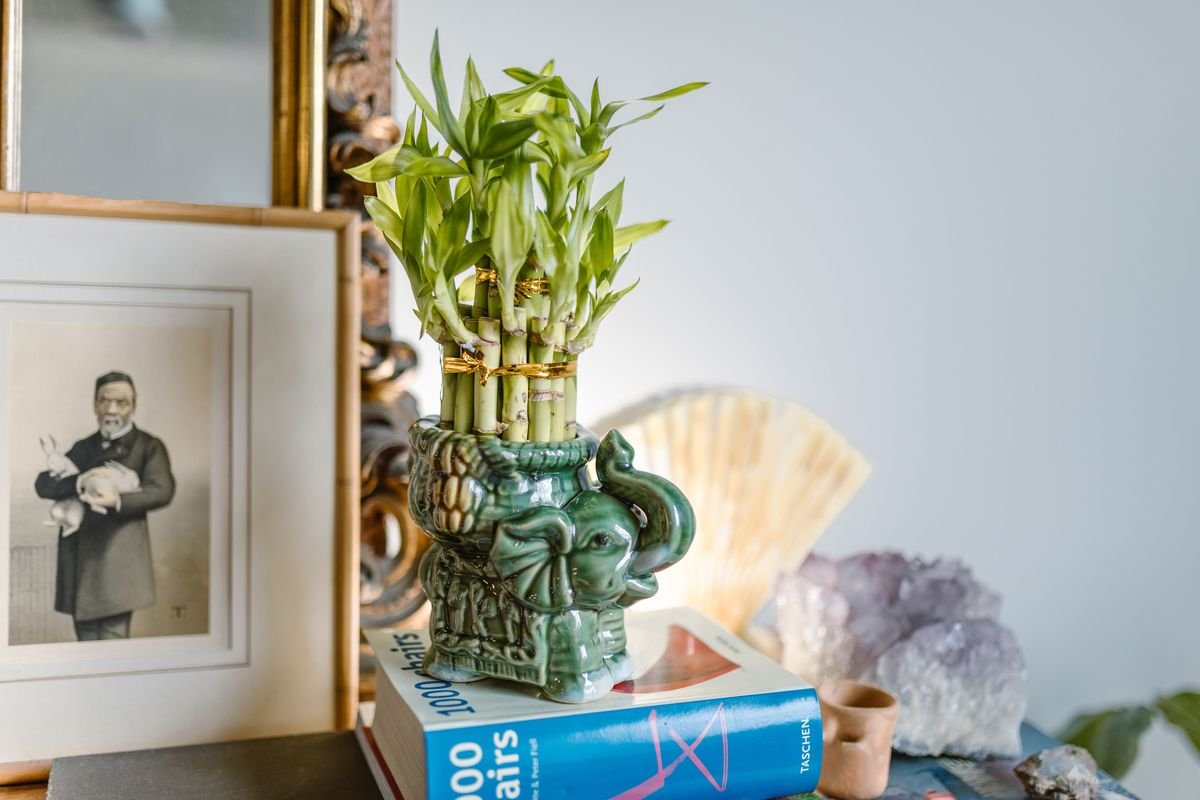
Lucky bamboo is one of the most recognizable and beloved houseplants across the world. Known for its graceful green stalks and deep association with positive energy, prosperity, and resilience, this hardy plant brings a calm atmosphere to any space. Botanically known as Dracaena sanderiana, it is not a true bamboo at all, but rather a member of the asparagus family that produces fleshy, segmented stalks.
While lucky bamboo has a reputation for being nearly indestructible, it can still run into serious trouble when its basic environmental needs are overlooked. The most common warning sign of distress is yellowing stalks and foliage. Seeing your vibrant green stems turn pale, yellow, or mushy can be alarming, but acting quickly can mean the difference between losing the plant and nursing it back to complete health.
Understanding Why Lucky Bamboo Stalks Turn Yellow
When a lucky bamboo stalk begins to turn yellow, it is sending an urgent distress signal. Plants produce green chlorophyll through photosynthesis to convert light into energy. When the plant experiences severe physiological stress, chlorophyll production breaks down, revealing yellow pigments that were previously masked.
Yellowing in lucky bamboo rarely happens without a clear underlying cause. In most indoor environments, yellow stalks are triggered by tap water chemicals, improper lighting, over-fertilization, or extreme temperature shifts.
Because the fleshy stalk serves as the main highway for water and nutrients, any disruption in vascular flow will quickly cause the tissue to lose its green hue. Once a section of the stalk turns completely yellow, that specific tissue is usually unable to recover, making prompt diagnosis essential.
The Difference Between Stalk and Leaf Yellowing
Not all yellowing indicates an immediate emergency. It is important to distinguish whether the discoloration is isolated to the leaves or affecting the central stalk.
Individual lower leaves turning yellow and dropping off naturally over time is often just a part of the plant’s normal growth cycle. As lucky bamboo pushes out fresh foliage at the top, older leaves near the base can fade and die.
When the stalk itself turns yellow, however, the problem is much more severe. The stalk contains the vascular bundle that sustains the entire structure. If the main cane turns yellow, translucent, or soft, the plant’s internal transport system has collapsed, and the issue will rapidly spread to adjacent leaves and connected shoots.
Tap Water Chemicals and Mineral Buildup
The quality of the water you use is the single most common cause of yellowing in lucky bamboo. Dracaena species are exceptionally sensitive to common municipal additives, particularly chlorine, chloramine, and fluoride.
Fluoride is especially toxic to lucky bamboo because it accumulates in the plant tissues over time. As fluoride builds up, it burns the roots and disrupts cellular function, causing yellow patches that gradually turn brown and crispy.
Hard tap water also contains excessive levels of calcium, magnesium, and sodium. Over time, these dissolved minerals coat the roots and prevent them from absorbing vital oxygen and moisture. Switching to distilled water, reverse osmosis water, or clean rainwater will protect sensitive root systems from chemical burns.
Why Water Temperature and Stagnation Matter
The condition of the water reservoir plays a critical role in stalk vitality. Stagnant water quickly loses dissolved oxygen, creating an ideal breeding ground for anaerobic bacteria and fungal pathogens.
When lucky bamboo sits in unchanged water for weeks, organic matter from shedding root hairs decays and forms a slimy biofilm. This biofilm smothers the root tips and prevents normal respiration.
Water temperature is equally critical. Filling your vase with ice-cold tap water shocks the tropical root system. Shocked roots stop taking up water, causing drought stress symptoms that manifest as sudden yellowing along the lower stalk. Always use room temperature water when refreshing your plant’s container.
Too Much Direct Sunlight
Lucky bamboo naturally grows in the shaded understory of tropical rainforests beneath dense tree canopies. In this native habitat, it receives bright light that is heavily filtered through overhead leaves.
Placing your lucky bamboo on a south-facing windowsill or directly in harsh afternoon sun will scorch the plant. Intense direct sunlight bleaches the chlorophyll in both leaves and stalks, leading to a washed-out yellow or pale straw appearance.
Sunburn often creates dry, papery yellow patches along the side of the stalk facing the light source. If you notice yellowing accompanied by bleached leaf margins, move your plant several feet away from windows into soft, indirect illumination.
Not Enough Sunlight
While lucky bamboo cannot tolerate direct sun, keeping it in complete darkness is equally harmful. Many people place lucky bamboo in windowless bathrooms, dark hallways, or deep office corners under the assumption that it requires no light.
Without sufficient ambient light, the plant cannot generate enough energy through photosynthesis to maintain its existing foliage and root system.
Over prolonged periods of deep shade, lucky bamboo stalks weaken, stretch unnaturally toward light sources, and turn a pale chartreuse before fading to yellow. For optimal health, provide moderate to bright indirect light for six to eight hours each day.
Overfertilizing Your Plant
- Never fertilize a newly purchased or stressed plant.
- If grown in water, apply fertilizer only once or twice a year using one-tenth of the standard recommended strength.
- Use a balanced, aquatic-safe plant food rather than heavy synthetic granules.
Temperature Fluctuations and Cold Drafts
Dracaena sanderiana is a true tropical plant native to Central Africa, meaning it prefers warm, stable temperatures throughout the year. It thrives best in temperatures between 65°F and 90°F (18°C to 32°C).
Sudden temperature drops cause immediate stress. When exposed to temperatures below 55°F (13°C), the plant’s metabolic processes slow down dramatically, and cellular walls can suffer chilling injury.
Common environmental hazards include cold window glass during winter, direct air currents from air conditioning vents, and exterior doorways. If exposed to a freezing draft, lucky bamboo stalks can turn yellow and soft within just a couple of days.
Identifying Where the Yellowing Starts
The physical location where discoloration first appears provides a clear clue about what is harming your plant. By carefully observing whether the yellowing begins at the top, bottom, or middle of the stalk, you can identify the primary stress factor quickly.
Diagnosing the origin point prevents guesswork and allows you to apply the correct fix before the entire arrangement is compromised.
Yellowing at the Top of the Stalk
When yellowing begins at the very crown of the plant or around the upper leafy shoots, environmental factors above the container are usually responsible.
Excessive sunlight, scorching heat, or very low ambient humidity often triggers discoloration at the top of the stalk first. The upper leaves lose moisture rapidly through transpiration, and intense light damages tender new growth.
Upper yellowing can also stem from tight decorative wire or rubber bands used to tie arrangements together. If these ties are wrapped too tightly, they constrict the stalk as it grows, cutting off the flow of nutrients to the top shoots and causing the crown to turn yellow.
Yellowing at the Base or Roots
Yellowing that originates at the bottom of the stalk and creeps upward indicates a root zone problem. In the vast majority of cases, this is a symptom of water toxicity, bacterial slime, or fungal root rot.
When roots decay from lack of oxygen or chemical poisoning, the rot travels directly upward into the base of the cane. The lower stem often feels squishy or hollow when gently squeezed.
If you inspect the roots and see dark brown, black, or foul-smelling strings instead of firm, bright orange or white roots, root rot is actively spreading into the stalk.
Immediate Steps to Save a Yellowing Bamboo
When you spot a yellow stalk in a container, you must take fast action to prevent the issue from spreading to nearby healthy stems. Pathogenic bacteria and fungi can rapidly transfer through shared water.- Isolate the affected stalk by removing it from the main arrangement immediately.
- Discard the old water completely and rinse the healthy stalks under lukewarm running water.
- Inspect all remaining stems for soft spots, discoloration, or foul odors.
- Quarantine any suspicious stalks in a separate container for observation.
How to Clean and Disinfect the Arrangement
If one of your stalks has succumbed to rot, the vase and any decorative rocks inside are contaminated with microscopic spores. Simply refilling the vase with clean water is not enough.
Thoroughly wash the container using hot water and a mild dishwashing soap. For stubborn algae or bacterial buildup, soak the container in a solution of one part white vinegar to four parts water for twenty minutes, then rinse thoroughly.
Boil decorative pebbles or river rocks in hot water for ten minutes to sterilize them completely. Allow the pebbles to cool to room temperature before placing them back around your healthy stalks.
How to Cut and Propagate Healthy Stalk Sections
A stalk section that has turned completely yellow cannot turn green again because the cellular structure has broken down. However, if the top portion of the stalk is still green and firm, you can salvage the plant through propagation.
Use a sterilized, sharp pruning shear or knife to cut cleanly through the stalk. Make your cut at least one to two inches above the yellow zone, directly into firm, healthy green tissue.
Inspect the cross-section of your cut. The center of the stem must be crisp and pale green or white with no brown rings. If you see any darkness or softness, cut higher up the stalk until only clean tissue remains.
Allow the cut end to air-dry for thirty minutes to form a protective callous. Dip the base in clean, distilled water to encourage new root growth. Within four to six weeks, fresh white roots will emerge from the nodes.
Growing Lucky Bamboo in Water
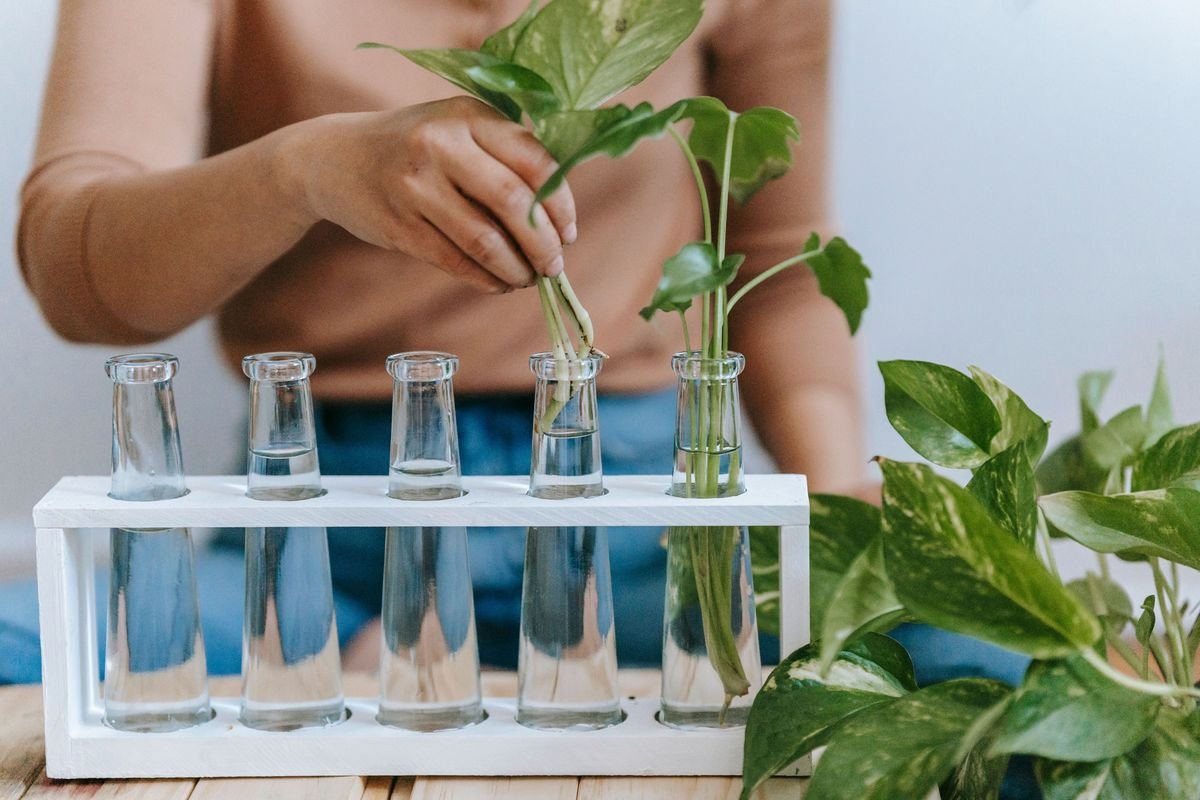
Water culture is the most popular way to display lucky bamboo, but it requires consistent maintenance to prevent problems. The root system needs clean, oxygenated water to function properly.
Keep the water level consistent, covering the roots by roughly one to two inches. Submerging the entire stalk in deep water increases the risk of stem rot along the upper segments.
Change the water completely every seven to ten days. Regular water changes prevent mineral concentration, discourage green algae growth, and ensure high levels of dissolved oxygen for root respiration.
Growing Lucky Bamboo in Soil
Although lucky bamboo is commonly sold in water, it actually grows more robustly and lives longer when planted in rich, well-draining soil.
If you choose to pot your plant in soil, select a container with ample drainage holes at the bottom. Use a lightweight potting mix containing peat moss, perlite, and coarse sand to ensure rapid drainage while retaining light moisture.
Water the soil when the top inch feels dry to the touch. Never allow the pot to sit in a saucer of standing runoff water, as saturated soil quickly suffocates the root system and leads to basal yellowing.
Essential Lighting Requirements for Long Term Health
To maintain strong green stalks and lush leaf production, place your lucky bamboo in a spot that receives plenty of bright, indirect sunlight throughout the day.
An east-facing window with morning sun filtered through a sheer curtain provides an ideal light balance. North-facing windows also offer gentle, consistent light without the risk of leaf scorching.
If natural light is limited in your home, lucky bamboo responds exceptionally well to standard LED grow lights. Keep the light source roughly twelve to eighteen inches above the canopy for ten hours daily.
Safe Feeding Practices for Sensitive Stalks
Because lucky bamboo has a slow metabolic rate, it requires very little supplemental nutrition. Over-feeding is far more dangerous than under-feeding.
When growing in water, your plant gets tiny trace minerals from clean water itself. If you notice slow growth and want to provide a boost, dilute a balanced 10-10-10 liquid fertilizer to one-tenth of its recommended dosage.
Add this diluted solution to the water reservoir only once during spring and once during mid-summer. Never fertilize during the dormant winter months or when the plant is recovering from physical stress or trimming.
Physical Damage and Pet Interference
Physical injuries to the cane or foliage can trigger localized yellowing as the plant tries to seal off damaged areas. Bruising caused by drops, rough handling, or tight support wire damages internal vascular bundles.
Curious pets can also cause significant harm. Cats and dogs may swat at the leafy shoots or chew on the stalks. This physical trauma introduces bacterial pathogens into the open wounds.
Additionally, lucky bamboo contains insoluble calcium oxalate crystals and saponins, which are mildly toxic to cats and dogs if ingested. Keep your arrangements on elevated shelves or sturdy furniture out of reach of pets.
Long Term Maintenance and Prevention Tips
Preventing yellow stalks is far easier than trying to rescue a dying plant. A simple, consistent care routine will keep your lucky bamboo healthy and vibrant for years.
Inspect your plants weekly during routine water changes. Check the firmness of the stems, look closely at the root color, and gently wipe dust off the leaves with a damp cloth to encourage efficient photosynthesis.
Rotate the container a quarter-turn every week so that all sides of the arrangement receive balanced light exposure. This simple practice prevents stalks from bending toward light sources and keeps growth upright and symmetrical.
How Severe Is Your Lucky Bamboo Distress?
Answer 5 quick questions to see your result