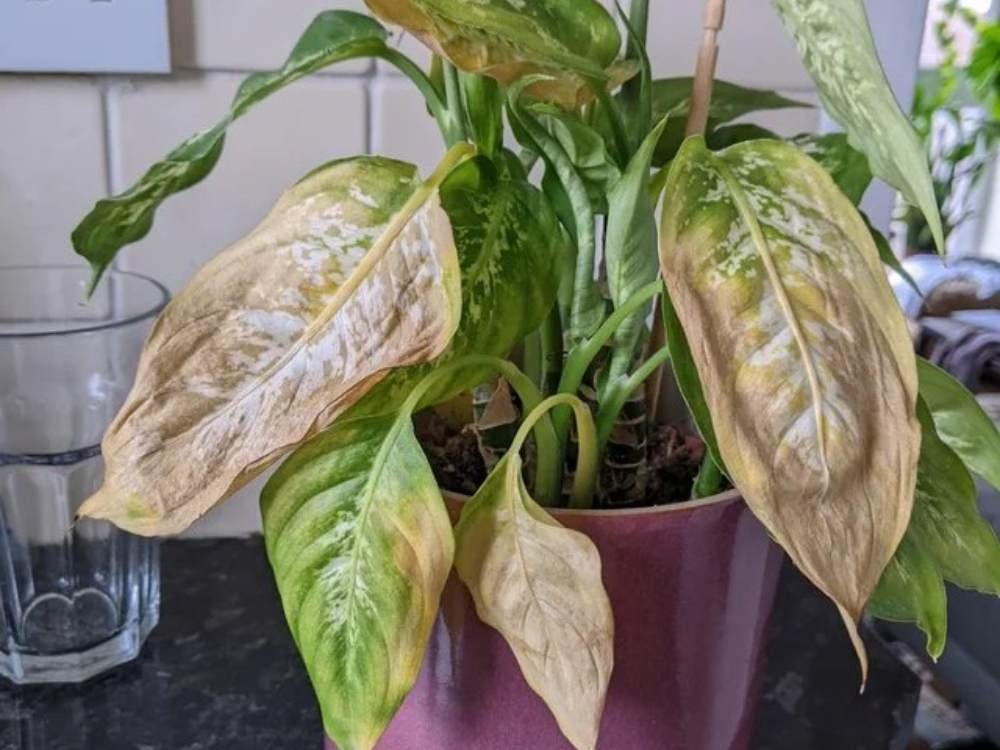
Dieffenbachia plants, commonly known as dumb canes, are loved for their bold tropical foliage and forgiving nature. Their lush, patterned leaves bring vibrant life to living rooms and office spaces alike.
Finding a soft, mushy, or discolored stem on your favorite plant can be alarming. Stem rot is a serious issue that threatens the structural health of your dieffenbachia, but understanding what causes it will help you take action and potentially save your plant.
Identifying Early Symptoms of Stem Rot
Catching rot early gives you the best chance of saving your dieffenbachia. A healthy stem should feel firm and rigid to the touch.
When stem rot begins, the base of the cane often turns dark green, brown, or black. You might also notice that the tissue feels soft, spongy, or watery when gently pressed.
Other visible symptoms include:
- Lower leaves turning yellow and dropping prematurely
- A foul or sour smell coming from the soil and lower stem
- Stems bending or collapsing under their own weight
- Water droplets forming heavily along leaf edges through guttation
If you notice any of these signs, you need to inspect the plant right away to prevent the decay from spreading further up the main stalk.
Overwatering and Poor Soil Drainage
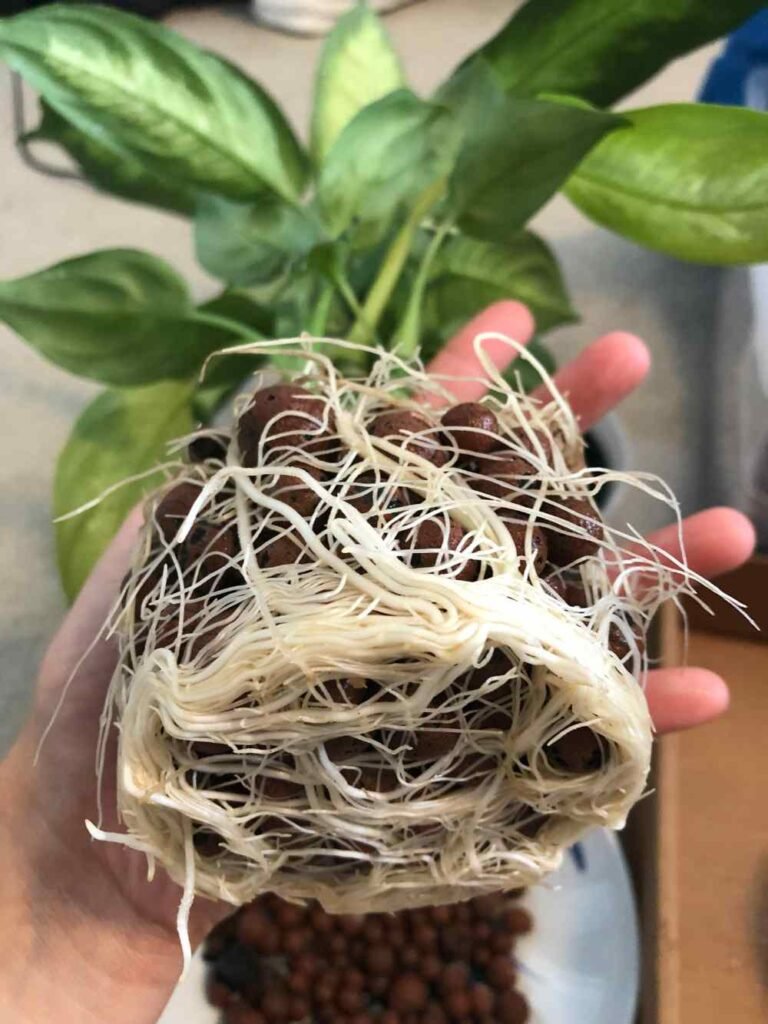
The most common culprit behind a rotting dieffenbachia stem is overwatering. While these plants enjoy moderate moisture, their roots cannot survive in waterlogged conditions.
When soil stays wet for prolonged periods, oxygen cannot reach the root system. Roots suffocate in stagnant moisture, and beneficial root hairs begin to die off.
Without oxygen, opportunistic pathogens quickly attack the weakened root tissue. Once the underground root system decays, the rot travels upward directly into the main cane of the plant.
Using a pot without drainage holes or letting the container sit in a saucer filled with standing water will accelerate this problem rapidly.
How Root Rot Spreads to the Cane
Root rot and stem rot are closely connected. When root tissues break down, they turn into a brown, mushy mess that can no longer transport water or nutrients.
The vascular bundles inside the plant stem become compromised as fungi and bacteria move upward. This causes the lower portion of the stem to rot from the inside out.
By the time you see visible mushiness on the exterior stem, the root system beneath the soil is usually already heavily damaged.
Best Practices for Watering Dieffenbachia
To prevent rot, you must establish a consistent and thoughtful watering routine. Dieffenbachia plants prefer their soil to dry out partially between waterings.
Always test the moisture level before reaching for your watering can. Insert your finger into the soil or use a wooden skewer to check the top two inches.
If the top layer feels dry, water the plant thoroughly until water runs freely out of the drainage holes at the bottom of the pot.
Discard any excess water collected in the drip tray after fifteen minutes. Never allow your plant to sit in standing water, as this keeps the lower soil completely saturated.
Sudden Cold and Temperature Shifts
Dieffenbachia plants are native to tropical regions and thrive in warm, stable conditions. They are sensitive to chilly temperatures and rapid thermal changes.
Exposure to temperatures below 55 degrees Fahrenheit (13 degrees Celsius) can damage plant cells. Cold stress weakens the plant walls and leaves them vulnerable to secondary decay.
Placing your dieffenbachia near drafty windows in winter, close to air conditioning vents, or outdoors during cold nights can trigger stem softening.
When cold damage occurs, the affected stem sections often turn translucent or black and quickly deteriorate into mush. Keep your plant in a room that stays between 65 and 80 degrees Fahrenheit year round.
Fungal and Bacterial Stem Infections
Pathogens such as Pythium, Phytophthora, and Erwinia are common causes of severe stem and root rot in houseplants. These microorganisms thrive in wet, warm, and stagnant environments.
Bacterial soft rot causes stems to turn slimy and collapse rapidly, often accompanied by a distinct, unpleasant odor.
Fungal infections may cause dark lesions along the cane that slowly expand and girdle the stem, cutting off moisture flow to the upper leaves.
Poor airflow around the foliage combined with wet soil creates the perfect breeding ground for these harmful organisms to multiply.
Step-by-Step Guide to Saving Your Plant
If you catch the problem before the entire stem has turned to mush, you can take steps to rescue your dieffenbachia.
- Remove the plant from its pot and gently shake off the old soil to expose the root system.
- Examine the roots and trim away any brown, black, or mushy sections using clean, sterilized shears.
- Cut away any soft, rotted portions of the stem until only clean, firm, white tissue remains.
- Treat the remaining healthy roots and cut ends with a diluted fungicide or a dusting of cinnamon powder.
- Repot the plant into fresh, clean potting mix inside a thoroughly sanitized container with ample drainage holes.
Keep the repotted plant in bright, indirect light and hold off on watering for a few days to let cut surfaces callous over.
How to Take Healthy Stem Cuttings
If the base of the plant is completely destroyed by rot, your best option is to propagate the healthy upper growth.
Inspect the top portion of the cane above the rotted area. Look for a section that is firm, green, and completely free from discoloration.
Use a sharp, sterilized knife to cut at least two inches above the rotted zone. Ensure your cutting contains several healthy leaves and visible leaf nodes.
Allow the cut end to dry on a paper towel for twenty-four hours to form a protective callous. Once calloused, place the cutting in a jar of clean water or moist perlite until new roots develop.
Creating the Ideal Potting Mix and Environment
Preventing stem rot starts with creating an environment where moisture does not linger too long in the container.
Standard indoor potting soil is often too dense and holds excess water around the root zone. You can improve aeration by amending standard potting soil with coarse perlite, orchid bark, and peat moss.
A great blend for dieffenbachia includes two parts potting soil, one part perlite, and one part bark chips. This mix allows water to flow through quickly while retaining light moisture.
Choose pots made of porous materials like unglazed terracotta. Terracotta allows moisture to evaporate through the pot walls, helping the root zone dry out evenly.
Preventing Future Stem Rot Problems
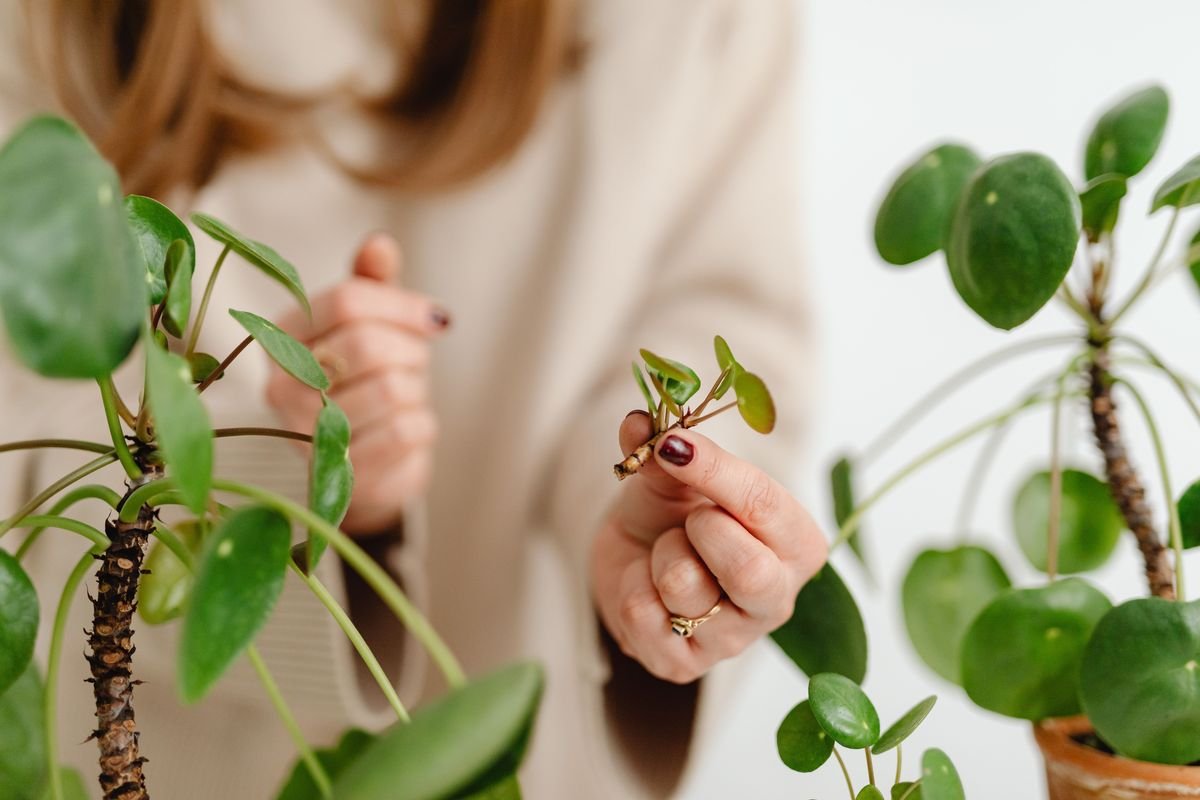
Consistent preventive care is the most reliable way to keep your dieffenbachia healthy and vibrant over the long term.
Place your plant in a spot that receives plenty of bright, filtered light. Adequate light helps the plant utilize water efficiently and speeds up soil drying cycles.
Improve room ventilation by using a small oscillating fan nearby. Good air circulation keeps foliage dry and reduces the chances of fungal spores establishing on the stems.
Finally, adjust your watering habits with the changing seasons. Dieffenbachia plants grow much slower during the shorter days of fall and winter, meaning they require significantly less water during these months.
How Severe Is Your Dieffenbachia Stem Damage?
Answer 4 quick questions to see your result