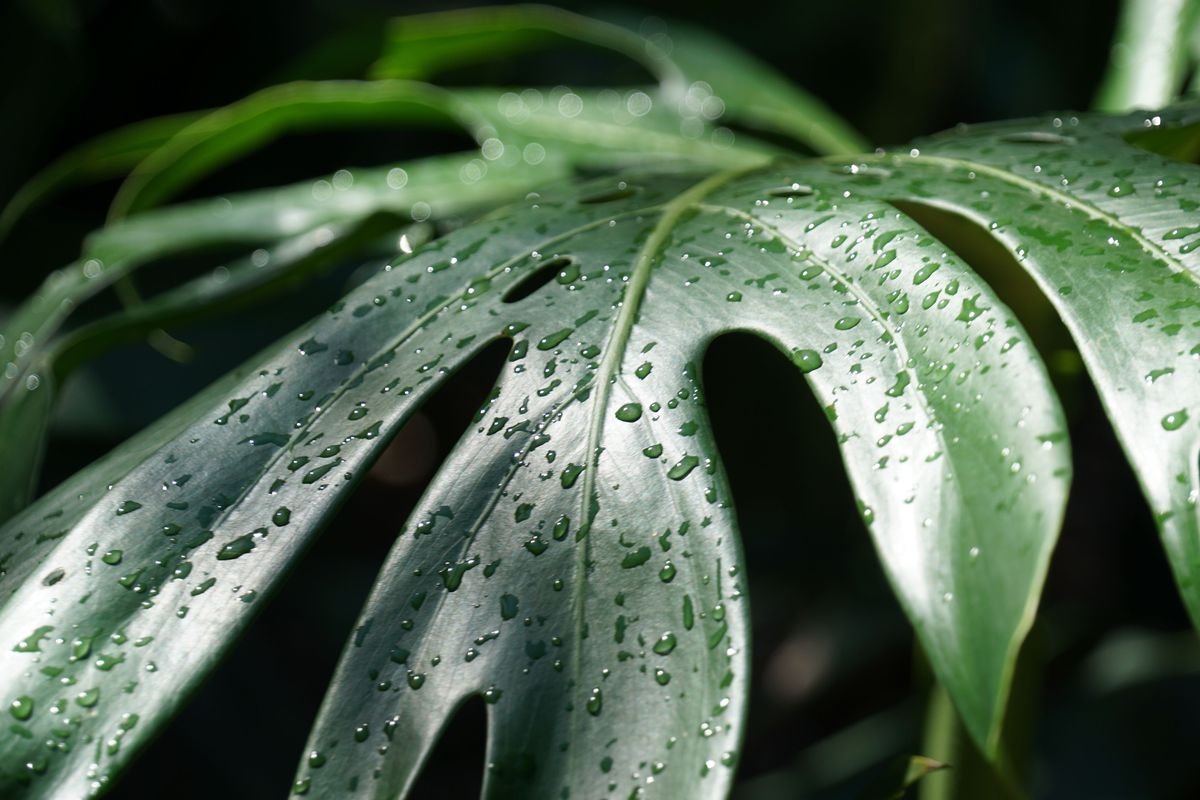
Waking up to find clear water droplets clinging to the tips of your Monstera leaves can be surprising. Many plant owners wonder if their beloved tropical houseplant is sweating, crying, or leaking sap due to an illness.
In most cases, these moisture droplets are the result of a natural botanical phenomenon known as guttation. While occasional guttation is completely harmless, frequent or heavy dripping can serve as an early warning sign that your plant care routine needs a few adjustments.
Understanding Guttation in Monstera Plants
Guttation is the process where a plant expels excess moisture in liquid form through specialized structures on its foliage. When a Monstera absorbs more water through its root system than it can process or release through natural evaporation, internal pressure builds up.
To relieve this internal fluid buildup, the plant pushes water up through the vascular system toward the leaf margins. This creates small, crystal clear droplets along the outer edges and pointed tips of the leaves.
Unlike plain tap water, the fluid expelled during guttation is actually xylem sap. This fluid contains small amounts of dissolved minerals, enzymes, sugars, and nutrients that travel through the plant vascular network.
How Hydathodes Function
Plants do not release guttation droplets through standard pores. Instead, they use microscopic structures called hydathodes, which are situated along the margins and tips of the foliage.
Hydathodes act as pressure relief valves for the plant. While stomata can actively open and close based on light, heat, and humidity, hydathodes remain permanently open.
When positive root pressure forces water into the leaf veins, the fluid exits through these passive terminal pores. This prevents cellular rupture inside the leaf tissue during periods of high fluid intake.
The Difference Between Transpiration and Guttation
Many people confuse guttation with transpiration, but these two processes work in entirely different ways.
Transpiration is the standard method houseplants use to release water vapor during daylight hours. As sunlight hits the foliage, tiny pores called stomata open up to exchange gases for photosynthesis, allowing moisture to evaporate invisibly into the surrounding air.
Guttation occurs when transpiration is suppressed or cannot keep up with root intake. Because the moisture cannot escape as vapor, it is forced out in liquid form through the hydathodes.
Comparing Morning Dew and Guttation Droplets
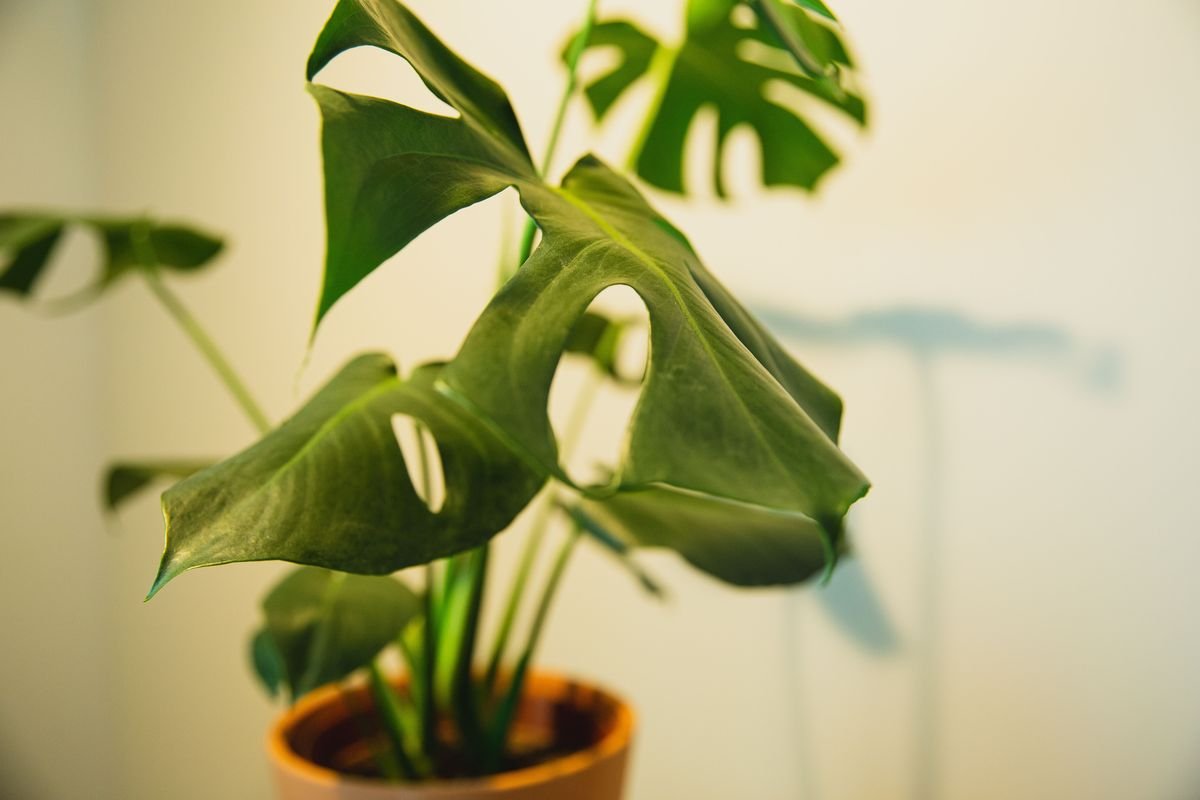
It is easy to mistake guttation for morning dew, especially if your Monstera sits near an open window or spends the summer outdoors on a patio.
The fundamental difference lies in where the water originates. Guttation comes from inside the plant tissue, driven outward by internal root pressure.
Dew is an external event caused by ambient moisture condensing onto cool surfaces from the surrounding atmosphere. Dew does not rely on plant physiology at all.
Physical Signs of True Dew on Houseplants
You can quickly determine whether you are dealing with dew or guttation by inspecting where the water droplets collect.
Dew settles evenly across the entire surface of the foliage, forming a fine, uniform layer of tiny beads. You will also notice identical condensation on the plant pot, nearby furniture, and neighboring plants.
Guttation produces larger, isolated droplets strictly confined to the leaf serrations, tips, and edges. The central leaf blade typically remains completely dry.
Why Guttation Usually Happens at Night
Most indoor gardeners discover dripping leaves early in the morning. This timing is directly tied to the daily light cycle of your Monstera.
During the day, warm temperatures and bright light stimulate active transpiration. The stomata stay open, allowing water to evaporate as fast as the roots absorb it from the potting soil.
When night falls, the stomata close to conserve energy and reduce water loss. However, if the soil remains wet, the root system continues drawing up water, creating high internal pressure that forces droplets out before sunrise.
Is Water Dripping from Leaves Harmful
Seeing a few droplets on your Monstera once in a while is nothing to worry about. In fact, it often demonstrates that your plant has a vigorous root system capable of actively moving moisture.
However, persistent or heavy dripping should not be ignored. When guttation happens daily, it indicates that the soil is holding excess water for extended periods.
Chronic moisture around the roots deprives them of oxygen, which can eventually trigger root rot, leaf yellowing, and systemic plant decline.
Risks of Salt Buildup and Leaf Burns
Because guttation fluid contains dissolved minerals and fertilizer salts, it leaves behind small residues when the droplets evaporate.
Over time, these mineral deposits can accumulate on delicate leaf tips and cause localized chemical burns. You may notice dry, crispy brown edges developing right where the water droplets used to sit.
If the fluid drips onto hardwood floors, painted surfaces, or wooden furniture, the mineral rich sap can also leave stubborn white water rings and stains.
Potential for Fungal and Bacterial Issues
Liquid water resting on foliage creates the perfect breeding ground for opportunistic plant pathogens.
Bacterial leaf spot and fungal spores thrive in cool, damp conditions. When moisture sits on leaf edges for hours at a time, microbes can easily enter through the open hydathode pores.
Keeping leaf margins dry helps prevent unsightly brown spots with yellow halos from spreading across your Monstera leaves.
Primary Causes of Monstera Guttation
While guttation is a natural mechanism, specific environmental conditions trigger it to happen more intensely.
Understanding these triggers allows you to evaluate your growing environment and make thoughtful corrections.
Here are the most common factors that cause your Monstera to drip water.
Overwatering and Saturated Soil
The most frequent cause of excessive leaf dripping is overwatering. When the soil mix stays waterlogged, the roots are forced to take in more liquid than the foliage can handle.
Giving your plant large volumes of water too frequently creates relentless hydrostatic pressure inside the stems and leaves.
If you see leaf sweating accompanied by soft stems or yellowing lower foliage, the root zone is receiving far too much moisture.
Excessive Indoor Air Humidity
Monsteras are tropical plants that appreciate moderate to high humidity, but very humid air significantly slows down natural evaporation.
When the ambient air is already saturated with water vapor, the moisture inside the leaves cannot easily evaporate into the room.
With transpiration stalled by high humidity, the plant relies heavily on guttation through its hydathodes to relieve root pressure.
Low Light and Short Daylight Hours
Light exposure directly governs how quickly a houseplant uses water. In low light environments, photosynthetic activity drops dramatically.
Because the plant is not actively producing energy, its water requirements plummet, and the stomatal pores remain mostly closed.
If you continue watering on a standard schedule during dark winter months or in dim rooms, the unused soil moisture will trigger frequent guttation.
Temperature Drops and Sudden Fluctuations
Sudden changes in room temperature can disrupt the moisture balance within your Monstera.
When a warm room cools down quickly at night, the air loses its capacity to hold water vapor, suppressing evaporation from the leaves.
Meanwhile, the potting medium stays warm for several hours longer, allowing the roots to continue pumping moisture upward into cold, closed leaves.
Root Bound Containers
A Monstera that has outgrown its planter is much more susceptible to guttation episodes.
When dense root coils fill the entire pot, there is very little soil left to absorb and buffer water.
Every time you water a root bound plant, the roots absorb the moisture instantly under intense pressure, forcing rapid fluid discharge through the leaf tips.
Dense and Poorly Draining Soil Mixes
Standard, heavy potting soil holds onto water like a sponge, suffocating the coarse aerial roots of a Monstera.
Monsteras are epiphytic climbers in nature, meaning their root systems require abundant oxygen and rapid drainage to remain healthy.
Dense, peat heavy mixes stay soggy for weeks at a time, maintaining constant root pressure that leads to continuous guttation.
Overfertilization and Mineral Stress
Applying synthetic plant fertilizers too often or in heavy concentrations increases the mineral content within the xylem fluid.
As the plant attempts to flush out excess chemical salts, it expels concentrated sap through its hydathodes.
This concentrated fluid is particularly prone to burning the leaf tips and leaving noticeable white crusts behind as it dries.
How to Prevent Excessive Leaf Dripping
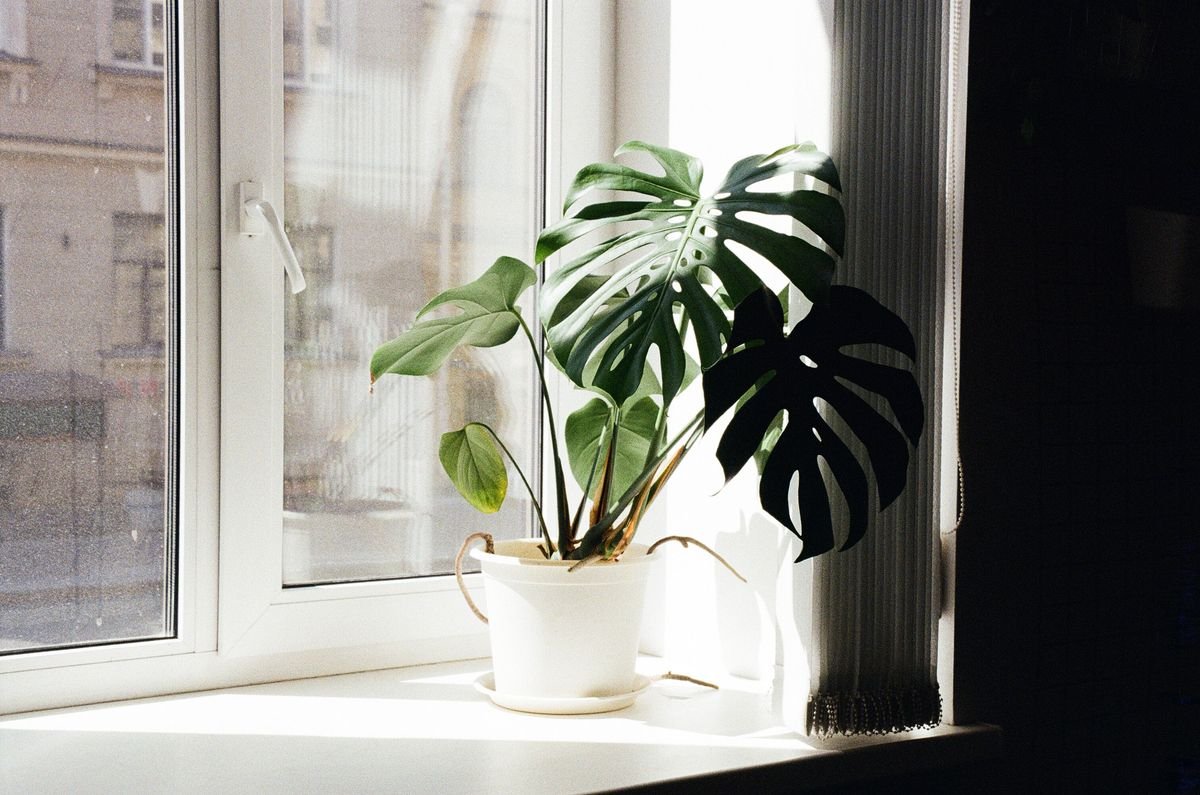
If your Monstera is dripping water so heavily that it damages floors or leaves brown spots, you can resolve the issue with a few simple care adjustments.
Creating balance between root moisture intake and natural atmospheric evaporation is the key to managing guttation.
Implementing consistent plant care habits will keep your Monstera thriving without messy leaf weeping.
Adjusting Your Watering Schedule
Always check the moisture level of your soil before reaching for the watering can. Do not follow a rigid calendar schedule.
Insert your finger or a wooden chopstick at least two to three inches into the potting mix. Only water when the top half of the pot feels dry.
- Water your Monstera in the morning so excess moisture can evaporate throughout the daylight hours.
- Always empty decorative drip trays and saucers fifteen minutes after watering to prevent root drowning.
- Reduce watering frequency substantially during late autumn and winter when growth slows down.
Improving Airflow and Soil Aeration
Proper air circulation around your plant encourages natural transpiration and prevents standing water from lingering on the foliage.
Place a gentle oscillating fan nearby to keep air moving, particularly in rooms with high humidity levels.
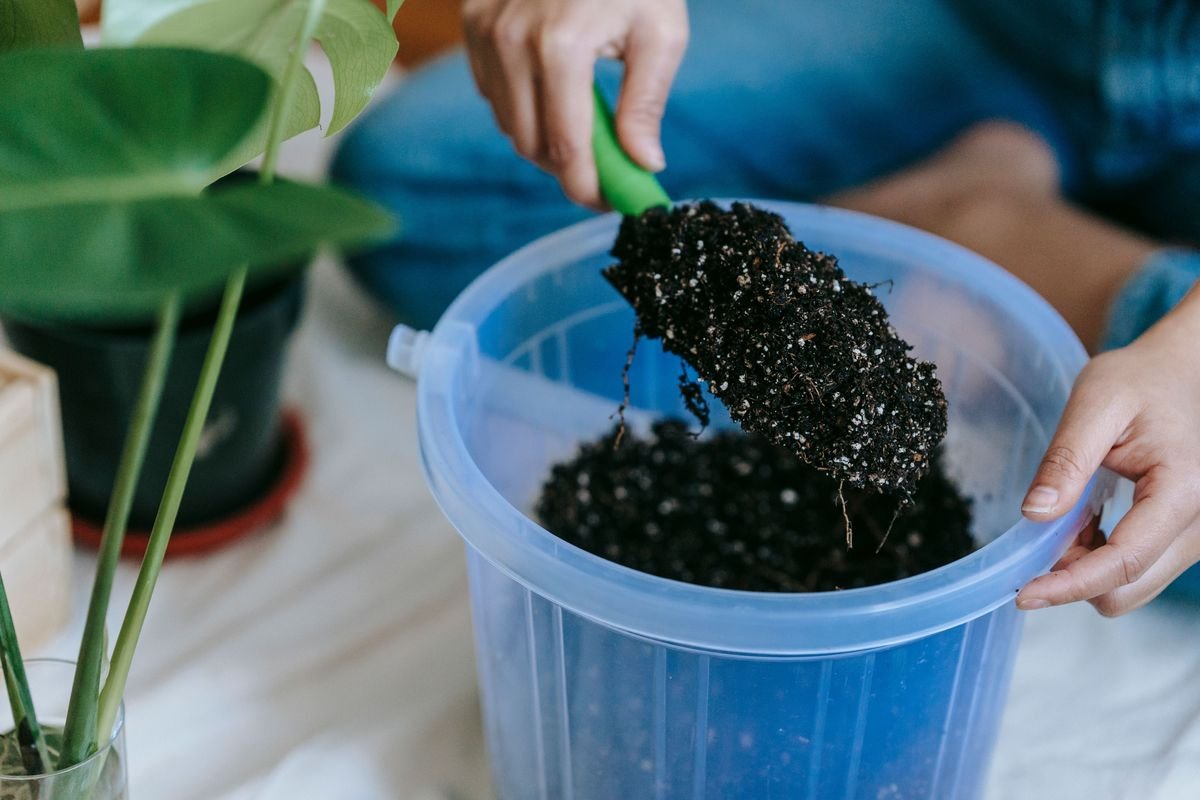
Repot your Monstera into an airy, chunky aroid soil mix containing equal parts quality potting soil, perlite, orchid bark, and horticultural charcoal. This structure allows excess water to drain freely while providing roots with the oxygen they need.
Is Your Monstera Guttation a Sign of Trouble?
Answer 4 quick questions to see your result