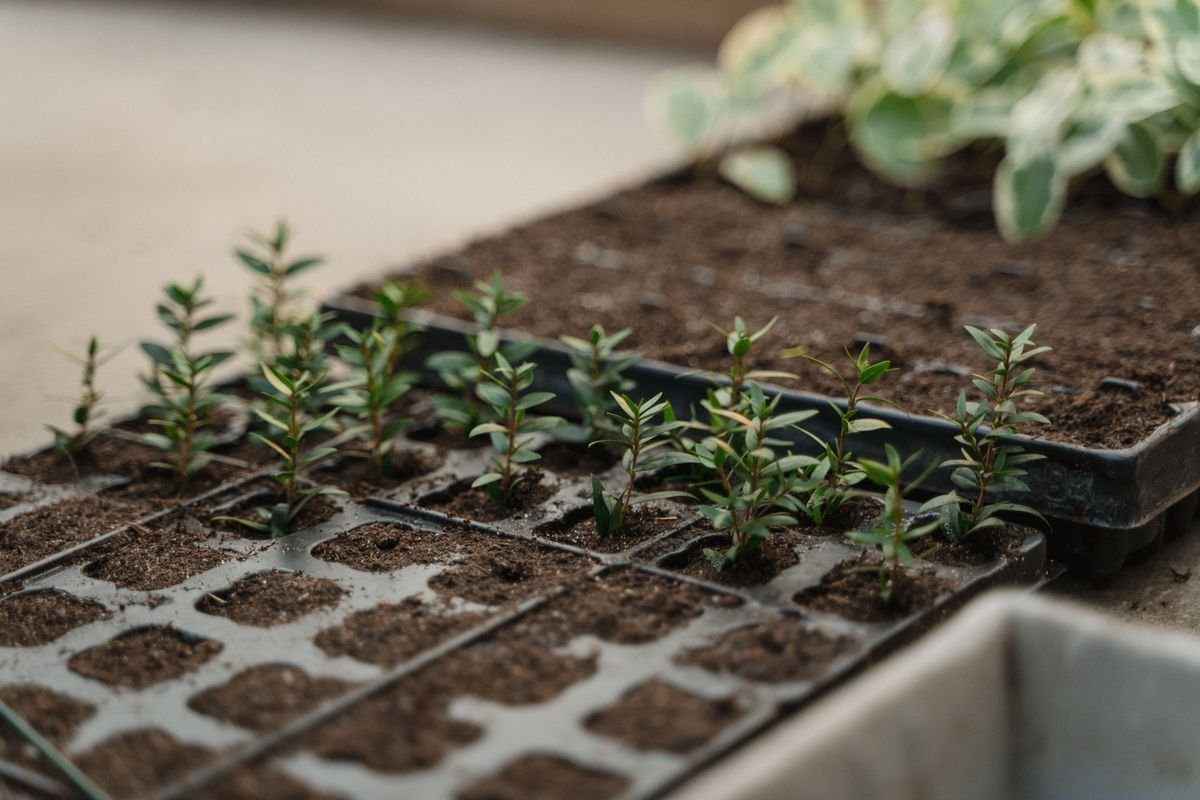
Every spring brings the excitement of planning a vibrant garden filled with crisp vegetables, fragrant herbs, and colorful flowers.
Before you head to the garden center to purchase established nursery plants, consider starting from scratch with seed packets. While nurturing tiny seeds into full-grown plants requires a little patience, the rewards go far beyond what store-bought seedlings can offer.
Exploring Unique Plant Varieties
When you walk into a traditional plant nursery, your choices are often limited to standard commercial varieties that ship well and appeal to the mass market. Seed catalogs, on the other hand, open the door to thousands of unique cultivars from around the world.
You can easily find heirloom tomatoes in striking purple shades, exceptionally sweet striped bell peppers, or rare edible flowers that never appear on store shelves.
Sowing seeds gives you the freedom to choose varieties based on flavor, disease resistance, or visual appeal rather than retail availability. It transforms your garden into a truly personalized space filled with crops that you cannot buy at the local supermarket.
Saving Money on Garden Supplies
Purchasing individual nursery pots or starter cell packs can quickly drain your seasonal gardening budget. A single potted vegetable start often costs the same as an entire packet containing dozens or hundreds of seeds.
By investing in seeds, you can produce a massive harvest for a fraction of the cost of buying mature transplants.
To stretch your budget even further, try sharing seed packets with friends, family members, or local gardening groups. Most seed packets contain far more seeds than a single backyard gardener needs in one season, making seed swaps an affordable way to expand your collection.
Experiencing Deep Personal Satisfaction
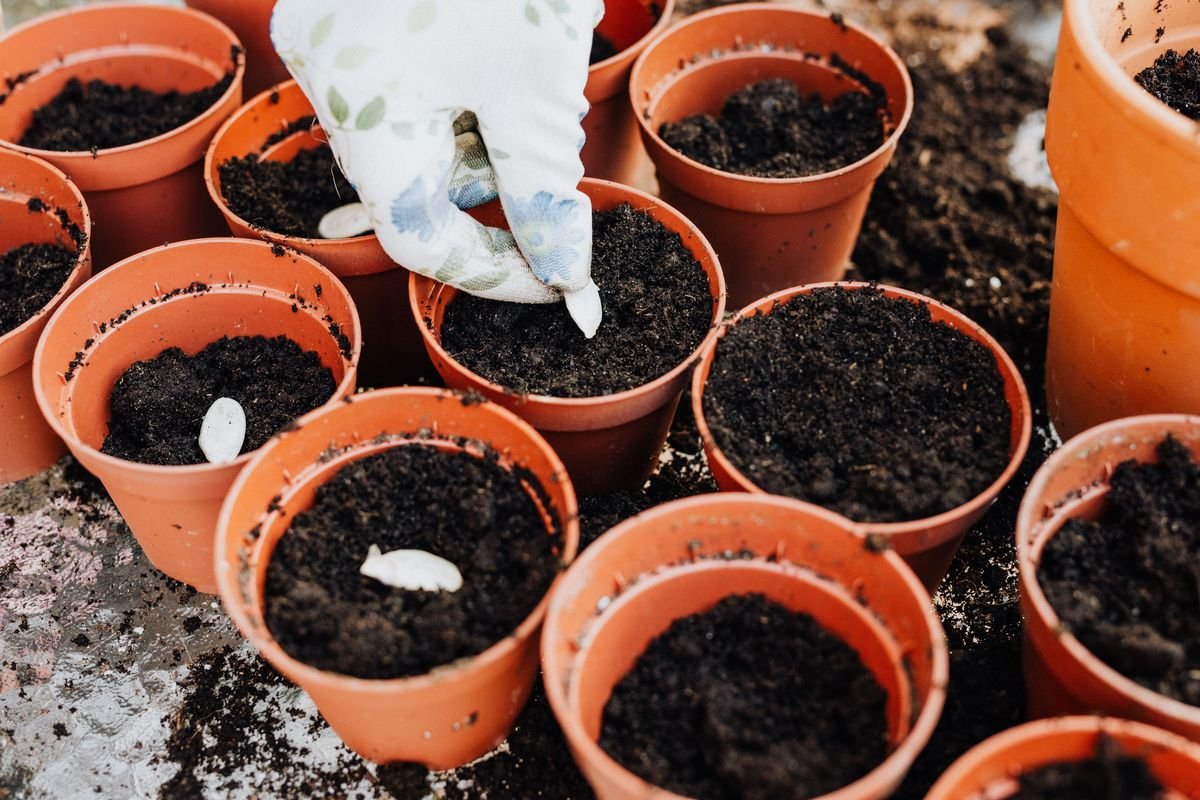
There is a profound sense of accomplishment in watching a microscopic speck turn into a flourishing, productive plant. Following the complete life cycle from germination to harvest connects you directly to the natural rhythms of plant life.
This hands-on process offers an excellent learning experience for children and beginners alike. It builds patience, observation skills, and a deeper appreciation for where everyday food comes from.
Serving a meal prepared with vegetables you raised entirely from seed creates a level of pride that store-bought produce simply cannot match.
Gaining Full Control Over Plant Health
Commercial growers often rely on chemical fertilizers, synthetic growth regulators, and preventative pesticides to keep large inventories looking lush. When you grow plants from seed at home, you have complete authority over every single input.
You can select organic seed-starting mix, apply natural compost teas, and manage early pests using safe, chemical-free methods.
This total control ensures that the food you harvest is free from unwanted chemical residues. It also prevents the accidental introduction of persistent nursery pests and soil-borne diseases into your home garden beds.
Extending Your Total Growing Season
Gardeners in regions with short summers or late frosts often struggle to ripen long-season crops like eggplants, peppers, and winter squash. Starting seeds indoors under grow lights weeks before the final frost gives your garden a massive jump start.
Indoor seed starting allows your plants to develop strong root systems and sturdy stems while the ground outside is still cold and unworkable.
By the time warm weather arrives, your robust young starts will be ready to thrive in the garden beds, leading to much earlier and more abundant harvests.
Selecting the Right Starting Medium
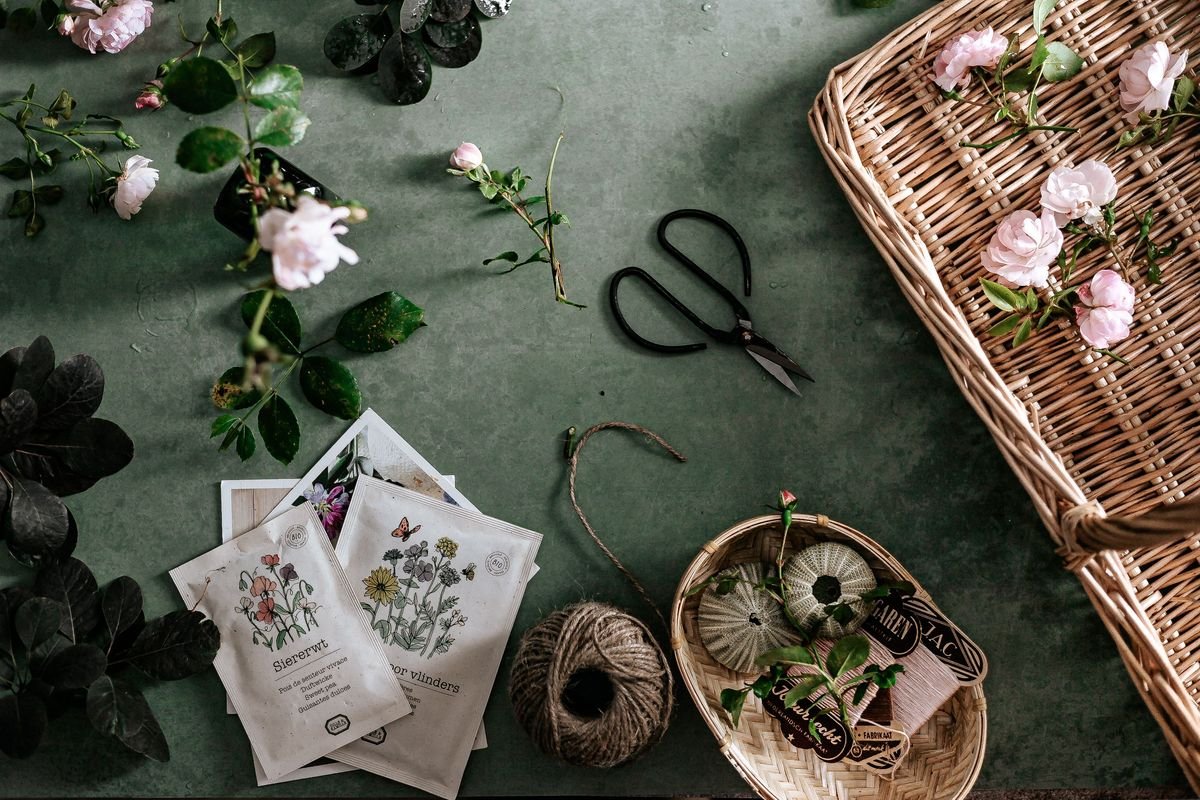
Successful seed germination begins with the proper growing medium. Regular garden soil is too dense for delicate new roots and may harbor fungal spores that cause damping-off disease.
A lightweight, sterile seed-starting mix provides the ideal balance of moisture retention and aeration.
Look for mixes containing fine peat moss or coco coir blended with perlite or vermiculite. These ingredients hold moisture without compacting, giving fragile root hairs plenty of room to expand.
Understanding Light and Moisture Needs
After germination occurs, your seedlings require two critical elements to thrive: consistent moisture and intense light. Windowsills rarely provide enough direct sunlight during late winter, often resulting in tall, spindly, and weak stems.
Using an adjustable grow light placed just two to three inches above the foliage will keep your seedlings compact, stout, and vigorous.
Watering from the bottom is the safest way to hydrate delicate seedlings. Place your seed trays in a shallow basin of room-temperature water for ten to fifteen minutes, allowing the soil to absorb moisture from below without disturbing delicate stems.
Hardening Off Seedlings Before Planting
Moving indoor seedlings directly into full sun and outdoor wind can cause severe shock, sunburned leaves, or even plant death. Hardening off is the gradual transition process that prepares indoor plants for outdoor conditions.
Begin by placing your trays in a sheltered, shady outdoor spot for an hour or two on a mild afternoon.
Over the course of seven to ten days, slowly increase their daily exposure to gentle morning sunlight, outdoor breezes, and fluctuating temperatures. This gradual acclimation thickens the plant cell walls and strengthens stems, ensuring seamless transplanting.
Harvesting Seeds for Future Seasons
Growing open-pollinated and heirloom varieties allows you to close the loop on your garden by saving your own seeds at the end of the season. Once your healthiest plants produce ripe fruit, collect and dry the seeds for next spring.
Over time, saving seeds creates locally adapted plant strains that perform exceptionally well in your specific microclimate and soil conditions.
Store clean, fully dried seeds in airtight containers or paper envelopes in a cool, dark, and dry location. A simple mason jar kept in a dark pantry or closet will preserve seed viability for several years.
Essential Tips for Beginner Seed Starters
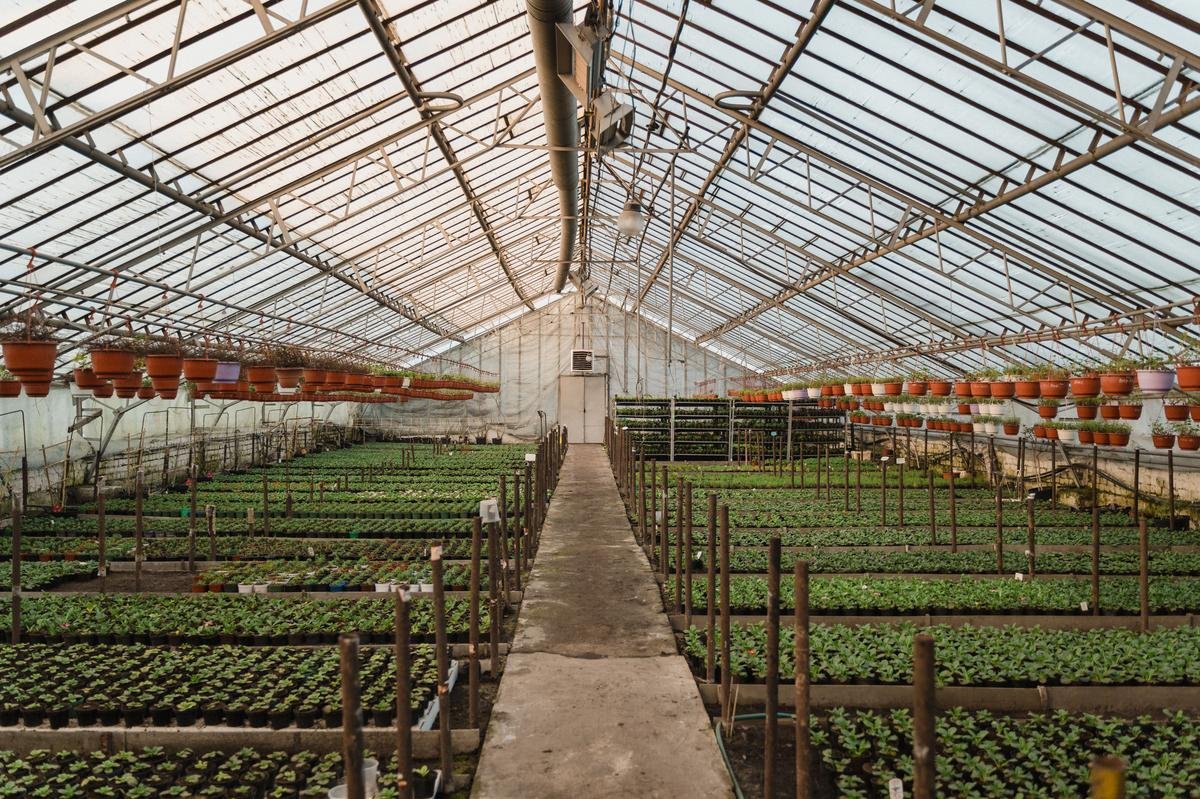
Starting seeds is straightforward once you establish a reliable routine. Keep a garden notebook to track sowing dates, germination rates, and days to maturity.
Always label your seed trays clearly at the time of planting using waterproof markers or durable plant tags.
Do not rush to start seeds too early in the season. Planting six to eight weeks before your average last frost date is usually the sweet spot for most warm-season crops. With a little consistency and care, you will enjoy a bountiful, resilient garden grown entirely from seed.
Are You Ready to Start Seeds Indoors?
Answer 4 quick questions to see your result