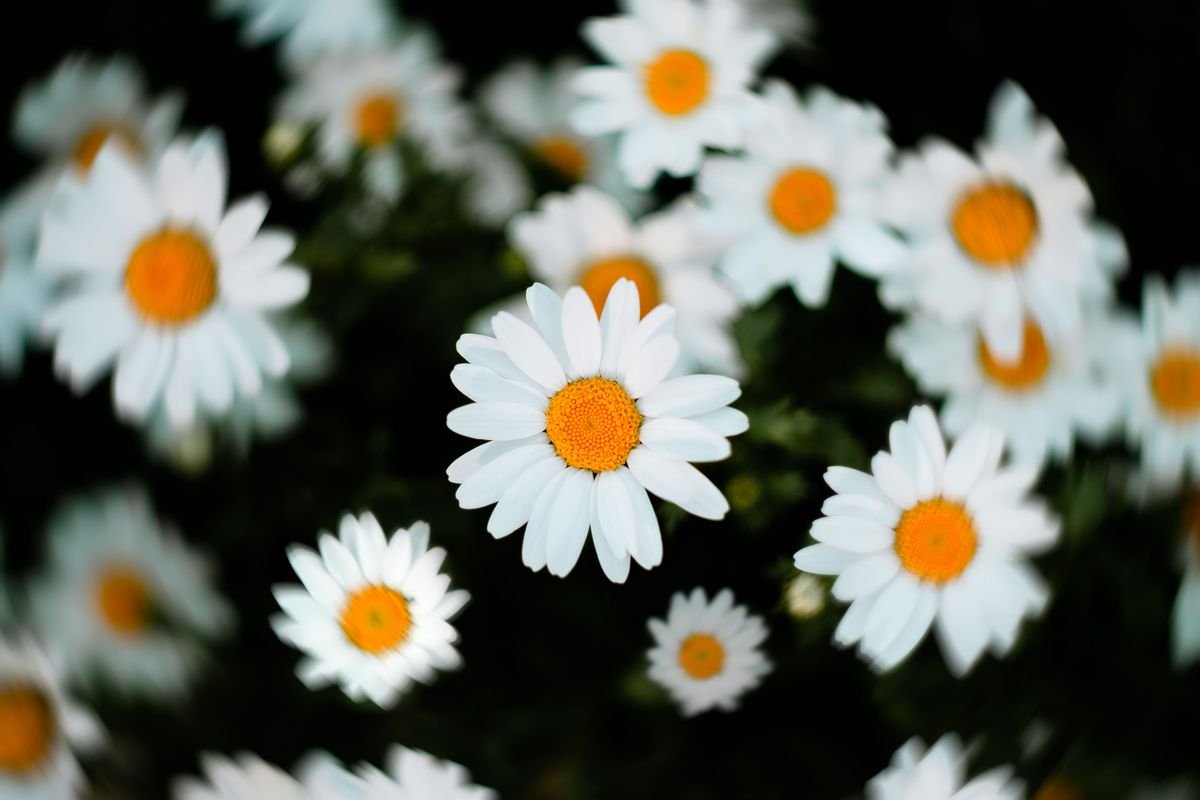
Daisies have earned a reputation among gardeners as cheerful, tough perennials that can handle almost anything you throw at them. Many beginners plant Shasta daisies, African daisies, or Gerbera daisies expecting non-stop blooms with minimal effort.
While they are generally resilient, daisies are far from indestructible. If your once-vibrant flowers are suddenly drooping, turning yellow, or rotting at the base, immediate action is required to save them. Understanding the root cause of the decline is the fastest way to nurse your plants back to health.
Common Signs of Dying Daisies
Before you can fix the issue, you need to understand what your plants are trying to communicate. Daisies show distress through their foliage, stems, and blossoms in very distinct ways.
Wilting is usually the first visible sign of stress, but it can indicate either too much water or not enough moisture. Look closely at the texture of the wilted leaves to tell the difference.
Yellowing leaves, brown crispy tips, stunted flower buds, and soft stems all point toward specific environmental stressors or biological threats. Taking time to inspect the entire plant from crown to root will help you choose the right remedy.
Watering Mistakes That Harm Daisies
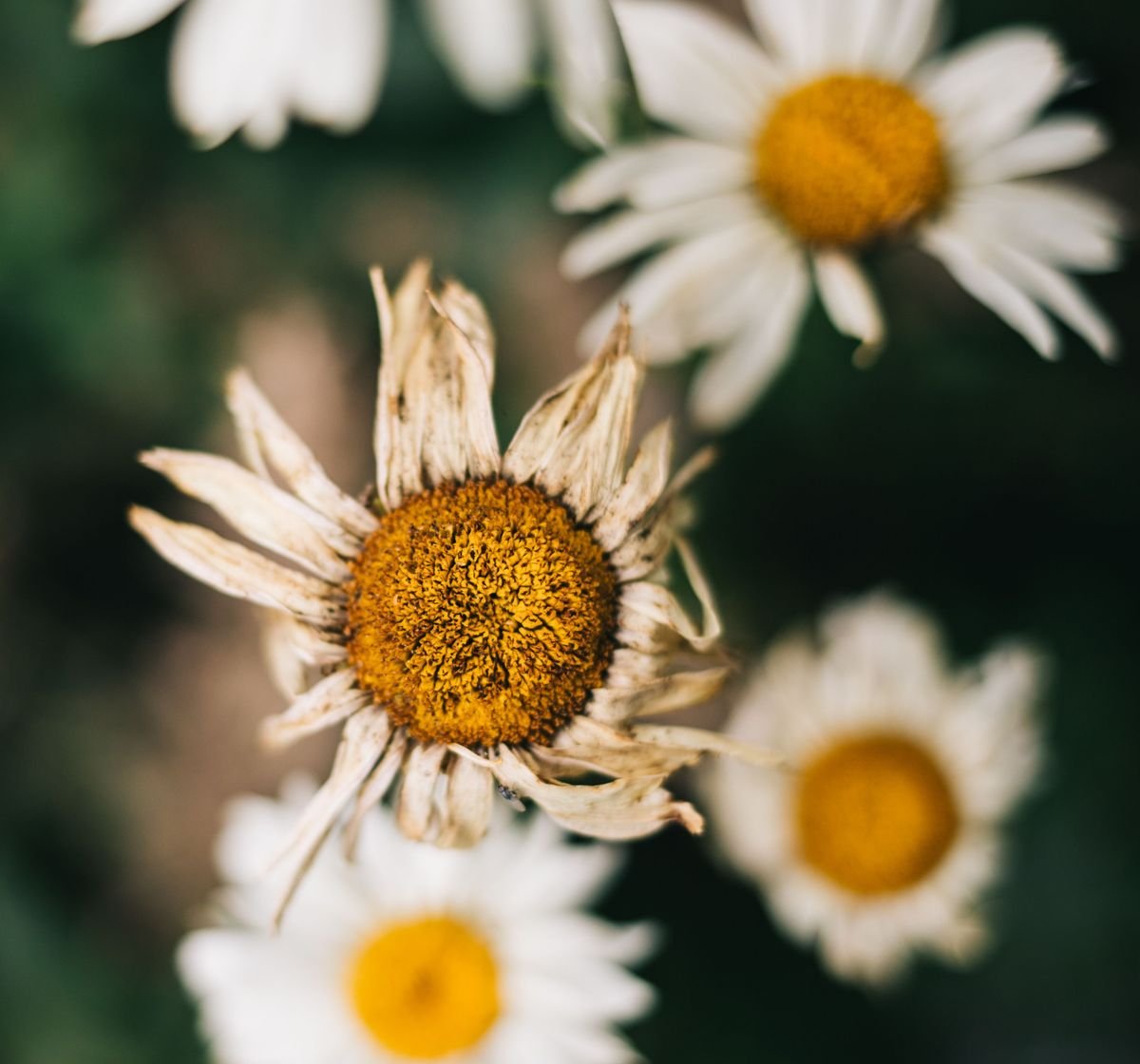
Improper watering is the leading reason garden daisies decline and die. Finding the balance between deep hydration and good drainage is essential for their root health.
During peak summer heat, established daisies typically need about one to two inches of moisture every week. In mild spring or autumn weather, their water requirements drop dramatically.
Providing shallow sprinkles every day encourages weak, surface-level roots that quickly collapse during a heatwave. Deep, infrequent watering allows the moisture to reach lower soil layers where the roots can drink steadily.
Overwatering and Root Rot
Giving your daisies too much water creates soggy soil where roots cannot breathe. Without adequate oxygen, beneficial roots begin to suffocate and decay beneath the surface.
When root rot takes hold, the base of the plant turns mushy and leaves turn pale yellow. If you pull up the plant, healthy white roots will be replaced by dark brown, slimy strands with a foul odor.
- Stop watering immediately and let the top two inches of soil dry completely.
- Trim away black or slimy root tissue with sterilized garden shears.
- Replant in fresh, porous soil amended with perlite or coarse sand.
Underwatering and Drought Stress
Daisies that suffer from dehydration will quickly lose their turgor pressure and flop over. Their lower leaves turn dry, paper-thin, and brown around the margins.
Dry soil pulls away from the edges of pots or garden beds, creating gaps where water drains away without soaking into the root ball. In severe drought, the entire stem system collapses.
To rescue dehydrated daisies, give them a slow, deep soak until moisture penetrates deep into the soil. For potted varieties, bottom watering in a shallow tray allows the soil mix to absorb water evenly.
Common Garden Pests on Daisies
Insects can quickly overwhelm daisy plants by stealing vital nutrients and spreading debilitating plant viruses. A minor bug issue can turn into a lethal infestation in a matter of days.
Check the undersides of leaves and the junction where stems meet the main crown. Small clusters of bugs often hide in protected crevices away from direct sunlight.
Catching pests early prevents permanent structural damage to flower stems and foliage.
Sap Sucking Insects
Aphids, spider mites, thrips, and whiteflies love to feed on the sugary sap inside daisy foliage. As they pierce the tender leaf tissue, they cause foliage to curl, cup, and turn mottled yellow.
Spider mites leave behind fine silken webbing across flower buds, while aphids secrete sticky honeydew that attracts black sooty mold.
- Rinse heavy clusters of aphids off stems using a steady stream of water from your garden hose.
- Spray the foliage thoroughly with organic insecticidal soap or neem oil solution.
- Encourage beneficial predatory bugs like ladybugs and lacewings in your flower beds.
Leafminers and Stem Borers
Leafminers are the larvae of small flies that tunnel between the upper and lower layers of daisy leaves. They leave behind winding, white serpentine trails that destroy the photosynthetic surface of the leaf.
Stem borers chew directly into the center of primary stalks, cutting off moisture and nutrients to the upper blooms. The affected branch will suddenly wilt and snap in light wind.
Pinch off leaves with visible mining trails and discard them in the trash, never in your compost pile. For borers, prune the damaged stem down to healthy green tissue below the entry hole.
Fungal and Bacterial Diseases
High humidity, poor airflow, and wet foliage create an ideal environment for pathogenic fungi and bacteria. Daisies are susceptible to several blights that can rapidly kill entire clumps.
Pathogens frequently overwinter in fallen plant debris and splash onto fresh leaves during heavy rainstorms or overhead watering.
Maintaining strict garden hygiene and sanitizing your tools are the best ways to stop infections from spreading across your flower beds.
Wilt and Rot Pathogens
Acremonium wilt, Verticillium wilt, and cottony rot (Sclerotinia) are destructive fungal infections that attack the vascular system of daisies. Infected plants wilt on one side first before collapsing completely.
Cottony rot produces fuzzy white fungal mycelium and hard black nodules on lower stems near the soil line. Once these systemic pathogens enter the vascular tissue, treatments are rarely successful.
Remove and destroy infected plants immediately to prevent the fungus from spreading to neighboring perennials. Avoid planting daisies in that specific patch of soil for at least three seasons.
Leaf Spot and Powdery Mildew
Powdery mildew creates a dusty white coating across the surface of daisy foliage, blocking sunlight and reducing the plant ability to make energy. Over time, leaves turn yellow and drop prematurely.
Septoria leaf spot causes circular brown or black spots with yellow halos across older leaves. If left untreated, the spots merge and cause widespread foliage death.
- Always water at the base of the plant to keep the leaves completely dry.
- Thin out dense clumps to promote good air circulation through the center of the plant.
- Apply copper fungicide or a baking soda spray at the first sign of spotting.
Sunlight and Temperature Stress
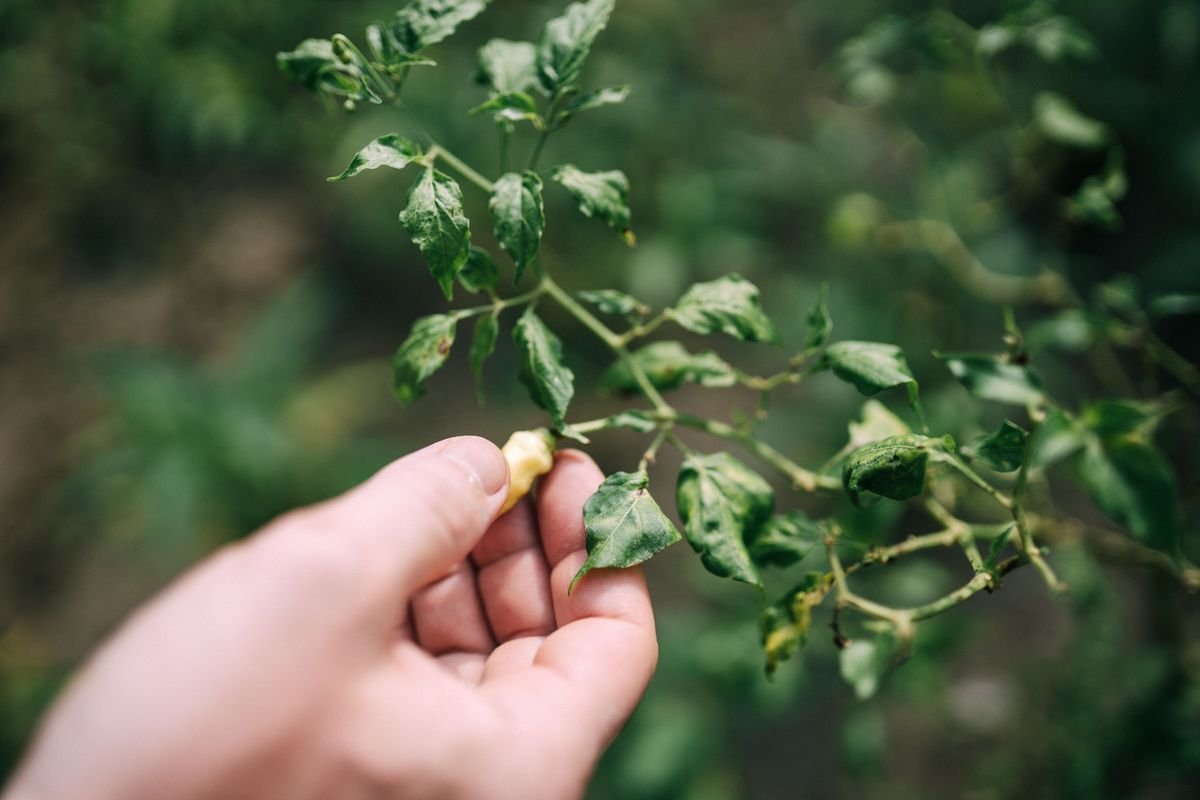
Most daisy varieties require at least six hours of direct sunlight every day to produce strong stems and vibrant blooms. Growing them in full shade leads to weak, leggy stems that easily fall over.
However, intense afternoon sun combined with extreme heat waves can scorch delicate petals and foliage. African daisies and Gerbera daisies often pause blooming when temperatures climb above eighty-five degrees Fahrenheit.
In hot southern climates, plant your daisies where they receive bright morning sunshine and gentle afternoon shade. Applying a two-inch layer of organic mulch helps keep root temperatures cool during hot summer months.
Poor Soil and Drainage Problems
Daisies require loose, fertile, well-draining soil with a slightly acidic to neutral pH between 6.0 and 7.0. Heavy clay soils hold excess water and suffocate delicate feeder roots.
Sandy soil that drains too quickly can cause plants to dry out and starve from lack of available nutrients. Soil compaction from foot traffic also prevents roots from expanding outward.
Before planting, work two to three inches of rich compost or aged manure into the top eight inches of garden soil. In heavy clay areas, consider planting daisies in raised garden beds or large containers with drainage holes.
Nutrient Deficiencies and Fertilizer Burn
While daisies are not heavy feeders, an imbalance in soil nutrients can cause severe decline. A lack of nitrogen causes overall pale yellow foliage and stunted growth.
Conversely, overfeeding with synthetic chemical fertilizers burns delicate roots and causes brown crispy edges on leaves. High-nitrogen fertilizers also produce lush green leaves at the expense of flower buds.
Feed your daisies once in early spring with a balanced, slow-release granular fertilizer. If you suspect fertilizer burn, flush the soil thoroughly with plenty of fresh water to leach out excess mineral salts.
Steps to Revive Your Dying Daisies
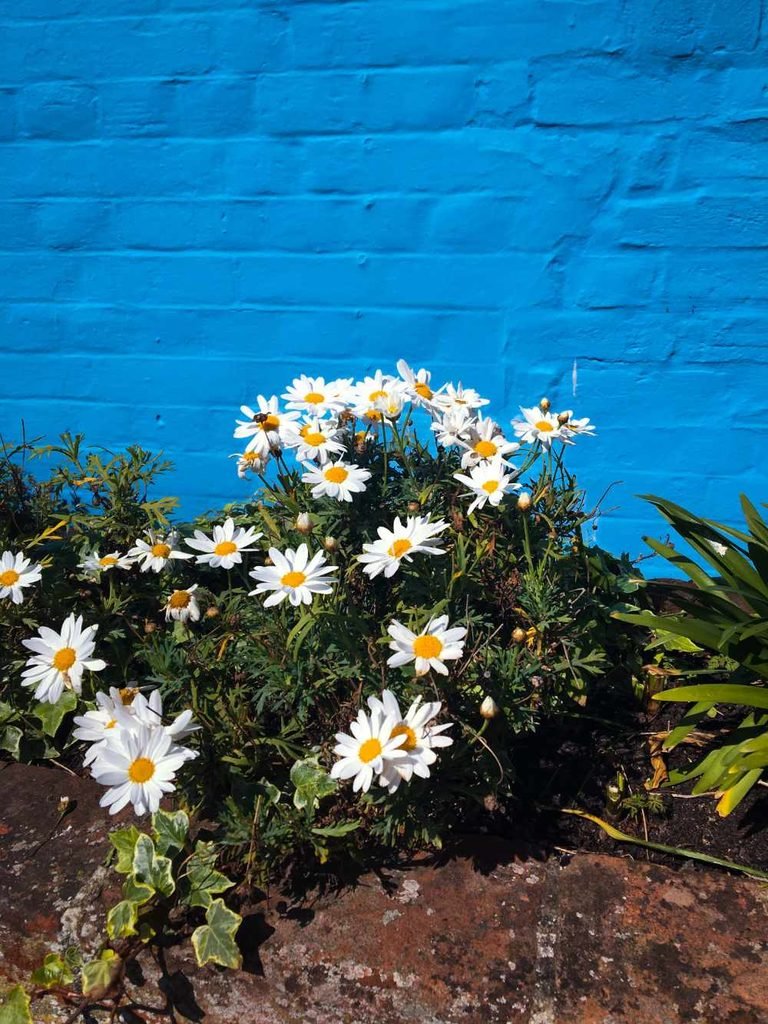
If your daisies look weak and sickly, following a structured recovery plan can help bring them back to life. With quick intervention, many plants bounce back within a few weeks.
Start by assessing the root zone and environmental conditions to address the root cause of distress before making drastic changes.
- Prune away dead, diseased, or pest-damaged foliage and spent blooms to redirect plant energy toward root recovery.
- Check soil moisture two inches down using your finger or a moisture meter.
- Adjust your watering routine to ensure deep hydration followed by a slight drying period.
- Treat any active insect infestations with organic insecticidal soap or neem oil spray.
- Move potted daisies into bright, indirect sunlight while they recover from stress.
How Healthy Are Your Daisies?
Answer 4 quick questions to see your result