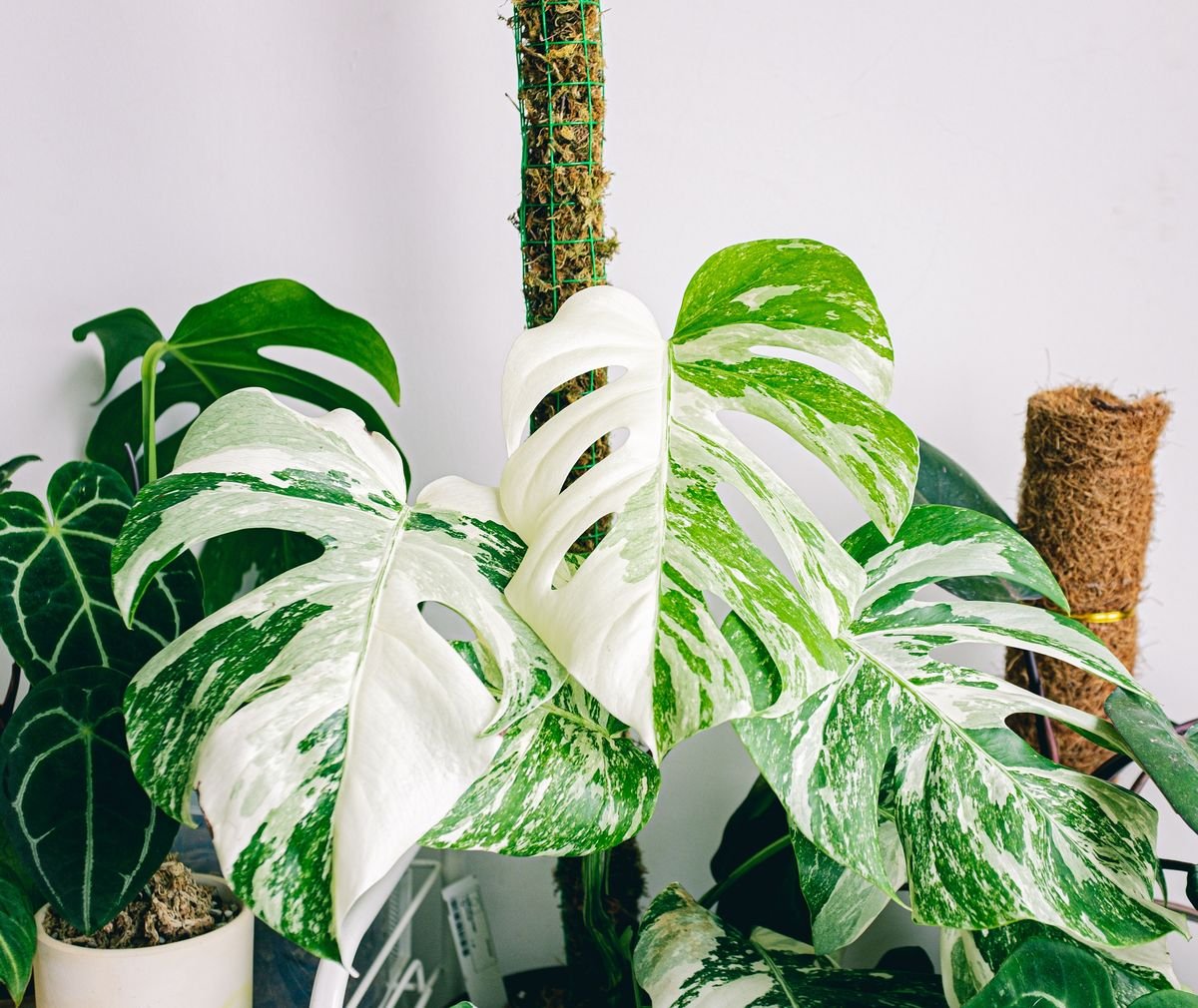
Monstera plants have taken over the indoor gardening world, filling living rooms and social media feeds with their dramatic, perforated green leaves. Their bold tropical appearance adds an instant architectural statement to any interior space.
Yet when you begin shopping for one, the price tags can quickly catch you off guard. While common nursery specimens can be relatively affordable, rare varieties and mature specimens easily climb into hundreds or even thousands of dollars.
Understanding the commercial and biological reasons behind these costs will help you make smart choices for your own collection.
Understanding Monstera Plant Prices
The price of a Monstera is not arbitrary. Commercial nurseries and private sellers determine plant value through a combination of biological growth rates, market availability, and logistical expenses.
Unlike fast-growing annuals, tropical climbing vines require specific environmental conditions, substantial physical floor space, and continuous monitoring to produce healthy, marketable foliage.
High Demand and Popularity
Interior design trends have placed tropical houseplants at the center of modern home decor. Monstera leaves, with their iconic split patterns known as fenestrations, have become synonymous with stylish living spaces.
When global consumer demand spikes faster than commercial growers can scale their propagation efforts, market prices naturally rise. Growers must balance long cultivation timelines against sudden surges in buyer interest.
Social Media and Plant Trends
Online plant communities and collector groups have created unprecedented visibility for rare cultivars. A single viral photo of a newly released hybrid or an exceptionally marbled leaf can generate thousands of eager buyers overnight.
This digital enthusiasm creates competitive bidding on online plant auctions. Rare plant collectors often view unique specimens as prized status symbols or long-term investments.
Slow Growth and Cultivation Time
Producing a large, mature Monstera with multi-tiered leaf perforations takes several years of dedicated care. Plants cannot simply be rushed through their growth cycles without sacrificing structural strength.
Commercial nurseries must invest in labor, fertilizer, pest management, and heated greenhouse space for months or years before a plant reaches retail size. Every month a specimen stays in a nursery adds directly to its final retail price.
The Process of Maturation
Juvenile Monstera leaves start small, heart-shaped, and completely solid without any splits. Fenestrations only develop when the plant receives adequate light, humidity, and sturdy vertical support to climb.
Reaching full adult maturity requires sturdy moss poles and precise fertilization routines. Buyers paying premium prices for large specimens are essentially paying for the years of professional maintenance already invested in the plant.
Plant Rarity and Wild Scarcity
Certain Monstera species inhabit very narrow geographical ranges in the rainforests of Central and South America. In the wild, habitat fragmentation and strict conservation laws limit the legal collection of new botanical specimens.
Responsible commercial propagation relies on ethical stock mother plants already in cultivation. Because original botanical material is scarce, supply chains remain limited for less common species.
Genetic Mutations and Variegation
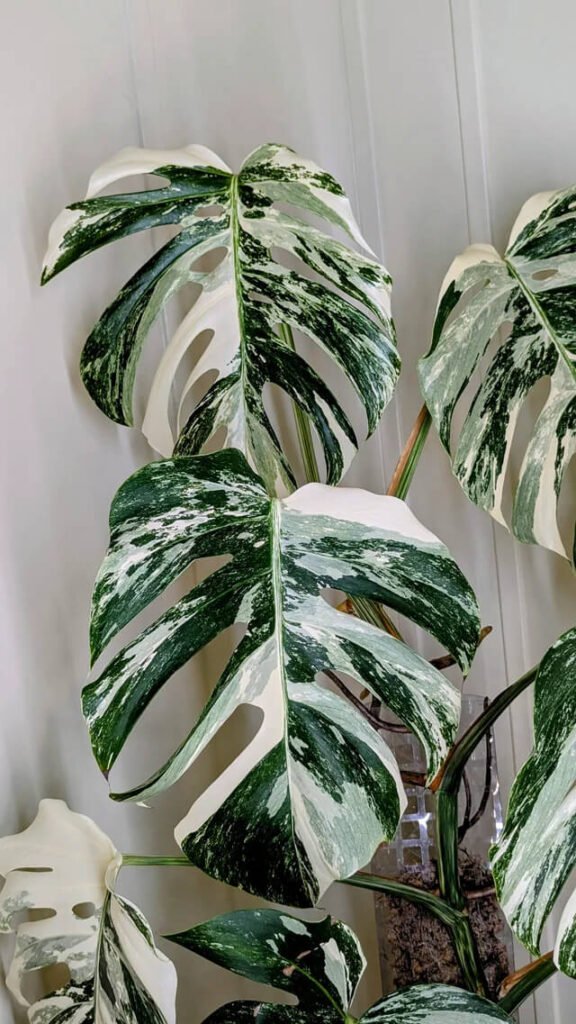
Variegated Monstera varieties feature striking white, cream, or light yellow sections across their foliage. This coloration occurs due to a natural genetic mutation that prevents plant cells from producing chlorophyll in certain zones.
Because white leaf sectors cannot perform photosynthesis, variegated plants grow significantly slower than their fully green counterparts. They require more delicate care, brighter filtered lighting, and careful humidity management to avoid leaf browning.
Unstable Variegation Risks
Chimeric variegation, such as that found in Monstera deliciosa ‘Albo Borsigiana’, is genetically unstable. This means the plant can spontaneously revert to completely solid green growth or produce fully white leaves that eventually die from a lack of energy.
Growers must continuously prune and cull non-performing stock to maintain desirable patterns. The high failure rate during commercial propagation drives up the retail cost of successful, stable cuttings.
Laboratory Micropropagation Challenges
Tissue culture allows laboratories to clone thousands of plantlets from tiny tissue samples. While this technology has increased availability for some plants, producing stable variegated Monstera varieties in a lab setting is exceptionally complex.
Maintaining sterile laboratory conditions, custom hormone formulations, and precise climate control requires massive upfront capital. Even minor contamination can destroy entire production batches, resulting in substantial financial losses for commercial laboratories.
Tissue Culture Complications
When laboratories attempt to mass-produce variegated varieties like the Thai Constellation, mutations can behave unpredictably. Acclimating delicate laboratory plantlets to standard greenhouse soil requires skilled labor and specialized weaning chambers.
High mortality rates during the hardening-off stage limit the final volume of plants that successfully reach garden centers. The cost of discarded failed batches is absorbed into the price of surviving inventory.
Size and Maturity Impact on Pricing
Physical size remains one of the most reliable predictors of a houseplant’s cost. Larger plants occupy substantial square footage in commercial greenhouses, reducing the total inventory a grower can hold at one time.
Transporting mature plants also requires custom packaging, heavy containers, and freight shipping rather than standard parcel services. These logistical demands increase final costs for both retailers and consumers.
Shipping and Import Expenses
Many rare varieties originate from specialized propagation nurseries in tropical regions like Thailand, Indonesia, or Costa Rica. Transporting live botanical specimens across international borders involves significant bureaucratic and logistical hurdles.
Importers must pay for:
- Phytosanitary inspection certificates to ensure plants are pest-free
- Customs clearance fees and import brokerage duties
- Expedited temperature-controlled air freight
- Agricultural quarantine holding periods
These unavoidable import overheads are directly calculated into the retail price tag.
Climate Control and Greenhouse Costs
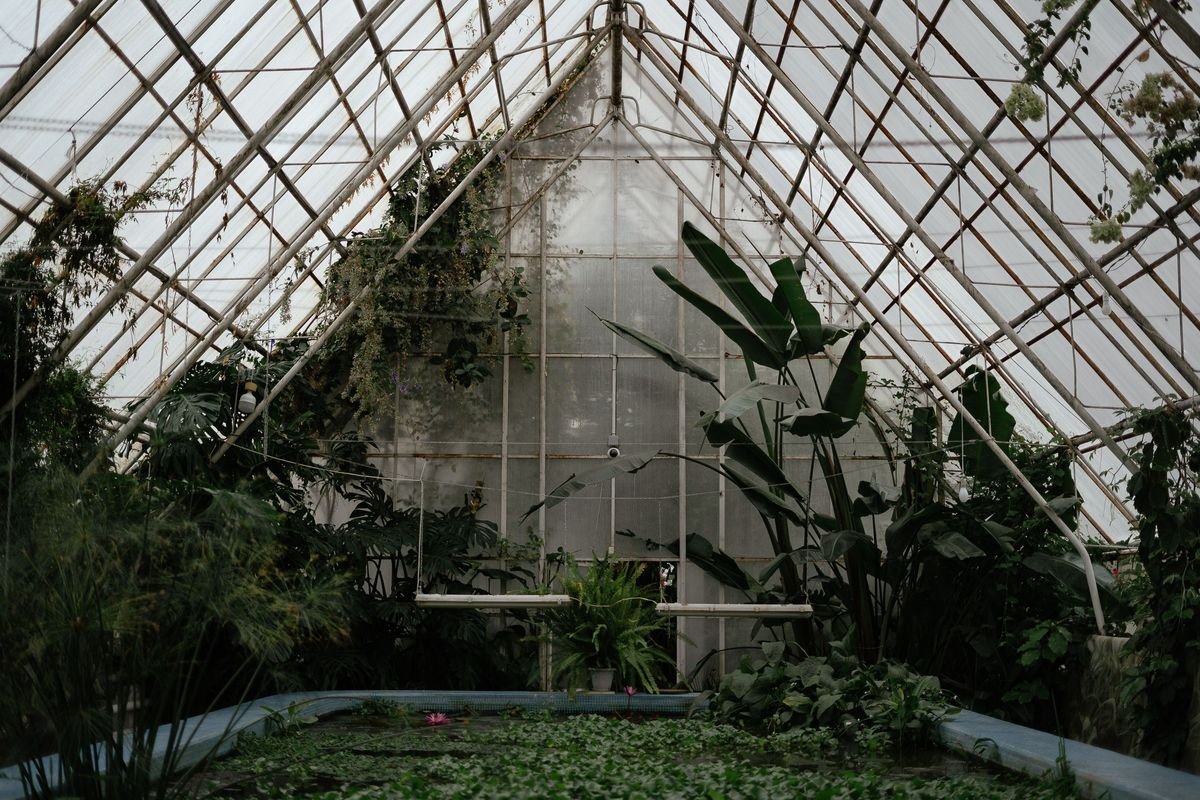
Monstera species naturally thrive in warm, humid subtropical climates with temperatures consistently between 65 and 85 degrees Fahrenheit. Commercial growers in temperate regions must operate powerful heating, misting, and supplemental lighting systems year-round.
Spikes in commercial energy and gas rates directly elevate the operating cost per square foot of greenhouse space. Protecting tropical collections from freezing winter temperatures represents a major ongoing expense.
Price Differences Between Monstera Varieties
The Monstera genus contains over forty recognized species, each possessing unique leaf textures, growth habits, and cultivation requirements. Market value varies dramatically depending on the exact botanical classification of the plant.
Understanding which varieties are common and which are genuine collector pieces will help you set realistic expectations before buying.
Budget Friendly Monstera Deliciosa
The standard green Monstera deliciosa is widely cultivated and relatively simple to propagate from conventional stem cuttings. As a result, small starter pots often retail for twenty to forty dollars at local garden centers.
Its fast growth rate, resilience to standard home humidity, and broad availability make it the perfect starting point for beginner plant enthusiasts.
Mid Range Monstera Adansonii
Commonly known as the Swiss Cheese Vine, Monstera adansonii features smaller, ovate leaves filled with enclosed oval perforations. It is an active climbing vine that roots quickly in water or moist potting media.
Standard green forms of Adansonii are reasonably priced, generally ranging between fifteen and thirty-five dollars. However, specialized wide-form cultivars or variegated mutations command significantly higher prices.
The Ultra Rare Monstera Obliqua
Monstera obliqua is one of the rarest houseplants in cultivation. Genuine specimens have paper-thin leaves where the natural holes occupy up to ninety percent of the total leaf surface area.
Because true Obliqua grows exceptionally slowly and produces very few viable nodes for propagation, authentic verified cuttings frequently sell for hundreds or thousands of dollars among high-end collectors.
Expensive Variegated Varieties
Variegated selections such as Monstera deliciosa ‘Thai Constellation’, ‘Albo Borsigiana’, and ‘Aurea’ occupy the premium tier of the market. Thai Constellation features stable cream-colored speckles, while Albo displays bold white marbling.
Depending on the symmetry of the variegation and root development, mature specimens range from one hundred dollars to several thousand dollars.
Practical Ways to Buy Monsteras for Less
You do not need an extravagant budget to add beautiful tropical foliage to your home. With a bit of patience and strategic shopping, you can acquire high-quality plants at a fraction of standard boutique prices.
Exploring alternative sourcing channels often yields healthy specimens at genuine bargain rates.
Starting with Stem Cuttings
Purchasing an unrooted single-node cutting is significantly cheaper than buying an established potted plant. A healthy node with an aerial root can be propagated in water, moist perlite, or sphagnum moss on a warm windowsill.
While root establishment takes several weeks of attention, growing your own plant from a cutting offers immense personal satisfaction and substantial cost savings.
Swapping with Local Plant Groups
Community plant swaps and local gardening clubs are fantastic resources for acquiring affordable plants. Experienced growers frequently prune their large mother plants and happily trade healthy cuttings with fellow enthusiasts.
Participating in local horticultural exchanges allows you to obtain acclimatized, pest-free plant stock while building valuable connections with nearby gardeners.
Protecting Your Monstera Investment
Once you purchase a premium Monstera, proper care is essential to safeguard your financial investment. Providing the right environment prevents root decay, leaf scorch, and stunted development.
Always use a chunky, well-aerated potting mix containing orchid bark, perlite, and peat moss to ensure rapid drainage. Allow the top two inches of substrate to dry out between thorough waterings, and position your plant in bright, indirect sunlight to preserve vibrant leaf growth.
Final Thoughts on Monstera Value
The high cost of Monstera plants stems from a blend of biological complexity, lengthy cultivation cycles, international shipping demands, and enthusiastic market interest. Rare mutations and mature specimens naturally require greater resources to produce.
By understanding the horticultural factors that influence retail pricing, you can make informed purchasing decisions that match your budget, experience level, and indoor growing conditions.
Rare Monstera Readiness Assessment
Answer 4 quick questions to see your result