
Pothos is easily one of the most resilient and forgiving houseplants you can grow indoors. It handles low light, bounces back from missed waterings, and continues trailing along shelves with minimal complaint.
Even seasoned plant parents occasionally pause when small, brown nubs or long brown tentacles start emerging from the climbing stems.
Seeing strange structures growing into thin air can make you wonder if your plant is stressed, searching for help, or preparing to decline.
Fortunately, aerial roots are a completely normal and healthy feature of pothos botany, offering valuable clues about your indoor growing environment.
Understanding Pothos Aerial Roots
Aerial roots are specialized roots that emerge from stems above the ground rather than inside the potting soil.
In the wild, golden pothos (Epipremnum aureum) is an aggressive climbing vine native to tropical rainforests. As it scrambles up tree trunks toward the forest canopy, it relies on these above-ground roots to anchor itself securely and scavenge resources from the humid air.
When grown inside your living room or office, your pothos retains this genetic programming. Even in a hanging basket, your plant will sprout aerial roots at the stem nodes whenever environmental conditions prompt it to do so.
How Aerial Roots Differ from Soil Roots
While both types of roots belong to the same vascular system, they develop unique physical adaptations suited for their respective environments.
Soil roots, also known as subterranean roots, are delicate, fine, and covered with microscopic root hairs designed to pull water and dissolved minerals from potting mix.
Aerial roots develop a thicker, tougher outer skin known as the velamen layer. This protective coating prevents the root from drying out quickly in open air while remaining porous enough to absorb ambient humidity on contact.
The Natural Purpose of Aerial Roots
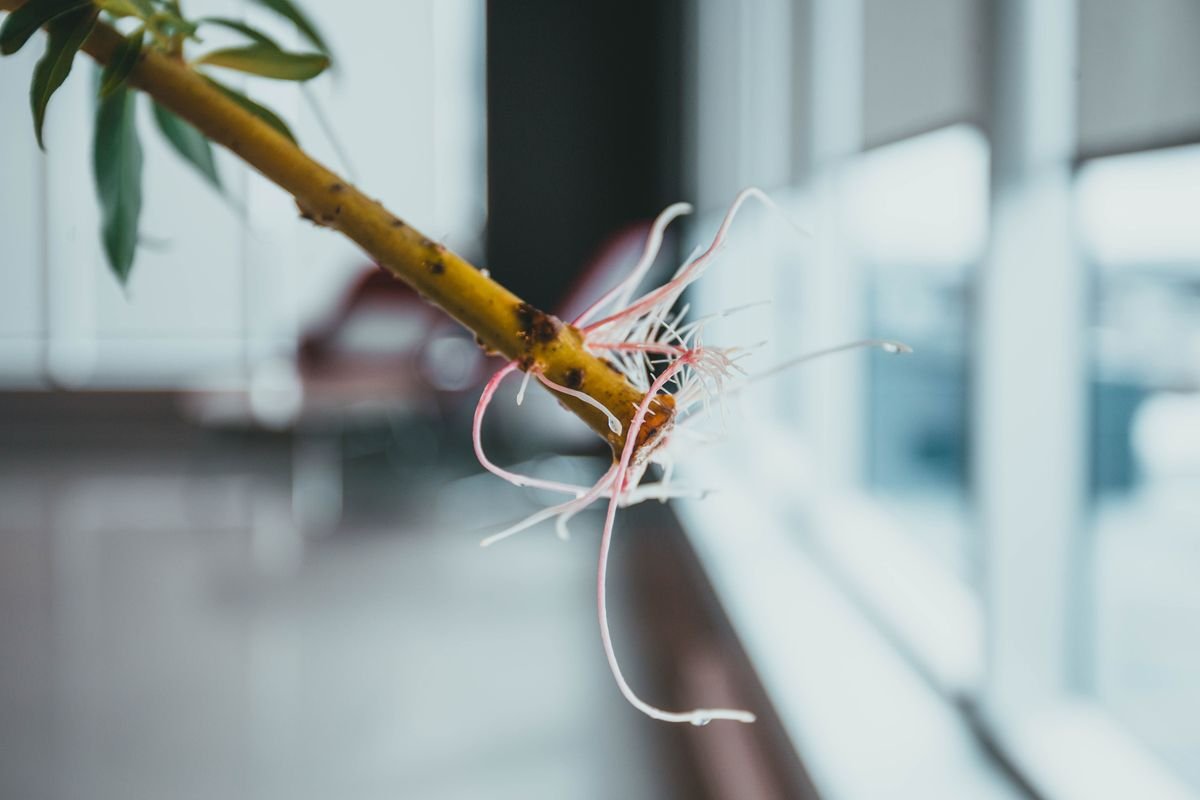
Aerial roots are not useless genetic leftovers. They perform vital survival tasks that allow pothos vines to thrive in competitive tropical ecosystems.
Understanding these primary functions will help you appreciate why your houseplant produces them and how you can work with your plant natural growth patterns.
Providing Structural Support for Climbing
In nature, pothos vines can reach lengths of over forty feet, with massive leaves that weigh down the vine.
Aerial roots act as living anchors, fastening the vine tightly to rough bark, stone surfaces, and neighboring tree branches.
Inside your home, giving your pothos a moss pole, wooden plank, or trellis allows these roots to grab hold, signaling the plant that it is climbing and encouraging it to produce larger, mature foliage.
Absorbing Atmospheric Moisture
Rainforest canopies frequently experience high humidity, morning mist, and passing fog.
Aerial roots capture this airborne vapor directly, channeling hydration straight into the stem without waiting for water to filter down into the ground.
This secondary hydration pathway keeps the upper leaves of long vines hydrated even during temporary dry spells.
Gathering Rainwater and Dissolved Nutrients
When rainwater washes down tree trunks, it collects decomposing organic matter, bird droppings, and mineral dust.
Aerial roots intercept this nutrient-rich runoff as it trickles over the bark.
This extra feeding supplement helps the plant maintain rapid vegetative growth without relying entirely on subterranean soil reserves.
Enhancing Plant Oxygen Intake
Plant roots require oxygen for cellular respiration, which powers nutrient uptake and healthy cellular growth.
If the forest floor becomes waterlogged or oxygen-depleted during heavy monsoon seasons, underground roots can suffocate.
Aerial roots stay exposed to open air, serving as auxiliary breathing tubes that keep the plant oxygenated until soil drainage improves.
Boosting Propagation Success
When heavy winds or passing animals snap a pothos vine, the fallen piece must quickly establish itself on the forest floor.
Having active aerial roots at every node gives that broken cutting a head start.
As soon as the segment touches moist soil or water, those aerial roots rapidly transform into functional subterranean roots, saving the cutting from dehydration.
Common Triggers for Aerial Root Growth
Every pothos produces small aerial root buds naturally, but certain household conditions cause them to elongate rapidly.
By observing your plant aerial root behavior, you can easily diagnose your indoor microclimate and fine-tune your care routine.
High Ambient Humidity Levels
If you place your pothos in a steamy bathroom, right next to a humidifier, or inside a greenhouse cabinet, aerial root production will spike.
The plant senses abundant moisture in the air and extends fleshy roots to take advantage of the humid environment.
This is a sign that your pothos feels completely at home and is enjoying prime tropical conditions.
Warm Room Temperatures
Pothos plants grow fastest when room temperatures consistently hover between 70 and 85 degrees Fahrenheit.
Warm temperatures accelerate plant metabolism, triggering active vine elongation and root development along the stems.
If temperatures rise too high without adequate water, however, the plant may send out roots in an urgent search for moisture.
Underwatered Soil and Drought Stress
When a pothos goes without water for too long, the underground root system begins to dry out and shrink.
To save itself from severe dehydration, the vine extends aerial roots outward into the surrounding room, searching for alternative sources of water.
If you notice aerial roots suddenly shooting out while the lower leaves look droopy or wrinkled, your watering schedule is likely too infrequent.
Overwatered Soil and Root Suffocation
Consistently soggy soil forces oxygen out of the potting mix, causing underground roots to rot and decay.
When the primary root system dies from lack of air, the vine loses its ability to pull water upward.
The plant responds by rapidly sprouting aerial roots along the upper stems to breathe and seek oxygenated moisture before the whole vine collapses.
Inadequate Indoor Lighting
In deeply shaded corners or dark rooms, pothos vines start stretching toward the nearest light source in a process known as etiolation.
As the stems stretch out, the plant simultaneously develops aerial roots to help it climb higher toward brighter canopy gaps.
Providing bright, indirect light prevents excessive stem stretching and produces bushier, more compact growth.
Depleted Potting Soil Nutrients
Old potting soil loses its organic matter and essential mineral content over time.
When the soil no longer provides sufficient nitrogen, phosphorus, or potassium, the plant searches elsewhere by pushing out aerial roots.
Refreshing the top layer of potting mix or applying a balanced houseplant fertilizer can solve this issue quickly.
Physical Stem Damage or Shock
If a trailing stem gets bent, pinched, or partially severed, nutrient flow through that vine is disrupted.
The nodes located past the injury point will frequently sprout aerial roots to secure a backup anchor and begin absorbing local resources.
This built-in survival tactic ensures the disconnected portion of the vine can establish itself as an independent plant.
How Healthy Pothos Aerial Roots Look
Learning to recognize healthy versus struggling aerial roots will help you decide whether to leave them alone, trim them, or adjust your plant care.
Aerial roots go through distinct visual stages as they develop from fresh nodes into mature woody anchors.
Early Growth Nubs and Nodes
Fresh aerial roots begin as small, firm bumps located directly opposite leaf petioles on the stem nodes.
They are typically light green, creamy white, or pale tan when they first break through the outer stem skin.
At this early stage, they are plump, fleshy, and highly sensitive to humidity changes.
Mature Woody Aerial Roots
As aerial roots grow longer in typical household air, they develop a tough, protective outer layer.
Their color transitions from pale green to golden brown or dark grayish-brown.
These mature roots feel firm and slightly flexible, acting like sturdy cables designed to support the weight of the vine.
Recognizing Dead or Dried Out Roots
In dry indoor air with low humidity, aerial roots may stop growing and dry up completely.
Dead aerial roots turn dark brown or black, feel brittle or papery, and will snap easily when bent.
These desiccated roots no longer function, but they pose no danger to the overall health of your pothos.
Managing Aerial Roots on Your Plant
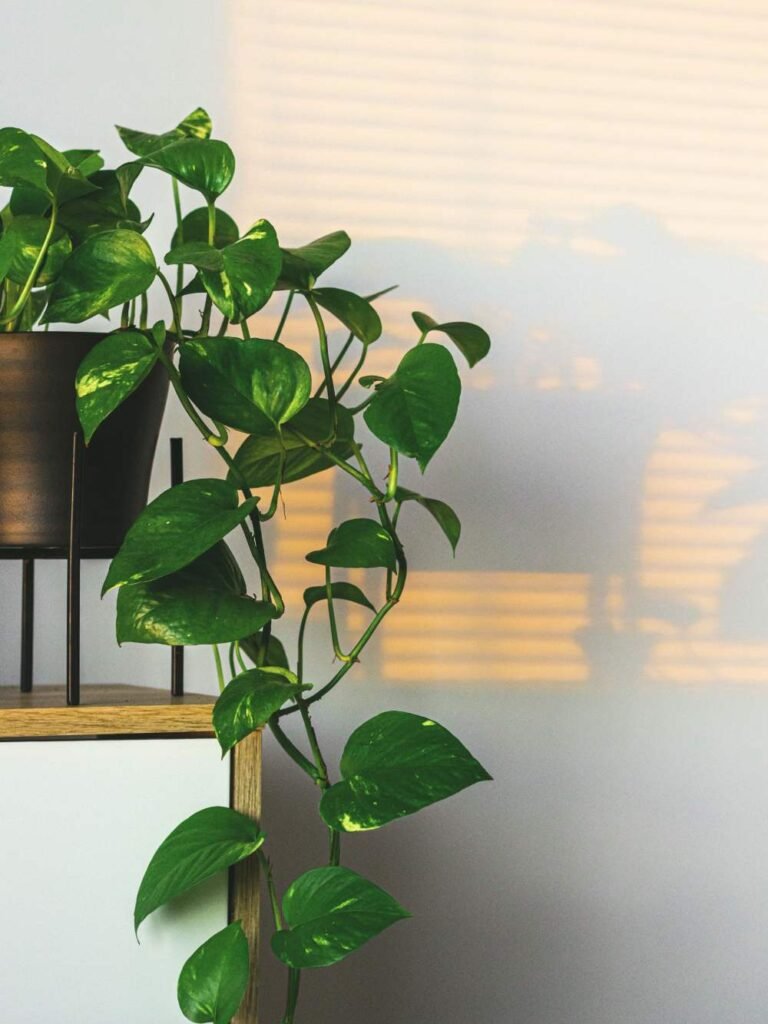
Once your pothos starts producing aerial roots, you have several practical management options depending on your aesthetic preferences and plant goals.
None of these approaches will hurt your plant as long as you follow basic sanitation rules.
Leaving the Roots Untouched
The simplest and most natural option is to leave the aerial roots completely alone.
They give your pothos a wild, tropical appearance and continue to assist with oxygen exchange and humidity collection.
Many plant enthusiasts embrace this untamed look, especially on trailing specimens displayed on high bookshelves or hanging hooks.
Guiding Roots Back Into the Soil
If you want a fuller, bushier pot, you can gently redirect long aerial roots back down into the potting mix.
Once buried under the soil surface, the aerial root will produce fine feeder roots and start absorbing water directly from the pot.
This provides extra hydration channels for the parent vine and helps anchor long trailing stems securely.
Trimming and Pruning Long Roots
If aerial roots are snagging on curtains, looking messy, or clashing with your decor, you can safely trim them off.
Use a pair of sharp, clean shears wiped with rubbing alcohol to prevent introducing fungal pathogens.
Cut each root close to the main stem, taking care not to nick the stem tissue or damage the adjacent leaf node.
Propagating Pothos Using Aerial Roots
Aerial roots are the secret weapon for effortless, foolproof pothos propagation.
Cuttings that already possess active aerial root nubs establish significantly faster than smooth stem segments because the root foundation is already built.
Step by Step Water Propagation
Water rooting is the most popular way to turn pothos cuttings into brand new plants.
- Cut a 4 to 6 inch vine section with 2 or 3 healthy leaves and at least one prominent aerial root node.
- Remove the bottom leaf so only the bare stem node sits under water.
- Place the cutting into a jar of clean, room-temperature water.
- Keep the jar in bright, indirect light and change the water weekly.
Within two to three weeks, the brown aerial root will sprout bright white secondary water roots, signaling readiness for potting soil.
Direct Soil Propagation Steps
You can also skip the water phase and root your cuttings directly into fresh potting mix.
Prepare a small pot filled with a loose, well-draining mixture of peat moss, perlite, and potting soil.
Insert the cutting so the aerial root nub is buried an inch deep, keep the soil consistently moist but never waterlogged, and place the pot in warm, indirect light.
The aerial root will quickly transition into a working subterranean root network within a few weeks.
Mistakes to Avoid with Aerial Roots
While pothos plants are extremely tough, certain common care blunders can cause unnecessary stress or damage.
Avoiding these simple pitfalls will keep your vines looking vibrant and growing steadily.
Pulling or Tearing Roots Off
Never attempt to rip, snap, or pull aerial roots off with your bare hands.
Tearing an aerial root leaves jagged wounds on the main vine, creating an open gateway for bacterial and fungal infections.
Always use sharp, sterilized scissors or pruning shears to make a clean, flush cut.
Propagating with Only an Aerial Root
A severed aerial root cannot generate a new plant on its own.
Pothos propagation requires meristematic plant tissue found exclusively within the stem node to produce new shoots and leaves.
Always make sure your cutting includes a section of stem with at least one node and one attached leaf.
Final Care Tips for Thriving Pothos

Aerial roots are a fascinating testament to the adaptability and resilience of tropical vines.
Whether you decide to prune them for a neat appearance, tuck them into the soil for extra vigor, or train them onto a moss pole, your pothos will continue to thrive under steady care.
Keep providing moderate watering, bright filtered light, and occasional feeding, and your pothos will reward you with lush, trailing greenery for years to come.
What Are Your Pothos Aerial Roots Telling You?
Answer 4 quick questions to see your result