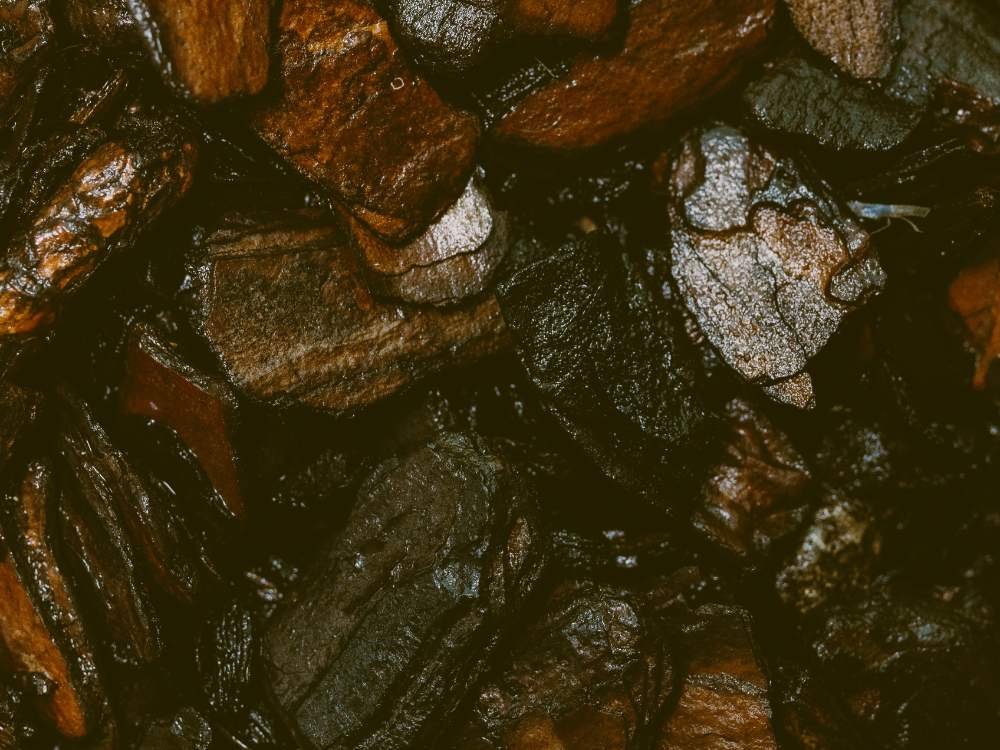
Wood chips are among the most practical and budget-friendly resources you can add to your landscape beds.
Whether you collect them from a local arborist or purchase bagged chips at a garden center, they offer reliable moisture retention, long-lasting weed control, and steady soil improvement.
Using wood chips effectively requires a basic understanding of how organic materials interact with soil chemistry and plant root systems.
When applied properly, wood chip mulch creates an ideal environment for perennials, trees, shrubs, and even walking paths across your property.
Are Wood Chips Good for Garden Mulch
Wood chips are one of the most effective and sustainable mulches available for home gardens. They provide a dense, durable physical barrier that protects topsoil from erosion while breaking down gradually over multiple seasons.
Unlike fine sawdust or grass clippings, wood chips have an irregular and chunky structure. This coarseness allows air and water to filter freely down into the ground without forming a compacted, impenetrable crust.
Gardeners love wood chips because they serve both functional and aesthetic purposes. They lend a neat, finished appearance to beds while feeding earthworms and beneficial fungal networks beneath the surface.
Sourcing Affordable or Free Wood Chips
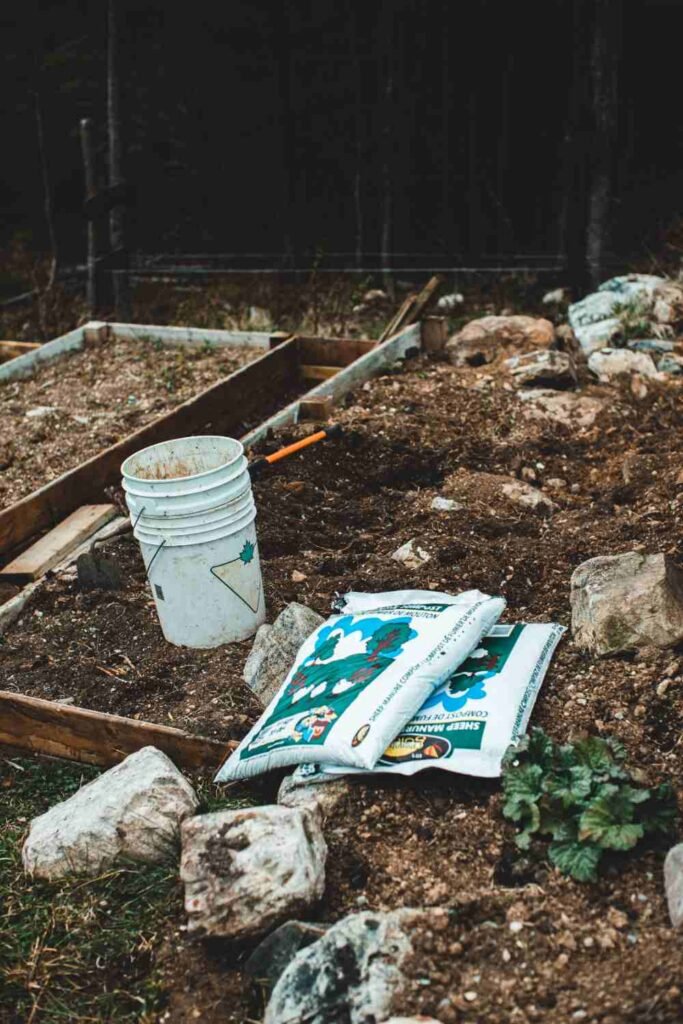
One of the best features of wood chip mulch is that you rarely have to pay premium prices to acquire it. In many communities, tree care services and municipal departments generate huge volumes of chipped brush and search for convenient drop-off sites.
You can acquire chips through several reliable avenues:
- Arborist drop services such as ChipDrop, which connect homeowners with local tree trimmers looking to dump clean wood chips.
- Municipal compost and recycling facilities that offer free bulk mulch to local residents.
- Local utility companies clearing branches away from overhead power lines.
- Renting a wood chipper to process fallen branches, pruning debris, and yard waste right on your own property.
- Local hardware stores and landscape supply centers for bagged, uniform chips.
When accepting free chips from arborists, clarify that the load contains clean tree trimmings rather than diseased trees or toxic species like black walnut.
Core Benefits of Wood Chip Mulch
Applying a generous layer of wood chips around your landscape delivers measurable improvements to plant health and garden maintenance routines.
From water conservation to natural pest suppression, wood chips deliver sustained advantages that synthetic mulches or bare soil simply cannot match.
Regulating Soil Temperature Year Round
Soil temperature swings can stress root zones, stunt seasonal growth, and harm tender plants. Wood chips act as a buffer against both blistering summer heat and harsh winter freezes.
During hot summer days, the low thermal mass of wood chips reflects radiant sunlight away from the surface. This keeps the root zones below significantly cooler than bare dirt.
In the late autumn and winter, that same layer of chips acts like an insulating blanket. It helps prevent rapid cycles of soil freezing and thawing, which protects delicate roots from frost heaving.
Suppressing Unwanted Weed Growth
Weed seeds require warmth and light to trigger germination. A thick layer of wood chips blocks sunlight from reaching the soil, dramatically reducing the number of weed seeds that can successfully sprout.
Any airborne weed seeds that land on top of the mulch will struggle to establish roots in the dry, coarse wood pieces.
The few stubborn weeds that do manage to push through are remarkably easy to pull. Because the soil underneath remains moist and loose, weed roots slip out with minimal resistance.
Retaining Essential Soil Moisture
Evaporation can rob your garden beds of gallons of water every sunny afternoon. A layer of wood chips shades the soil surface, cutting evaporation rates by more than half in many climates.
Because wood chips absorb water during rainfall and release it gradually, the surrounding soil stays consistently hydrated.
This steady moisture supply reduces your watering frequency, protects plants from mid-summer drought stress, and lowers your overall water bill.
Improving Overall Soil Structure
As wood chips sit on top of the ground, moisture and soil life begin to break down the wood fibers. This slow decomposition deposits humus directly into the top layer of earth.
Over time, sandy soils gain better water-holding capacity, while dense clay soils become more porous and better aerated.
Earthworms thrive beneath wood chip mulch, digging tunnels that improve drainage and leaving behind nutrient-dense castings that nourish surrounding roots.
Repelling Common Garden Pests
Certain species of wood chips contain aromatic oils and resins that naturally deter garden pests. For example, cedar and cypress chips have long been recognized for their pest-repelling properties.
Insects like fleas, ticks, ants, and beetles often avoid beds layered with fragrant wood chips.
While wood chips will not eliminate severe pest infestations on their own, they serve as a valuable natural deterrent when incorporated into an integrated pest management strategy.
Feeding Beneficial Soil Microbes
Healthy garden soil depends on a thriving community of microscopic organisms, especially beneficial saprophytic fungi. Wood chips are rich in lignin and cellulose, which are the preferred food sources for these friendly fungi.
As fungal mycelium spreads through the wood chips, it breaks down complex fibers into bioavailable minerals.
This microbial activity helps plants absorb phosphorus, potassium, and micronutrients far more efficiently than they could in sterile, unmulched soil.
Using Fresh Wood Chips Safely
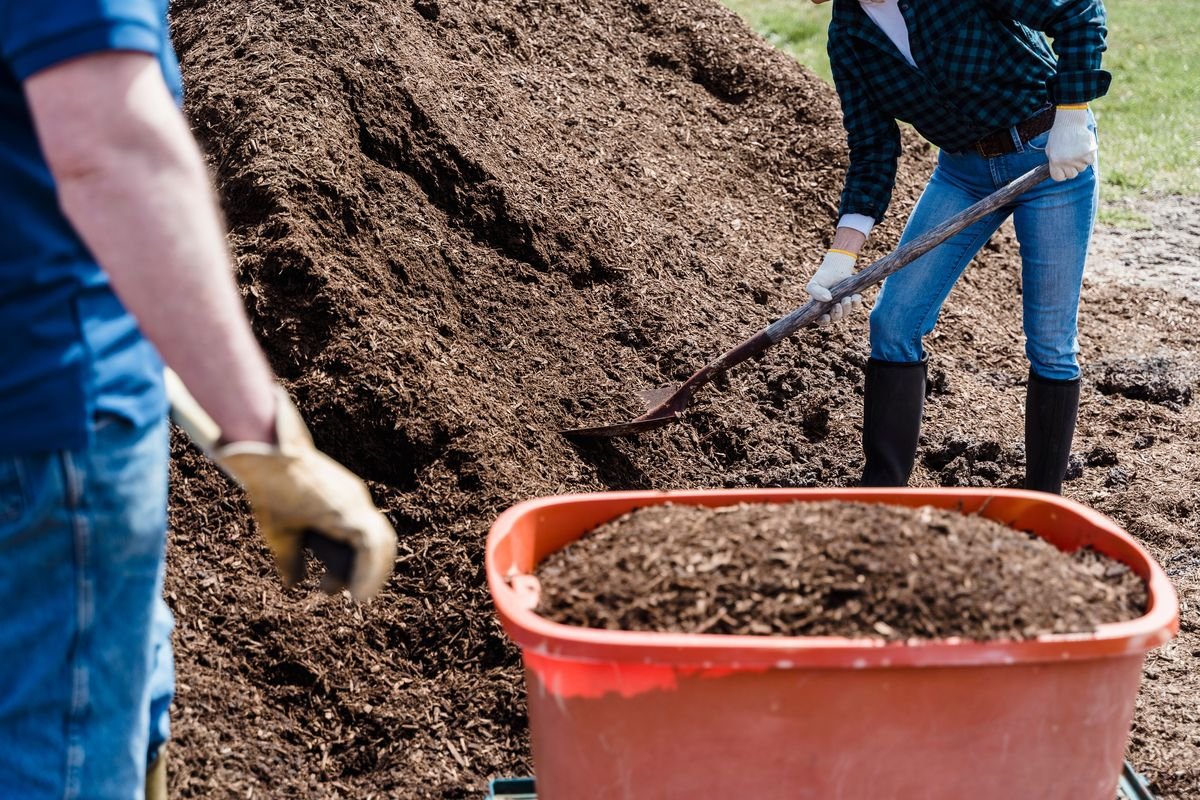
A common dilemma gardeners face is whether to use freshly chipped wood directly or wait for it to age. Fresh wood chips are completely safe to use as long as you keep them on the surface of the soil.
Never mix fresh wood chips into the soil as an amendment. When incorporated underground, the carbon-heavy wood pulls available nitrogen out of the root zone to fuel decomposition.
When spread strictly on top of the soil, fresh chips cause no noticeable nitrogen drop in the deeper root layers where established perennials and woody plants feed.
Fresh wood chips work best around mature trees, established ornamental shrubs, berry bushes, and on landscape pathways.
Nitrogen Robbing Myth and Reality
The idea that surface wood mulch starves plants of nitrogen is one of the most enduring myths in gardening. Scientific studies have shown that nitrogen tie-up occurs almost exclusively at the precise interface where the mulch meets the top millimeter of soil.
Because weed seeds germinate on this exact surface boundary, nitrogen starvation actually helps suppress weed seedlings.
Established garden plants, shrubs, and fruit trees have deep root systems located several inches down in the soil profile. Their roots remain entirely unaffected by surface microbial activity.
If you are mulching shallow-rooted annual vegetables or leafy greens, you can apply a quick layer of compost or an organic nitrogen fertilizer before spreading your chips.
Pine Wood Chips as Mulch
Pine wood chips and pine bark nuggets are widely used across residential landscapes. They are lightweight, attractive, and have a rich reddish-brown tone that lasts a long time.
Many gardeners worry that pine will turn their soil dangerously acidic. In reality, pine chips cause only a negligible, temporary change in surface pH that does not harm surrounding plants.
Keep in mind that dry pine chips can be somewhat flammable in arid regions. If you live in an area prone to wildfires, keep pine mulch several feet away from the outer walls of your home.
Cedar Wood Chips and Their Pest Control
Cedar is widely considered one of the highest-quality mulching woods available. It decomposes slower than almost any other common hardwood or softwood, meaning you need to replenish it less frequently.
Cedar chips release a pleasant natural aroma that persists for weeks after application, especially after a fresh rain.
The natural thujone compound inside cedar wood actively discourages pests like termites, moths, and roaches from nesting in your garden beds.
Because cedar retains moisture so effectively, it is ideal for thirsty ornamental perennials and moisture-loving shade plants.
Maple Wood Chips in Landscape Beds
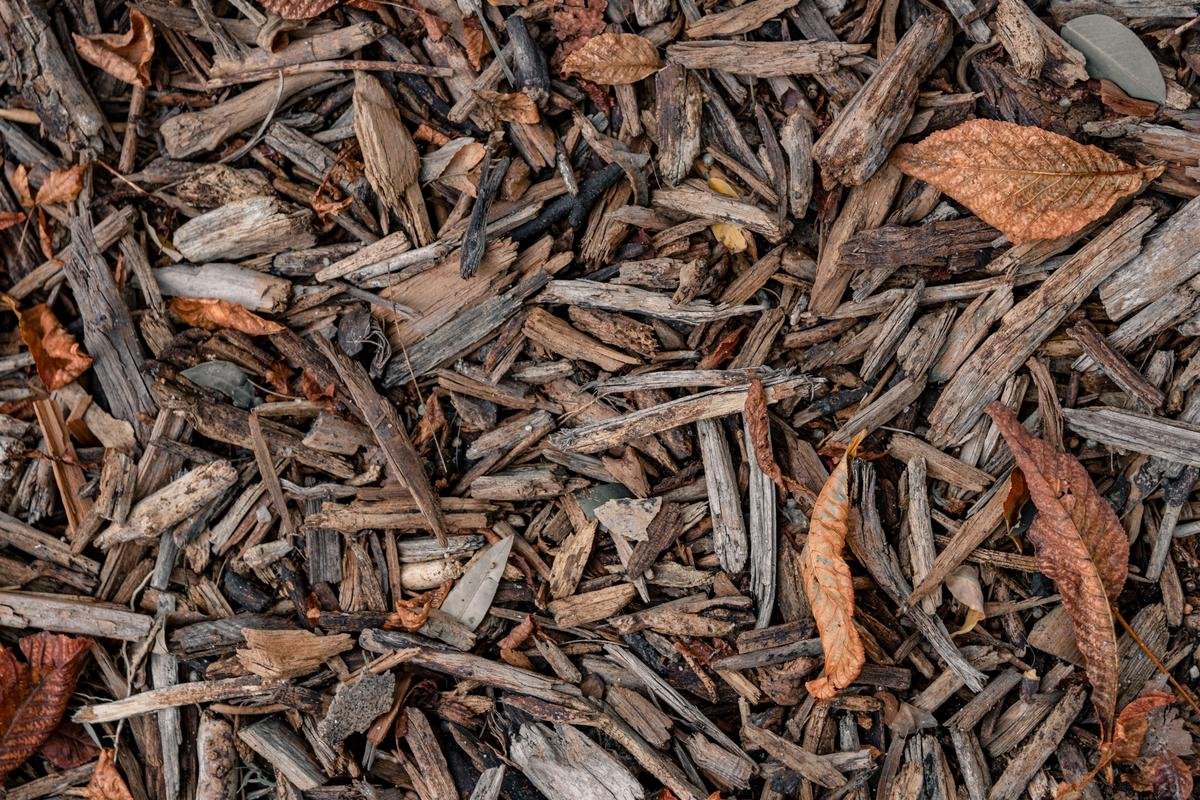
Maple wood produces a pale, clean mulch that brightens shady garden corners and woodland borders. It breaks down faster than cedar or pine, releasing vital minerals back into the soil relatively quickly.
Because maple decomposes at a moderate rate, it rapidly stimulates earthworm populations and supports active fungal colonies.
Avoid laying fresh maple chips too thickly in low-drainage areas, as very wet conditions can cause fine maple particles to mat together.
Hardwood vs Softwood Chips
Understanding the difference between hardwood and softwood chips helps you choose the right material for your specific landscape needs.
Hardwood chips come from deciduous trees such as oak, maple, ash, and hickory. They are dense, nutrient-rich, and break down into an alkaline to neutral organic humus that suits most flowering perennials.
Softwood chips come from coniferous evergreens like pine, fir, spruce, and cedar. They decay at a slower rate, resist compacting, and stay intact longer on walking paths and perimeter beds.
A mixed arborist chip drop containing both types provides a balanced blend of slow decay and steady microbial nutrition.
How Thick to Spread Wood Chips
Applying the correct depth of wood chip mulch is essential for getting good results without smothering your plants.
For general landscape beds, ornamental borders, and around fruit trees, aim for a depth of two to four inches. This thickness effectively blocks sunlight from reaching weeds while allowing ample oxygen to reach the root zone.
On garden pathways, access alleys, and playground surfaces, a deeper layer of four to six inches helps create a sturdy, weed-free walking surface.
Always maintain a gap of two to three inches between the mulch and the bases of plant stems or tree trunks. Piling mulch directly against bark can trap excess moisture, encouraging fungal rot and rodent chewing.
Common Mistakes to Avoid with Wood Mulch
While wood chips are forgiving and simple to work with, a few common mistakes can create unintended plant health problems.
Watch out for these frequent mulching errors:
- Building mulch volcanoes against tree trunks, which suffocates the root flare and invites decay.
- Tilling fresh chips deep into your planting soil, which ties up valuable nitrogen.
- Applying mulch too thinly, allowing sunlight through and letting weeds take over.
- Mulching directly over unweeded, aggressive perennial grasses without a cardboard smothering layer.
- Using wood chips from trees known to contain natural herbicides, such as black walnut.
Avoiding these simple errors ensures your plants enjoy all the benefits of mulch without any unwanted setbacks.
Best Plant Types for Wood Chip Mulching
Different plants have varying preferences when it comes to mulch type and application.
Wood chips are the undisputed champion for:
- Fruit trees, shade trees, and ornamental flowering trees.
- Woody shrubs such as hydrangeas, lilacs, and viburnums.
- Berry patches, including blueberries, blackberries, and raspberries.
- Perennial flower borders and native plant gardens.
- Permanent landscape pathways, sitting areas, and raised bed perimeters.
For annual vegetable beds with heavy seed rotations, lighter mulches like clean straw, shredded leaves, or compost may be easier to work with than coarse wood chips.
Final Thoughts on Wood Chip Mulch
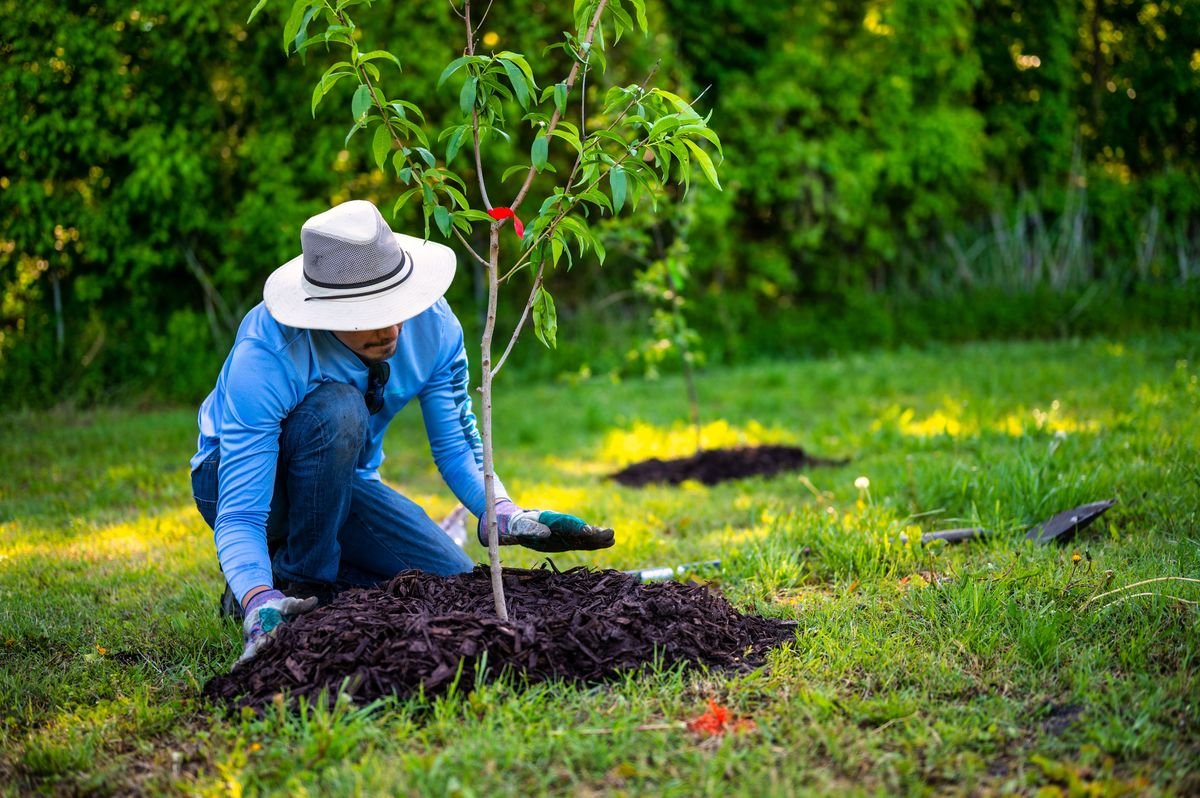
Wood chips represent an exceptional, natural resource that turns discarded tree material into fertile, beautiful garden spaces. They save hours of weeding, cut down on irrigation requirements, and steadily improve topsoil quality season after season.
By keeping your mulch layer at the proper depth and pulling it slightly away from plant stems, you create a balanced garden ecosystem where plants can thrive with minimal maintenance.
Is Wood Chip Mulch Right for Your Garden Bed?
Answer 4 quick questions to see your result