Gardeners are constantly searching for budget-friendly and sustainable ways to protect their soil. Commercial mulch options like wood chips, bark nuggets, and straw can become expensive when covering large planting beds or expansive vegetable patches.
Shredded paper is one of the most accessible organic materials in modern households. Putting plain paper waste to work in your flower beds or vegetable rows can keep moisture locked in your soil, reduce weed pressure, and divert useful organic matter from the landfill.
Can You Use Shredded Paper as Mulch in Your Garden
The direct answer is yes, you can safely use shredded paper as a functional garden mulch.
Paper is manufactured from plant cellulose fibers, which originate primarily from wood pulp. Because cellulose is an organic compound, it naturally breaks down in the outdoor environment over time.
When you spread it across garden soil, paper acts similarly to standard wood mulches by creating a physical barrier between the atmosphere and the earth. It helps protect root systems, dampens weed germination, and buffers the soil surface against harsh weather.
Main Benefits of Using Paper Mulch
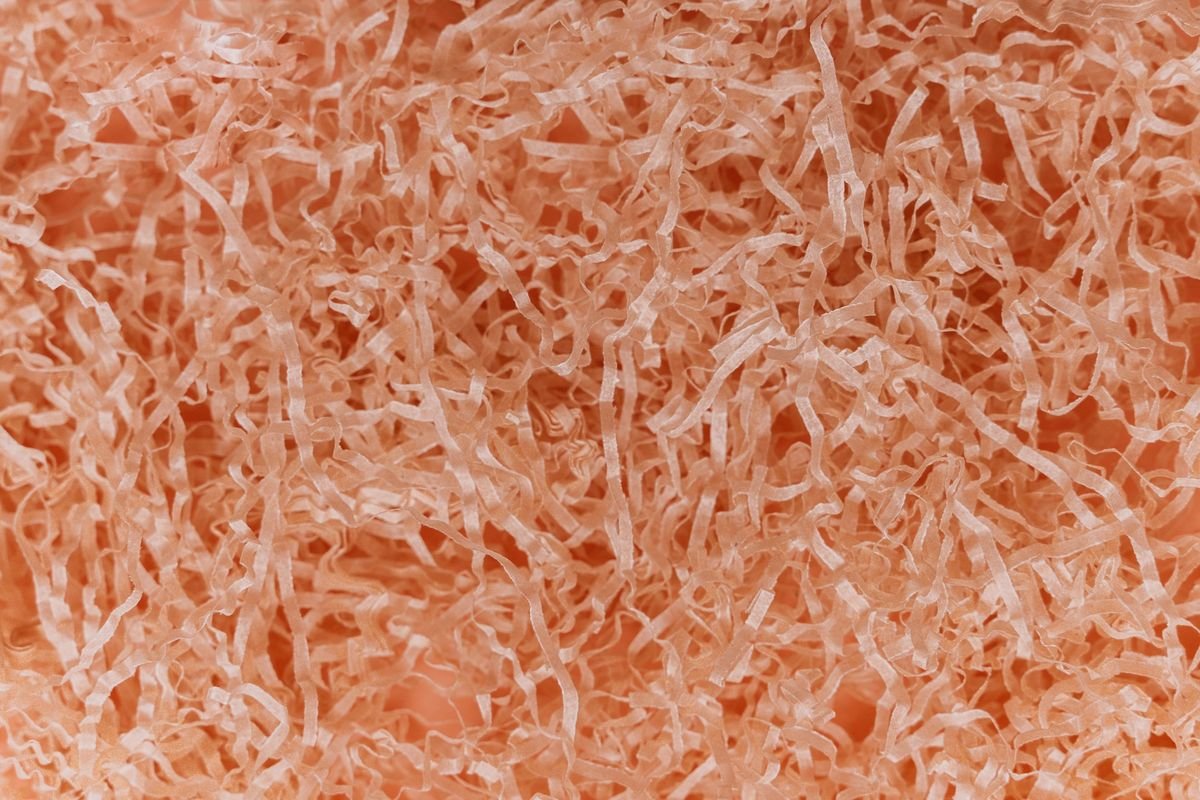
Repurposing shredded paper offers several practical advantages for home growers. It is a functional and eco-conscious solution for both vegetable plots and ornamental borders.
Cost Effective Garden Cover
Traditional landscape mulches add up quickly in cost, especially if you maintain large raised beds or deep garden borders. Shredded paper, by contrast, is completely free if you shred personal documents and home mail.
Even if you source bulk shredded paper from local offices or recycling points, it costs virtually nothing compared to commercial bagged products.
Organic Matter for Soil Health
As paper decomposes, it contributes carbon back into the soil structure. Carbon is an essential energy source for soil microorganisms, including beneficial fungi and bacteria.
Over several months, earthworms will also pull the softened paper fibers beneath the surface, gradually aerating the soil and improving overall texture.
Waste Reduction and Sustainability
A massive volume of paper ends up in municipal landfills each year, where it decomposes anaerobically and produces methane gas.
Using shredded paper in your landscape keeps that waste in your home ecosystem. It allows the organic wood fibers to return safely to the earth without industrial processing.
Reliable Weed Suppression
Weed seeds require light to trigger germination. A dense layer of shredded paper acts as an opaque light barrier that prevents unwanted seedlings from sprouting.
Because shredded paper fibers weave together when moistened, they form a tight blanket that makes it difficult for weeds to push through to the surface.
Moisture Retention in Dry Weather
Direct sunlight and dry winds quickly evaporate water from bare garden soil. Paper mulch forms an insulating shield that keeps underlying moisture intact.
This barrier significantly reduces how often you need to water your plants during hot summer months, keeping root zones evenly hydrated.
Soil Temperature Regulation
Extreme soil temperature swings can stress sensitive plant roots. Shredded paper acts as thermal insulation against baking summer sun and sudden late autumn frosts.
The trapped air between the layered shreds stabilizes the temperature of the topsoil, encouraging steady root growth throughout the season.
Natural Barrier Against Certain Garden Pests
A dry top layer of paper strips can deter crawling insects and garden snails that prefer smooth, damp terrain. It creates an irregular and dry surface that slows down pest movement toward vulnerable seedlings.
Potential Drawbacks of Paper Mulch
While shredded paper has many perks, it also comes with distinct drawbacks that you must manage carefully to keep your plants thriving.
Nitrogen Tie Up in Soil
Paper is almost entirely carbon. When soil microbes begin consuming high-carbon materials, they draw available nitrogen from the surrounding soil to fuel their metabolic activity.
This process can temporarily deplete nitrogen near the surface, leaving heavy-feeding plants with pale foliage or sluggish growth if you do not replenish soil nutrients.
Risk of Chemicals and Toxic Inks
Not every piece of household paper is safe for garden use. Glossy catalogs, colorful advertising flyers, and treated cardstock often contain petroleum-based inks, synthetic coatings, and chemical binders.
If you place these materials around edible plants, those synthetic substances can leach directly into your garden beds.
Matted Paper Blocking Water Penetration
When finely cross-cut or flat office paper gets soaked, it can bond together into an impenetrable, papier-mâché crust.
Once this mat dries out, it becomes water-repellent, causing rainfall and irrigation to run off to the sides rather than soaking down into the root zone.
Wind Dispersal Issues
Dry shredded paper is exceptionally light. A strong gust of wind can easily scatter loose paper shreds across your lawn, driveway, and neighboring properties if it is not weighed down properly.
Safe Types of Paper to Use
Selecting the correct raw materials is the most critical step when preparing paper mulch for edible crops or delicate perennials.
Using Plain Shredded Office Paper
Standard black-and-white office documents, bills, and school notes printed on non-glossy paper are safe choices for mulch.
Most modern printer and copier toners use dry plastic-resin powder fused to the page, which remains stable and poses minimal threat in standard garden applications.
Using Newsprint in Garden Beds
Newspaper is one of the best sources of garden mulch. Almost all modern newspaper publishers use non-toxic, soy-based or water-based inks that break down safely in the soil.
You can shred newsprint into long ribbons or lay down entire whole sheets directly as an underlayer for other mulch materials.
Using Cardboard and Brown Kraft Paper
Unprinted brown paper grocery bags, kraft wrapping rolls, and unlaminated corrugated cardboard make outstanding mulch materials.
Brown paper products undergo minimal bleaching and processing, which makes them easy for soil organisms to digest quickly.
Papers You Should Never Put in Soil
To keep your garden clean and free of contaminants, always keep these specific paper items out of your mulch pile:
- Glossy magazines and sales circulars with plastic coating
- Thermal receipt paper, which contains high concentrations of BPA or BPS chemicals
- Colored gift wrap with metallic foil or glitter
- Heavy wax-coated cardboard boxes
- Postage labels and tape with synthetic adhesives
Step by Step Guide to Applying Shredded Paper Mulch
Applying shredded paper correctly ensures that it retains moisture without forming an impermeable mat or blowing away in the breeze.
- Weed the planting bed thoroughly and water the soil well before applying any paper.
- Spread a layer of organic nitrogen fertilizer, compost, or blood meal over the soil to offset potential nitrogen tie-up.
- Distribute a two-inch to three-inch layer of shredded paper evenly across the bed.
- Keep the paper at least two inches away from plant stems and tree trunks to prevent fungal disease and rot.
- Thoroughly soak the fresh paper mulch with a garden hose to mat the fibers gently together.
- Top the wet paper with a thin layer of compost, straw, or wood chips to hold it in place and improve aesthetics.
Best Practices for Long Term Success
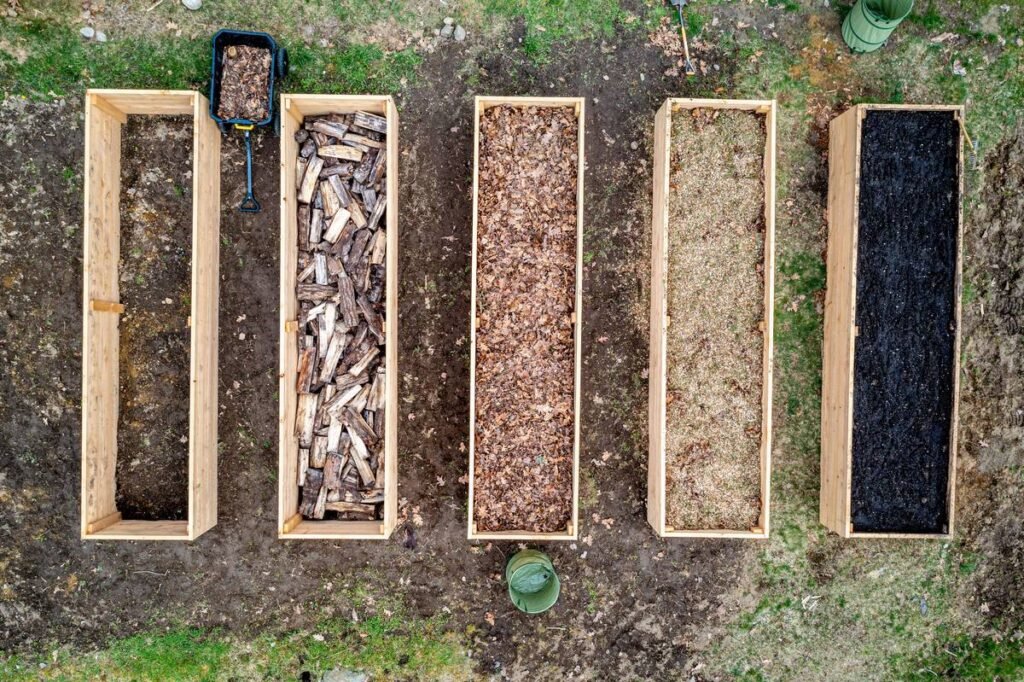
For optimal results, mix your paper shreds with coarser organic materials like fallen autumn leaves or pine needles before application.
Blending materials creates natural air channels throughout the mulch layer, which allows rainwater and oxygen to penetrate freely while still blocking light from germinating weed seeds.
Check your mulch layer once a month during the growing season. If you notice the paper crusting over into a solid sheet, lightly fluff it with a hand rake to restore airflow.
Is Shredded Paper Mulch Right for Your Garden Setup?
Answer 4 quick questions to see your result