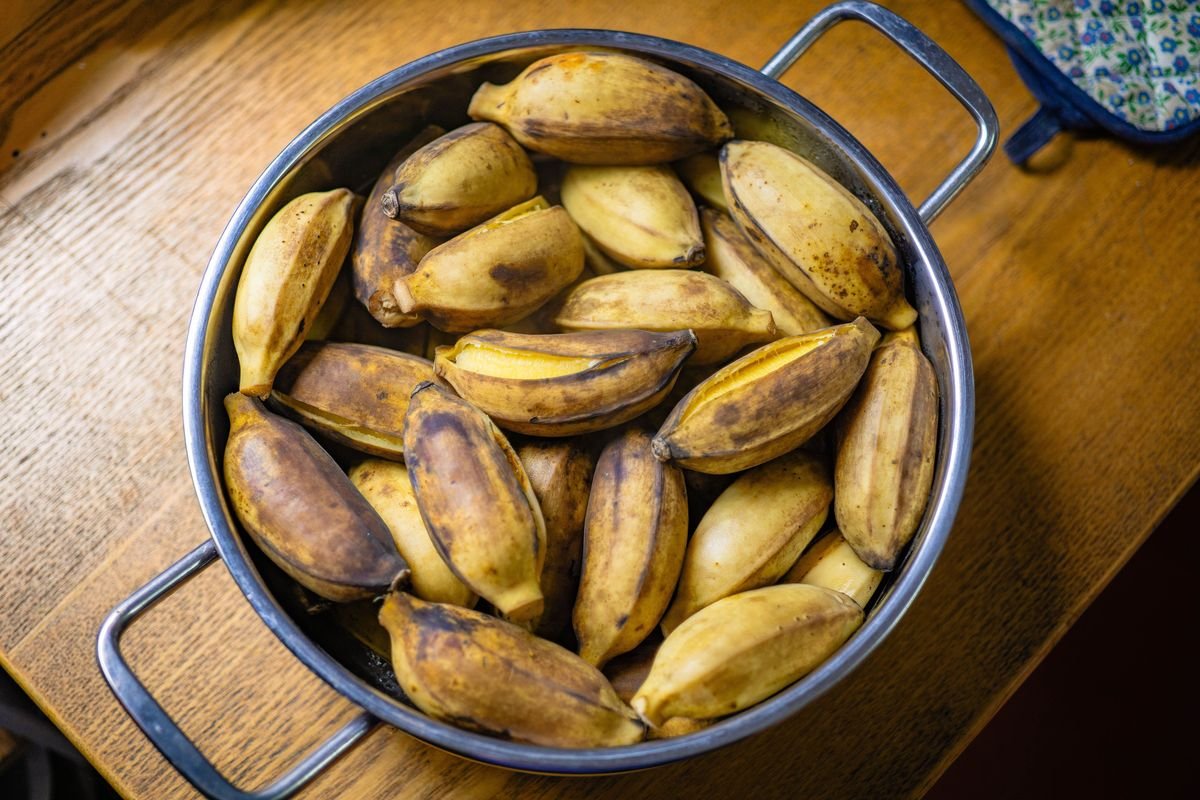
After eating a ripe banana, most people toss the peel straight into the trash can. Gardeners know that those leftover yellow skins are packed with valuable nutrients that plants crave. Making your own fertilizer from kitchen scraps reduces household waste and nourishes your soil without expensive synthetic chemicals.
Transforming pantry scraps into organic plant food is surprisingly simple. With a few quick techniques, you can turn everyday kitchen waste into a reliable booster for your vegetable beds, potted houseplants, and outdoor flower borders.
Why Banana Peels Work for Plants
Banana skins break down easily and return essential minerals directly to the earth. When soil lacks vital nutrients, plants often show stunted growth or pale foliage.
Feeding your soil with organic material improves overall soil structure. It feeds beneficial microbes and earthworms, creating a healthier growing environment over time.
Key Nutrients Found in Banana Peels
Potassium is the superstar nutrient in banana skins. It helps plants build strong stems, regulate water intake, and resist common garden diseases.
These fruit skins also contain small amounts of phosphorus, calcium, and magnesium. These minerals encourage vigorous root development and stimulate vibrant flower production.
Direct Soil Application Method
Direct burial is one of the easiest ways to use leftover peels. As the organic matter decomposes underground, it slowly releases minerals straight to plant roots.
This slow-release approach works wonderfully for heavy feeders like tomatoes, peppers, and rose bushes.
Chopping and Burying the Peels
Always cut whole skins into tiny squares before adding them to your garden bed. Smaller pieces break down significantly faster than whole skins.
Dig small holes around two to four inches deep near the base of your plants. Place the chopped pieces inside and cover them completely with fresh garden soil.
Burying the scraps deeply prevents fruit flies, rodents, and neighborhood animals from digging up your garden.
Making Liquid Banana Peel Tea
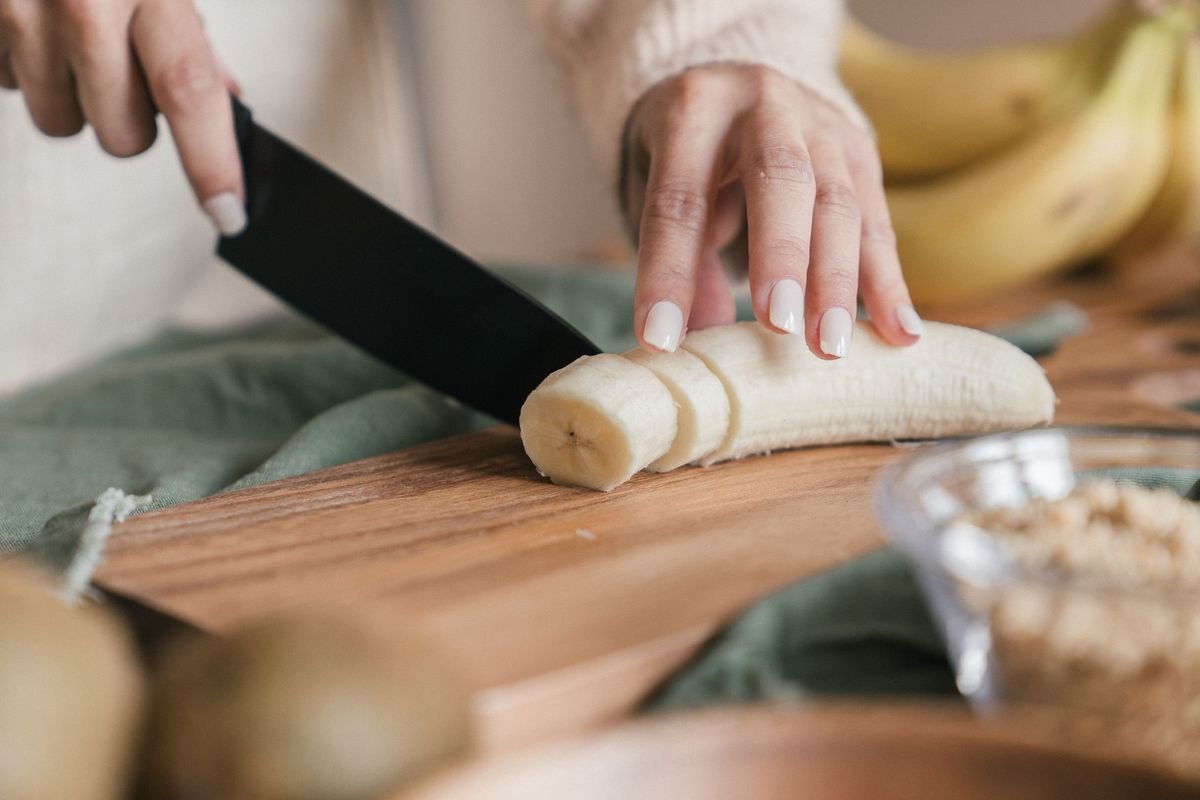
Liquid fertilizer provides an immediate nutrient boost that roots and foliage can absorb quickly. Banana tea is a gentle homemade liquid feed that works well for both indoor houseplants and outdoor beds.
Because the nutrients are dissolved in water, the plant takes them up much faster than waiting for solid matter to rot.
Steeping and Straining the Mixture
Place two or three chopped skins into a clean glass jar and fill it with fresh tap water. Seal the container loosely with a lid.
Let the jar sit at room temperature for roughly three to seven days. The water will darken as the minerals infuse into the liquid.
Strain the solid pieces out with a mesh sieve and dilute the remaining liquid with equal parts fresh water. Pour the diluted tea directly onto the soil around your plants once every few weeks.
Adding Banana Peels to Compost
Tossing fruit skins directly into your compost tumbler or backyard pile is another fantastic option. They break down quickly compared to woody debris.
Their soft texture allows compost microorganisms to consume them quickly, raising the internal temperature of your compost bin.
Balancing Green and Brown Material
Banana skins count as nitrogen-rich green material in your compost recipe. To keep your compost smelling fresh and working efficiently, balance them with dry brown ingredients.
Layer your fruit scraps with dried leaves, shredded cardboard, or clean straw. This balance prevents foul odors and speeds up total breakdown time.
Using Crushed Eggshells for Calcium
Eggshells are another kitchen staple that provides immense value to garden beds. They consist almost entirely of calcium carbonate, an essential building block for strong plant cell walls.
Adding calcium prevents common garden troubles like blossom end rot in tomatoes, squash, and bell peppers.
Wash your empty eggshells thoroughly and let them air dry completely. Crush them into a fine powder with a blender or rolling pin, then work the powder into the planting hole before setting new plants.
Adding Used Coffee Grounds for Nitrogen
Used coffee grounds supply a steady dose of nitrogen, which fuels leafy green growth. They also help improve soil drainage, aeration, and water retention.
Sprinkle spent grounds sparingly across the topsoil or blend them thoroughly into your potting mix.
Avoid piling thick layers of wet grounds around plant stems, as dense coffee layers can cake together and block water from soaking into the roots.
Mulching with Fresh Grass Clippings
Fresh lawn clippings are packed with moisture and nitrogen. Instead of bagging and discarding them on mowing day, put them to work around your garden.
Spread a thin layer of dry lawn clippings around your vegetables and garden beds. This natural mulch layer conserves soil moisture, shades out weed seeds, and keeps root zones cool during hot summer days.
Make sure your lawn has not been treated with chemical herbicides before using clippings around edible crops.
Mistakes to Avoid When Using Kitchen Scraps
Leaving raw kitchen scraps sitting openly on top of garden soil is a major mistake. Exposed food scraps attract unwanted pests like raccoons, mice, and fungus gnats.
Another common mistake is over-applying scraps without testing your soil balance. Banana skins contain almost no nitrogen, so relying solely on them can leave your plants deficient in other vital growth elements.
Combine different organic materials together to create a well-rounded diet for your plants.
How Often to Feed Your Garden
Organic amendments release nutrients slowly, which makes overfeeding less likely than with chemical fertilizers. However, moderation is still key to keeping plants happy.
Apply banana tea once every two to three weeks during the active spring and summer growing season.
Work solid pieces and crushed eggshells into the soil during planting time or once a month during routine bed maintenance. Cut back on feeding during autumn and winter when plant growth naturally slows down.
Final Tips for Healthier Soil
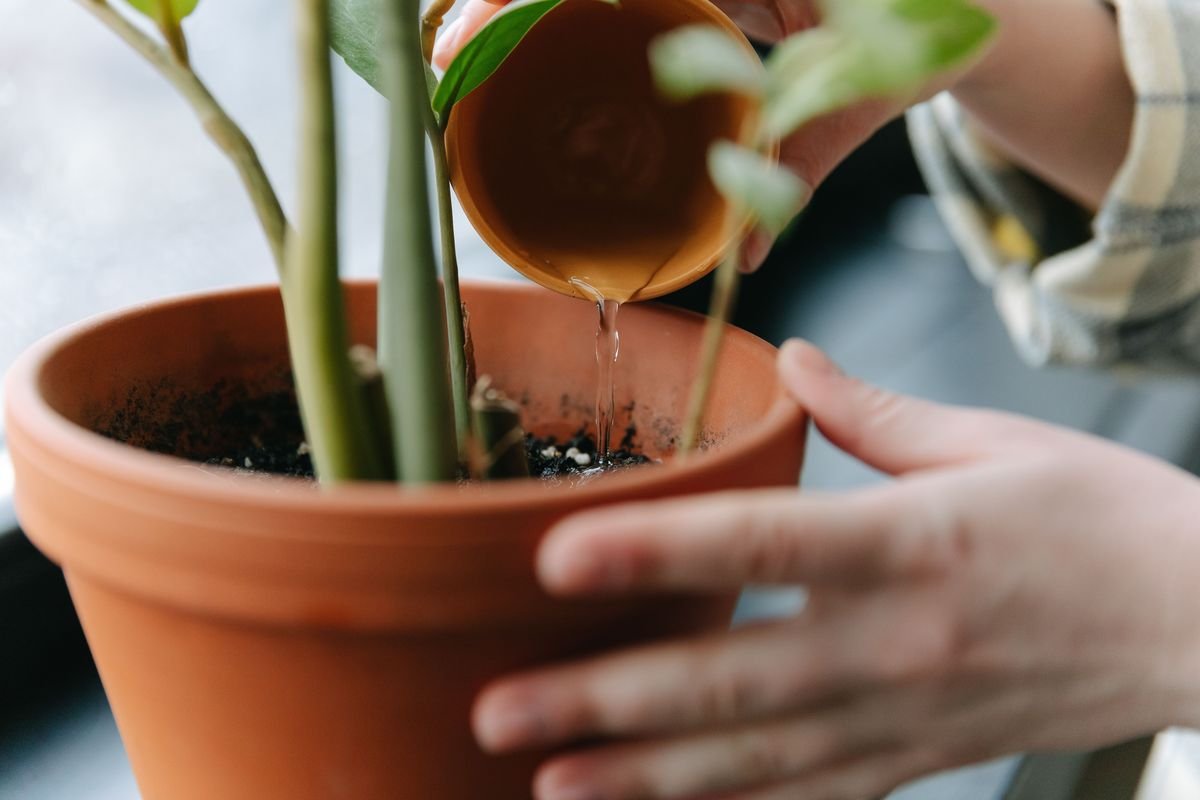
Recycling kitchen leftovers into organic fertilizer is an economical, eco-friendly way to sustain your garden. It closes the loop on food waste while creating rich, living soil.
Start small by saving a few skins or eggshells each week. Observe how your plants respond, adjust your feeding routine, and enjoy the vibrant blooms and bountiful harvests that follow.
How Ready Is Your Garden for Natural Scraps?
Answer 4 quick questions to see your result