
Think about how you feel when you step into a cozy, quiet home after a chaotic workday. That sense of relief and comfort allows you to unwind, recharge, and stay healthy.
Soil provides that exact sanctuary for your plants.
When your growing medium lacks vital structure, nutrients, or airflow, your crops and ornamentals cannot reach their true potential. Unfortunately, many growers make one critical oversight that quietly sabotages their beds before the growing season even begins.
Understanding how to optimize your soil transforms struggling beds into thriving, self-sustaining ecosystems.
The Mistake of Using Raw Bagged Soil
The single most common mistake among home gardeners is pouring commercial soil straight from the bag into garden beds and expecting instant perfection.
Packaged potting soils and standard topsoils are designed as generic base media. They are rarely tailored to the specific biological, moisture, or structural needs of your garden.
When you dump unamended bagged soil into a bed, it quickly settles and compresses.
Commercial blends often lack active microbial life. Without beneficial bacteria, mycorrhizal fungi, and organic matter, soil cannot effectively cycle nutrients or build long-term crumb structure.
Treating soil as a static backdrop instead of a living ecosystem sets your garden up for weak root systems, nutrient lockup, and stalled growth.
Why Skipping Mulch Harms Your Garden
Leaving bare soil exposed to the sun and wind is one of the quickest ways to degrade its quality.
Mulch acts as a protective shield for the soil surface. When soil sits bare under direct sunlight, ambient heat evaporates critical moisture in a matter of hours.
As moisture rapidly leaves the top layers, beneficial earthworms and microbes retreat deep underground or die off completely.
Mulch also prevents topsoil erosion caused by heavy rains. Without that buffer layer, pounding raindrops shatter soil aggregates and wash away precious organic particles.
Organic mulches slowly decompose over time, adding rich humus directly to the root zone. Humus improves soil texture, naturally suppresses weed seeds, and stabilizes root temperatures during heat waves.
The Threat of Poor Drainage
Soil structure requires a delicate balance of solid mineral particles, organic matter, and open pore space.
When soil lacks adequate drainage, water fills every microscopic pocket and pushes all oxygen out. Saturated soil essentially drowns plant root systems.
Without oxygen, roots cannot respire or absorb water and nutrients.
Anaerobic conditions trigger rapid decay, allowing pathogens like Pythium and Phytophthora to cause devastating root rot. Infected plants quickly show yellowing foliage, wilting stems, and stunted leaves.
Heavy clay soils and compacted ground are especially vulnerable to waterlogging, creating hardpans that trap standing water around tender roots.
Why Compacted Soil Suffocates Roots
Just like humans and animals, plant roots require a constant supply of oxygen to survive and thrive.
Compaction occurs when heavy foot traffic, mechanical tilling, or heavy rainfall presses soil particles tightly against each other.
When soil compacts, pore pathways collapse. Roots must expend tremendous energy just trying to push through dense layers of dirt instead of focusing on upward growth and fruit production.
Compacted soil also impairs photosynthesis indirectly. When roots suffocate, they stop sending essential minerals and moisture up through the vascular system to the leaves.
Over time, un-aerated beds become dense blocks of dirt that shed water off the top instead of letting moisture soak deep into the root zone.
The Overlooked Importance of Soil pH Testing
Many gardeners add fertilizers and amendments blindly without ever checking their soil chemistry.
Soil pH dictates nutrient availability. Even if your soil contains abundant nitrogen, phosphorus, and potassium, an incorrect pH will physically lock those nutrients away from root uptake.
Most common vegetables and garden flowers thrive in slightly acidic to neutral soil, typically between 6.0 and 7.0 pH.
When soil becomes too acidic (below 5.5), beneficial soil bacteria struggle, and toxic elements like aluminum can dissolve into the moisture. When soil becomes too alkaline (above 7.5), essential micronutrients such as iron, manganese, and zinc become insoluble.
Testing your soil ensures that every pound of compost or organic fertilizer you apply can actually be absorbed by your crops.
How to Build Rich Organic Soil
Optimizing your soil begins with feeding the soil biology rather than just feeding the plant.
Incorporate generous amounts of well-aged compost, leaf mold, or decomposed manure into your top 6 to 8 inches of ground.
Compost introduces billions of beneficial microorganisms that break down raw materials into plant-available minerals.
For dense or waterlogged beds, mix in coarse horticultural perlite, pumice, or biochar. These amendments create permanent pore spaces that keep soil light, fluffy, and resistant to compression.
Adding organic amendments improves both extremes: it helps sandy soil hold onto valuable moisture while helping heavy clay drain freely.
Simple Ways to Improve Soil Aeration
You do not need heavy machinery or noisy gas rototillers to aerate your garden beds effectively.
In fact, deep mechanical tilling often destroys natural soil layers and pulverizes beneficial fungal networks known as mycorrhizae.
Instead, use a broadfork or a sturdy garden digging fork to loosen compacted soil gently.
Push the tines vertically into the ground every 8 to 12 inches and pull back slightly on the handle to crack open fissures in the soil.
This broadforking technique creates instant channels for air and water without inverting the soil layers or bringing buried weed seeds to the surface.
Encouraging earthworms by topping beds with leaf mulch will also create permanent natural aeration tunnels throughout the season.
Practical Steps to Mulch and Retain Moisture
Once your soil is amended and aerated, applying the proper mulch locks in all your hard work.
Start by clearing out any existing weeds and watering your beds deeply so the soil holds ample base moisture.
Spread a 2 to 3 inch layer of clean, organic mulch evenly across the soil surface, keeping it an inch away from the base of plant stems.
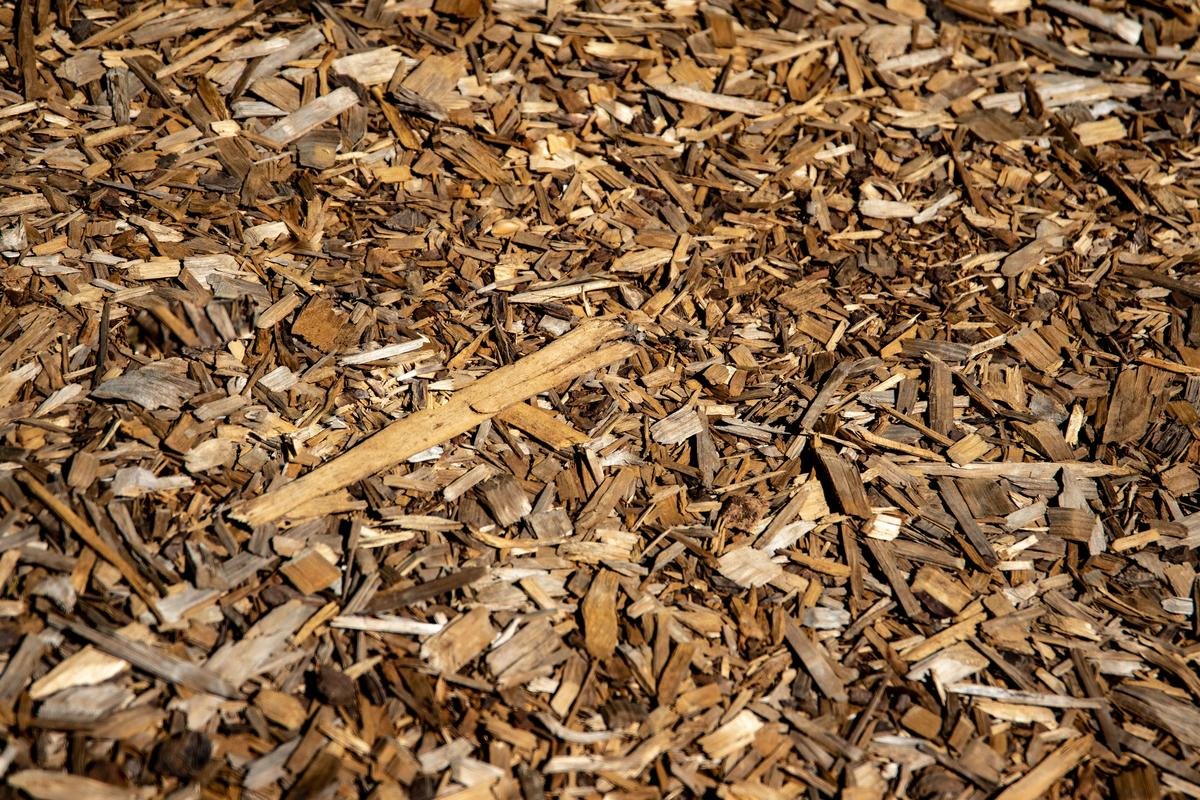
Great mulch choices include shredded hardwood bark, clean straw, arborist wood chips, or pine needles for acid-loving crops.
Replenish your mulch layer once or twice each year as it breaks down into dark, crumbly humus.
With consistent mulching, healthy drainage, regular aeration, and monitored pH levels, your garden soil will remain productive, fertile, and full of life for years to come.
How Healthy Is Your Garden Soil?
Answer 4 quick questions to see your result