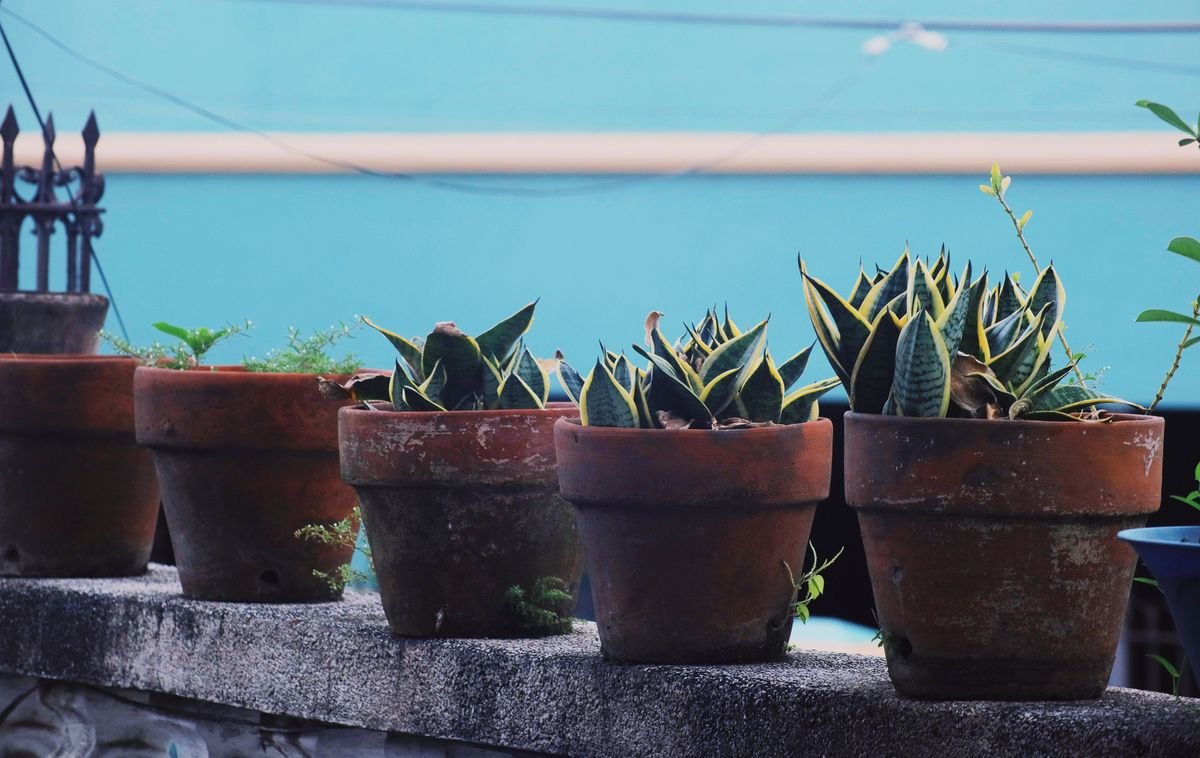
Snake plants are celebrated for being nearly indestructible, making them a favorite for both beginners and experienced plant enthusiasts. Yet, despite their hardy reputation, there is one common mistake that can quickly harm a snake plant: using the wrong potting medium.
Providing the right soil blend is the single most important step in keeping your snake plant healthy. A proper mix allows roots to breathe, prevents deadly moisture buildup, and supplies the steady nutrients needed for tall, upright foliage.
Why Soil Choice Matters for Snake Plants
Many people assume that because snake plants survive in dim corners, they can grow in whatever dirt is lying around. In reality, their root systems are adapted to very specific physical conditions.
Snake plants possess thick, fleshy rhizomes that store water beneath the surface of the soil. When these rhizomes sit in heavy, wet dirt, they quickly suffocate and fall victim to fungal rot.
The right potting mix acts as a protective shield for the roots. It creates open air spaces, lets excess water drain away in seconds, and provides a stable anchor for tall, heavy leaves.
Understanding Natural Snake Plant Habitats
To understand what your plant needs in a pot, it helps to look at where it grows naturally. Snake plants, scientifically classified under the genus Dracaena (formerly Sansevieria), originate in tropical regions of Western and Southern Africa.
In their native environments, they grow in rocky, arid landscapes with loose, gritty ground. These regions experience long dry spells punctuated by occasional heavy rainstorms.
Because the native ground is coarse and porous, rainwater flushes through immediately without pooling around the plant base. Replicating this fast-drying environment indoors is the secret to long-term success.
Key Soil Requirements for Snake Plants
When evaluating or mixing soil for your snake plant, you must focus on three core physical and chemical properties. Getting these three components balanced will eliminate almost all common houseplant care issues:- Superior drainage that lets water flow straight through the pot.
- Excellent aeration to deliver constant oxygen to the root zone.
- Mild nutrient content with a slightly acidic to neutral pH level.
Fast Drainage Is Non-Negotiable
Drainage is the most critical element of any snake plant soil recipe.
Dense soil traps moisture between fine particles for days or weeks at a time. This soggy environment creates the perfect breeding ground for opportunistic pathogens that cause root decay.
A quality potting blend should absorb just enough moisture to hydrate the rhizomes while allowing every drop of excess water to exit the drainage holes within seconds of watering.
Root Aeration and Oxygen Flow
Plant roots need oxygen just as much as they need water. In compact or waterlogged soil, all microscopic air channels collapse, effectively drowning the root system.
Aeration encourages healthy root branching and deep anchorage. It also helps the soil dry out evenly from top to bottom, preventing moist pockets at the base of the container.
Ideal Soil pH and Nutrient Levels
Snake plants are adaptable, but they thrive best in soil with a pH range between 5.5 and 7.0 (slightly acidic to neutral).
If the soil becomes overly acidic or overly alkaline, the plant loses its ability to absorb essential trace minerals. Maintaining a balanced pH ensures that any supplemental fertilizer you apply is readily absorbed by the foliage.
The Problem with Standard Potting Mix
Many commercial all-purpose houseplant soils are formulated for tropical foliage like pothos, monsteras, and ferns. These formulas are designed to retain moisture for extended periods.
Using standard potting mix right out of the bag is one of the quickest ways to endanger a snake plant. The dense texture packs down tightly after a few waterings, sealing in water and cutting off airflow.
If you only have standard houseplant soil on hand, it should never be used on its own. You must amend it with coarse inorganic materials before potting your plant.
Why Peat Moss Causes Issues
Peat moss is the primary base in most generic potting bags because it is cheap and holds water exceptionally well. However, this high water retention works against succulent plants.
Over time, peat moss breaks down into very fine silt that compacts tightly around root balls. Furthermore, when peat moss dries out completely, it becomes hydrophobic (repelling water), which causes future waterings to run down the sides of the pot without hydrating the roots.
Why Pure Garden Soil Fails Indoors
It can be tempting to scoop up free soil from an outdoor garden bed, but outdoor dirt has no place in indoor containers.
Garden soil contains dense clay and fine silt that turns into a solid, cement-like block inside a pot. It also introduces unwanted garden pests, weed seeds, fungi, and harmful bacteria into your home.
Best Commercial Soils for Snake Plants
If you prefer to buy a ready-to-use bag rather than mix your own, look specifically for cactus and succulent potting mixes.
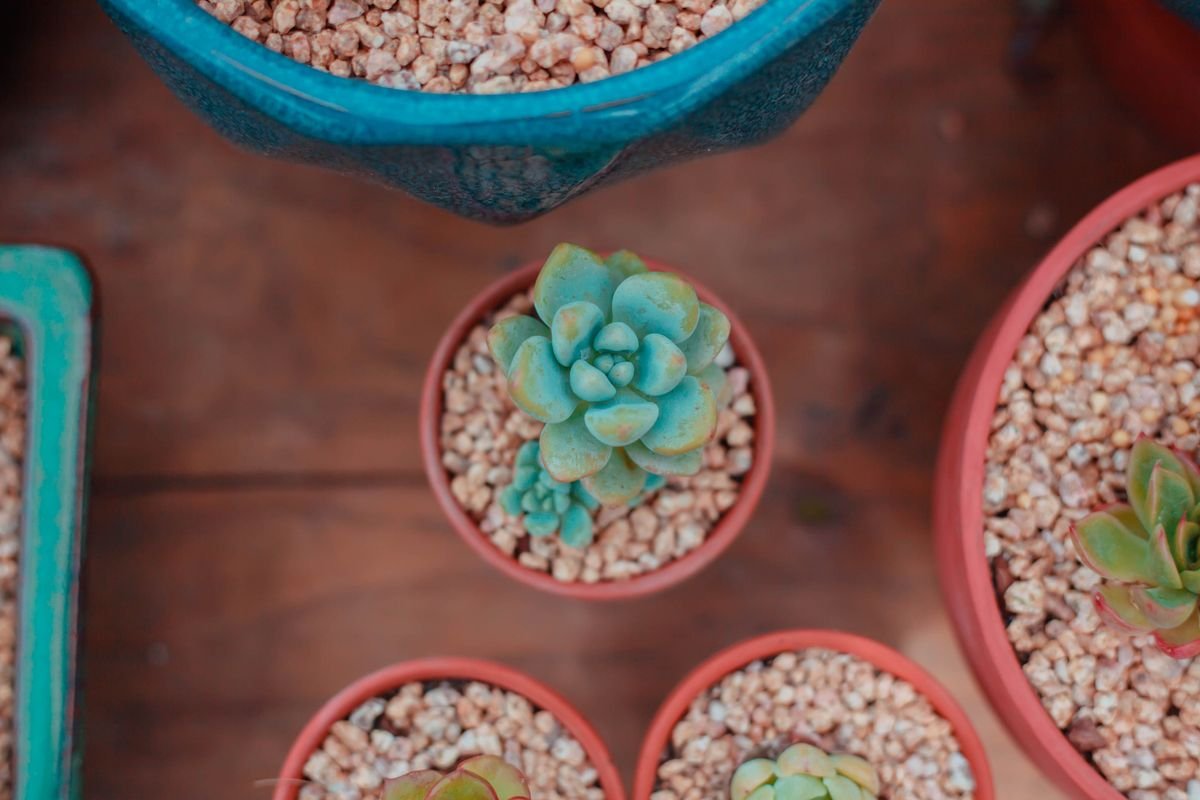
High-quality succulent mixes contain higher percentages of coarse sand, pumice, perlite, and bark rather than dense peat. Premium gritty mixes formulated for bonsai or desert plants are also outstanding options.
Always inspect the bag texture before potting. If the mix looks dark, fine, and spongy, add a couple of handfuls of perlite or pumice to boost its porosity.
Essential Ingredients for a DIY Snake Plant Mix
Making your own soil mix at home is easy, inexpensive, and gives you total control over drainage and quality. Here are the best components to use:- Pumice or Perlite: Volcanic amendments that create lasting air pockets and never compress. Pumice is slightly heavier and prevents top-heavy pots from tipping over.
- Coarse Horticultural Sand: Gritty, sharp sand (not fine play sand) that breaks up organic matter and speeds up drainage.
- Pine Bark Fines: Small aged bark chunks that provide loose structure and mild organic nutrients without retaining excessive moisture.
- Coconut Coir: A sustainable alternative to peat moss that rewets easily and offers a neutral pH base.
- Worm Castings: Gentle, slow-release organic nutrients that feed your plant naturally without burning tender roots.
Step-by-Step DIY Snake Plant Soil Recipe
Here is an easy, reliable recipe that creates the ideal airy, gritty environment for any snake plant variety. Use a standard scoop or measuring container to assemble these ratios:- Measure 2 parts cactus potting mix or coco coir for the base.
- Add 2 parts pumice or coarse perlite for permanent aeration.
- Add 1 part coarse horticultural grit or sharp sand.
- Add 1 part pine bark fines or orchid bark chips.
- Mix in a small half-part scoop of worm castings for organic nutrition.
Choosing the Right Pot to Complement Your Soil
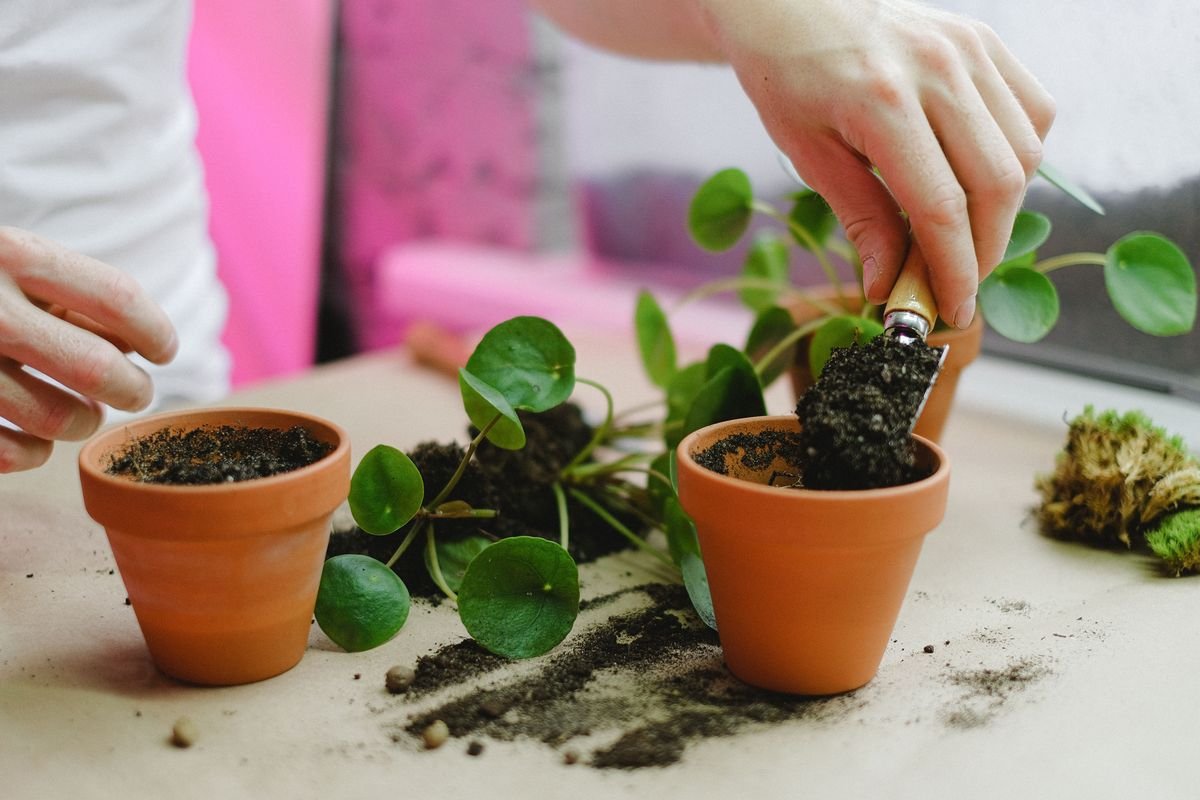
Even the best soil mix cannot save a plant if it is potted in the wrong container. Pot material and drainage holes play a direct role in soil moisture management.
Always choose a container with at least one generous drainage hole at the bottom. Pots without holes trap standing water beneath the soil line, guaranteeing root complications.
Terracotta pots are ideal for snake plants because the porous clay breathes, pulling excess moisture out through the pot walls. Glazed ceramic and plastic pots hold moisture longer, so you will need to water less frequently if using them.
How to Repot a Snake Plant in Fresh Soil
Repotting into fresh mix is best done during active growth in spring or early summer. Snake plants prefer being slightly snug in their containers, so only move up 1 to 2 inches in pot diameter.
Carefully remove the plant from its old pot and gently massage the root ball to remove old, compacted soil. Inspect the rhizomes and trim away any black, mushy, or dried-out roots with clean shears.
Place a layer of fresh mix at the bottom of the new pot, set the plant upright, and fill around the sides. Press down lightly to stabilize the tall leaves, but avoid packing the soil too tightly.
Wait 3 to 5 days after repotting before watering. This brief dry rest gives any damaged root tips time to callous over and heal cleanly.
Watering Schedules and Soil Moisture Management
Because snake plants store water in their foliage and rhizomes, they require far less water than typical houseplants. The golden rule is simple: always allow the soil to dry out completely between waterings.
Insert a wooden skewer or moisture meter all the way to the bottom of the pot. If there is any moisture detected, wait several more days before checking again.
When it is time to water, soak the potting mix thoroughly until water flows freely out of the drainage holes. Empty the drip tray immediately so the pot never sits in standing runoff.
Signs Your Snake Plant Is in the Wrong Soil
Your snake plant will clearly communicate when its potting medium is causing distress. Watch for these common warning signals:- Soft, mushy leaf bases: An indicator that the soil is holding water for too long, leading to early root rot.
- Wrinkled or puckered leaves: Can indicate root death from overwatering or completely hydrophobic soil that refuses to absorb moisture.
- Slow drying times: If your soil stays damp for longer than 10 to 14 days, the mix is far too dense.
- Fungus gnats or surface mold: Tiny flying bugs or white fuzz on top of the soil mean high organic moisture levels.
Feeding Your Snake Plant in Gritty Soil
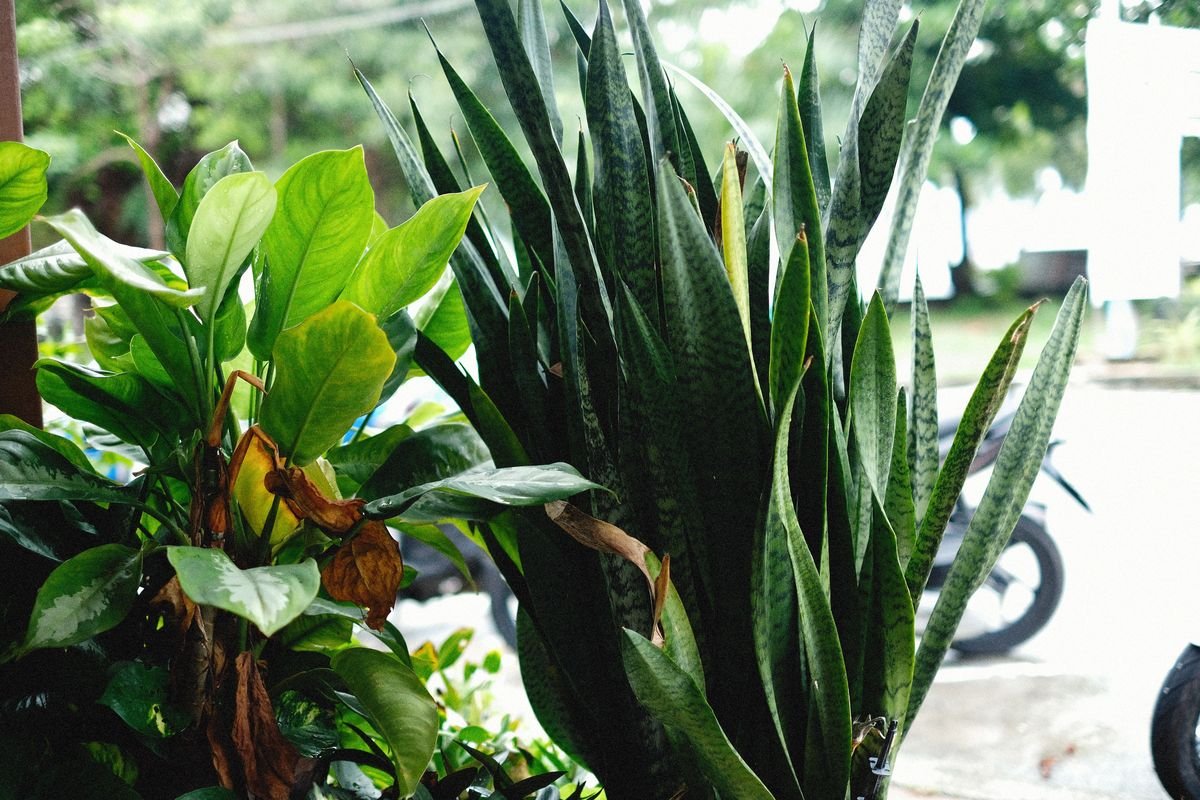
Gritty, fast-draining soils contain less organic material than heavy potting dirt, meaning your plant will benefit from occasional light feeding during the growing season.
Use a balanced, water-soluble houseplant fertilizer diluted to half strength once every 6 to 8 weeks from April through September.
Never fertilize during late autumn or winter when natural growth slows down. Always apply fertilizer to damp soil rather than bone-dry mix to protect delicate root tips from nutrient burn.
Is Your Snake Plant Soil Mix Healthy?
Answer 4 quick questions to see your result