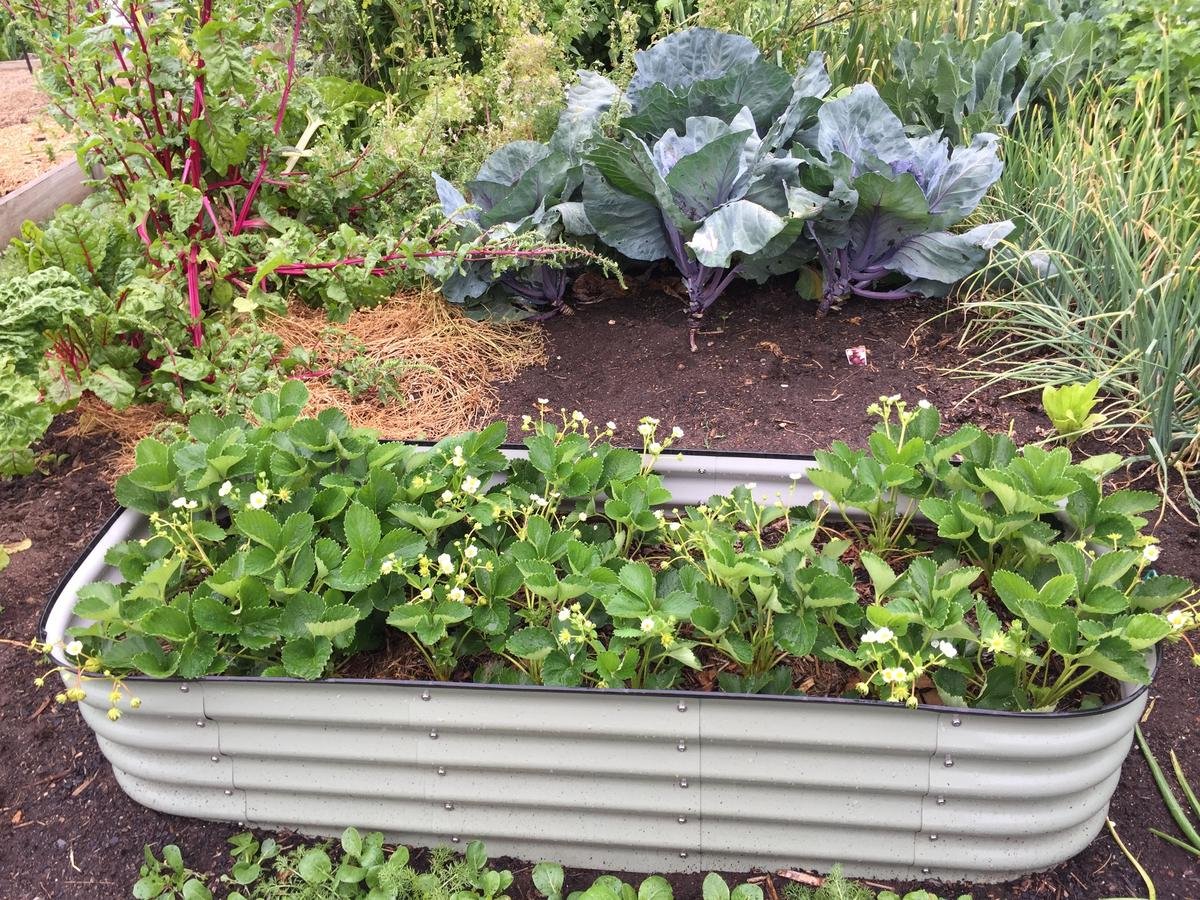
Growing your own fresh fruits and vegetables is one of the most rewarding projects you can take on. Many home gardeners stick to a traditional spring planting routine, only to end up with an overwhelming flood of produce in midsummer followed by empty garden beds.
Succession planting completely changes that dynamic. By staggering your sowings and planning smart crop transitions, you can enjoy a steady, manageable harvest from early spring until the final frost.
Track What Your Household Actually Eats
Before you buy packets of seeds, take a close look at your weekly grocery habits. Succession planting works best when you produce what you can comfortably consume or store.
Make a simple list of the fresh vegetables your kitchen uses each week. If your family eats two heads of lettuce and four bell peppers weekly, planting forty lettuce heads at once will result in waste.
Knowing your weekly consumption helps you calculate the exact number of seeds to sow in each staggered round. This prevents harvest gluts and ensures your kitchen always has fresh greens ready for dinner.
Understand the Expected Yield of Each Plant
Not all crops produce food in the same way. Some plants yield a single harvest, while others continue bearing fruit for months.
Root crops like carrots, beets, and radishes yield exactly one harvest per seed planted. Once you pull them up, that spot is ready for a new crop.
In contrast, fruiting crops like indeterminate tomatoes, pole beans, and summer squash produce continuously throughout the season. You only need a few plants of these types to get a reliable weekly haul.
Keep detailed records of how much each plant variety produces in your garden space. These notes will help you fine tune your planting schedule for future growing seasons.
Master Days to Maturity for Every Variety
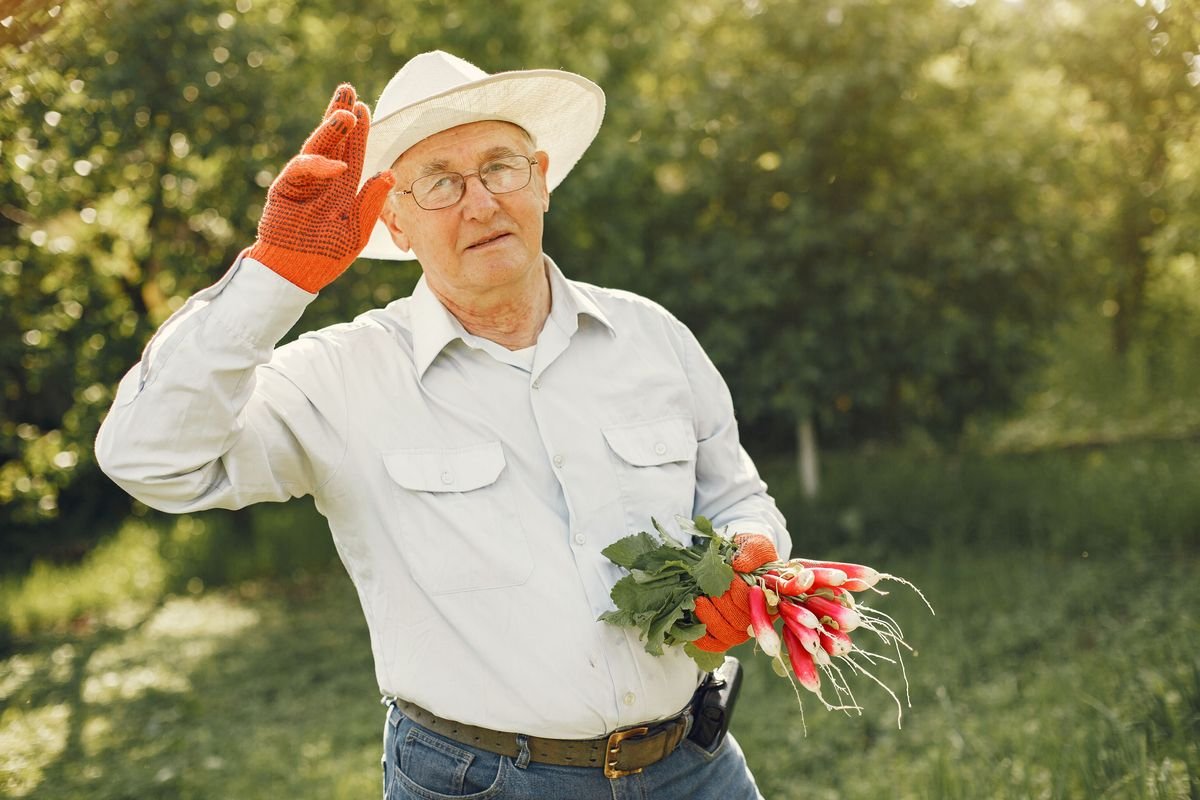
Every seed packet lists a number called days to maturity. This number represents the estimated time from germination or transplanting until the first harvest.
Paying attention to maturity dates allows you to plan back to back plantings with precision. When you know a crop takes forty days to mature, you can start the next batch of seedlings two weeks before harvest.
Keep in mind that days to maturity can shift depending on temperature and day length. Crops grown in the cooling temperatures of late summer often take longer to mature than those grown during warm spring days.
Stagger Plantings of the Same Crop
The simplest method of succession planting involves sowing small amounts of the same vegetable every week or two. This approach works exceptionally well for fast growing, cut and come again crops. Instead of dedicating an entire bed to spinach on the first warm day, sow a short two foot row every ten days.- Salad greens and lettuces
- Radishes and baby turnips
- Bush snap beans
- Cilantro and dill
- Green onions
Pair Fast and Slow Growing Varieties
You do not have to wait for a bed to clear completely before planting something new. Interplanting fast maturing vegetables around slow growing crops saves significant space.
Large crops like winter squash, brassicas, and tomatoes take many weeks to fill their allocated garden footprint. The open ground around them can easily support quick crops during their early growth.
Plant quick salad greens or radishes in the spaces between young broccoli plants. You will harvest the greens well before the broccoli leaves spread out and shade the soil.
Rotate Plant Families to Protect Soil Health
When clearing an old crop to plant the next round, avoid placing a vegetable from the same botanical family in the exact same spot.
Plants from the same family tend to draw identical nutrient profiles from the soil. They also share common pests and fungal diseases that linger in the dirt.
Follow heavy feeders like sweet corn or cabbage with light feeders or nitrogen fixers like bush beans and peas. This rotation maintains natural soil balance and cuts down on pest outbreaks naturally.
Give Every Plant Enough Space
When you try to maximize garden output, it is easy to fall into the trap of overcrowding your beds.
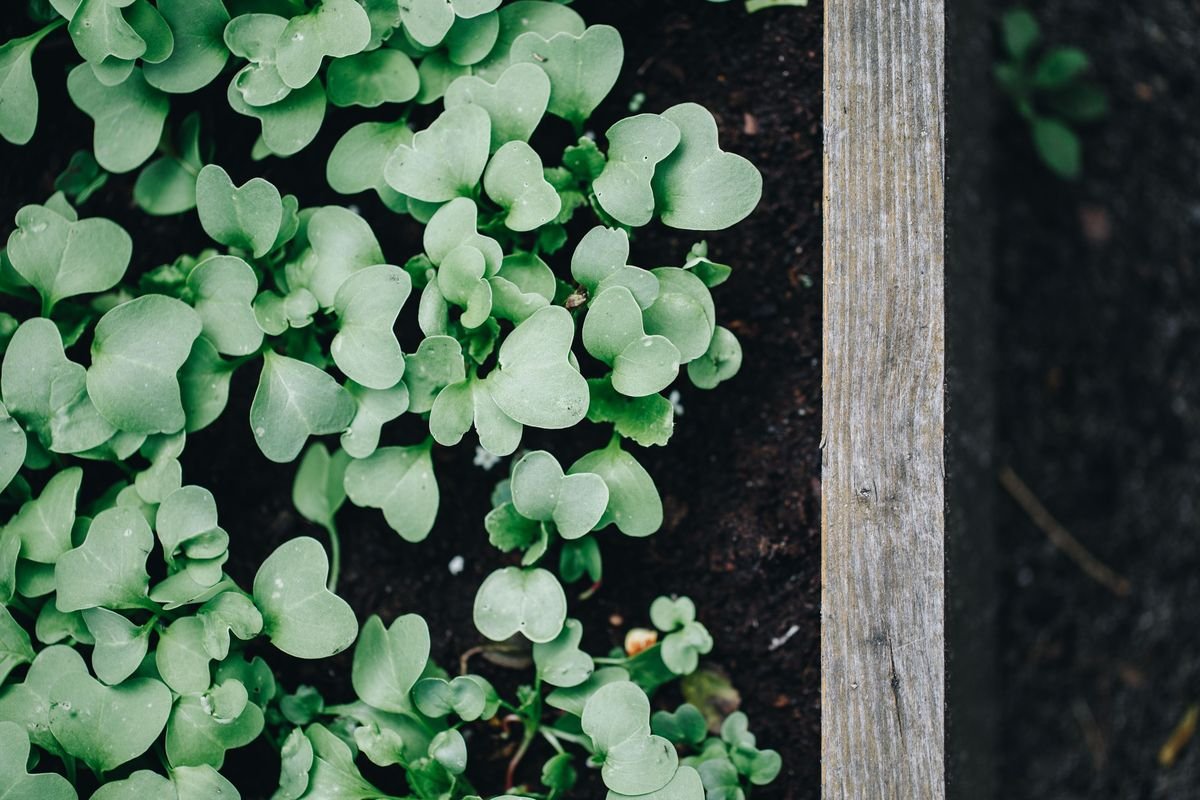
Packing plants too tightly restricts airflow, which invites powdery mildew and other fungal issues. It also forces roots to compete aggressively for moisture and essential soil nutrients.
Always respect the final spacing guidelines listed on the seed packet. Healthy, well spaced plants produce significantly more food than stressed, overcrowded ones.
Replenish Soil Nutrients Between Rounds
Succession planting demands a lot from your garden soil because the beds are rarely left empty.
Before you plant a new batch of seeds, take time to refresh the bed. Work a generous layer of finished compost or well aged manure into the top few inches of dirt.
This replenishes vital organic matter, improves water retention, and supplies active microbial life. Think of it as recharging the soil battery before asking it to power another round of growth.
Start Seeds in Trays to Save Time
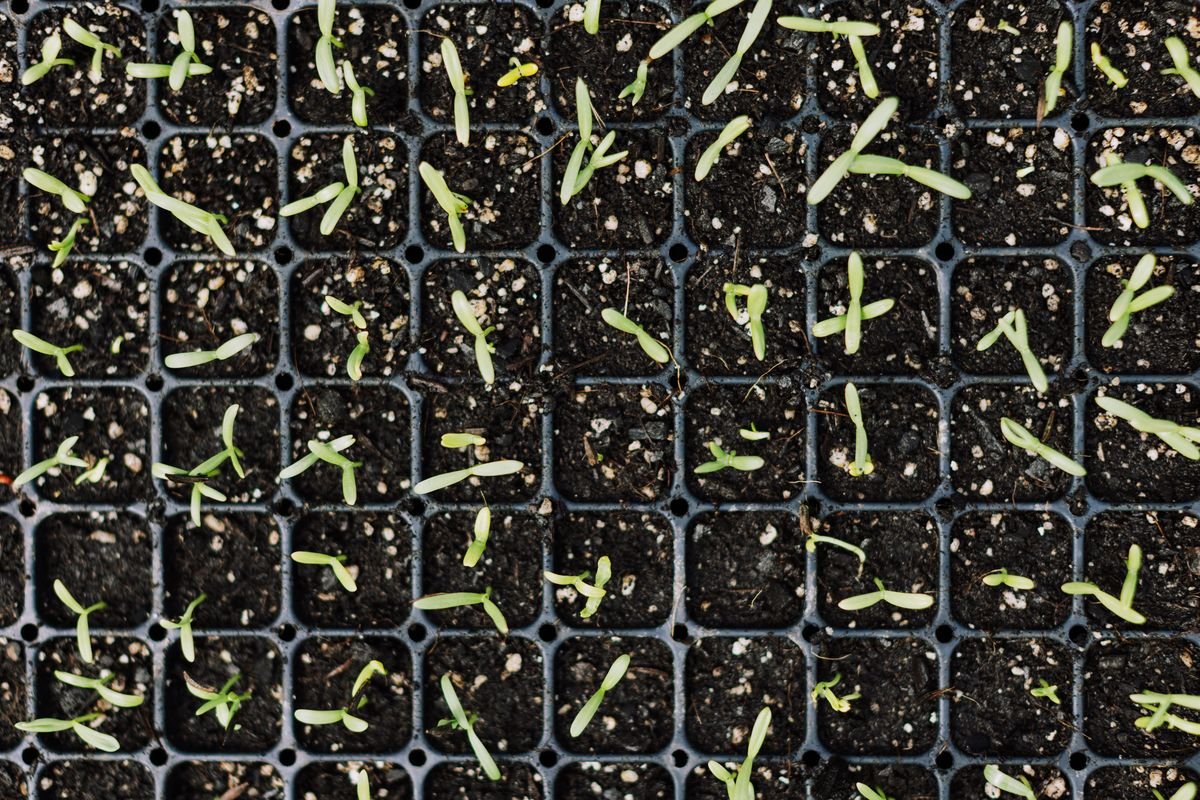
Starting seedlings in modular trays is one of the most effective tricks for continuous harvesting.
If you wait until a garden bed is completely empty to sow seeds, you lose several weeks of prime outdoor growing time. Starting seeds in trays keeps your schedule moving forward seamlessly.
While your spring peas are finishing their final harvest, start your fall kale seedlings in containers indoors or in a shaded spot. When the peas are pulled, you can transplant sturdy young kale starts directly into the open ground.
Plan for Fall and Winter Harvests
Succession planting is not just for spring and summer. Mid to late summer is the ideal time to sow cold hardy vegetables for autumn and early winter dining. Work backward from your region’s average first fall frost date to determine when to plant your cool season crops. Many brassicas and root vegetables actually develop a sweeter flavor after experiencing a light frost.- Kale and collard greens
- Carrots and parsnips
- Swiss chard
- Winter spinach and mache
- Asian stir fry greens
Keep a Detailed Garden Journal
The best tool for continuous harvesting is an accurate written record of what happens in your garden.
Note down the dates you sow seeds, the dates they germinate, and when the first and last harvests occur. Record any pest pressure or unexpected weather shifts that impacted growth.
Over a season or two, your garden journal will become your personalized roadmap. You will know exactly when to start seeds for your unique microclimate and family preferences.
How Ready Is Your Garden for Succession Planting?
Answer 4 quick questions to see your result