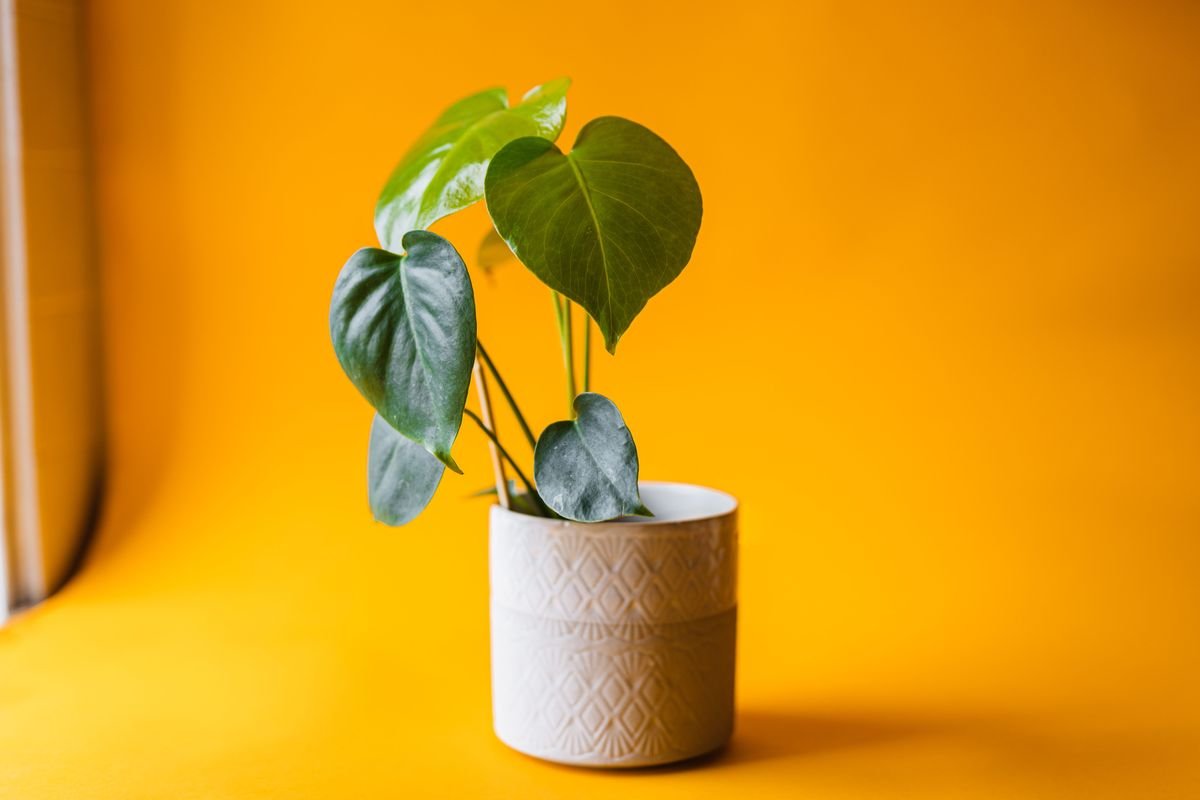
Houseplant lovers adore climbing tropical foliage, and two of the most popular choices today are the classic Monstera deliciosa and the trendy mini Monstera.
At first glance, their split leaves and vibrant green colors make them look like close relatives. Many new plant owners even assume the mini variety is simply a juvenile version of the larger plant.
In reality, these two plants belong to completely different botanical genera and come with distinct care requirements, growth habits, and indoor footprints.
If you are trying to decide which split-leaf beauty belongs in your living space, this comprehensive comparison guide will help you understand every major difference and similarity.
Differences Between Monstera and Mini Monstera
While both plants feature iconic split leaves, they are actually separate plant species with distinct biological traits.
Recognizing their unique characteristics helps you give each plant the specific environment it needs to thrive indoors.
Botanical Classification and Origins
The most fundamental difference lies in their taxonomy.
The true Monstera (Monstera deliciosa) is native to the tropical rainforests of Central America and belongs to the genus Monstera.
The mini Monstera (Rhaphidophora tetrasperma) originates from southern Thailand and Malaysia and belongs to the genus Rhaphidophora. Although both belong to the broader Araceae (aroid) plant family, they are entirely different plants that evolved on opposite sides of the globe.
Foliage Appearance and Leaf Holes
Leaf structure is one of the easiest ways to tell these two plants apart when inspecting mature foliage.
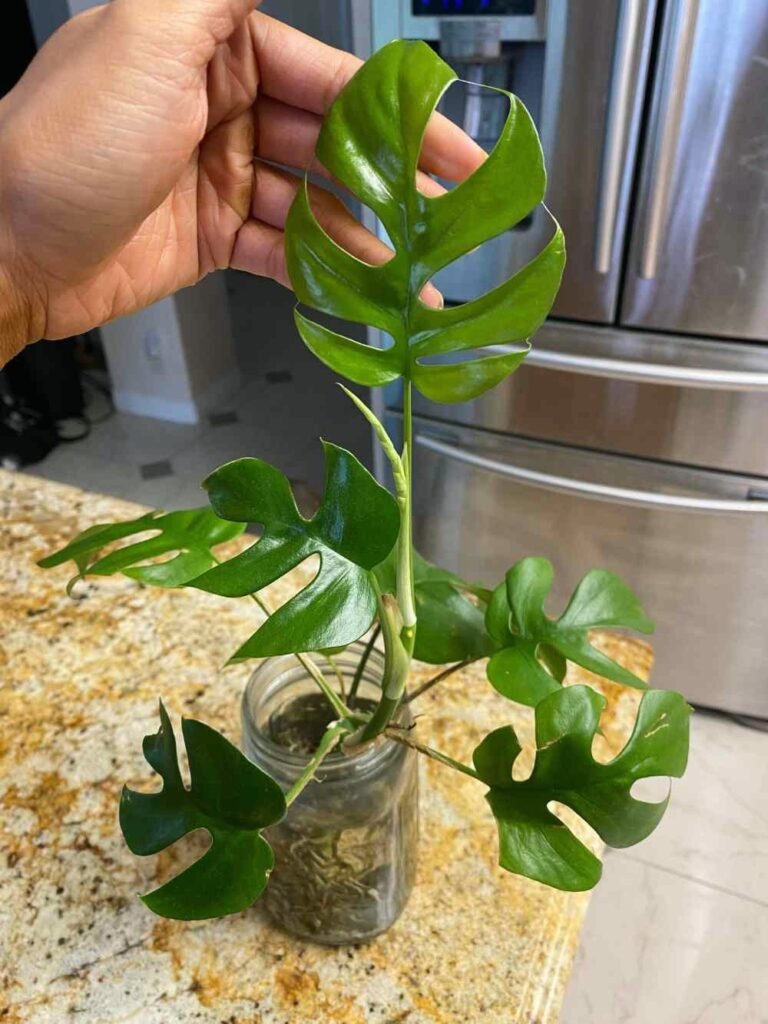
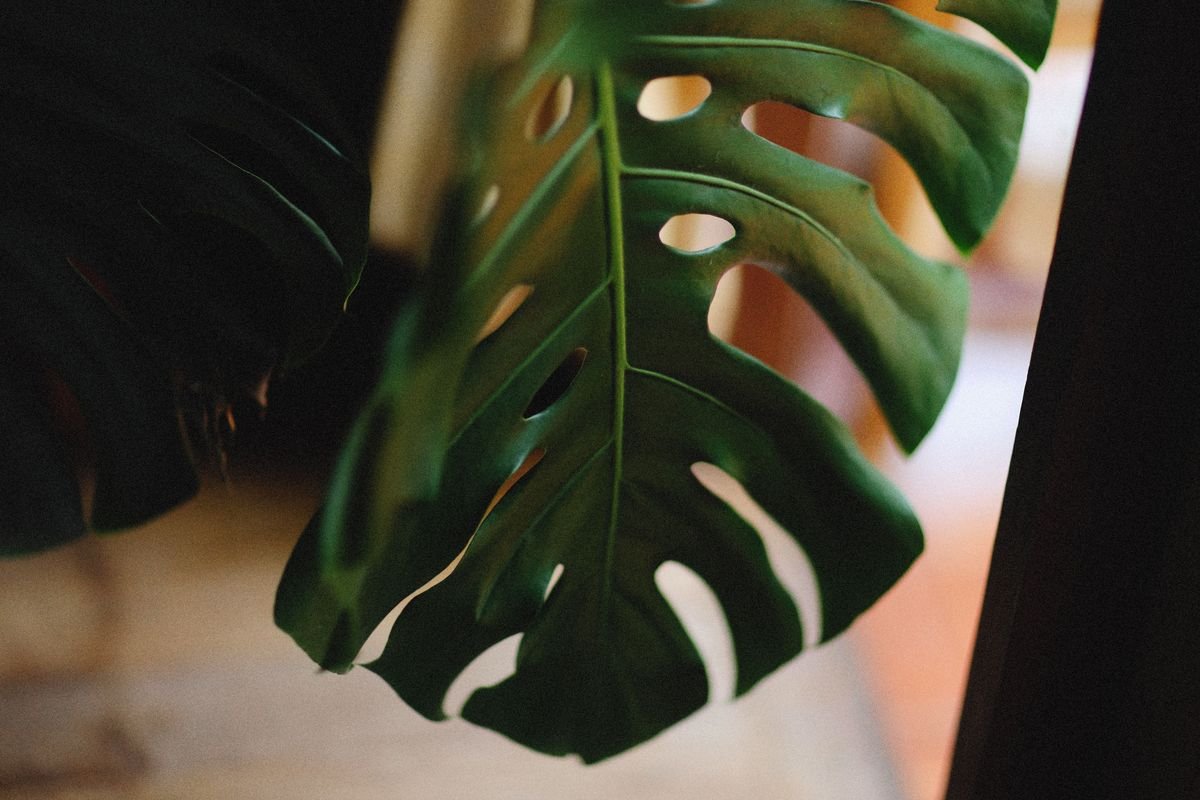
Monstera deliciosa develops both deep edge splits and internal oval holes, known as fenestrations, as the plant matures. In contrast, the mini Monstera produces deep, open cutouts along the leaf margins, but it rarely forms closed interior holes.
Mini Monstera leaves maintain their signature split pattern from a very young age, while a true Monstera starts with solid, heart-shaped leaves that only develop splits once the plant receives enough light and reaches maturity.
Leaf Texture and Leaf Size
Touching the leaves reveals another distinct contrast between the two plants.
Monstera deliciosa has thick, leathery leaves with a glossy surface that can reach 18 to 36 inches wide in indoor settings.
Mini Monstera foliage feels significantly thinner, softer, and more delicate to the touch. Its individual leaves generally measure between 4 and 12 inches across, maintaining a compact appearance throughout its life.
Overall Plant Size and Growth Habit
Monstera deliciosa is a sprawling, heavy climber that spreads outward with massive, thick stems and substantial aerial roots.
The mini Monstera grows in a much more vertical, vining pattern with slender stems and closely spaced leaf nodes. It climbs quickly up narrow supports without demanding wide floor space.
Growth Rate and Speed
If you want fast results, the mini Monstera is one of the fastest-growing vining houseplants available.
During spring and summer, a mini Monstera can easily produce multiple new leaves every month, growing several feet in a single season.
The Monstera deliciosa grows at a moderate pace, typically unfurling a new leaf every four to six weeks during active growth periods.
Fruit Production and Flowers
In its natural habitat, a mature Monstera deliciosa produces large, edible fruit that tastes like a combination of pineapple and banana.
Indoor Monstera plants rarely flower or fruit, but the biological capability exists. A mini Monstera produces small, non-edible inflorescences in nature and never bears edible fruit.
Average Plant Cost and Availability
Plant pricing varies based on pot size, availability, and local nursery demand.
Standard Monstera deliciosa plants are widely cultivated and easy to find at garden centers for modest prices, though mature large specimens command premium rates.
Mini Monstera plants were once rare and expensive collector items, but tissue culture has made them accessible and budget-friendly in most local plant shops.
Watering Schedule and Moisture Needs
Because the mini Monstera has thinner foliage and a rapid metabolic rate, it uses water quickly and prefers lightly moist soil during the growing season.
Monstera deliciosa stores moisture in its thick stems and fleshy leaves, making it far more drought-tolerant.
Allow the top half of the soil to dry completely before watering a Monstera deliciosa. For a mini Monstera, water as soon as the top two inches of soil feel dry.
Fertilizer and Feeding Routines
Both plants benefit from regular feeding during spring and summer, but their sensitivities differ.
Monstera deliciosa handles standard balanced liquid houseplant fertilizers diluted to half strength applied every two to four weeks.
Mini Monstera has fine, delicate root systems that are prone to fertilizer burn. Use gentle organic liquid fertilizers or heavily diluted balanced formulas to protect delicate roots.
Repotting Frequency and Root Sensitivity
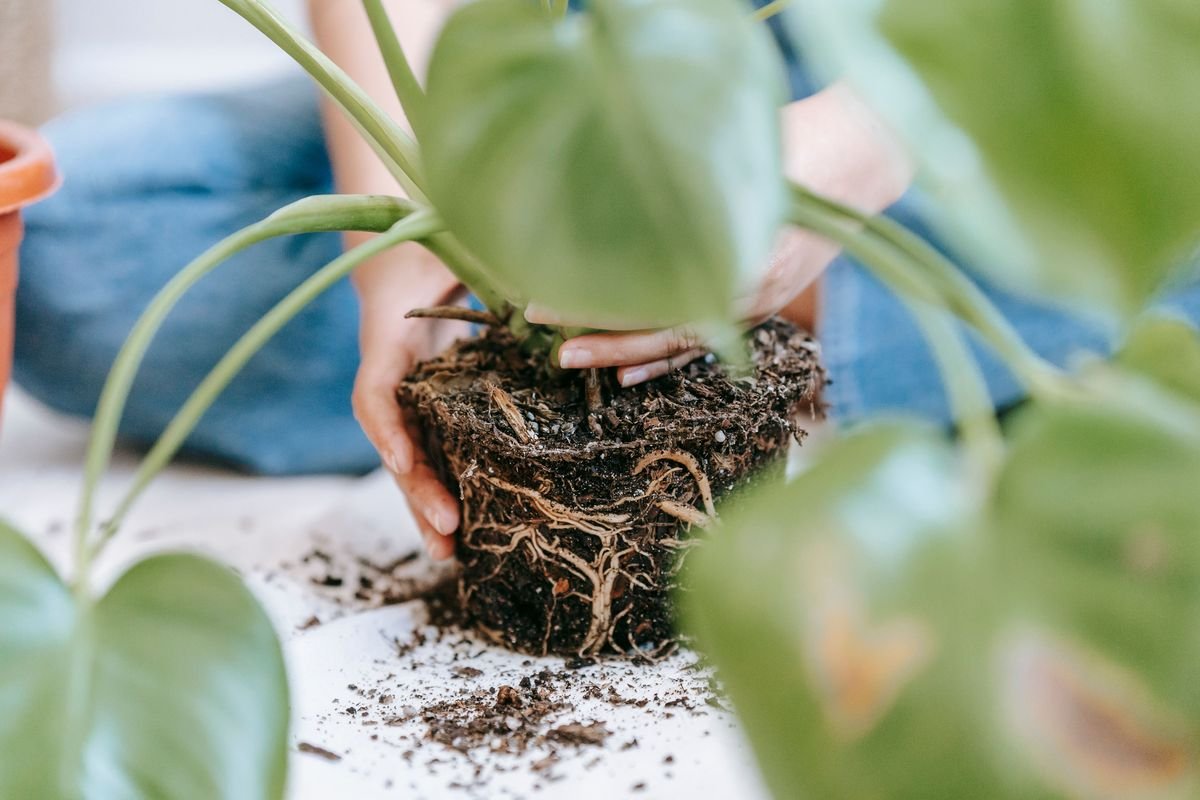
Because of its explosive growth rate, a healthy mini Monstera often outgrows its container every 12 to 18 months.
Monstera deliciosa develops thick, robust root systems that tolerate being root-bound for longer periods, typically requiring a new pot every two to three years.
When repotting either plant, always choose a well-draining potting mix containing perlite, orchid bark, and peat moss or coco coir.
Similarities Between Monstera and Mini Monstera
Despite their different botanical origins, both plants share several essential care traits because they both adapted to tropical forest understories.
Understanding their common needs makes caring for either plant straightforward.
Plant Toxicity and Pet Safety
Both plants contain insoluble calcium oxalate crystals throughout their leaves and stems.
If chewed or ingested by cats, dogs, or curious young children, these microscopic crystals cause immediate oral irritation, burning, excessive drooling, and difficulty swallowing.
Always place both plants out of reach of curious pets and toddlers.
Sunlight and Lighting Conditions
Both species thrive best in medium to bright, indirect sunlight.
Direct, unfiltered afternoon sun can scorch the foliage of both plants, creating unsightly brown burn patches on the leaves.
Placing them near an east-facing window or a few feet back from a south- or west-facing window provides ideal illumination.
Ideal Room Temperature and Humidity
As tropical plants, both thrive in warm household environments between 65 and 85 degrees Fahrenheit (18 to 29 degrees Celsius).
They struggle when exposed to cold drafts below 55 degrees Fahrenheit (13 degrees Celsius) or sudden temperature drops.
Both plants appreciate higher ambient humidity levels above 50 percent, which promotes larger foliage and healthier leaf unfurling.
Climbing Support and Trellising
In nature, both plants are hemiepiphytes that start on the forest floor and climb up tree trunks toward the canopy light.
Providing a moss pole, wooden plank, or sturdy trellis encourages both plants to grow larger, healthier leaves with deeper splits.
Without physical support, both plants will sprawl outward or trail over the edges of their pots.
Indoor Size and Growth Potential
One of the most practical factors in choosing between these two houseplants is the physical space you have available in your home.
Their mature footprints are very different.
How Big Mini Monsteras Grow
Indoors with a sturdy moss pole, a mini Monstera typically reaches a height of five to eight feet while remaining narrow, rarely spreading more than two feet wide.
If you allow it to grow unsupported, its vines will trail downward for several feet in a hanging basket.
You can easily prune long stems to keep the plant compact and bushy.
How Big Monsteras Grow
Monstera deliciosa is a true statement plant that commands substantial room.
Indoors, it commonly reaches six to ten feet tall and can spread four to six feet wide as its heavy petioles reach toward the light.
It requires a dedicated corner or spacious floor area where its broad foliage will not block walkways or furniture.
Common Problems and Solutions
Both plants occasionally exhibit stress signs when environmental conditions are off.
Here are the most common issues and how to resolve them:
- Yellow leaves: Usually caused by overwatering, poor drainage, or low light. Allow the soil to dry appropriately and ensure the pot has drainage holes.
- Brown, crispy leaf edges: Often indicates low room humidity, underwatering, or tap water mineral buildup. Increase humidity with a humidifier.
- Lack of leaf splits: Caused by inadequate lighting. Move the plant closer to a bright, indirect light source.
- Drooping or wilting stems: A sign of either severe dehydration or root rot from waterlogged soil. Check soil moisture immediately.
Which Houseplant Should You Choose
Choosing between a Monstera deliciosa and a mini Monstera ultimately comes down to your available indoor space, design preferences, and watering habits.
Pick a Monstera deliciosa if you want a bold, architectural focal point and have ample floor space to let broad leaves expand.
Choose a mini Monstera if you have limited room, prefer rapid vertical climbing, or want the split-leaf aesthetic in a compact footprint.
Both plants reward attentive owners with stunning tropical foliage that elevates any indoor space.
Which Split-Leaf Plant Fits Your Home and Lifestyle?
Answer 4 quick questions to see your result