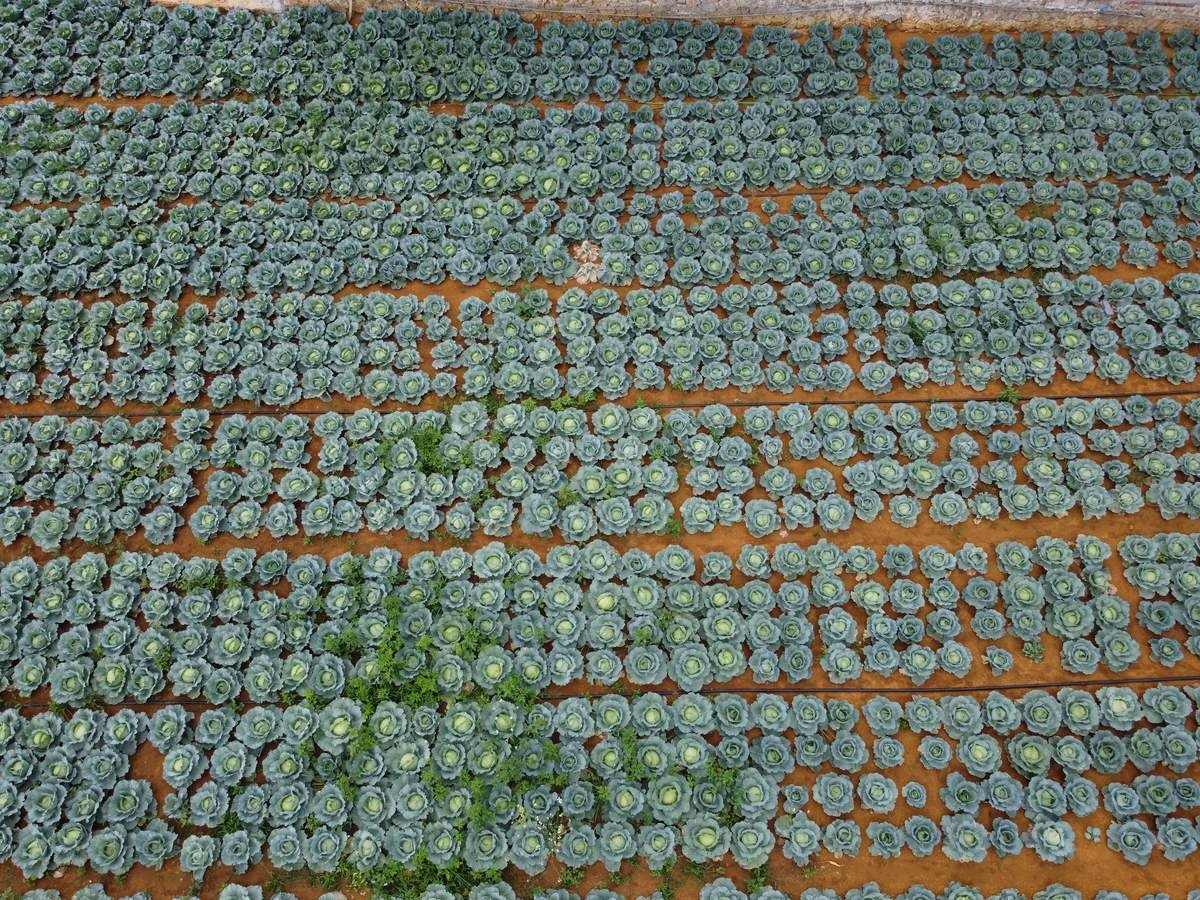
Organic farming focuses on growing healthy crops and raising livestock in balance with natural ecosystems. Instead of relying on manufactured chemicals, synthetic fertilizers, or harsh sprays, organic growers use time-tested biological practices to nourish the land.
Whether you manage a backyard raised bed or care for a larger homestead, switching to organic methods offers profound advantages. From boosting the microbial life under your feet to creating nutrient-dense meals, working with nature produces long-term rewards for you and the planet.
Understanding Organic Agriculture
At its core, organic agriculture is a holistic system designed to optimize the productivity and fitness of diverse communities within the agro-ecosystem.
This means that soil organisms, plants, livestock, and people are all viewed as interconnected parts of a single living web.
Rather than treating problems in isolation with quick chemical fixes, organic growers focus on preventative cultural practices. They build resilience into the soil so plants can naturally resist pests and diseases.
Building Rich Living Soil
Healthy soil is the foundation of any successful garden or farm.
Conventional practices often strip the ground of organic matter by relying on concentrated synthetic salts for plant nutrition. Over time, this damages the delicate fungal networks and beneficial bacteria that plants depend on for mineral uptake.
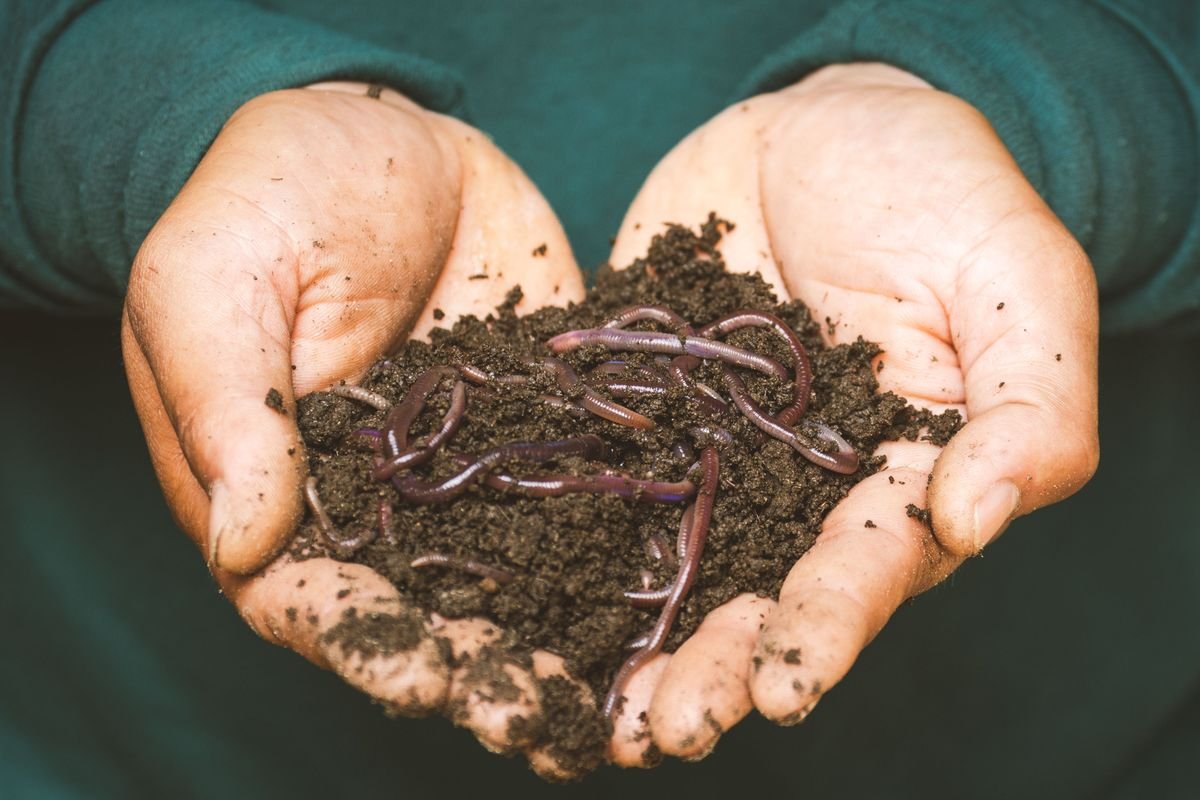
Organic methods restore the earth by adding finished compost, aged manure, and green cover crops. These inputs feed microscopic soil life, creating a spongy, dark loam that holds moisture and delivers a steady supply of balanced nutrients.
Reducing Harmful Chemical Runoff
Synthetic sprays and soluble nitrogen fertilizers do not stay confined to the fields where they are applied.
Heavy rains easily wash these compounds into nearby creeks, rivers, and underground aquifers. This runoff leads to toxic algae blooms that deplete oxygen levels and kill aquatic life.
By eliminating synthetic inputs, organic farming prevents dangerous nitrates and synthetic compounds from entering the broader water cycle. Clean farming practices keep local waterways safe for wildlife and downstream communities.
Protecting Beneficial Insects and Pollinators
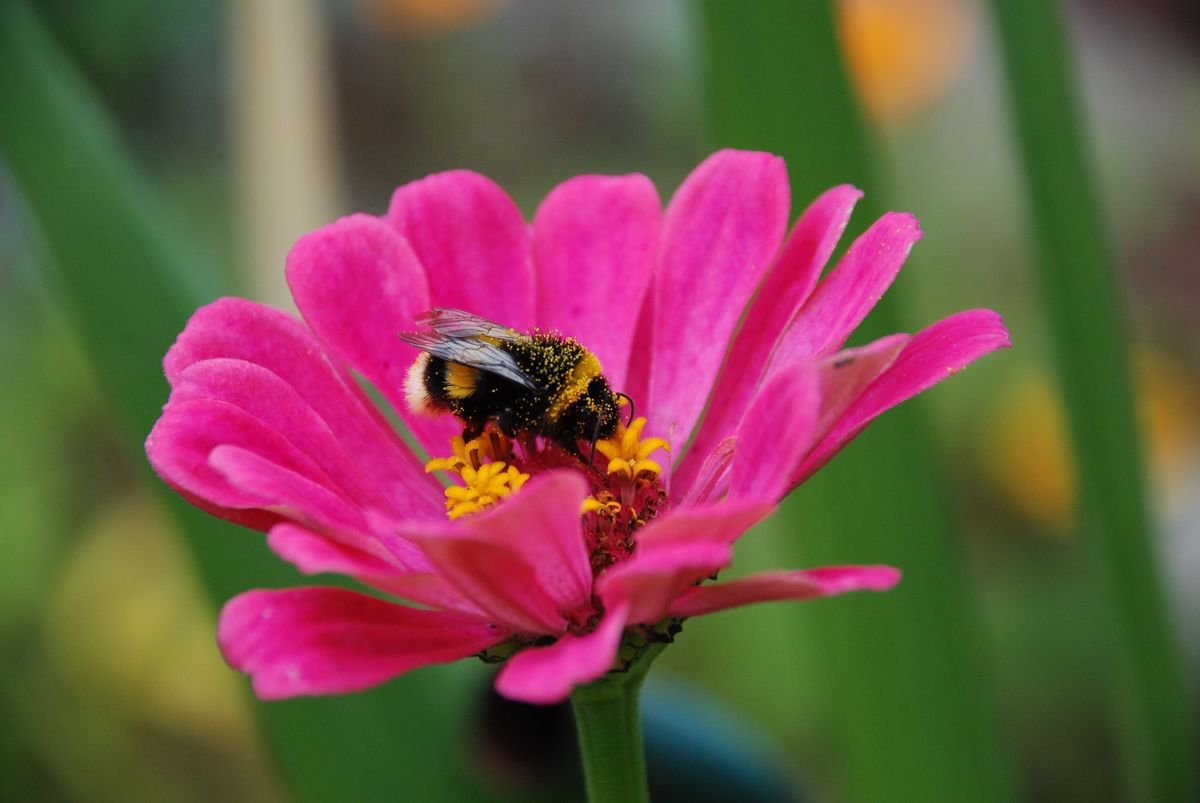
Broad-spectrum insecticides cannot distinguish between a destructive caterpillar and a harmless honeybee.
When growers spray synthetic pest controls, they often wipe out ladybugs, predatory mites, and vital native pollinators along with the target pests.
Organic systems rely on natural pest control strategies, such as planting companion flowers and encouraging predatory insects. This approach keeps pest populations in check while providing a safe habitat for bees, butterflies, and hoverflies to thrive.
Improving Crop Flavor and Nutrition
Plants that grow in living, biologically active soil develop complex root systems that absorb a wide range of trace minerals.
Because organic crops are not forced into rapid, water-bloated growth with synthetic nitrogen, their cell structures remain dense. This slower, natural growth cycle allows sugars, vitamins, and antioxidants to concentrate fully inside the produce.
Many gardeners find that homegrown organic tomatoes, carrots, and greens possess a vibrant, rich flavor that store-bought, conventionally grown produce simply cannot match.
Conserving and Protecting Freshwater Supplies
Water scarcity is an increasing challenge for gardeners and farmers around the world.
Soils enriched with organic matter act like natural sponges, holding significantly more water than compacted, depleted soils. This high water retention means you need to irrigate less frequently during hot summer months.
Furthermore, organic mulch layers protect the surface from intense sun exposure, reducing evaporation and preventing deep groundwater reserves from drying out.
Preventing Soil Erosion Naturally
Topsoil takes centuries to form, yet wind and rain can wash it away in a single storm if the ground is left bare.
Organic management keeps the ground covered throughout the year using mulch, living ground covers, or multi-species cover crops. The extensive root systems of these plants physically anchor the soil particles in place.
By minimizing aggressive mechanical tilling, organic growers preserve natural soil structure, ensuring that precious topsoil stays right where crops need it.
Supporting Greater Wildlife Biodiversity
Monoculture farms create biological deserts where only one species can survive.
In contrast, organic operations embrace crop diversity, hedgerows, and mixed planting schemes. Rotating plant families across seasons breaks pest cycles and provides diverse food sources for local wildlife.
Songbirds, toads, and harmless snakes are drawn to organic spaces, creating a balanced ecosystem where natural predators keep garden pests under control.
Combating Climate Change Through Carbon Storage
Agriculture has a massive role to play in stabilizing global atmospheric conditions.
Living soil has an incredible capacity to draw carbon dioxide out of the air and store it underground in the form of stable humus. Practices like cover cropping, composting, and reduced tillage actively pull carbon into the root zone.
By building soil organic matter year after year, organic growers help turn their growing spaces into effective carbon sinks.
Avoiding Synthetic Pesticide Residues
Many consumers turn to organic produce out of concern for the chemical residues left on everyday food items.
Even after thorough washing, systemic chemicals that were absorbed into plant tissues during growth can remain present in small quantities.
Choosing organic food dramatically lowers your daily exposure to persistent agricultural chemicals. This provides peace of mind for families, especially when feeding young children or vulnerable household members.
Preserving Natural Non-GMO Seed Lines
Organic production strictly excludes the use of genetically modified organisms.
By focusing on open-pollinated and heirloom seed varieties, organic farming helps preserve genuine genetic diversity within our food supply. These traditional seed lines have been adapted over generations to survive local weather patterns and regional pest pressures.
Saving and replanting these natural seeds maintains food security and keeps agricultural heritage alive for future generations.
Creating a Safer Working Environment for Growers
Agricultural workers face the highest risk of chemical exposure during mixing, spraying, and harvesting.
Long-term contact with synthetic farm chemicals has been linked to numerous chronic health complications among farm laborers and landscape workers.
Organic growing creates a clean, nontoxic workspace. Anyone tending the beds, from professional farmhands to backyard hobbyists, can handle soil and plants without needing specialized protective respirators or chemical suits.
Practical Steps to Go Organic at Home
Transitioning your own garden to organic methods does not have to happen overnight.
Start by replacing synthetic liquid fertilizers with compost tea, worm castings, or organic granular blends. Next, swap chemical weedkillers for thick layers of straw or wood chip mulch, which suppress weeds while cooling the root zone.
When pests appear, hand-pick larger caterpillars or use physical insect netting before reaching for biological controls like neem oil or insecticidal soap.
Summary of Key Organic Benefits

Organic farming represents a thoughtful, restorative approach to stewarding the land.
By putting soil health first, protecting pollinators, and eliminating toxic chemicals, organic techniques support human health while regenerating the surrounding environment.
Every organic choice you make in your garden contributes to a cleaner, more resilient food system that works in harmony with the natural world.
How Organic Is Your Current Gardening Routine?
Answer 4 quick questions to see your result