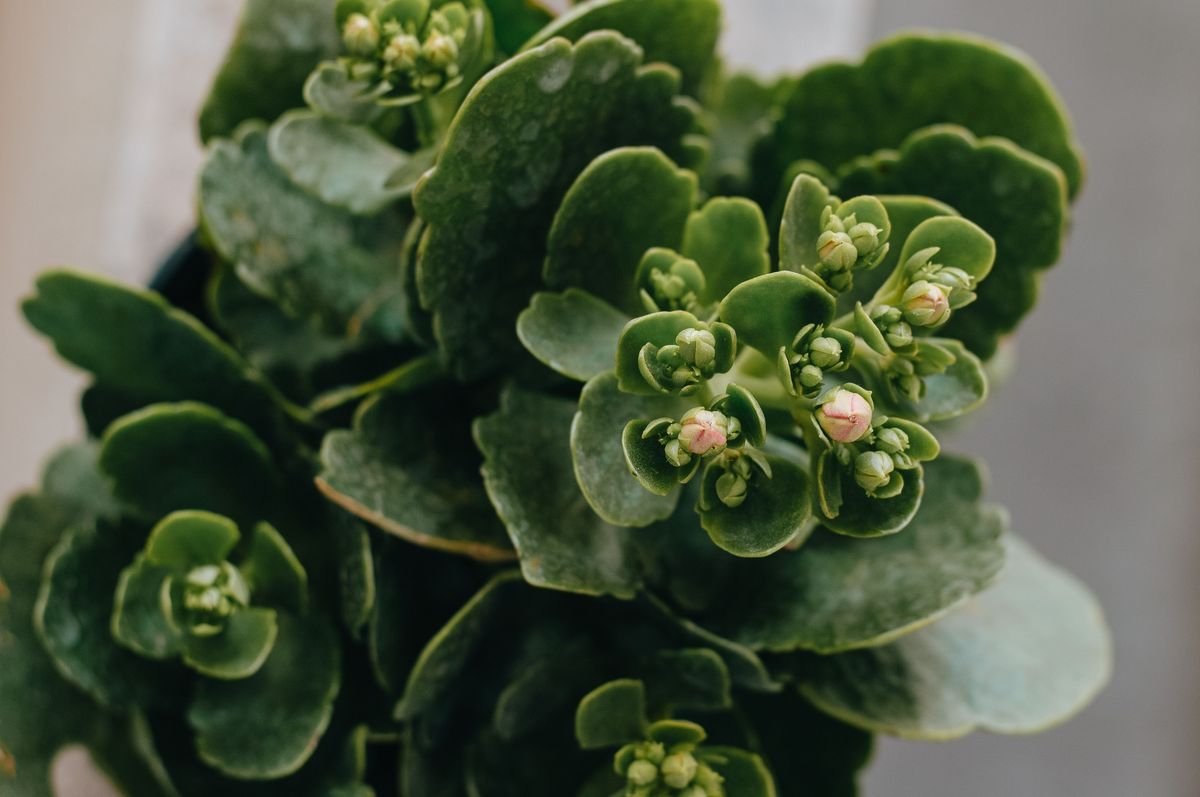
When browsing through your local plant nursery or garden center, you will likely encounter vibrant, blooming succulent plants labeled either as Kalanchoe or Calandiva.
At first glance, these two plants look remarkably alike with their thick, fleshy green leaves and clusters of bright flowers. However, there are fascinating botanical differences, unique petal counts, and distinct histories that set them apart.
Understanding the Relationship Between Both Plants
To understand the difference, you must first know that Calandiva is actually a variety of Kalanchoe.
Specifically, Calandiva is a cultivar developed from the species known botanically as Kalanchoe blossfeldiana.
Because of this direct genetic link, retailers and plant tags often use the names interchangeably. While all Calandiva plants belong to the Kalanchoe genus, not all Kalanchoe plants are Calandivas.
The Origin and Discovery of Calandiva
The standard Kalanchoe blossfeldiana is native to Madagascar and was officially introduced to European plant growers in the early twentieth century.
Originally, these plants produced only simple red blossoms before plant breeders developed shades of yellow, pink, and orange over several decades.
In 1998, a Dutch grower discovered a naturally occurring genetic mutation in a purple Kalanchoe blossfeldiana plant. This single mutant plant displayed dense clusters of flowers with an unusually large number of petals, eventually leading to the commercial release of the trademarked Calandiva series.
Comparing Flower Structure and Petal Count
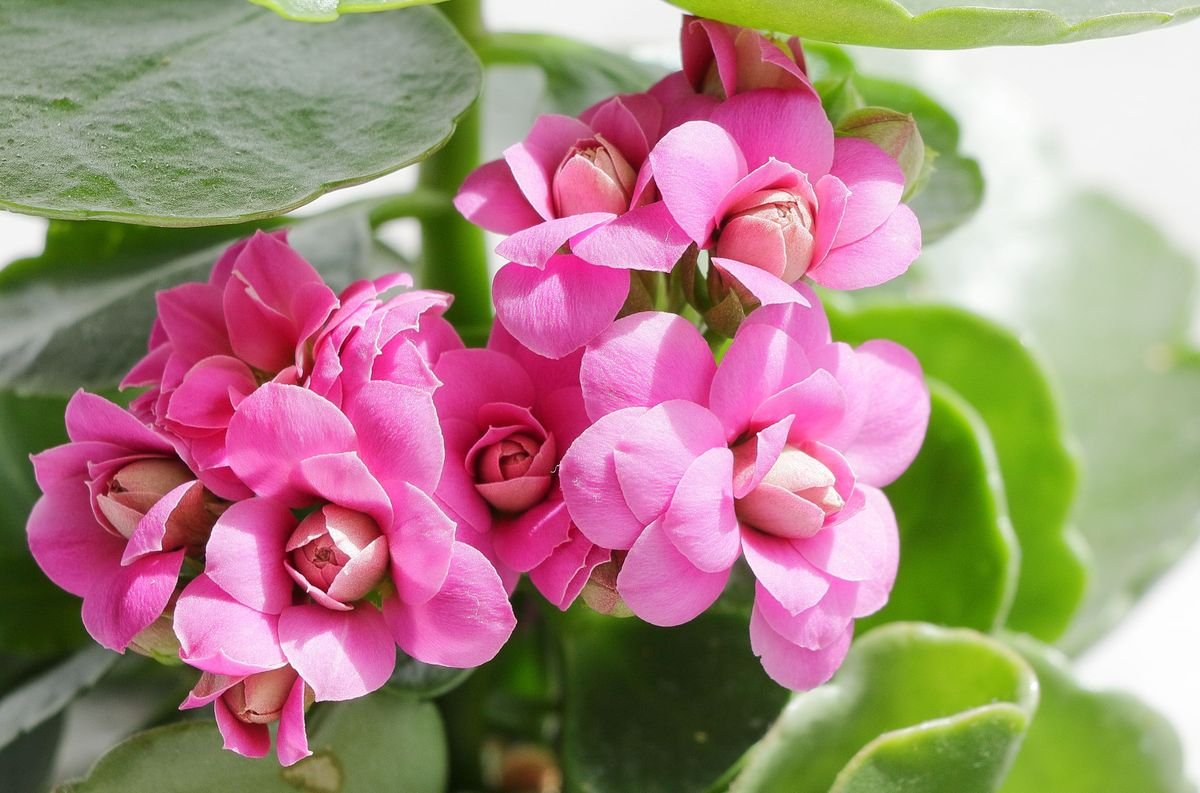
The most striking visual difference between a standard Kalanchoe and a Calandiva lies directly in the flower structure.
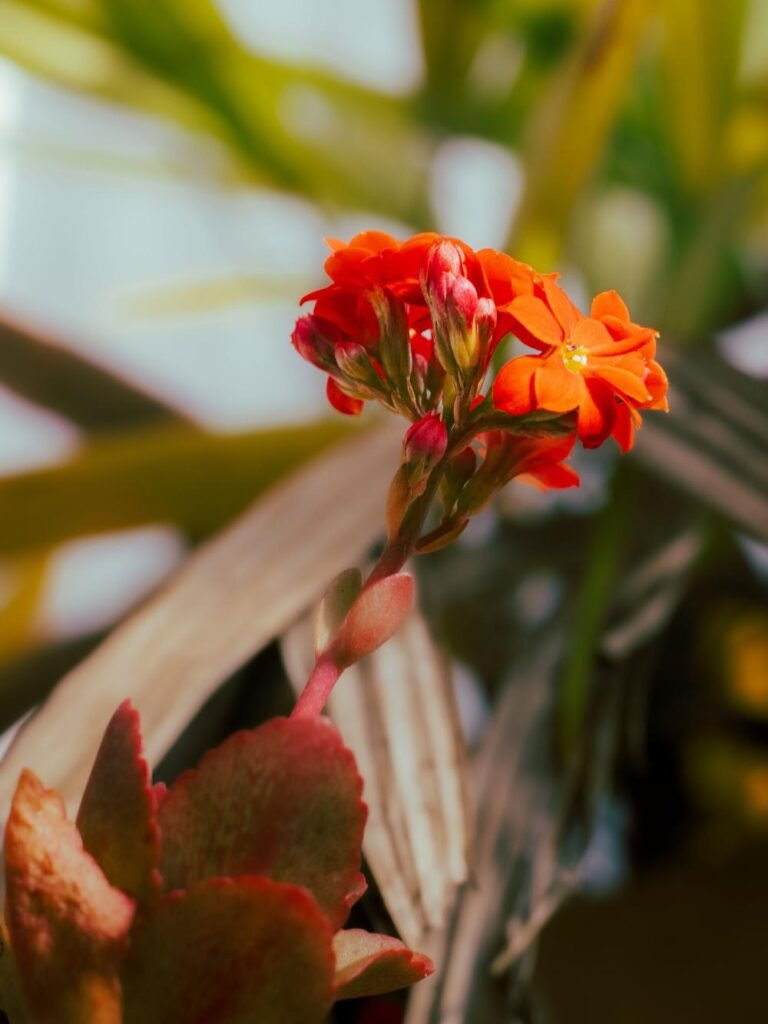
- Standard Kalanchoe flowers feature a single layer containing exactly four petals per bloom.
- Calandiva flowers feature multiple layers containing up to thirty-two petals per bloom.
Because of this dense petal arrangement, Calandiva blooms closely resemble miniature roses or tiny pom-poms rather than simple star-shaped florets.
Color Varieties and Visual Appeal
Both plant varieties are famous for their long-lasting flower displays that can persist for six to eight weeks indoors.
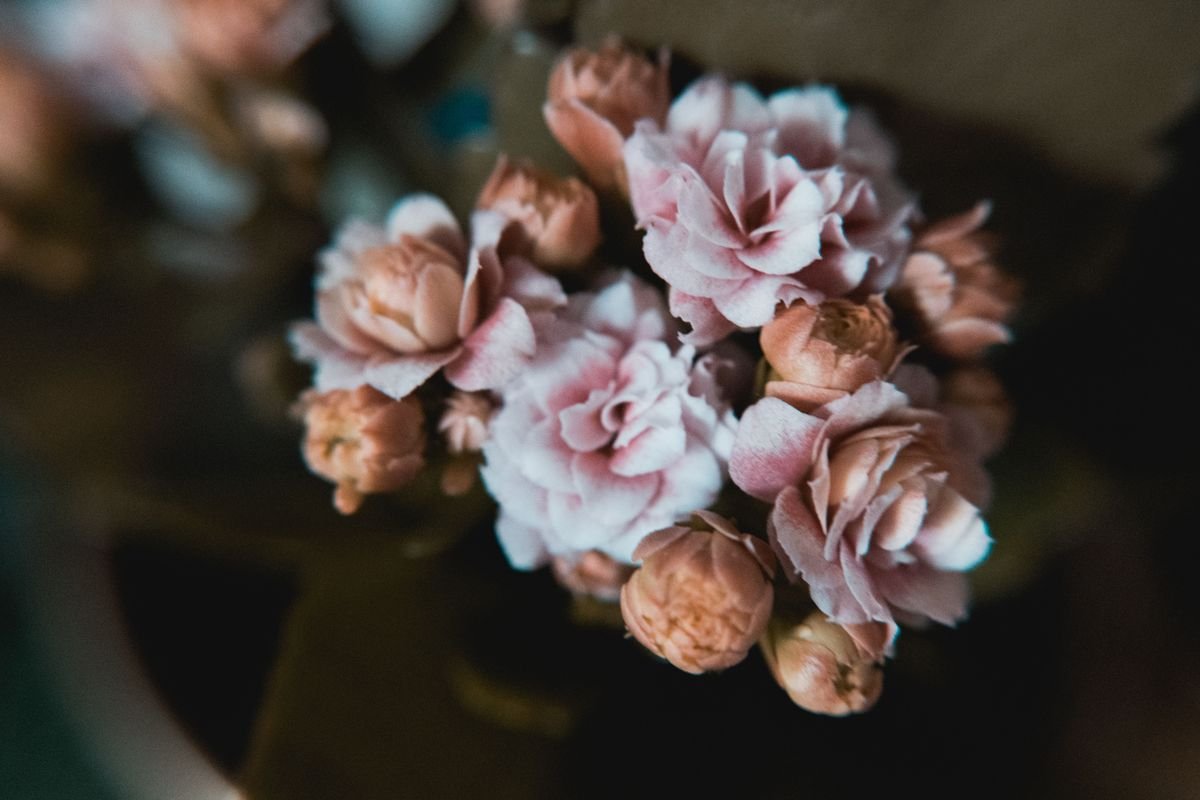
Calandiva plants offer an exceptionally rich spectrum of blossom shades. You can easily find them in creamy white, vibrant red, blush pink, magenta, warm peach, deep orange, and multi-toned varieties.
Standard Kalanchoe plants provide equally bright tones, but the rose-like density of the Calandiva makes its floral heads appear fuller and heavier on the stem.
Typical Growth Habits and Dimensions
When it comes to size and structure, both varieties share nearly identical growth habits.
A mature indoor plant usually stands between six and twelve inches in height, occasionally reaching up to eighteen inches under ideal outdoor conditions.
The plant forms a compact, bushy mound with a spread that generally equals its height. Its foliage consists of thick, waxy, scalloped green leaves that store water during dry periods.
Best Sunlight and Location Tips
Proper lighting is critical for keeping both plant types blooming and preventing leggy growth.
Place your plant in a spot that receives plenty of bright, indirect sunlight throughout the day. An east-facing or west-facing window sill provides the perfect balance of light without scorching the succulent foliage.
If the plant receives too little light, the stems will stretch toward the light source and future bud development will slow down significantly.
Watering and Moisture Requirements
Because these plants belong to the succulent family, overwatering is the quickest way to cause root issues.
Always follow the soak-and-dry approach. Allow the top two inches of potting soil to dry out completely before you add any fresh water.
When watering, pour slowly around the base of the plant until water escapes from the bottom drainage holes, and empty the drip tray promptly so the roots never sit in standing water.
Potting Mix and Container Choices
Choosing the right potting mix ensures healthy root development and prevents fungal problems.
Use a pre-mixed cactus and succulent soil, or create your own blend by mixing standard potting soil with perlite and coarse sand in equal parts.
Always select containers that feature functional drainage holes. Unglazed terracotta pots work best because their porous walls allow excess moisture to evaporate naturally.
Temperature and Seasonal Care
Both Kalanchoe and Calandiva thrive in warm indoor environments with room temperatures between 60 and 80 degrees Fahrenheit.
They cannot withstand freezing conditions or cold drafts. If you place your plants outdoors during summer, bring them inside before nighttime temperatures drop below 50 degrees Fahrenheit.
During the winter months, reduce watering frequency slightly to match the plant’s slower growth rate.
Pruning and Encouraging Reblooming
Once the initial flush of blooms begins to fade, you can trim away the spent flower stalks using clean, sharp pruning shears.
Deadheading keeps the plant tidy and encourages the production of healthy green foliage.
To trigger a fresh cycle of flower buds, these short-day plants require about six weeks of long nighttime darkness (fourteen hours of total darkness each night), similar to the treatment given to holiday poinsettias.
Choosing the Right Plant for Your Space
Deciding between a classic Kalanchoe and a double-flowered Calandiva comes down to your personal aesthetic preference.
If you prefer delicate, star-shaped blossoms with a classic succulent look, the traditional Kalanchoe blossfeldiana is a wonderful choice.
If you love the lush, romantic appearance of miniature roses combined with the hardy nature of a succulent, the Calandiva is hard to beat.
Is Your Kalanchoe or Calandiva Getting the Right Care?
Answer 4 quick questions to see your result