Growing fresh fruit inside your home is much simpler than most people think. You do not need an outdoor orchard or a sprawling backyard to pick sweet lemons, crisp figs, or juicy strawberries from the branch.
With compact dwarf varieties, modern grow lights, and basic container gardening techniques, your living room or sunny kitchen can double as a productive mini orchard. This guide covers everything you need to start harvesting homegrown fruit all year round.
Benefits of Growing Fruit in Your Home
Indoor fruit gardening gives you total control over the environment where your food develops.
Outdoor fruit trees often face unpredictable spring frosts, hail storms, intense heatwaves, and seasonal drought. When you cultivate fruit plants indoors, you provide stable temperatures and consistent moisture that promote steady, healthy growth.
Indoor fruit trees also double as gorgeous decorative houseplants. Fragrant blossoms from citrus plants fill living areas with a natural, refreshing perfume that synthetic air fresheners simply cannot match.
Clean and Protected Harvests
Fruit harvested inside the house remains shielded from common outdoor contaminants.
Outdoor garden beds are exposed to car exhaust fumes, chemical sprays from neighboring lawns, and roaming wildlife. Indoor fruit avoids these issues entirely, resulting in cleaner, safer produce for your family.
Bird damage and squirrel theft are completely eliminated indoors. Every ripe berry and citrus fruit stays safely on the branch until you decide it is time to pick and enjoy it.
Controlled Growing Conditions
Managing the microclimate inside your home allows you to extend the fruiting season well past traditional outdoor limits.
You can maintain steady warmth through the late autumn and winter months, encouraging plants to continue active growth.
Regulating water delivery is equally straightforward indoors. You never have to worry about unexpected torrential rain waterlogging the soil or washing away essential nutrients from the root ball.
Understanding Indoor Pollination Needs

Fruit production begins with pollination, which occurs naturally outdoors thanks to wind currents and visiting honeybees.
Inside a home or apartment, air circulation is gentle and pollinating insects are absent. Understanding how your specific plant produces fruit is vital for securing a reliable harvest.
Some fruit species set fruit entirely on their own, while others require pollen transfer between different blossoms or even separate companion trees.
Self-Pollinating Fruit Varieties
For the easiest start, always select self-pollinating or self-fertile fruit varieties.
These plants contain both male and female structures within the same blossom. They can fertilize themselves without needing a second partner tree in the room.
Most dwarf citrus trees, alpine strawberries, and specific dwarf peach cultivars fall into this self-fertile category. They represent the best starting point for beginner indoor gardeners.
Hand Pollinating Methods
Even self-pollinating plants benefit from a small amount of assistance when grown indoors.
You can simulate the action of a bumblebee by gently swirling a small, soft watercolor paintbrush inside each open flower.
Move the brush gently from bloom to bloom every two or three days while the plant is actively flowering. Alternatively, giving the main trunk a delicate shake once a day helps release pollen within the blossoms.
Best Dwarf Fruit Trees for Beginners
Full sized fruit trees can reach heights of twenty feet or more, making them impossible to manage in a standard room.
Dwarf fruit trees are grafted onto specialized rootstocks that restrict overall vegetative size while encouraging early fruit development.
These compact trees stay between three and six feet tall when grown in containers, making them perfect companions for indoor spaces.
Meyer Lemon Trees
The Improved Meyer Lemon is widely considered the ultimate indoor fruit tree.
This variety is a natural hybrid of a traditional lemon and a sweet mandarin orange. The resulting fruit is juicy, thin skinned, and noticeably sweeter than commercial grocery store lemons.
Meyer lemons bloom repeatedly throughout the year, meaning you will often enjoy fragrant white flowers, young green fruit, and ripe yellow fruit all at the same time.
Dwarf Calamondin Oranges
Calamondin orange trees are exceptionally rugged and adapt well to low humidity environments.
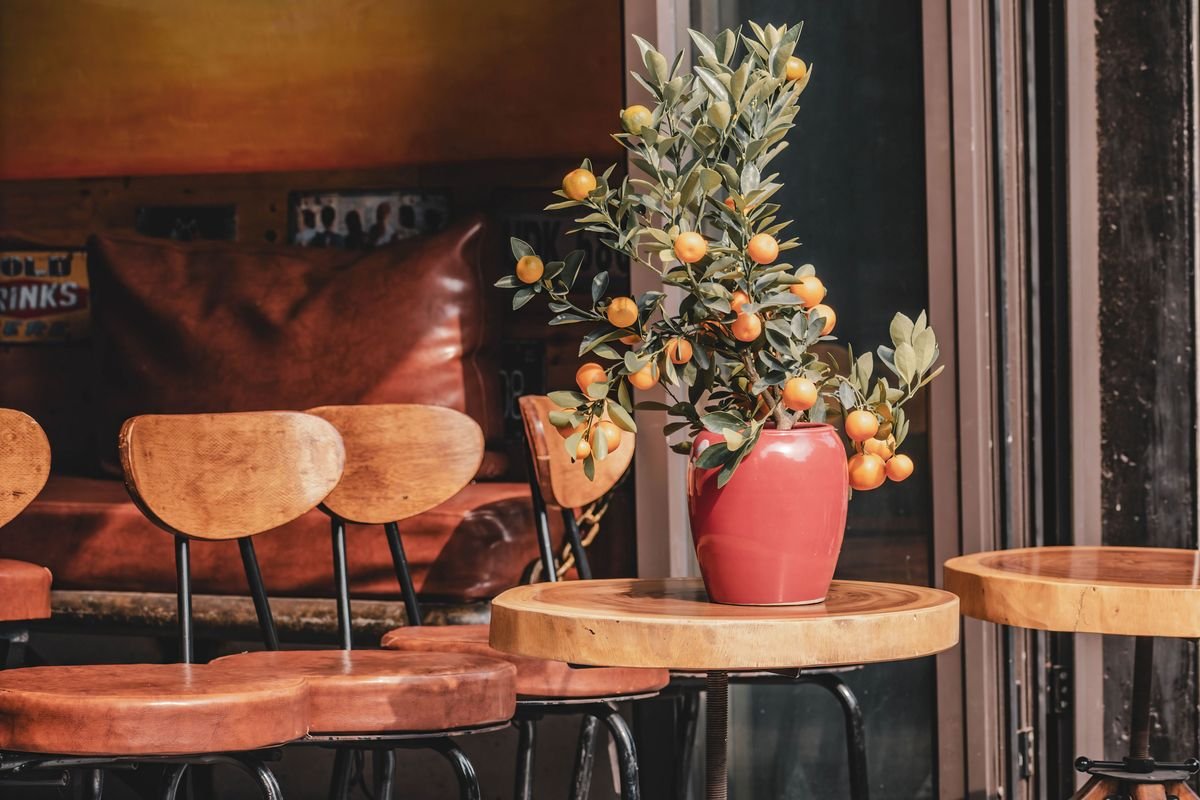
They produce abundant clusters of small, bright orange fruits that look like tiny tangerines. The peel is pleasantly sweet while the pulp carries a sharp, sour tang.
Calamondin fruits are fantastic for crafting homemade marmalades, blending into salad dressings, or infusing into refreshing iced drinks.
Persian Lime Trees
Persian limes, also known as Bearss limes, produce seedless green citrus fruits with classic tart flavor.
They thrive in warm household temperatures and tolerate pruning remarkably well. Unlike standard outdoor lime trees, dwarf indoor varieties feature fewer sharp thorns on their branches.
Keep them in a warm, sunny position, and they will supply fresh zest and juice for your kitchen throughout the year.
Dwarf Peaches and Apricots
You do not need an entire outdoor grove to enjoy fresh stone fruits.
Dwarf peach varieties like Bonanza and dwarf apricots like Goldcot are bred specifically for container living.
They produce stunning pink and white spring blossoms followed by full sized, sweet fruit. They require a cool resting period during the winter, which can easily be provided in an unheated porch or cool guest room.
Miniature Olive Trees
Olive trees bring elegant, silvery green foliage and delicious Mediterranean fruit into your living space.
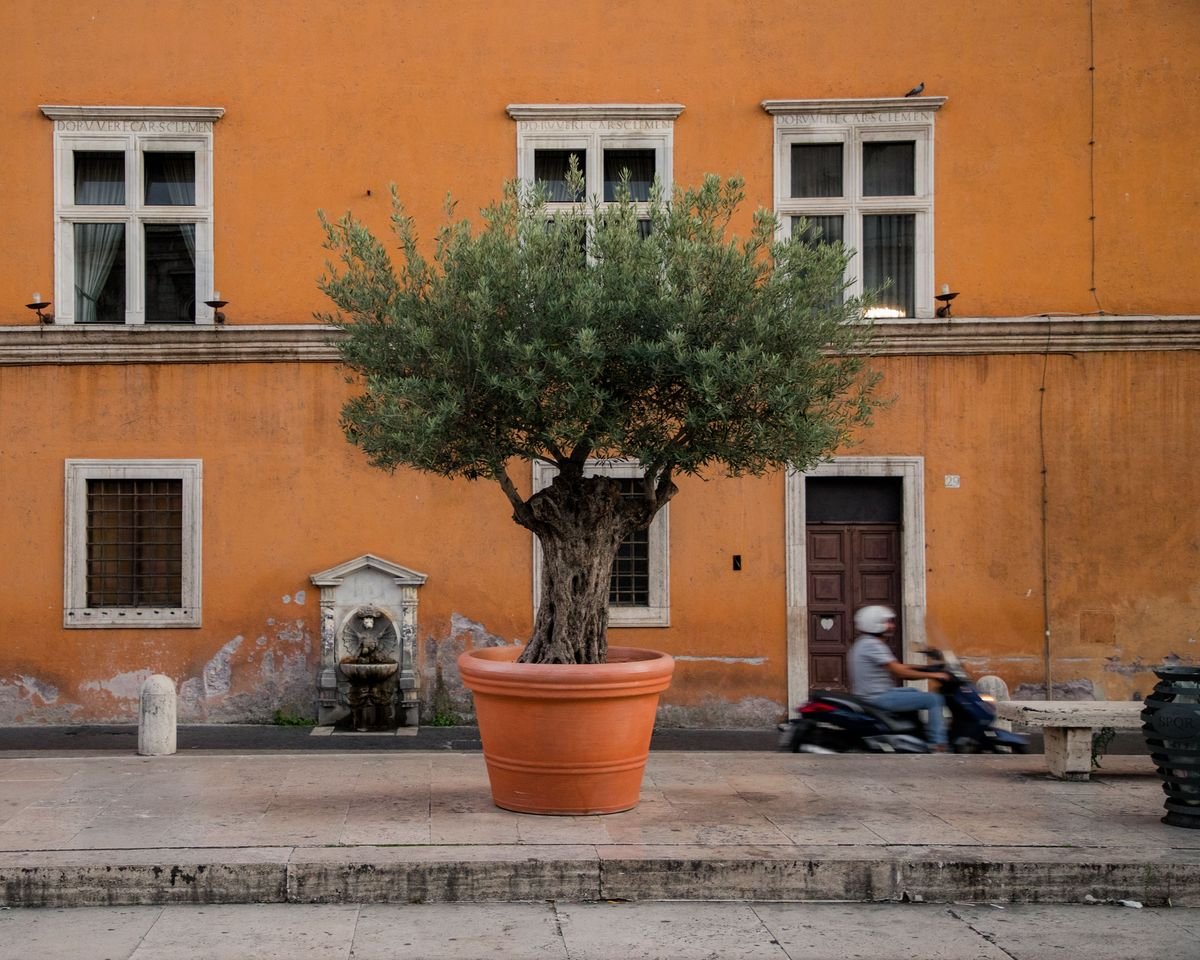
Varieties such as Arbequina and Picholine are self-fertile and naturally compact. They are drought tolerant and handle lower indoor humidity better than many tropical fruit trees.
Give them strong direct light and well draining soil, and they will thrive for decades in a decorative planter.
Growing Berries in Small Spaces
If you lack floor space for a potted tree, berry plants are a wonderful alternative.
Berry plants stay low and compact, making them suitable for sunny windowsills, plant shelves, or hanging baskets.
They grow rapidly and often produce fruit within their first season of planting.
Alpine Strawberries
Alpine strawberries are runnerless varieties that form neat, tidy clumps rather than sprawling vines.
They produce continuously from spring through late fall, yielding small berries with an intense, aromatic wild strawberry flavor.
Because they do not send out trailing runners, they conserve all their energy for foliage and fruit production in compact pots.
Dwarf Blueberries
Dwarf blueberry cultivars like Top Hat and Jelly Bean grow into attractive, spherical bushes under two feet tall.
They display delicate bell shaped flowers in the spring, vibrant summer berries, and fiery red foliage in the fall.
Blueberries require acidic potting soil, so prepare a specialized soil mix containing peat moss or pine bark to keep them thriving.
Providing Adequate Sunlight
Lighting is the single most important factor for producing sweet, ripe indoor fruit.
Foliage growth requires moderate light, but the complex biological process of flower and fruit development requires significant energy.
Place your indoor fruit plants in an unobstructed south-facing window where they can receive at least six to eight hours of direct sunlight each day.
Managing Grow Light Placement
If your home lacks bright southern exposure, high efficiency full-spectrum LED grow lights easily bridge the gap.
Position the light fixture six to twelve inches above the top of the plant canopy to maximize photon absorption.
Use an inexpensive outlet timer to run your grow lights for twelve to fourteen hours daily. This consistent schedule provides the total daily light interval needed for heavy fruiting.
Selecting the Best Containers
Choosing the right container prevents root restriction and promotes balanced growth.
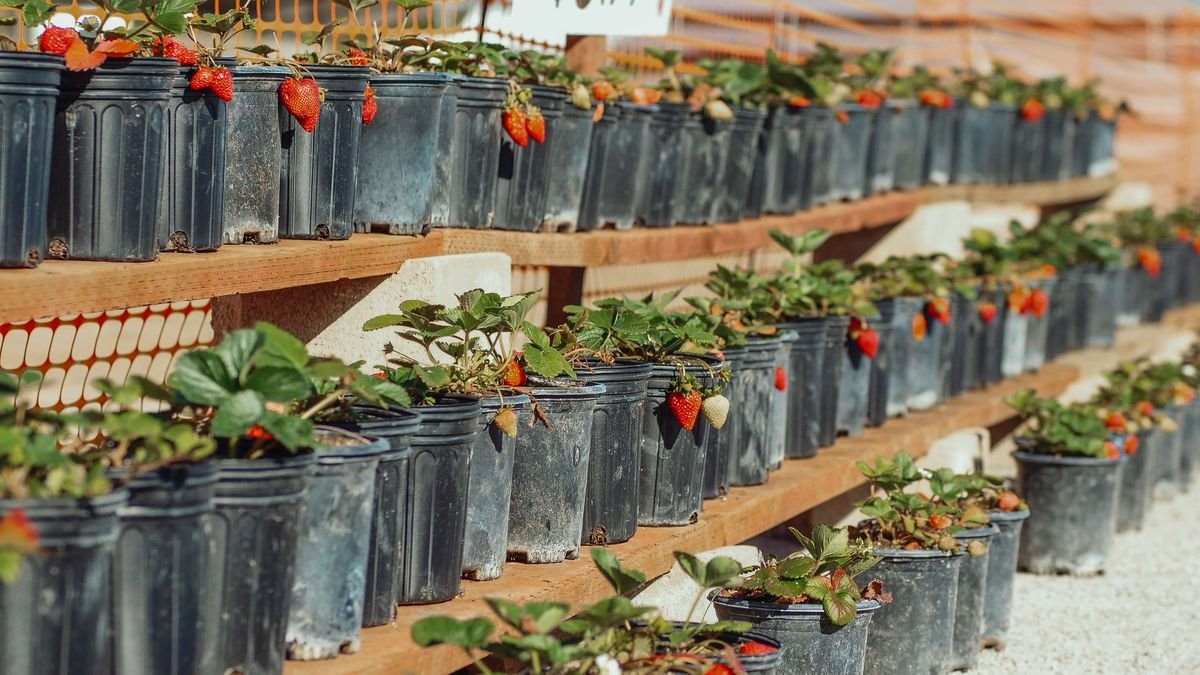
For young dwarf trees, start with a pot that measures twelve to fourteen inches across. As the tree matures over two or three years, step up to a container measuring eighteen to twenty inches in diameter.
Lightweight materials such as resin, fiberglass, or thick plastic are preferable to heavy terracotta. Lightweight pots make it easy to move the tree into the sunniest spots or wheel it onto a patio during warm weather.
Drainage and Root Health
Standing water is the fastest way to kill an indoor fruit tree.
Always ensure your chosen container has multiple drainage holes at the base. Place the container on a deep drip tray lined with clean pebbles or pot risers.
This setup keeps the bottom of the pot elevated above collected runoff water, preventing soggy roots and root rot.
Choosing the Right Soil Mix
Never use heavy garden soil or standard topsoil in your indoor containers.
Garden dirt compacts tightly inside pots, suffocating fragile feeder roots and choking off oxygen flow.
Use a premium, soilless potting mix enriched with coarse perlite, horticultural pumice, and aged compost. This combination holds just enough moisture while draining surplus water freely.
Feeding Your Indoor Fruit Plants
Container plants exhaust soil nutrients quickly because frequent watering leaches minerals out of the pot.
Fruit trees require regular nourishment containing balanced nitrogen, phosphorus, and potassium, along with key micronutrients like iron, zinc, and magnesium.
Apply a diluted, organic liquid fertilizer every two to three weeks during the active spring and summer growing period. Citrus plants benefit greatly from specialized citrus food with an acid-forming base.
Humidity and Temperature Balance
Most indoor fruit trees prefer comfortable room temperatures between sixty-five and seventy-five degrees Fahrenheit.
Protect your plants from freezing winter drafts near exterior doors and dry, scorching air blasts from heating vents.
Indoor winter air is frequently dry, which can cause flower drop. Run a small cool-mist humidifier near your trees or group several plants together on pebble trays to elevate local ambient humidity.
Pruning for Fruit Production
Pruning keeps your indoor fruit trees at a manageable height and encourages productive branching.
In early spring, trim back unruly branches that touch walls or block light from reaching the inner canopy.
Remove dead wood and cross branches that rub against each other. Thinning dense growth allows sunlight and fresh air to reach developing fruits evenly.
Common Pests and Simple Remedies
Spider mites, scale insects, and fungus gnats occasionally appear on indoor fruit trees.
Inspect the undersides of leaves and branch crotches weekly for signs of fine webbing or sticky residue.
Treat infestations early with insecticidal soap or pure cold-pressed neem oil spray. For fungus gnats, allow the top inch of potting soil to dry out between waterings and apply yellow sticky traps near the base.
Indoor Fruit Growing Readiness Assessment
Answer 4 quick questions to see your result