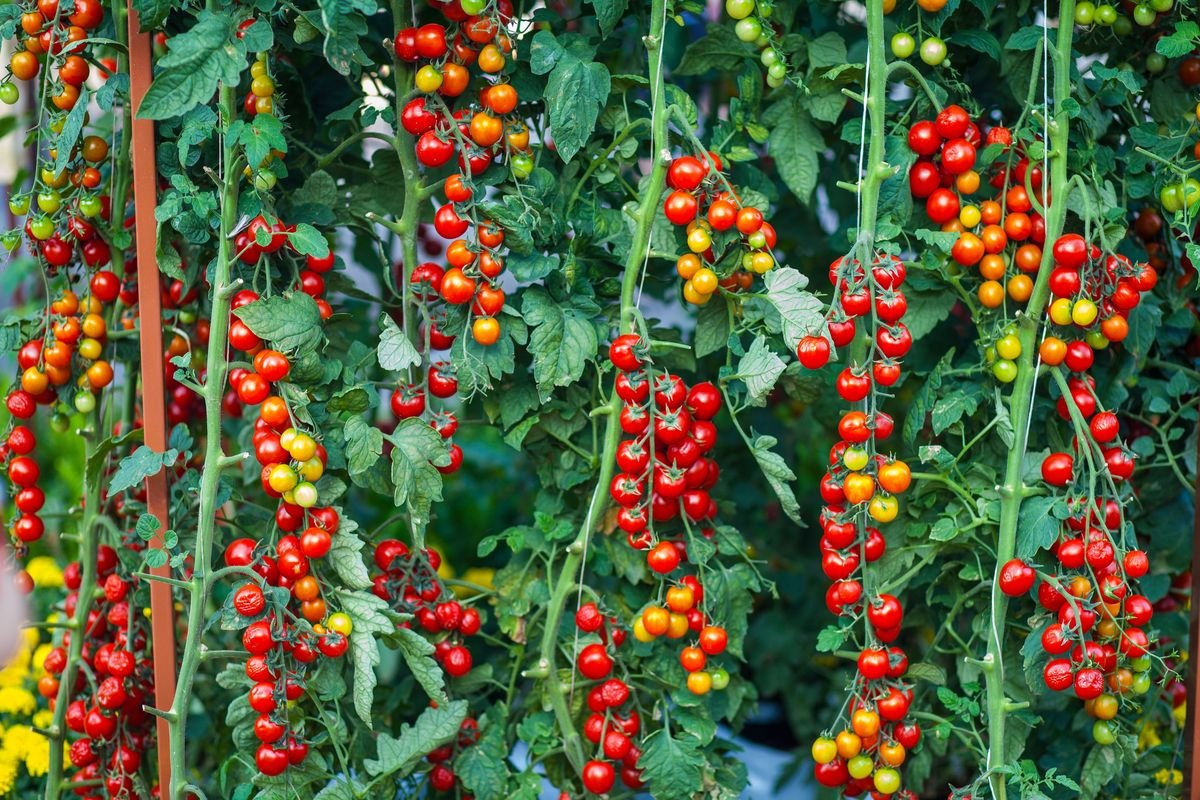
There is something magical about walking out to your backyard, harvesting a handful of ripe tomatoes, cutting fragrant sprigs of oregano and basil, and bringing them straight to your kitchen counter to build a homemade pizza from scratch. A pizza garden is one of the most rewarding themed vegetable projects you can undertake, whether you have an expansive rural plot, a collection of raised beds, or a compact patio setup with containers.
By gathering all the core sauce ingredients and savory toppings into one dedicated growing space, you simplify garden maintenance while elevating your weeknight dinners. In this guide, you will discover the best plant varieties to choose, how to prepare healthy soil, how to map out plant spacing, and the essential steps needed to turn your harvest into the ultimate garden-to-table pizza experience.
Core Vegetable Crops for Homemade Pizza
A great pizza starts with fresh, vibrant toppings that hold up well under high heat. When you select vegetable varieties for your garden, you want to focus on crops that offer concentrated flavor, pleasant textures, and reliable yields throughout the summer.
Vegetables grown in backyard soil develop complex sugars and aromatic oils that store-bought produce rarely matches. Investing your time into these staples ensures you always have a fresh pantry right outside your back door.
Sweet and Pungent Onions
Onions are an indispensable foundation for pizza toppings, offering everything from crisp pungency to rich caramelized sweetness. Depending on what style of pie you prefer, you can grow a few distinct types in the same bed.
Red onions, such as Red Burgundy or Cabernet, provide a sharp bite and vivid color when sliced paper-thin and scattered raw across a baked pie.
Yellow and white storage onions, like Walla Walla, Yellow Sweet Spanish, or Vidalia types, contain higher moisture and sugar contents. These varieties soften beautifully when roasted in a skillet or baked directly on the crust, turning golden and sweet as their natural sugars caramelize.
Sweet Bell Peppers
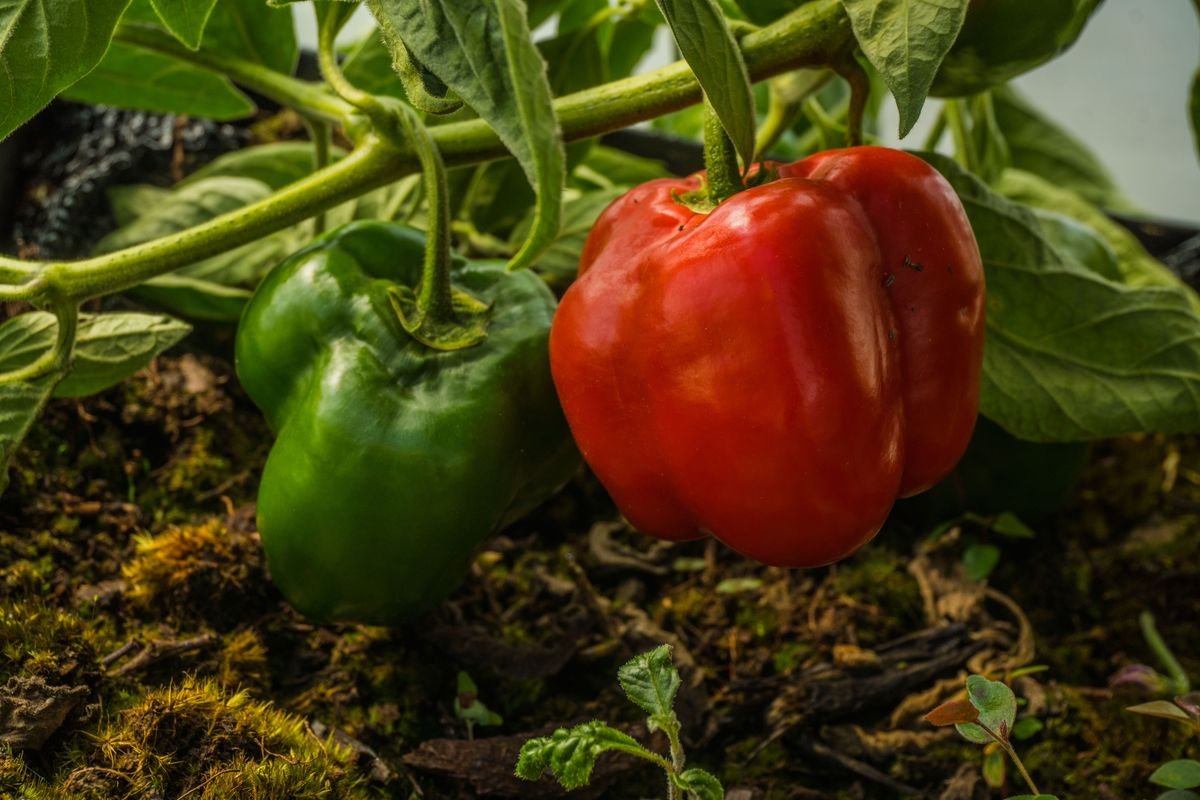
Bell peppers add a wonderful crunch, mild sweetness, and splash of bright color to any pizza topping combination. They thrive in warm summer weather and produce heavily once daytime temperatures consistently hover in the mid-seventies.
Standard varieties such as California Wonder, King of the North, or Sweet Chocolate start as firm green pods before ripening into brilliant shades of red, yellow, and deep orange.
Harvesting them at full color gives you the sweetest flavor and highest nutritional content, which balances the acidity of tomato sauce and the rich saltiness of mozzarella cheese.
Spicy Chili Peppers
If you enjoy a kick of heat on your pizza, dedicating a corner of your garden to hot peppers is essential. The heat level in peppers is measured in Scoville Heat Units, which tracks the concentration of capsaicin within the inner ribs and seeds of the fruit.
For moderate spice, jalapeño, serrano, and poblano peppers provide great flavor without overwhelming the rest of your ingredients.
If you prefer intense heat, cayenne or habanero varieties deliver a powerful punch. Thinly slicing fresh jalapeños before baking allows their oils to infuse into the melting cheese, creating a classic spicy finish.
Flavorful Paste Tomatoes
A rich, velvety pizza sauce requires tomatoes that have thick meaty flesh, dense walls, and minimal seed cavities. Standard salad tomatoes contain too much water, which can leave your pizza crust soggy and dilute the flavor of your sauce.
Paste tomatoes, also known as plum or roma types, are specifically bred for simmering down into concentrated sauces and pastes.
San Marzano is widely considered the gold standard for Italian pizza sauce due to its low acidity and sweet, complex flavor profile. Other exceptional heirloom paste varieties include Amish Paste, Roma VF, and Opalka, all of which produce heavy clusters of firm, sauce-ready fruit.
Juicy Slicing Tomatoes
While paste tomatoes handle sauce duties, large slicing tomatoes are wonderful when you want fresh, juicy slices layered directly over your crust for a Margherita or summer garden pizza.
Beefsteak varieties, such as Brandywine, Cherokee Purple, and Big Beef, produce wide, dense fruit that you can cut into thick rounds.
To prevent excess moisture from making your dough gummy, lightly salt your fresh tomato slices and let them drain on paper towels for ten minutes before placing them on top of the cheese.
Fresh Mushrooms for Savory Depth
Mushrooms bring an earthy, savory umami quality to pizzas that pairs effortlessly with melted cheese and fresh herbs. Unlike garden vegetables, mushrooms are fungi that grow from microscopic spores rather than seeds.
Mushrooms require low light, high humidity, and decaying organic substrates such as hardwood sawdust or pasteurized straw.
The most practical way to produce your own button, cremini, shiitake, or oyster mushrooms is to use an indoor inoculated fruiting kit. Keeping a mushroom block in a cool, shaded corner of your home or garage lets you harvest fresh caps on demand just before firing up the pizza oven.
Essential Herbs for Authentic Crust and Sauce
Herbs are the true aromatic heart of Italian cooking. Growing your own culinary herbs allows you to pick leaves at peak potency, capturing fragrant volatile oils that dry seasonings cannot replicate.
Herbs require very little space and thrive alongside your vegetables, making them ideal companion plants in beds or border pots.
Sweet Basil
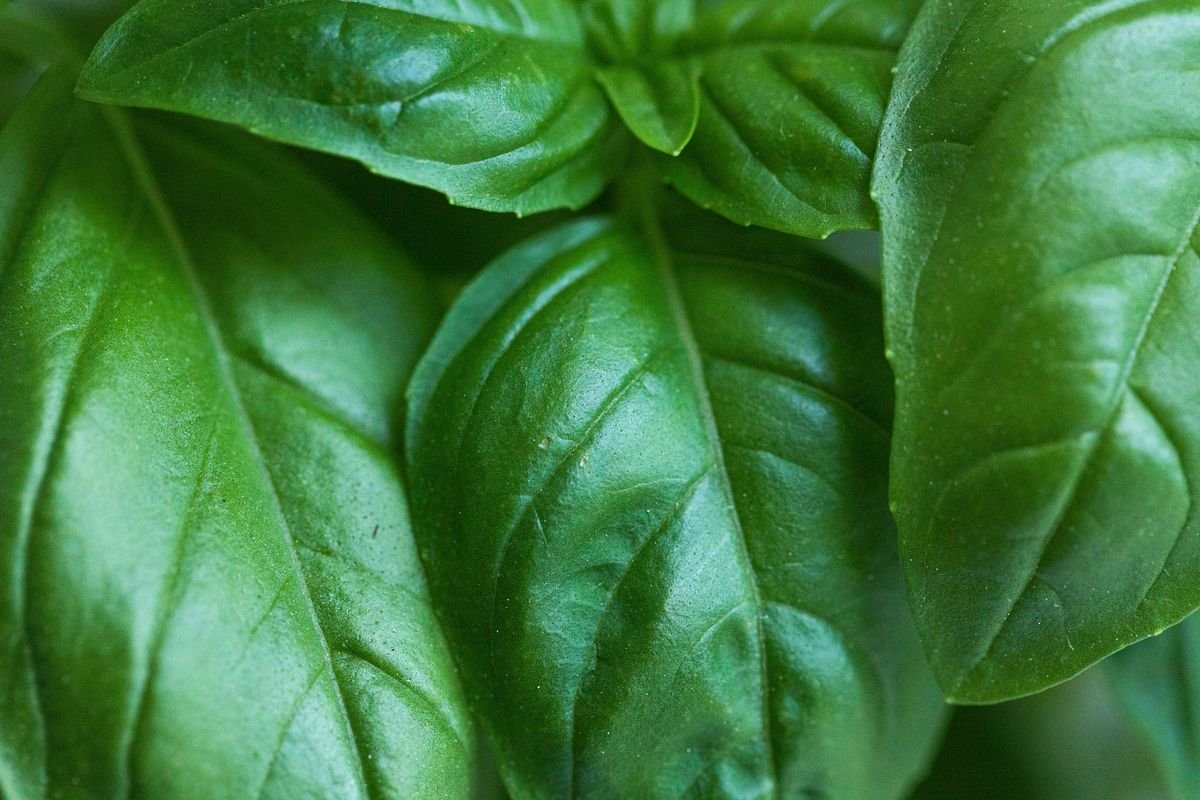
Genovese sweet basil is the undisputed star of pizza herbs. Its glossy green leaves carry notes of anise, clove, and pepper that define authentic Neapolitan pizza.
Basil can be simmered into your slow-cooked tomato base or torn by hand and scattered over the bubbling cheese immediately after the pizza leaves the oven.
To keep your basil plants producing fresh foliage all season, pinch off the top growing tips regularly and immediately remove any developing flower buds to prevent the leaves from turning bitter.
Greek and Italian Oregano
Oregano provides that unmistakable, robust pizzeria aroma that ties tomato sauce and cheese together. Greek oregano tends to be the most pungent and savory, while Italian oregano offers a slightly milder, sweeter undertone.
Oregano is a hardy perennial that forms spreading mats of fragrant foliage.
Its intense flavor holds up exceptionally well during high-temperature baking, so you can sprinkle finely chopped leaves directly onto the sauce layer before adding your cheese.
Pungent Fresh Garlic
Garlic adds punchy aroma and deep savory complexity to pizza sauces, marinades, and garlic-infused crust oils. Planting individual cloves in the autumn allows the bulb to establish strong roots over the winter and swell into fat, multi-clove heads by midsummer.
Hardneck varieties like Spanish Roja and German Extra Hardy produce easy-to-peel cloves along with delicious edible curly flower stalks called garlic scapes in late spring.
Crushing fresh cloves into warm extra virgin olive oil and brushing it along the outer crust before baking yields a crisp, aromatic rim.
Garden Thyme
Thyme offers subtle woodsy, floral notes that elevate mushroom toppings and white sauce pizzas. Common French and English thyme are woody perennials that produce tiny, aromatic leaves from spring through late autumn.
A light sprinkle of fresh thyme leaves over sautéed onions, mushrooms, and fontina cheese creates an elegant flavor balance.
Because thyme stays relatively compact, it makes an excellent front-row edging plant in your pizza garden bed.
Rosemary and Marjoram
Expanding your herb selection with rosemary and sweet marjoram gives you versatile blending options for specialty pizzas. Rosemary has sturdy needle-like foliage loaded with pine and citrus oils that pair wonderfully with potato slices, olive oil, and sea salt on focaccia-style pizzas.
Sweet marjoram looks similar to oregano but delivers a much softer, floral fragrance.
Using a blend of marjoram, oregano, and basil creates a balanced seasoning mix that elevates homemade tomato sauce.
Selecting the Best Site for Your Garden
The success of your pizza garden depends heavily on picking the right location in your yard. Fruiting vegetables like tomatoes and peppers demand substantial sunlight and good air circulation to produce healthy crops.
Take time to observe your property across several days before building your garden beds or laying down soil.
Assessing Direct Sunlight
Most pizza garden plants need at least six to eight hours of direct, unobstructed sunlight each day. Sunlight drives the photosynthetic energy required to set blossoms, ripen heavy fruit, and generate essential oils in your herbs.
Morning sunlight is particularly valuable because it quickly dries dew off foliage, reducing the likelihood of fungal diseases like powdery mildew and blight.
Avoid placing your garden directly beneath large shade trees, dense hedges, or under building overhangs that cast long afternoon shadows.
Evaluating Soil Quality and Drainage
Vegetable roots need a balance of moisture and oxygen to absorb nutrients effectively. Dense clay soils hold excess water and suffocate root systems, while excessively sandy soils let water and fertilizer drain away too quickly.
Test your soil drainage by digging a twelve-inch hole and filling it with water.
If the water drains away within two to three hours, your site has good drainage. If water remains standing after four hours, you will want to build raised beds or incorporate substantial organic matter to prevent root rot.
Preparing Your Soil and Bed Structure
Before placing a single transplant into the ground, putting effort into soil preparation will pay dividends in plant vigor and harvest size. Loosened, nutrient-rich soil allows tender roots to expand rapidly without resistance.
Clearing Weeds and Debris
Begin by stripping away any existing turfgrass, stubborn weeds, roots, and rocks from the designated growing area. Weeds compete aggressively with young vegetable starts for moisture, sunlight, and soil nutrients.
When removing perennial weeds like dandelions, bindweed, or thistle, dig deep with a hand trowel or garden fork to extract the entire taproot.
Discard weed roots rather than composting them, as many invasive varieties can easily regrow from small root fragments.
Loosening Packed Earth
Compaction prevents water infiltration and restricts root development. Use a broadfork, spading fork, or garden tiller to loosen the top ten to twelve inches of native earth.
Work through the plot when the soil is moderately damp, never when it is completely dry or soaking wet.
Tilling waterlogged soil damages its structure, creating hard clods that become nearly impossible for seedling roots to penetrate.
Adding Organic Soil Amendments
Garden vegetables are heavy feeders that pull large quantities of nitrogen, phosphorus, and potassium from the ground. Top-dressing your loosened bed with two to three inches of well-rotted compost, aged manure, or leaf mold replenishes vital fertility.
Organic compost also improves moisture retention in sandy soils and loosens the dense texture of heavy clay.
Mix the compost thoroughly into the top six inches of soil, and consider blending in a balanced organic slow-release vegetable fertilizer to provide steady nourishment throughout the growing season.
Leveling the Growing Area
An uneven garden surface causes irrigation water to run off high spots and accumulate in low depressions. This creates dry zones where crops wither and soggy zones where roots can drown.
Use a wide garden rake to break up small clods and smooth out the bed surface until it is flat and uniform.
If you are installing raised wooden or metal garden beds on a slope, dig out the high side of the frame so the top edge sits completely level.
Designing Your Pizza Garden Layout
A thoughtful planting layout ensures that every variety gets adequate sunlight, airflow, and space to mature without crowding its neighbors. You can organize your garden in classic straight rows, segmented square plots, or even a fun circular pizza-wheel design divided into triangular topping slices.
Arranging taller plants on the north or west side of the bed prevents them from casting shade over lower-growing crops.
Spacing Requirements for Tall Crops
Indeterminate tomato varieties continue growing, vining, and setting fruit until frost kills the plant, frequently reaching heights of six feet or more. These vigorous growers need sturdy stakes, heavy cages, or trellis netting, along with two to three feet of spacing between plants.
Determinate bush tomatoes grow to a fixed height of three to four feet and require slightly less space, typically eighteen to twenty-four inches apart.
Bell peppers and hot peppers grow as upright bushy shrubs that should be spaced eighteen inches apart to ensure good light penetration and allow room for easy harvesting.
Arranging Compact Herbs and Root Vegetables
Herbs and bulb crops fill out the edges and lower tiers of your pizza garden. Onions can be tucked closely together in rows, spaced roughly three to four inches apart for standard slicing bulbs or two inches apart for green scallions.
Basil thrives when planted alongside tomatoes, where its fragrance helps deter common garden pests while enjoying partial shelter from extreme midday heat.
Perennial herbs like oregano, thyme, and rosemary should be placed where they will not be disturbed during seasonal soil turnover, leaving them room to return year after year.
Planting and Ongoing Care Instructions
Once your soil is amended and your layout is established, it is time to get your hands in the dirt. Timing your planting after the last spring frost date protects sensitive warm-season crops from damaging cold snaps.
Transplanting Seedlings into the Bed
Dig holes slightly wider than the root balls of your seedling starts. For tomatoes, dig your planting hole deep enough to bury two-thirds of the stem, removing the lower leaves.
Tomatoes have the unique ability to produce adventitious roots all along their buried stems, creating an extensive, anchored root foundation.
Peppers and herbs, by contrast, should be planted at the exact same depth they were growing in their nursery pots to prevent stem rot.
Mulching and Watering Techniques
Spread a two-inch layer of clean straw, shredded leaves, or wood chips across the bare soil around your plants. Mulch conserves moisture, keeps soil temperatures steady, and prevents soil-borne fungal spores from splashing up onto tomato foliage during rainstorms.
Water deeply at the base of each plant once or twice a week rather than giving shallow daily sprinkles.
Deep watering encourages roots to grow downward into cooler soil layers, making your crops far more resilient against midsummer heat waves.
Harvesting Fresh Toppings for Pizza Night

Harvesting your crops at their peak ripeness unlocks the maximum culinary flavor for your pies. Pick tomatoes when they have turned completely red and yield slightly to gentle thumb pressure.
Snip fresh herbs in the morning just after the dew has evaporated, as this is when their aromatic essential oils are most concentrated.
Bring your fresh pickings straight to the kitchen, slice your vegetables, simmer your sauce, and enjoy the unmatched satisfaction of eating a handcrafted pizza grown entirely in your own backyard.
Is Your Yard Ready for a Pizza Garden?
Answer 4 quick questions to see your result