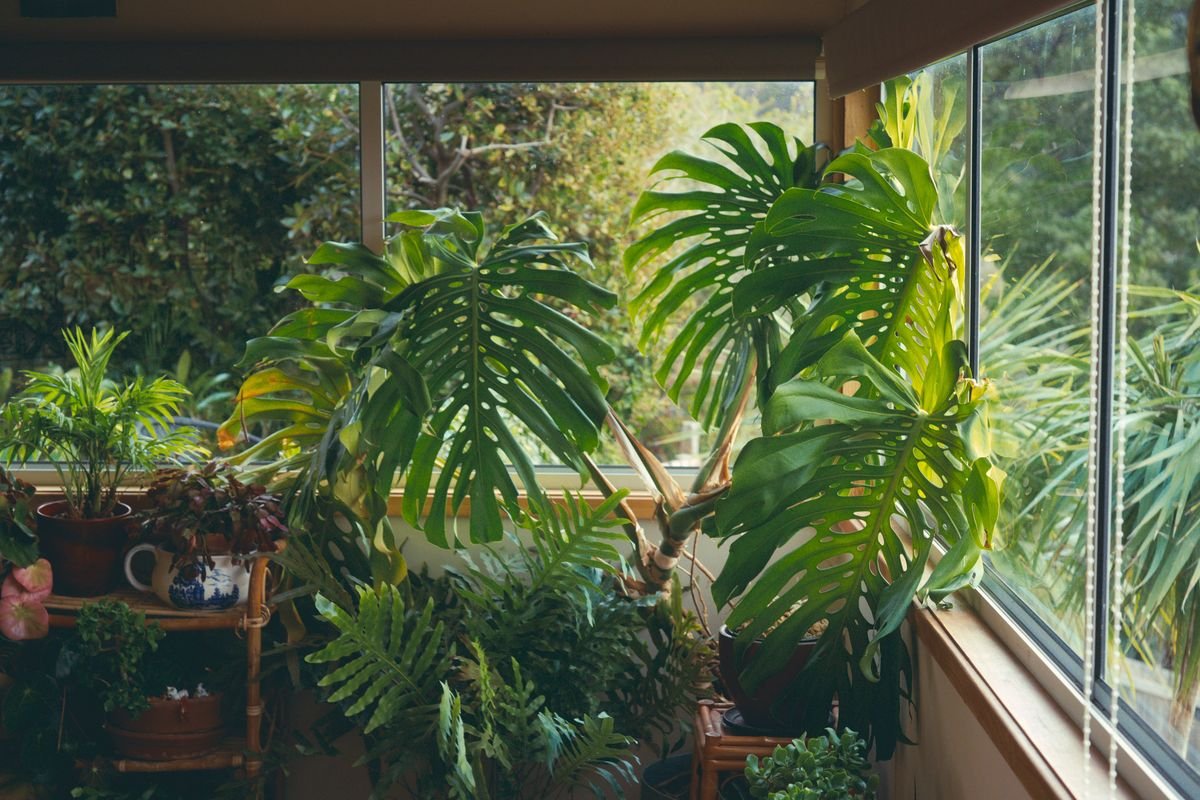
Monstera deliciosa is easily one of the most beloved houseplants in the world. Its bold split leaves bring a vibrant tropical energy into any indoor living space.
However, even the hardiest Monstera can run into severe trouble when hidden problems develop beneath the soil line. Root rot is a common and destructive fungal condition that quickly threatens the life of your favorite houseplant if left untreated.
Understanding Monstera Root Rot
Root rot is an underground disease caused by prolonged moisture and opportunistic fungal pathogens.
When soil stays waterlogged for too long, tiny air pockets collapse. Roots become completely deprived of oxygen, leading to rapid cell death.
Once the root tissue dies, decaying fungal organisms multiply rapidly. They consume the dead roots and quickly invade the surrounding healthy tissue.
How Root Rot Develops
The condition begins silently beneath the potting mix where you cannot easily see it.
Healthy roots that are normally firm and cream-colored start to soften. As the infection spreads, the root system loses its ability to pull moisture and nutrients up into the rest of the plant.
Without an active root system, the foliage above begins showing severe signs of stress and decay.
Common Causes of Root Rot
Many plant parents believe that root rot is caused solely by giving a plant water too frequently.
In reality, root rot results from a combination of environmental factors and care mistakes.
Understanding these triggers helps you identify where your care routine needs minor adjustments.
Pots Without Drainage Holes
Pots without adequate drainage holes are a primary trap for indoor monsteras.
When excess water has nowhere to escape, it settles at the bottom of the container. This creates a permanent reservoir of stagnant water that drowns lower roots.
Always ensure your decorative pots have functional drainage holes at the base.
Pots That Are Too Large
Moving a plant into an oversized pot can do more harm than good.
A large container holds a massive volume of potting soil that small root systems cannot quickly drain. That unused wet soil stays saturated for weeks at a time, suffocating delicate root hairs.
Heavy and Dense Soil
Standard potting mixes often contain too much peat or dense garden soil. These dense materials hold onto water for extended periods and become compacted over time.
Monstera roots are epiphytic by nature and require loose, airy soil to breathe.
Watering on a Strict Schedule
Watering your plants on a rigid calendar routine often leads to overwatering.
Environmental factors like temperature, seasonal changes, and humidity dictate how quickly soil dries out.
Always check soil moisture manually rather than pouring water on a set weekday.
Fungal Pathogens in Soil
Fungal spores from species like Pythium, Phytophthora, and Fusarium are naturally present in many soils.
These fungi stay dormant when soil is properly aerated and moist. They awaken and attack as soon as soil becomes continuously waterlogged.
Low Light Conditions
A plant kept in low light photosynthesizes at a much slower rate.
Because the plant processes water very slowly, the soil remains wet for a prolonged duration.
Placing your Monstera in bright, indirect light ensures it uses moisture efficiently.
Excessive Fertilizer Use
Feeding your Monstera too much synthetic fertilizer causes mineral salts to build up in the container.
These concentrated salts burn delicate root tips. The resulting open wounds make roots highly vulnerable to fungal invasion.
Signs of Monstera Root Rot
Detecting root rot early is the best way to save your Monstera.
Because roots are buried, you must learn to read the warning signs your plant displays above and below the soil surface.
Yellowing Lower Leaves
Yellow leaves are usually the first visible warning sign on the plant.
If the lower and older leaves turn a pale, sickly yellow while the soil is still wet, root damage is likely underway.
Brown and Black Leaf Spots
Root rot often produces dark brown or black patches on Monstera foliage.
These spots frequently appear in the center of the leaf or along the margins, often surrounded by a distinct yellow halo.
Drooping and Wilting Stems
It can feel confusing to see a plant wilt when its soil is soaking wet.
This happens because damaged roots can no longer absorb water to maintain turgor pressure in the stems, causing the plant to droop.
Stunted New Growth
A healthy Monstera actively unfurls new leaves during the spring and summer months.
If growth suddenly stops, or if emerging leaves turn black and die before opening, check the root system immediately.
Foul Odor from Pot
Decaying plant tissue produces a distinctive sour, moldy, or swamp-like odor.
If you notice an unpleasant smell coming from the drainage holes or the top of the soil, rot has taken hold.
Mushy and Fragile Roots
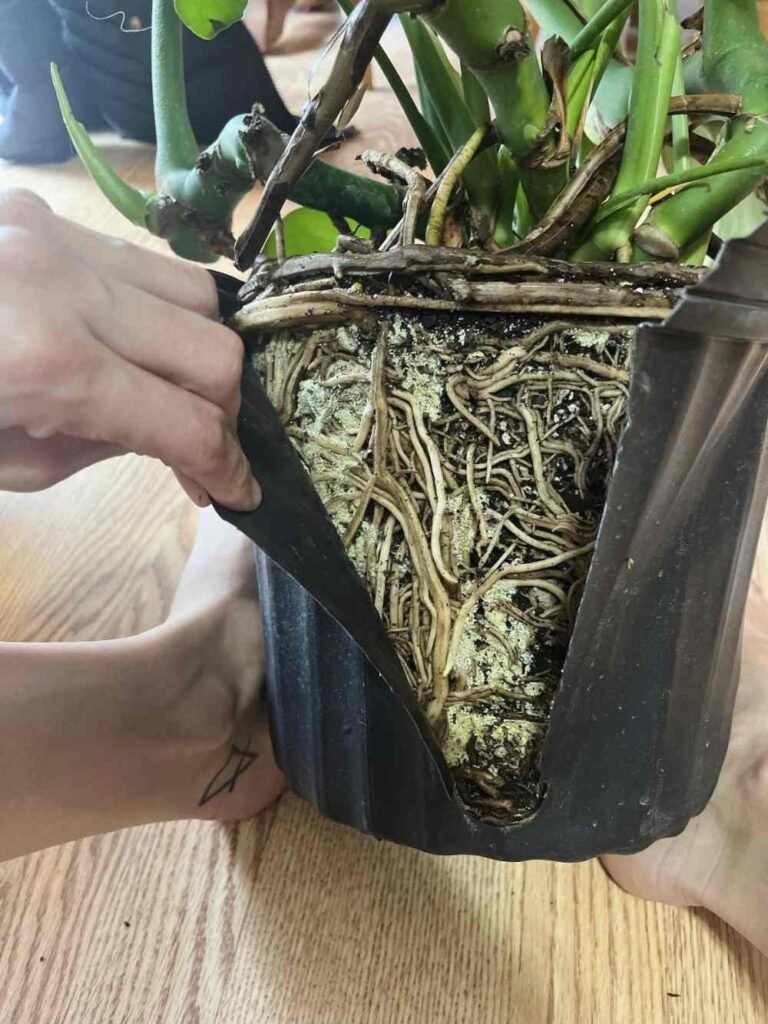
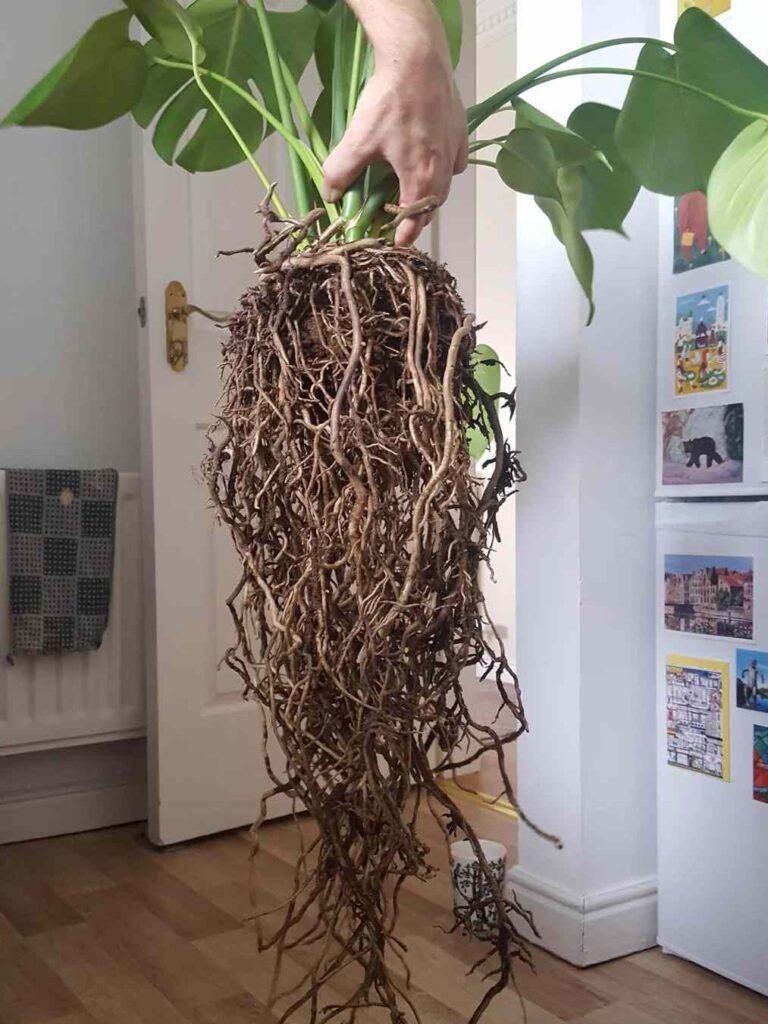
The most conclusive diagnosis comes from inspecting the underground root ball.
Healthy Monstera roots are firm, flexible, and light tan or white in color.
Rotten roots appear dark brown or black, feel slimy to the touch, and slip off easily when handled.
Step by Step Recovery Guide
If you confirm that your Monstera has root rot, do not panic.
With quick action and the right steps, many plants make a complete recovery.
Unpot the Plant Gently
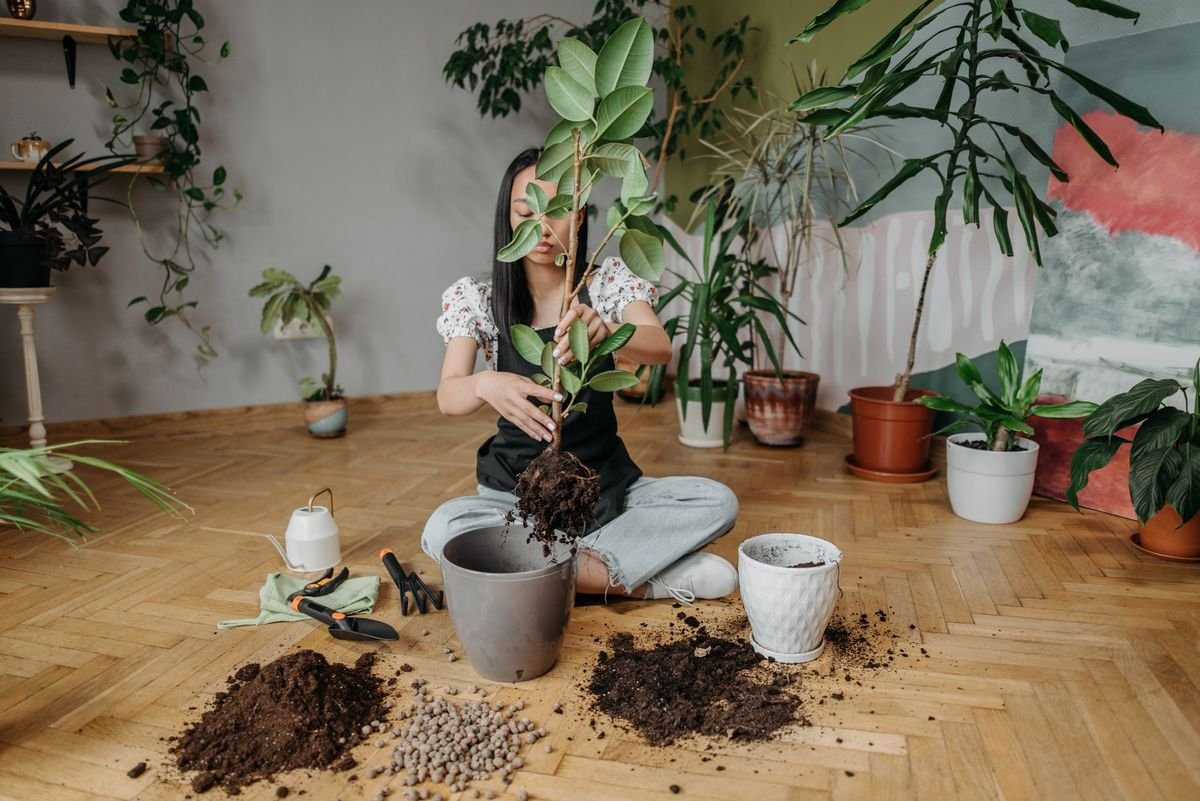
Carefully remove the Monstera from its container by supporting the base of the main stems.
Tip the pot sideways and ease the root ball out gently to avoid breaking fragile, healthy tissue.
Wash Away Old Soil
Rinse the root system thoroughly under room temperature running water.
Wash away as much of the infected soil as possible so you can clearly see every root branch.
Prune Rotten Roots
Use a pair of sharp pruning shears or scissors disinfected with rubbing alcohol.
Carefully cut away every mushy, black, or stringy root until only healthy, firm tissue remains.
Treat with Hydrogen Peroxide
Submerge or spray the remaining healthy roots with a diluted solution of three percent hydrogen peroxide mixed with water.
This treatment eliminates lingering fungal spores and oxygenates the root zone.
Disinfect the Container
If you plan to reuse the original pot, scrub it thoroughly with soap and hot water.
Rinse the pot with a solution of one part bleach to nine parts water to kill residual fungi.
Repot in Fresh Aroid Mix
Never reuse old soil from an infected plant. Pot your Monstera into a fresh, well-aerated potting mix.
An ideal mix combines high quality potting soil with equal parts perlite, orchid bark, and coarse pumice.
Prune Damaged Foliage
After trimming damaged roots, reduce the foliage to match the smaller root volume.
Cut away severely yellowed or spotted leaves so the plant can direct all its energy into growing new roots.
Preventing Future Root Rot
Prevention is always easier than treating an established fungal infection.
Establishing good watering habits and optimizing your plant environment keeps your Monstera thriving for years.
Check Soil Before Watering
Always insert your finger two to three inches into the potting mix before watering.
Only add water when the top half of the pot feels dry to the touch.
Provide Bright Light
Place your Monstera in a spot that receives plenty of bright, indirect sunlight daily.
Good light exposure speeds up water uptake and encourages vigorous root development.
Final Care Tips
Recovering from root rot takes time, so patience is essential during the rehabilitation period.
Avoid applying fertilizer for at least four to six weeks after repotting to prevent burning fragile new roots.
Keep the plant in a warm spot with moderate humidity, and your Monstera will soon reward you with healthy new leaves.
How Severe Is Your Monstera Root Rot?
Answer 4 quick questions to see your result