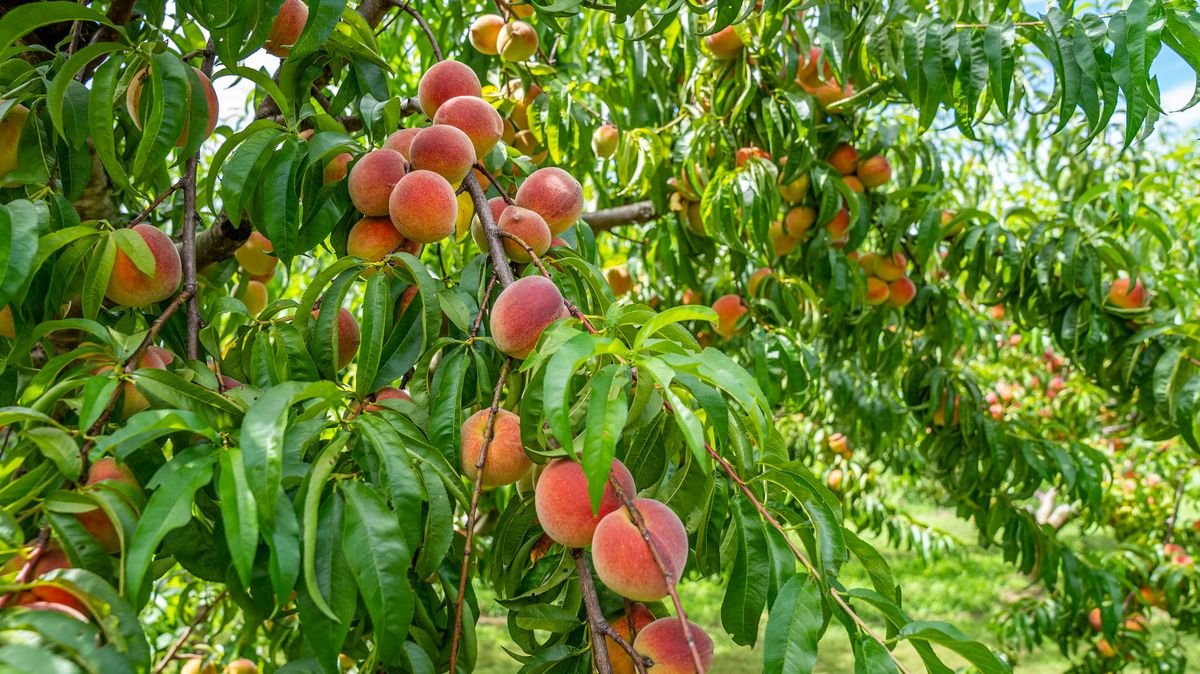
Nothing matches the incredible flavor of biting into a sun-warmed peach picked fresh from your own garden. The sweet juice and fragrant aroma make growing fruit trees one of the most rewarding projects any gardener can take on.
While peach trees have a reputation for needing extra attention, getting a bountiful harvest is entirely achievable. By choosing the right cultivar for your climate and giving it consistent care, you can enjoy baskets of ripe fruit every summer.
Understand Chill Hours
Peach trees require a specific amount of winter cold to break their dormancy and produce blossoms in spring. These cold periods are known among growers as chill hours.
Chill hours refer to the total number of cumulative hours between 32 and 45 degrees Fahrenheit during late fall and winter.
Most standard peach varieties require anywhere from 600 to 900 chill hours. If you live in a mild southern climate, you will need to look specifically for low-chill varieties that need only 150 to 400 hours. Planting a high-chill tree in a warm winter zone often results in weak leaf development and no fruit at all.
Select the Right Cultivar
Selecting a healthy variety suited to your growing zone is the foundation of long-term success. Most backyard growers buy bare-root or potted saplings from reputable local nurseries.
Popular cold-hardy varieties include Reliance and Contender, which can survive harsh northern winters and still produce heavy crops.
If you prefer classic, rich peach flavor, varieties like Redhaven and Elberta are timeless garden favorites. For small spaces, consider dwarf or columnar varieties that thrive in tight garden borders or large containers.
Pick a Sunny Planting Spot
Peach trees demand full sun to develop sweet fruit and stay healthy throughout the growing season.
Choose a location in your yard that receives at least six to eight hours of direct sunlight every day.
Adequate sunlight helps dry wet foliage quickly after morning rain or dew, significantly lowering the chance of fungal infections. Avoid planting your tree in low-lying pockets of your yard where cold air and late spring frosts tend to settle.
Check and Prepare Your Soil
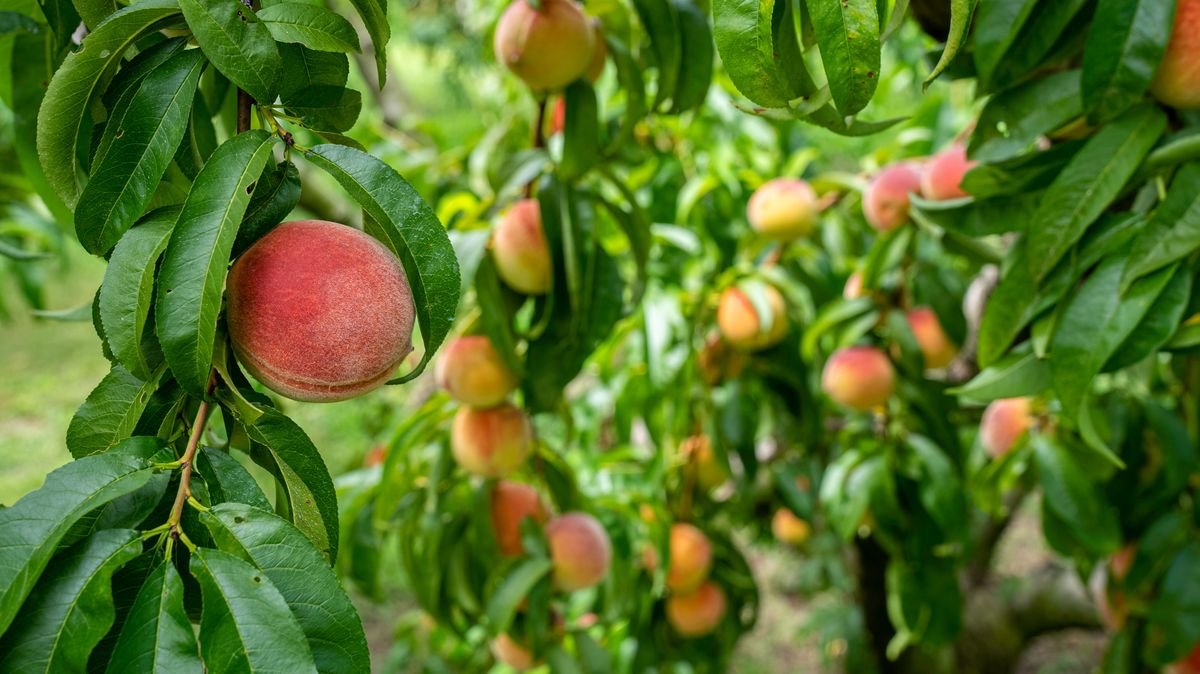
Proper drainage is critical when growing any stone fruit tree. Peach roots will rapidly develop root rot if they sit in waterlogged or heavy clay soil.
Aim for sandy loam soil with a slightly acidic to neutral pH between 6.0 and 6.5.
If your native soil is dense clay, amend the entire planting area with well-rotted compost to improve drainage. Building a raised mound or planting on a gentle slope can also prevent water from pooling around the root zone.
Dig the Planting Hole Correctly
Proper planting gives your young tree the best start in life. Dig a planting hole that is twice as wide as the root system but equal in depth to the root ball.
Loosening the surrounding soil gives delicate new roots room to spread outwards quickly.
Avoid digging the hole too deep. When soil settles over time, a tree planted too deeply can suffocate or suffer from trunk rot near the soil line.
Position and Plant the Tree
Set your peach tree in the center of the hole, spreading the roots outwards gently without bending or snapping them.
If you are planting a grafted tree, locate the visible bulge near the base of the trunk. Keep this graft union two to three inches above the surrounding ground level.
Backfill the hole with your native topsoil, firming it gently with your hands to remove large air pockets. Stake the tree securely if you live in a windy area, making sure the ties allow slight natural movement.
Water Young Peach Trees
Newly planted trees need consistent moisture while their root systems establish in the ground.
Give the tree a deep watering immediately after planting to settle the soil around the roots.
During the first growing season, water your tree deeply once or twice a week when rainfall is low. Aim to moisten the root zone thoroughly rather than giving frequent shallow sprinkles that encourage weak surface roots.
Mulch to Protect Shallow Roots
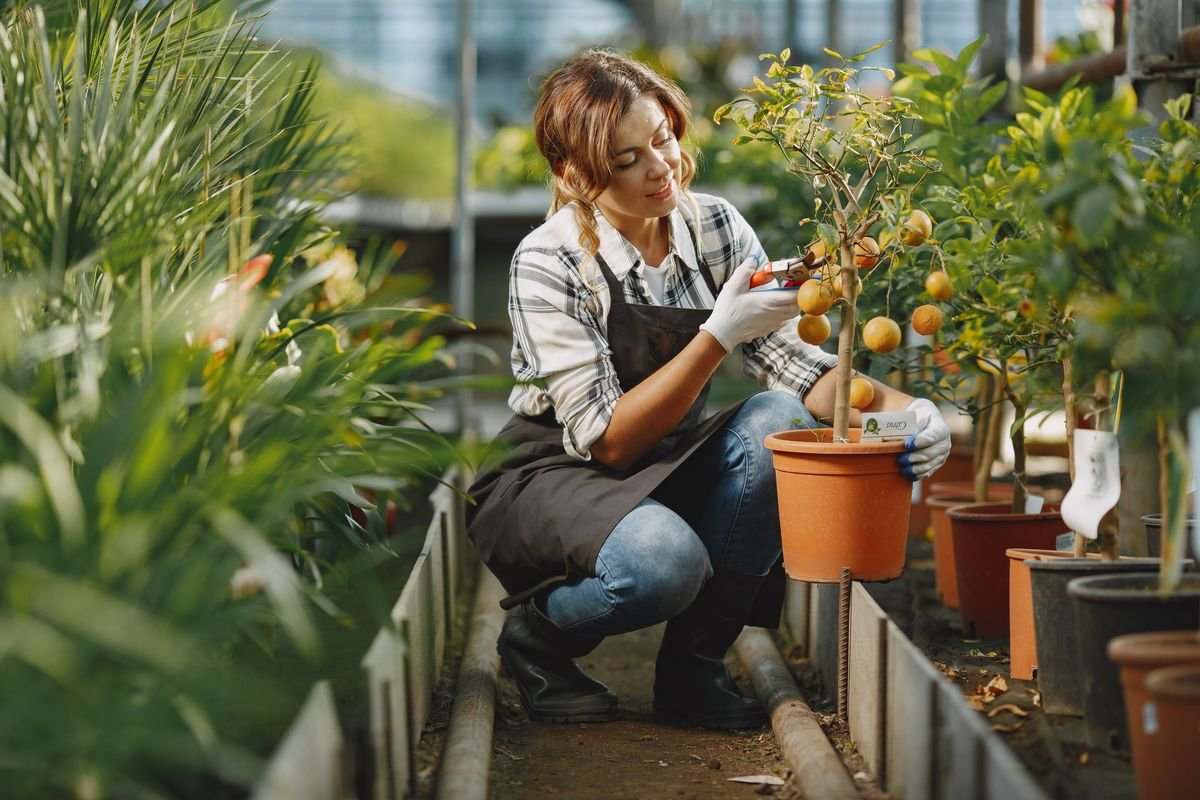
Applying a layer of organic mulch helps retain soil moisture and stabilizes root temperatures during hot summer days.
Spread a three-inch layer of wood chips, shredded bark, or compost over the root zone.
Keep the mulch pulled back about four inches away from the tree trunk. Piling mulch directly against the bark traps moisture and creates a welcoming environment for wood-boring insects and fungal decay.
Prune for Better Fruit Yield
Peach trees produce fruit exclusively on one-year-old wood, making annual pruning essential for regular harvests.
Prune your tree in late winter or early spring while it is still dormant, just before bud break.
Train the tree into an open center or vase shape with three to five main scaffolding branches. This open framework allows plenty of sunlight and air to reach the center of the canopy, ripening the fruit evenly and reducing pest issues.
Thin Fruit for Sweeter Peaches
Peach trees often set far more fruit than their branches can safely support.
Thin your crop about four to six weeks after flowering, when the young peaches are about the size of a marble.
Space the remaining fruits roughly six to eight inches apart along each branch. Thinning prevents heavy branches from snapping under the load and ensures the remaining peaches grow to a full, juicy size.
Prevent Common Pests and Diseases
Keeping your tree vigorous is the best defense against common backyard orchard problems.
Watch out for peach leaf curl, a common fungal issue that causes leaves to thicken, pucker, and turn reddish in spring.
Apply a dormant copper spray or lime-sulfur fungicide in late autumn or late winter before buds begin to swell. Install physical trunk guards or beneficial nematodes around the base of the tree to deter destructive peach tree borers.
Harvest at Peak Ripeness
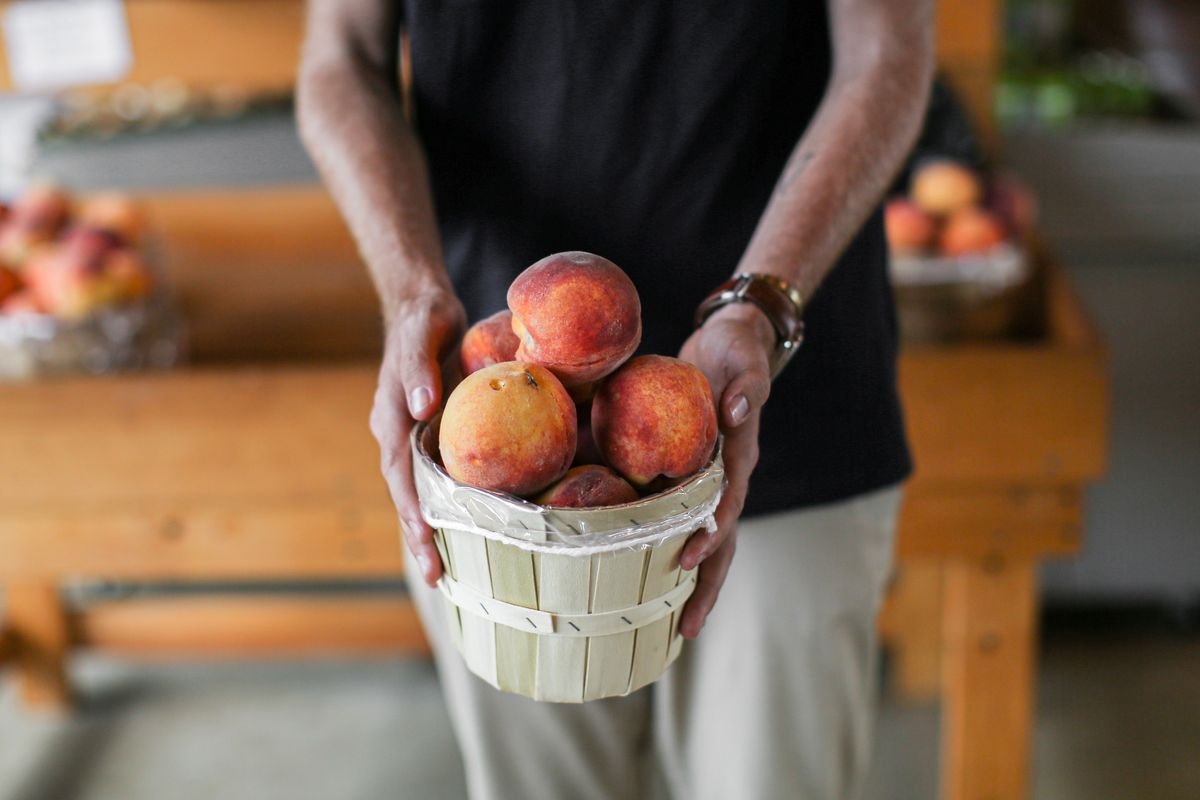
Peaches develop their best flavor and sugar content when left to ripen completely on the tree.
Look for fruit where the green background color has fully turned to a warm yellow, cream, or golden hue.
To pick a ripe peach, cup it in your hand and give it a gentle upward twist. A mature peach will separate easily from the branch without tugging. Enjoy your harvest fresh, preserve it in jams, or bake it into rustic summer pies.
Is Your Yard Ready for a Peach Tree?
Answer 4 quick questions to see your result