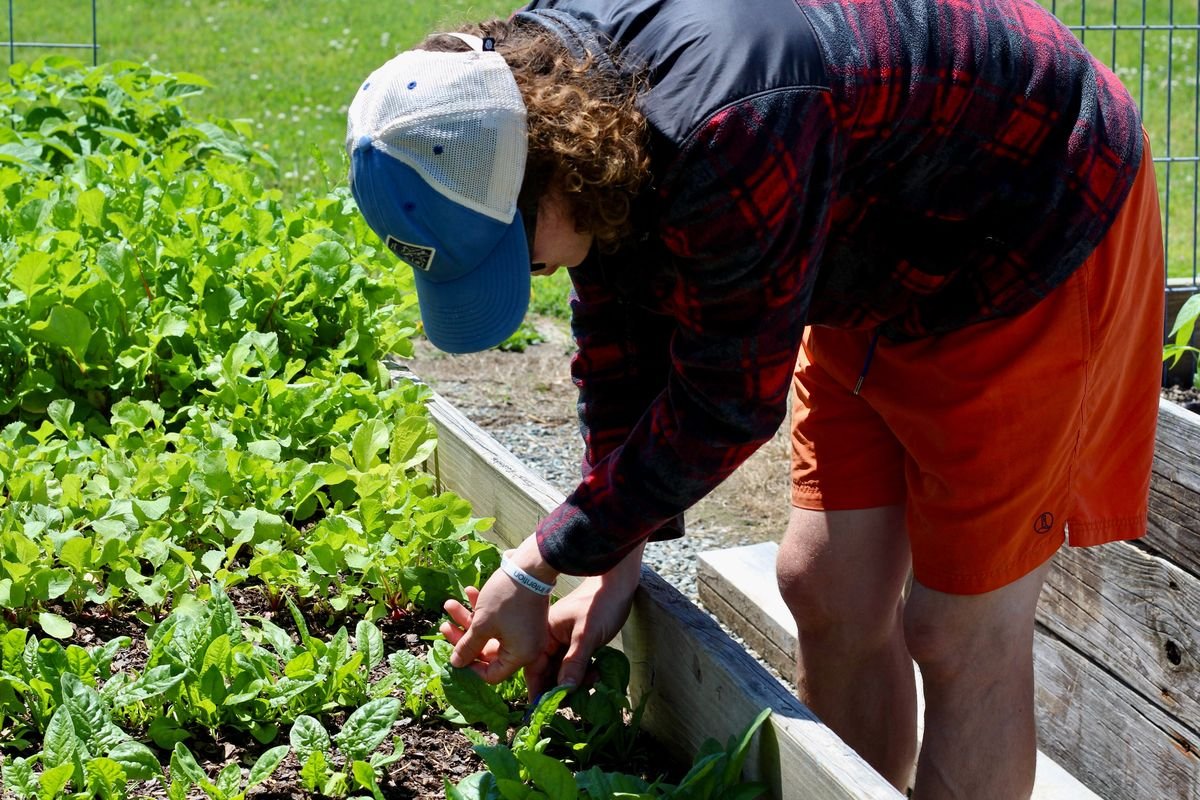
Finding time to grow your own fresh food can feel impossible when life gets hectic. Between work, family, and endless home tasks, spending hours pulling weeds or tilling dirt sounds completely exhausting.
The good news is that you do not need hours of free time to enjoy a productive food garden. With smart plant choices and simple layout shortcuts, fifteen focused minutes a day is more than enough to grow a steady supply of fresh vegetables, herbs, and salad greens.
Why Fifteen Minutes Is Plenty of Time
Gardening often carries an unfair reputation for being an exhausting, all-day commitment. Traditional gardening methods that rely on deep digging, massive open plots, and complex trellises demand constant attention.
When you scale down your growing space and automate routine tasks, your daily workload drops dramatically.
Spending a quick fifteen minutes each morning checking soil moisture, pulling a stray weed, or snipping fresh leaves prevents small issues from turning into massive weekend chores.
Fast Growing Salad Greens
Leafy vegetables are among the easiest and fastest crops you can grow. They offer quick rewards and allow you to harvest repeatedly throughout the season.
Because greens grow so quickly, they require far less overall maintenance than slow-maturing root crops or large fruiting plants.
Microgreens for Instant Gratification
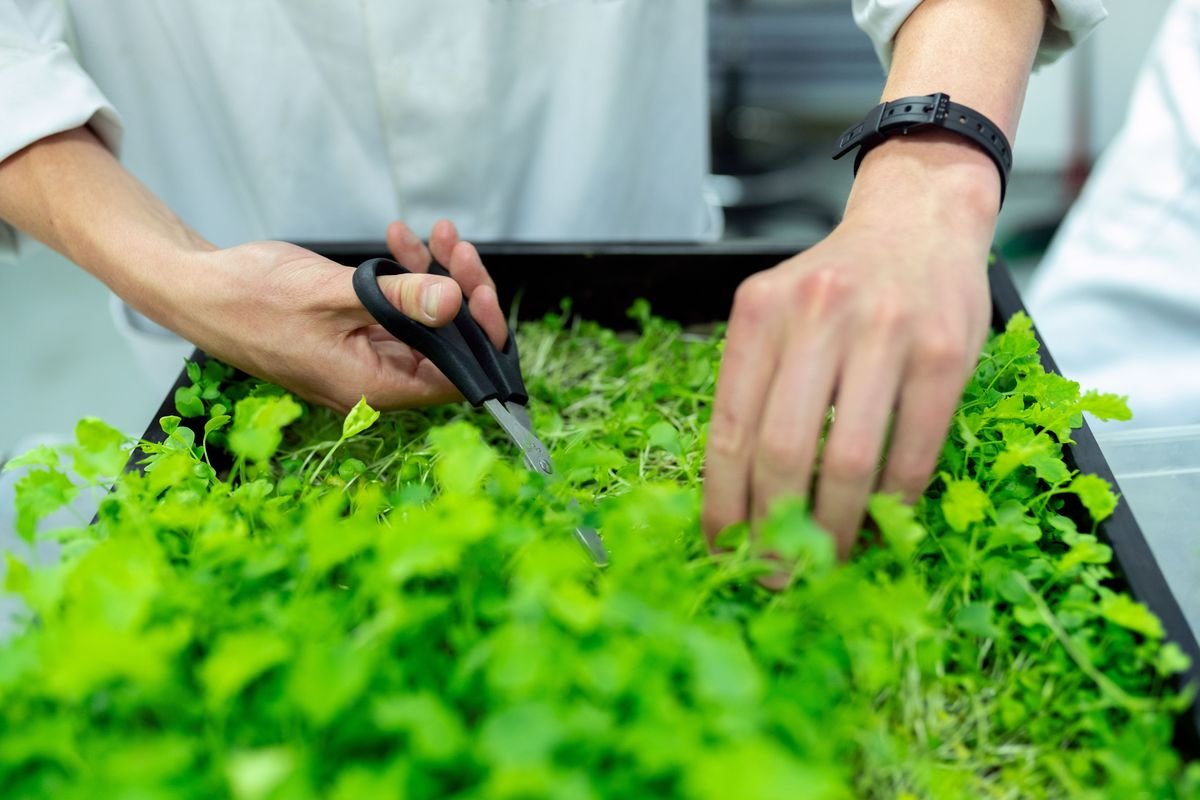
Microgreens are young vegetable seedlings that you harvest just after their first true leaves appear.
They pack intense flavor and high nutritional value into tiny sprouts. You can grow them in shallow trays on a sunny windowsill, on your porch, or right beside your kitchen sink.
Most microgreen varieties, such as broccoli, radish, and sunflower sprouts, are ready to harvest in as little as ten to fourteen days from planting.
Crisp Radishes in Record Time
Radishes are legendary among gardeners for their rapid growth cycle.
Certain varieties, such as French Breakfast or Cherry Belle, go from dry seed to crisp root in only twenty-one to thirty days.
They need very little care beyond consistent moisture and loose soil. You can sow a short row every two weeks to guarantee a continuous harvest with minimal effort.
Loose Leaf Lettuce and Spinach
Head lettuce takes months to form, but loose-leaf lettuce varieties let you harvest individual outer leaves as needed.
Spinach follows the same rule. Instead of pulling the entire plant, you simply clip off what you need for dinner, and the plant continues growing new leaves from the center.
This cut-and-come-again method saves planting time and keeps your salad bowl full for weeks on end.
High Yield Summer Vegetables
If you want heavy production with little intervention, choose plants that produce abundant fruit from a single stalk.
These generous producers reward minimal daily attention with basketfuls of food throughout the heat of summer.
Bush Zucchini and Summer Squash
Summer squashes and bush zucchinis are famously prolific. Planting just one or two hills will provide plenty of produce for an entire household.
Bush varieties stay compact, which makes them ideal for small raised beds or large pots. Once established, their broad leaves shade out competing weeds and retain ground moisture, cutting down your weeding time to almost zero.
Compact Cherry Tomatoes
Indeterminate heirloom tomatoes require heavy staking, continuous pruning, and constant tying. In contrast, determinate bush cherry tomatoes stay tidy and manage themselves.
Varieties like Tiny Tim, Patio Choice, or Tumbling Tom grow happily in hanging baskets or patio containers. They churn out sweet, bite-sized fruit without demanding complicated trellising or daily sucker pruning.
Low Effort Potted Herbs and Chilies
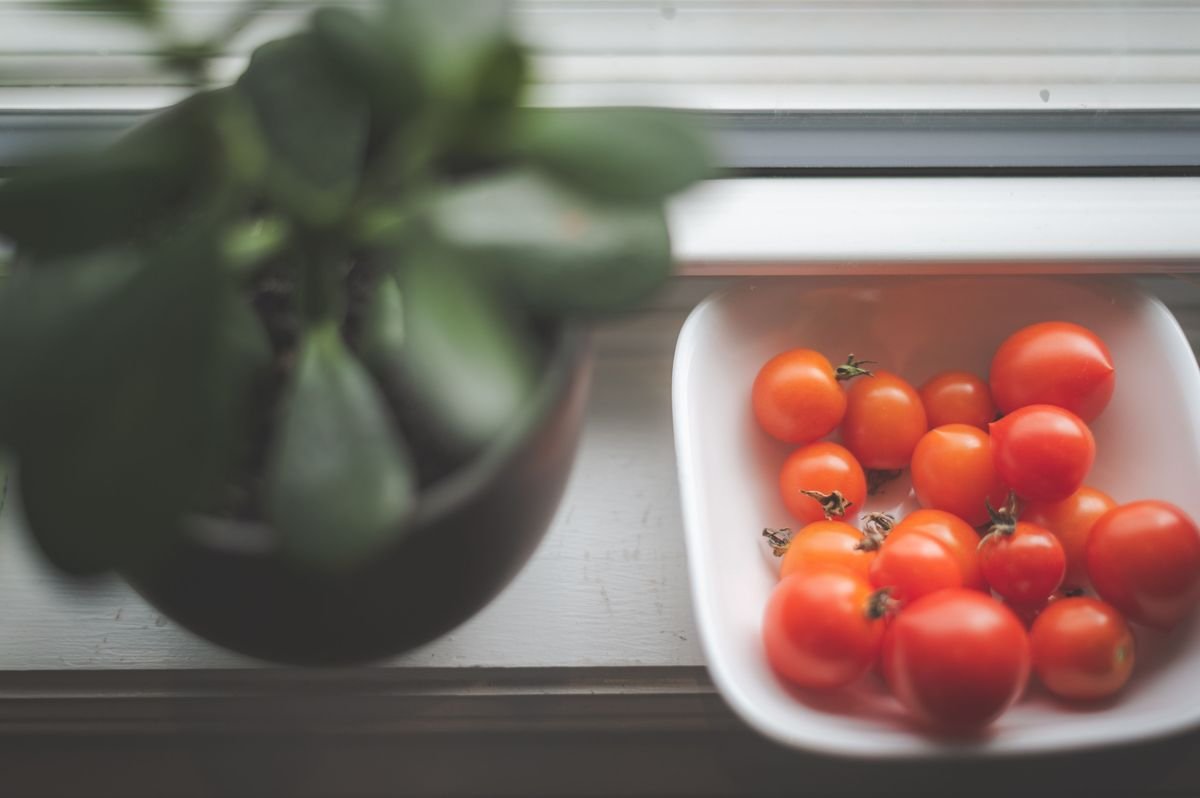
Herbs and chili peppers provide big culinary impact while asking for very little maintenance in return.
They tolerate heat well, survive occasional dry spells, and thrive in standard potting containers.
Hardy Kitchen Window Herbs
Perennial herbs like rosemary, thyme, oregano, and chives practically take care of themselves once established.
Annual herbs such as basil and cilantro grow rapidly from seed and love bright light. Keeping these herbs in small pots near your cooking area makes watering simple and harvesting instantaneous.
Hot Peppers in Small Containers
Hot chili peppers are remarkably resilient plants that actually thrive when slightly neglected.
Overwatering peppers can dilute their heat and weaken their root systems. Letting the soil dry out slightly between waterings produces hotter peppers and saves you from daily irrigation tasks.
A single jalapeño or cayenne plant in a five-gallon container can produce dozens of peppers across several months.
Time Saving Strategies for Garden Beds
Working smarter in the garden is all about setting up systems that do the heavy lifting for you.
A few clever design choices will eliminate the most grueling gardening tasks forever.
The Simple Power of No Dig Methods
Traditional tilling disrupts the soil ecosystem, destroys earthworm tunnels, and brings dormant weed seeds to the surface.
No-dig gardening solves this problem completely. Instead of turning the ground, you simply layer organic compost and well-rotted manure directly on top of the soil.
Over time, worms and beneficial microbes incorporate the organic matter naturally. The result is fertile, weed-free soil that stays loose without any backbreaking physical labor.
Heavy Mulching to Stop Weeds
Mulch is the busy gardener’s secret weapon. Spreading a three-inch layer of straw, wood chips, shredded leaves, or grass clippings over your soil provides several massive benefits:- It blocks sunlight, which prevents weed seeds from germinating.
- It locks in soil moisture, drastically cutting your watering frequency.
- It cools root zones during hot weather and breaks down into rich nutrients.
Keeping Your Plants Close to the Kitchen
Location is one of the most overlooked factors in gardening efficiency.
If your vegetable patch is hidden at the far end of the yard, you are much less likely to check on it regularly. Plant your most demanding crops right next to your back door, along your daily walkway, or on your patio.
When your plants are within arm’s reach, quick five-minute inspections happen naturally as you step outside for morning coffee.
Automated Drip Lines and Soaker Hoses
Standing with a hose for thirty minutes every evening eats up valuable time.
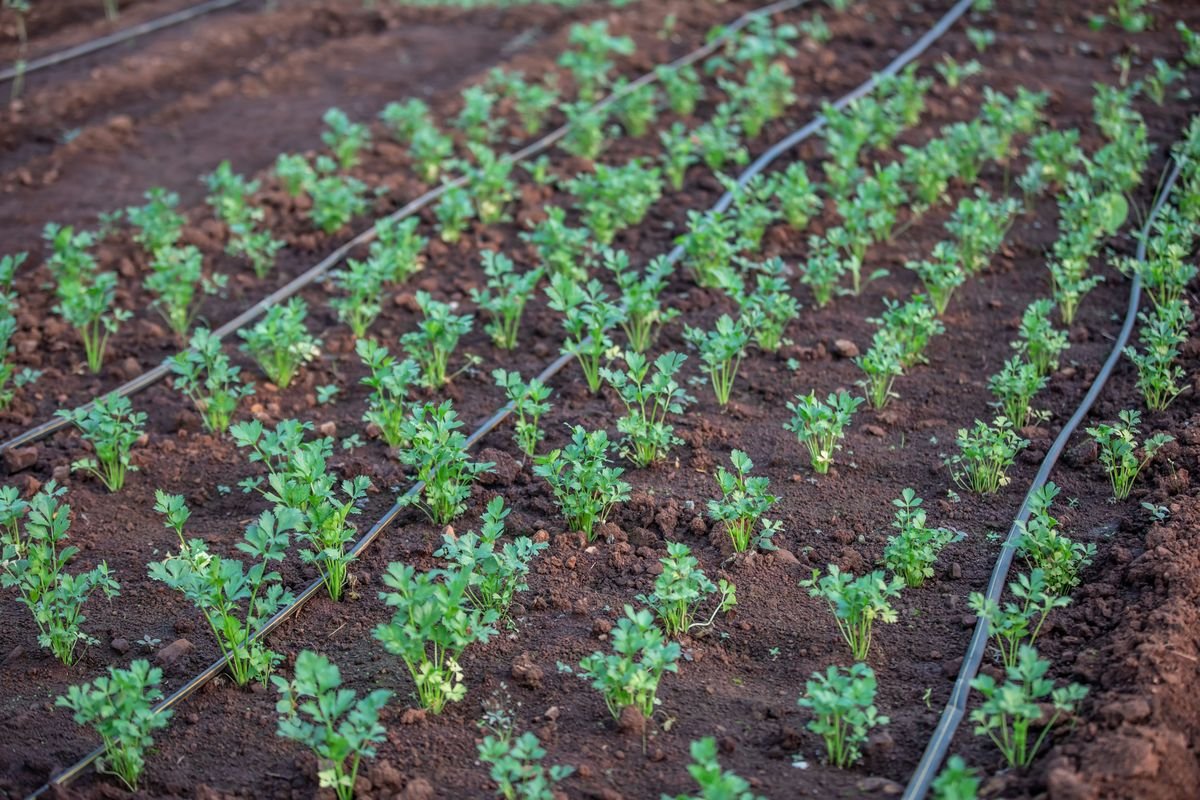
Installing a basic drip irrigation kit or soaker hose connected to an inexpensive battery timer automates your watering schedule entirely.
Drip systems deliver water directly to the plant roots, which minimizes evaporation and keeps foliage dry to prevent fungal leaf diseases.
Creating a Daily Fifteen Minute Routine
- Monday: Quick pest check under leaves and snip ripe produce.
- Tuesday: Inspect irrigation lines and check moisture levels.
- Wednesday: Pull any stray weeds poking through the mulch layer.
- Thursday: Harvest salad greens and culinary herbs for dinner.
- Friday: Add a handful of fresh compost to empty planting spots.
- Weekend: Plant a succession batch of fast seeds or relax and enjoy your harvest.
How Well Is Your Garden Built for a Busy Schedule?
Answer 4 quick questions to see your result