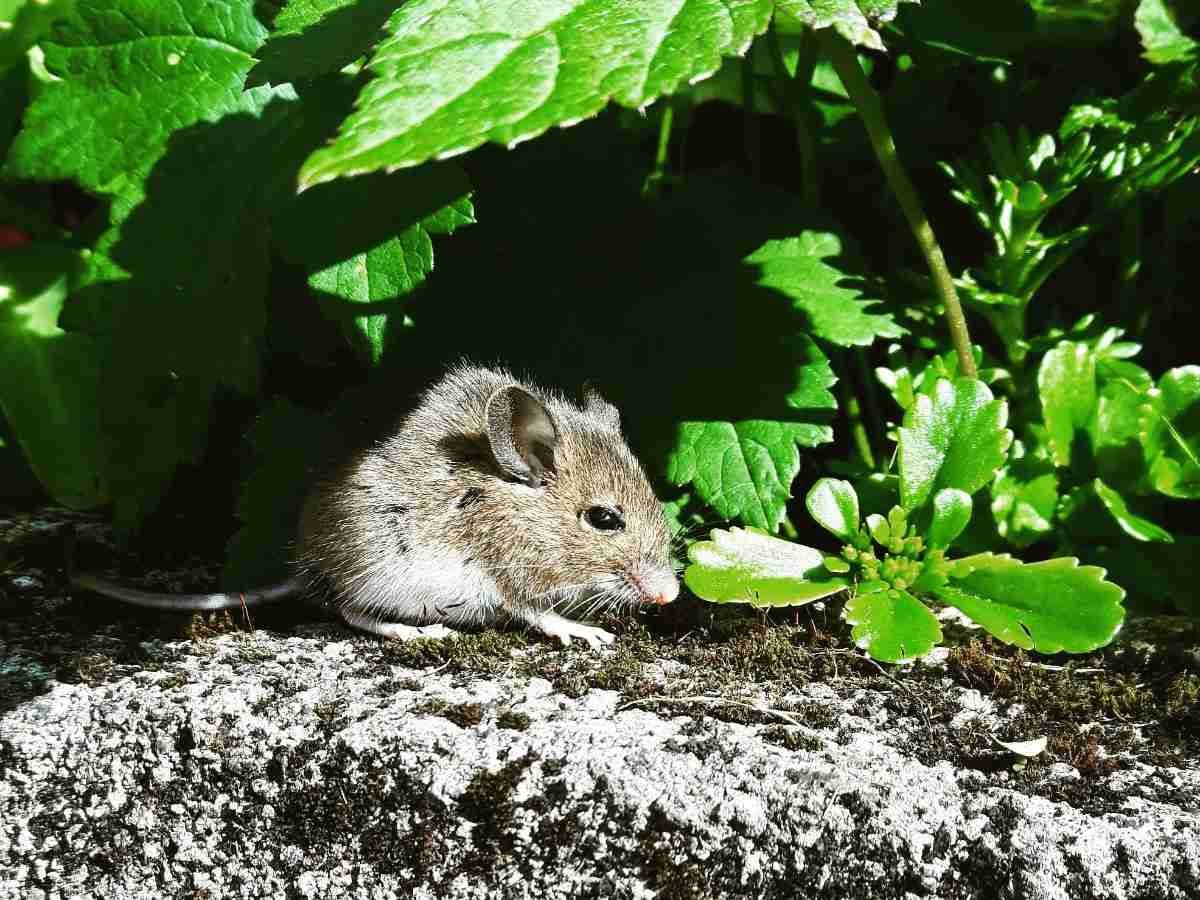
Dealing with mice in your garden can be an exceptionally frustrating experience for any grower. You spend weeks nurturing tender seedlings, tending to heirloom tomatoes, and building rich, fertile soil, only to discover chewed stems, hollowed-out root vegetables, and small burrows scattered across your planting beds.
While chemical rodenticides might seem like an easy fix, they present severe risks to household pets, beneficial garden wildlife, soil microorganisms, and your edible harvest. Learning how to manage garden mice naturally allows you to protect your crops while maintaining a healthy, balanced, and organic outdoor ecosystem.
Recognizing Signs of Mice in Your Garden
Before you take action against rodent pests, you must confirm that mice are indeed the culprits behind the damage in your yard. Several common garden visitors, including voles, chipmunks, squirrels, and rats, leave behind similar signs of destruction.
Mice are small rodents that typically weigh less than an ounce, but their rapid metabolisms and prolific breeding habits make them formidable garden pests.
Here are the most common signs of mouse activity in outdoor spaces:
- Clean, small bite marks on low-hanging fruits, berries, and root vegetables
- Hollowed-out squash, pumpkins, and melons resting on the soil surface
- Smooth, pencil-thin burrows near the base of garden beds, rock walls, and compost heaps
- Small, dark, spindle-shaped droppings measuring about a quarter of an inch long along garden borders
- Disturbed mulch piles and missing newly planted seeds in neat furrows
- Torn leaves and stripped stems used as nesting material in sheltered corners
Unlike voles, which primarily feed on plant roots and leave shallow surface runways through grass, mice tend to target seeds, tender young shoots, fallen fruit, and above-ground plant tissue.
Recognizing these differences ensures that your control measures target the right pest directly from the start.
Common Reasons Mice Love Garden Beds
Gardens provide an ideal habitat for mice because they supply everything a small mammal needs to survive and reproduce: food, water, and shelter.
Vegetable patches offer a steady buffet of nutrient-dense produce throughout the growing season.
Raised beds filled with light, loose, organic soil make digging burrows effortless compared to compacted clay lawns.
Dense canopies of squash leaves, sprawling strawberry runners, and thick layers of straw mulch shield mice from aerial predators like hawks and owls.
Water sources are also abundant in well-maintained gardens.
Drip irrigation lines, leaky hose connections, shallow bird baths, and moist soil pockets give mice easy access to hydration.
When winter approaches, mice frequently move closer to garden sheds, greenhouses, and residential foundations where thermal warmth and stored seeds offer reliable winter sustenance.
Clear Fallen Fruit and Seeds Regularly
One of the most effective natural steps you can take is eliminating secondary food sources that draw rodents into your growing area.
Overripe fruit that drops from orchard trees or berry bushes sends a potent scent into the surrounding area, signaling a feast for local rodent populations.
Make it a daily habit to collect windfall apples, pears, plums, and dropped berries before sunset, as mice do most of their foraging under the cover of darkness.
Bird feeders are another primary attractant that gardeners frequently overlook.
Standard seed mixes contain millet, sunflower seeds, and cracked corn, which spill onto the ground as wild birds feed.
This continuous shower of grain creates an all-you-can-eat station for mice right beside your garden.
Consider replacing broadcast seed feeders with no-waste suet blocks, or place deep catch trays underneath feeders to stop seeds from reaching the turf.
During peak mouse activity, taking bird feeders down entirely for three to four weeks encourages rodents to relocate.
Manage Your Compost Pile Carefully
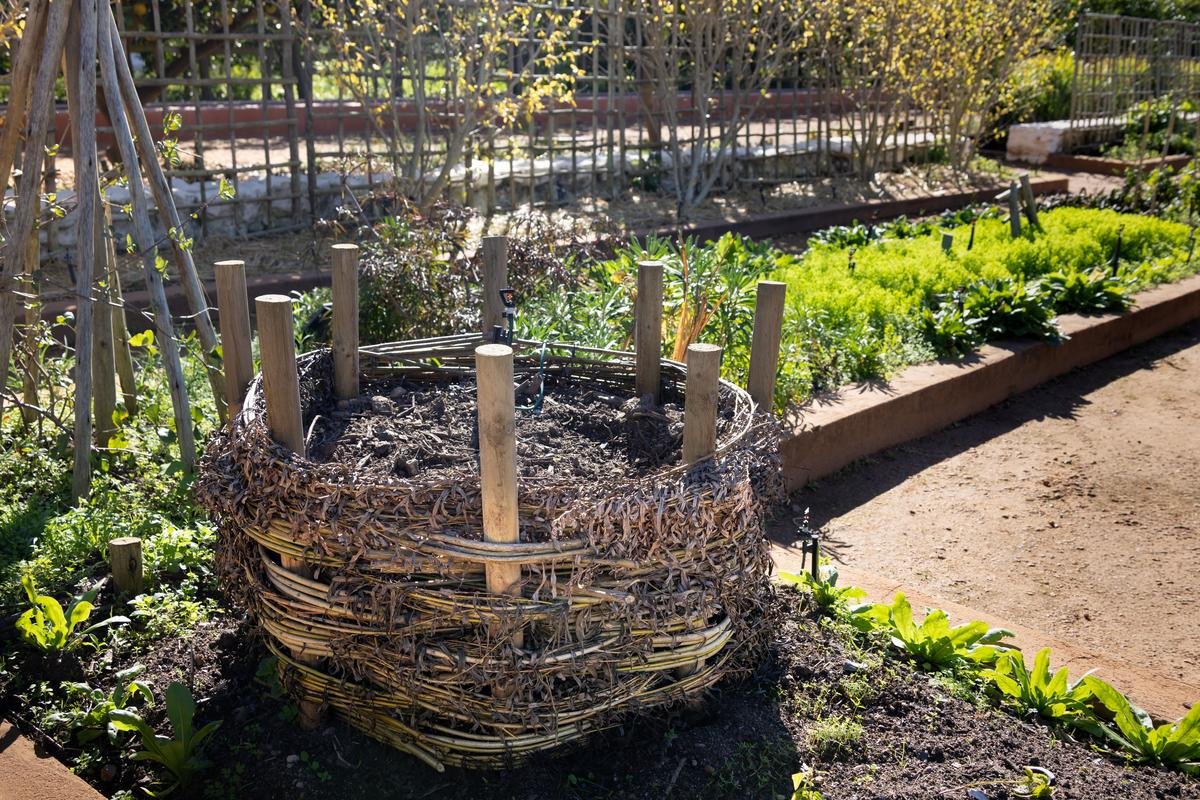
A healthy compost pile is essential for building living soil, but an open or unmanaged compost bin acts as a five-star hotel for garden mice.
Compost heaps generate warmth during decomposition, creating an inviting shelter during chilly spring and autumn nights while providing continuous scrap food.
To prevent your compost from attracting rodents, follow these simple management practices:
- Never add cooked food, meat scraps, dairy products, oils, or bread into an outdoor compost bin.
- Always bury fresh vegetable and fruit scraps deep in the center of the pile beneath eight to twelve inches of dry brown carbon material.
- Turn your compost heap frequently with a pitchfork to disturb potential nesting sites and accelerate core temperatures.
- Switch from open wooden pallet bins to fully enclosed, heavy-duty plastic tumblers with secure latches.
- Line the bottom of stationary compost bins with quarter-inch galvanized hardware cloth to stop mice from tunneling up from underneath.
Keeping your compost properly aerated and moist reduces loose air pockets where mice can construct insulated winter nests.
Eliminate Standing Water and Excess Moisture
While mice obtain a portion of their daily moisture from eating fresh vegetables and succulent plant foliage, they still require accessible water sources to thrive.
Eliminating unnecessary standing water around your garden significantly decreases the carrying capacity of your yard for rodent pests.
Inspect your outdoor faucets, garden hose splitters, and drip irrigation emitters for slow leaks that keep soil muddy.
Empty plant saucers under outdoor container pots after heavy rains rather than letting stagnant water pool for days.
If you use rain barrels to harvest water, ensure that the top openings are sealed tightly with fine wire mesh screen.
Keep bird baths elevated on smooth metal pedestals rather than setting shallow water dishes on the ground.
Regulating soil moisture through deep, infrequent morning watering rather than frequent evening soaking prevents the ground surface from staying damp overnight when mice are active.
Choose the Right Mulch for Rodent Prevention
Mulching is vital for conserving soil moisture, suppressing stubborn weeds, and regulating root temperatures throughout extreme weather.
However, the specific type of mulch you choose can either discourage rodents or invite them to settle in permanently.
Light, fluffy materials such as loose straw, dry hay, shredded leaves, and pine needles offer perfect nesting structures for mice.
These materials create an insulating layer that protects rodents from rain, cold winds, and predators.
If mice have become a persistent problem in your vegetable beds, switch to denser mulch alternatives.
Coarse wood chips, bark nuggets, crushed gravel, or shredded cedar mulch are significantly harder for mice to burrow through and do not compress into comfortable nests.
Furthermore, always keep mulch pulled back at least four to six inches from the main stems of woody perennials, fruit trees, and the base of your raised bed walls.
Leaving an open ring of bare soil around your plants exposes tunneling rodents to open air, making them feel vulnerable and far less likely to chew on delicate root crowns.
Prune Dense Ground Cover and Brush
Mice are cautious prey animals that rarely cross wide, open spaces where raptors, snakes, or neighborhood cats can spot them.
They rely heavily on thick ground cover, overgrown weeds, woodpiles, and untamed garden perimeters to navigate your property unseen.
By systematically removing these protective corridors, you make your entire garden unwelcoming to small rodents.
Keep your lawn mowed short around the edges of all growing areas, garden paths, and outbuildings.
Trim back sprawling low perennials and ground-hugging vines like ivy or vinca that run adjacent to your vegetable beds.
Store firewood, lumber stacks, and extra ceramic pots on raised metal racks at least twelve inches off the ground and away from garden fences.
Clearing out piles of dead branches, pruned raspberry canes, and seasonal debris takes away immediate hiding spots and forces mice to search elsewhere for security.
Use Humane and Natural Snap Traps
When prevention alone is not enough to knock down an established mouse population, targeted trapping provides a reliable, poison-free control method.
Traditional wooden or plastic snap traps remain one of the most humane and direct options when set properly.
Unlike chemical poisons, snap traps result in an instant kill without leaving toxic bait that can secondary-poison hawks, foxes, or domestic pets.
To use snap traps safely in an outdoor garden setting:
- Place traps inside protective tunnels, such as a length of four-inch PVC pipe or a lidded plastic shoe box with two-inch entry holes cut in the sides.
- Position the traps perpendicular to garden bed edges, walls, and fence lines where mice naturally run.
- Bait the triggers with sticky, irresistible foods like peanut butter mixed with rolled oats, pumpkin seeds, or dried fruit.
- Set traps in the late afternoon and check them first thing every morning to dispose of any catches promptly.
If you prefer live catch-and-release traps, check them twice daily so captured animals do not suffer from dehydration or temperature stress.
Always release live-trapped mice several miles away in wild woodland areas, ensuring local regulations permit wildlife relocation.
Install Hardware Cloth and Physical Barriers
Physical exclusion is one of the most reliable long-term investments you can make to protect vulnerable garden beds and root crops.
Mice can squeeze through holes as small as a dime, which means standard chicken wire and plastic garden netting are completely ineffective at keeping them out.
Galvanized hardware cloth with a quarter-inch mesh grid is the gold standard material for rodent-proofing garden structures.
When building new raised beds, staple a layer of quarter-inch hardware cloth across the entire wooden bottom before filling the frame with soil.
For established in-ground beds, you can dig a trench ten to twelve inches deep around the perimeter and install hardware cloth vertically, bending the bottom three inches outward in an L-shape to thwart burrowing.
Individual young saplings, berry bushes, and prized heirloom tomatoes can also be shielded with custom wire cylinders wrapped around the main stem base.
Grow Aromatic Plants That Mice Dislike
Mice possess an exceptionally sensitive sense of smell, which they rely upon to navigate, find food, and detect approaching predators in total darkness.
You can exploit this biological trait by interplanting strongly aromatic herbs and botanical varieties throughout your garden beds.
Certain plants produce volatile essential oils that irritate rodent olfactory systems, encouraging them to steer clear of the immediate vicinity.
Consider adding these fragrant varieties around the borders of your vegetable plots:
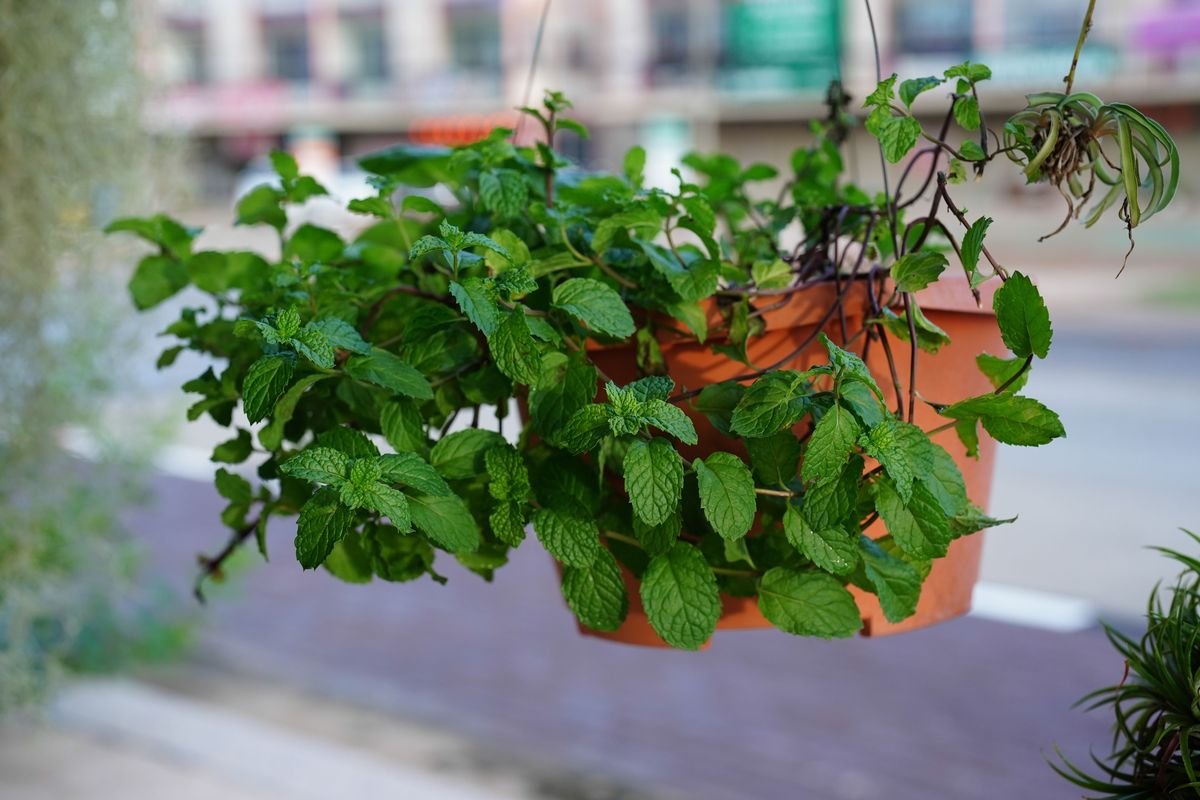
- Peppermint and Spearmint (grow these in containers to prevent invasive underground root spread)
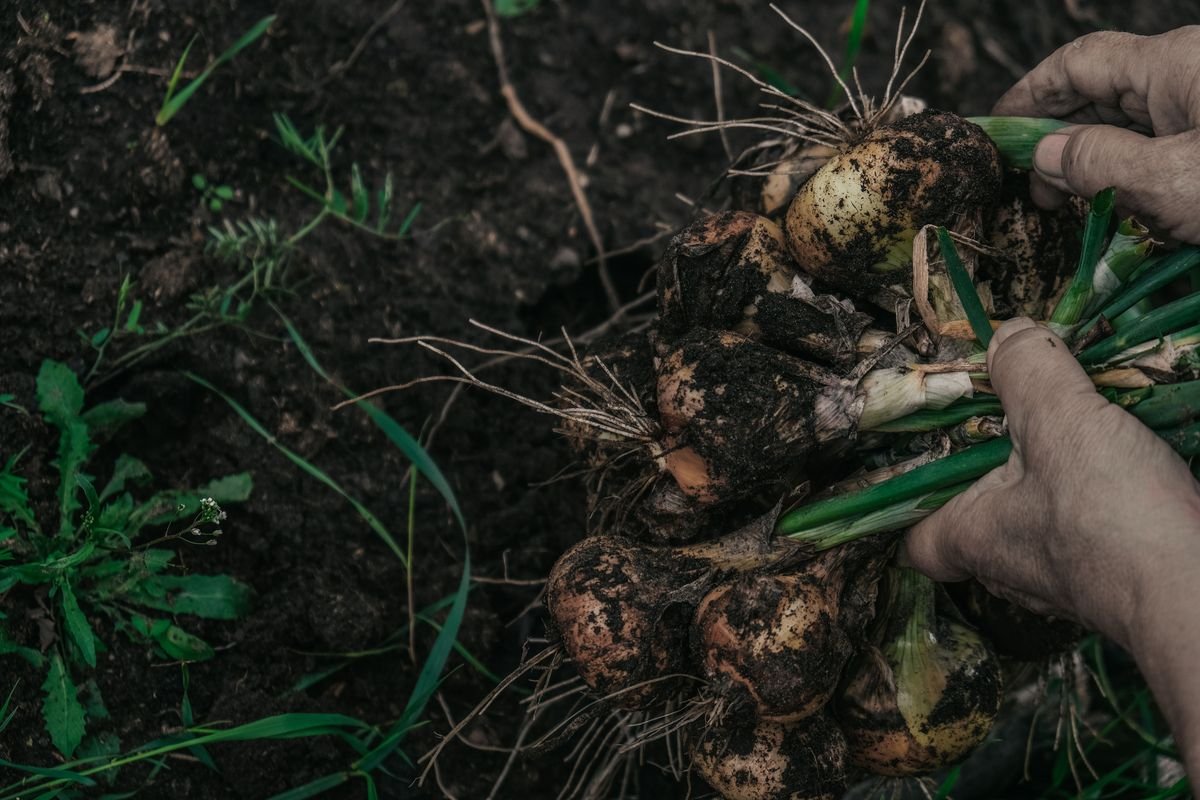
- Garlic and Ornamental Alliums
- Onions, Chives, and Leeks
- Lavender and Rosemary
- Marigolds (Tagetes species)
- Catmint (Nepeta cataria)
- Wormwood and Sage
While companion planting with aromatic herbs will not eradicate a severe infestation on its own, it creates a powerful sensory barrier that enhances your broader pest management plan.
Apply Natural Essential Oil Sprays
If planting fresh herbs is not sufficient for high-pressure areas, concentrated botanical sprays offer a potent, targeted repellent.
Pure peppermint essential oil is widely recognized for its strong rodent-deterring properties.
Other effective plant oils include clove bud oil, cinnamon bark oil, and eucalyptus oil.
You can easily mix your own natural mouse repellent spray at home using simple ingredients.
Combine two teaspoons of pure peppermint essential oil, one teaspoon of mild liquid castile soap (which acts as an emulsifier), and two cups of warm water in a clean spray bottle.
Shake the mixture thoroughly before spraying it along raised bed borders, greenhouse thresholds, tool shed corners, and around garden fencing.
Because essential oils evaporate quickly outdoors and break down after rain, you will need to reapply the spray every four to five days, as well as immediately following heavy rainfall, to maintain effectiveness.
Encourage Natural Garden Predators
In a balanced backyard ecosystem, natural predators play an invaluable role in keeping small rodent numbers under control without human intervention.
By making your property hospitable to rodent predators, you establish continuous, natural biological pest management.
Barn owls, screech owls, red-tailed hawks, and kestrels are exceptional mouse hunters.
You can attract raptors by installing tall hunting perches near open garden beds and erecting properly sized owl nesting boxes in mature trees on your property perimeter.
Non-venomous garden snakes, such as garter snakes and black rat snakes, are harmless to people and plants but remarkably efficient at hunting mice inside underground burrows where birds cannot reach.
Provide flat basking rocks and brush piles in out-of-the-way areas to give beneficial snakes shelter.
If you have a domestic farm cat or working barn cat with a strong hunting drive, their presence and scent alone will create an environment of fear that forces rodents to find safer foraging grounds.
Seal Entry Points Around Nearby Structures
Controlling mice outdoors requires addressing the sheltered structures located near your garden.
Tool sheds, cold frames, greenhouses, and your home foundation often serve as the primary nesting hubs from which mice launch nightly foraging trips into your vegetable patch.
Carefully inspect all outdoor buildings for gaps, cracks, and rotted wood near ground level.
Remember that a mouse can slip through any opening larger than one-quarter of an inch.
Seal cracks in concrete footings with hydraulic cement or silicone caulk mixed with coarse stainless steel wool.
Standard expanding foam is insufficient on its own because rodents can chew through it in minutes, but foam infused with copper mesh creates an impenetrable seal.
Ensure greenhouse door sweeps fit tightly against the threshold, and replace torn window screens on cold frames.
Inside storage sheds, keep all grass seeds, potting soil mixes, organic fertilizers, and bone meal stored securely inside heavy galvanized metal trash cans with tight-fitting lids.
Maintain a Consistent Garden Cleaning Routine
Eradicating mice from your garden is rarely a one-time project; it requires ongoing vigilance and seasonal garden maintenance.
When autumn arrives, remove spent vegetable vines, corn stalks, and rotting squash immediately after harvest instead of leaving them in the beds through the winter.
Till or fork over empty soil beds lightly in late autumn to collapse abandoned rodent tunnels and expose overwintering insect pupae to the cold.
During late winter, inspect your physical barriers, wire mesh fencing, and raised bed frames for any signs of gnawing or weathering.
By practicing clean gardening habits throughout all four seasons, you deprive mice of shelter, nesting fiber, and easy meals, guaranteeing that your garden remains productive, vibrant, and mouse-free year after year.
How Severe Is Your Garden Mouse Problem?
Answer 4 quick questions to see your result