Finding dark, discolored patches on your prized Monstera deliciosa or Monstera adansonii can be an alarming sight for any plant lover.
These tropical beauties are famous for their bold, glossy green foliage and iconic fenestrations, so watching those magnificent leaves turn dark and sickly is understandably stressful.
The good news is that black spots do not necessarily spell the end for your houseplant. In most situations, these dark blemishes are clear distress signals telling you that something in the plant’s environment or routine needs an adjustment.
With prompt investigation and the right care routine, you can nurse your Monstera back to lush, vibrant health.
Why Black Spots Appear on Monstera Leaves
Black markings on Monstera foliage rarely happen without a distinct underlying trigger. Unlike natural leaf senescence, where older lower leaves turn a uniform yellow before drying to a light tan, black spots indicate tissue necrosis.
This means the plant cells in those specific areas have died due to cellular damage, dehydration, moisture suffocation, or pathogen invasion.
Identifying the root cause requires paying close attention to the texture, location, and pattern of the dark patches. Soft, mushy black spots surrounded by a yellow halo often point to excess moisture or fungal pathogens.
In contrast, dry, crispy black edges typically indicate intense sunburn, severe underwatering, or abrupt cold exposure.
Because different issues require completely opposite treatments, taking the time to properly assess the symptoms before taking action is the most critical step in saving your houseplant.
How Black Spots Harm Your Plant
While a few small blemishes might seem like purely cosmetic imperfections, black spots can have a serious compound effect on your plant’s overall vitality.
Dead leaf tissue can no longer participate in energy production or water regulation, placing additional stress on the remaining green areas of the plant.
If the underlying issue is left unaddressed, the localized damage can rapidly spread across the entire leaf and migrate into stems, petioles, and root systems.
Understanding the internal consequences of leaf necrosis highlights why fast action is essential for long-term recovery.
The Threat of Reduced Photosynthesis
Chlorophyll is the green pigment inside plant cells responsible for capturing light energy and converting it into sugars through photosynthesis. When leaf tissue turns black, the chlorophyll within those cells is completely destroyed.
As dark patches spread across large sections of foliage, the plant loses significant photosynthetic surface area. T
his dramatic drop in energy production slows down new leaf development, weakens cellular defenses, and prevents the Monstera from producing the energy required to support robust root structures.
Over time, a plant running on a chronic energy deficit becomes far more vulnerable to opportunistic pests and bacterial invaders.
The Risk of Root Damage
In many cases, black spots on the leaves are simply the visible above-ground symptom of severe trouble below the soil line. When roots stay submerged in waterlogged potting mix, they suffocate from lack of oxygen and begin to decompose.
Once the root system suffers from rot, it loses the capacity to take up water and vital micronutrients like nitrogen, magnesium, and potassium.
Ironically, this means an overwatered Monstera can simultaneously show signs of tissue starvation and extreme dehydration at the top of the canopy.
Without immediate intervention to rescue the root zone, root rot will progress until the plant’s primary vascular system collapses entirely.
Primary Causes of Monstera Leaf Blackening
Diagnosing your Monstera requires evaluating its recent care history alongside its current environment. Several common indoor gardening mistakes and environmental stresses can trigger dark discoloration.
Here are the most frequent culprits responsible for black spots on Monstera leaves:
- Overwatering and dense, poorly draining potting soil
- Prolonged underwatering leading to localized tissue death
- Cold drafts, air conditioning vents, or frost shock
- Direct, unfiltered sunlight causing thermal scorch
- Critically dry indoor air and lack of ambient humidity
- Insect infestations piercing leaf tissue and spreading toxins
- Invasive fungal spores and bacterial leaf spot infections
Let us break down each of these potential causes in detail so you can pinpoint exactly what is happening to your plant.
Overwatering and Poor Drainage
Overwatering is statistically the most frequent reason indoor Monsteras develop dark, unsightly spots. Many well-meaning plant owners water on a rigid calendar schedule rather than checking the actual moisture level of the potting medium.
When soil remains consistently wet, the pockets of air that roots need to breathe are filled with standing water. Anaerobic conditions develop, creating an ideal breeding ground for destructive water molds such as Pythium and Phytophthora.
Leaves affected by overwatering typically develop soft, dark brown or pitch-black patches that start near the center or base of the leaf, frequently framed by a pale yellow ring.
Severe Underwatering and Drought Stress
While Monsteras are remarkably resilient and can tolerate brief dry spells, chronic underwatering eventually causes structural failure in the foliage. When a plant runs out of moisture, it prioritizes keeping its central stem alive by sacrificing the outer leaf margins.
Underwatering-induced black spots are noticeably different from those caused by moisture excess. They feel brittle, papery, and crumbly to the touch, and they almost always emerge along the outer tips and edges of the foliage.
If you notice the potting mix pulling away from the inside edges of the container and the stems drooping alongside crispy black margins, severe thirst is the likely cause.
Temperature Extremes and Cold Shock
Monstera species are native to tropical rainforests across Central and South America, where temperatures remain consistently warm year-round. They are particularly sensitive to sudden temperature plunges below 55 degrees Fahrenheit (13 degrees Celsius).
Placing your plant near a drafty winter window, directly under an air conditioning vent, or transporting it outdoors during chilly weather can cause rapid cellular rupture. Within 24 to 48 hours of cold shock, large sections of foliage or entire leaves can turn deep black.
Similarly, sitting too close to a heat source like a radiator or fireplace can quickly cook the leaf tissue, resulting in blackened, desiccated patches.
Sunburn and Improper Lighting
In their natural habitat, Monsteras climb up forest trees under a canopy of filtered, dappled sunlight. While they need abundant light to grow large leaves with impressive fenestrations, harsh direct sunlight acts like a magnifying glass on their delicate foliage.
Exposing your Monstera to intense midday sun, especially through an unshaded south-facing window, can scorch the leaves within a few hours. Sunburn manifests as bleached white or yellow areas that rapidly turn dark brown or crispy black as the cells die.
Conversely, placing a Monstera in a dark corner weakens the plant over time. In low light, the soil stays damp for too long after watering, indirectly fostering root problems and fungal spots.
Low Humidity and Dry Indoor Air
Standard residential heating and cooling systems often drop indoor humidity levels down to 20 or 30 percent, which is significantly lower than the 60 percent or higher humidity levels Monsteras experience in nature.
When ambient air is overly dry, transpiration accelerates faster than the root system can deliver water to the furthest reaches of the leaf. This causes the delicate tips and margins to dry out, turn brown, and eventually turn black.
While low humidity alone rarely turns an entire leaf black overnight, it creates continuous stress that leaves the plant susceptible to secondary bacterial and fungal infections.
Pests That Damage Monstera Leaves
Microscopic and sap-sucking insects can cause extensive localized damage that appears as clusters of tiny black or dark brown dots. Pests feed by piercing plant cells and drinking the vital fluids inside.
The most common pests to monitor include:
- Thrips: Tiny, slender insects whose larvae feed inside leaf tissue, leaving behind black fecal specks and silver-black patches.
- Spider mites: Microscopic arachnids that weave fine webbing under leaves, causing dense stippling that turns dark and dry.
- Scale insects: Small, shell-like bumps that attach to stems and veins, draining sap and promoting sooty mold growth.
- Mealybugs: White, cotton-like pests that gather in leaf crevices, excreting sticky honeydew that turns black with fungal mold.
Inspecting both the tops and undersides of leaves with a magnifying glass is essential whenever unexplained black marks begin spreading.
Fungal and Bacterial Diseases
Pathogenic infections are another major contributor to black leaf spots. Bacterial leaf spot, often caused by Pseudomonas or Xanthomonas species, creates water-soaked, translucent dark spots that expand quickly and develop bright yellow borders.
Fungal leaf spot diseases, such as Anthracnose, typically produce circular or irregular dark brown to black lesions. These fungal spots often feature concentric rings resembling a target board, sometimes dotted with tiny black spore fruiting bodies.
Fungal and bacterial diseases thrive in warm, stagnant environments where water is allowed to sit on the foliage for extended periods.
How to Restore a Monstera with Black Spots
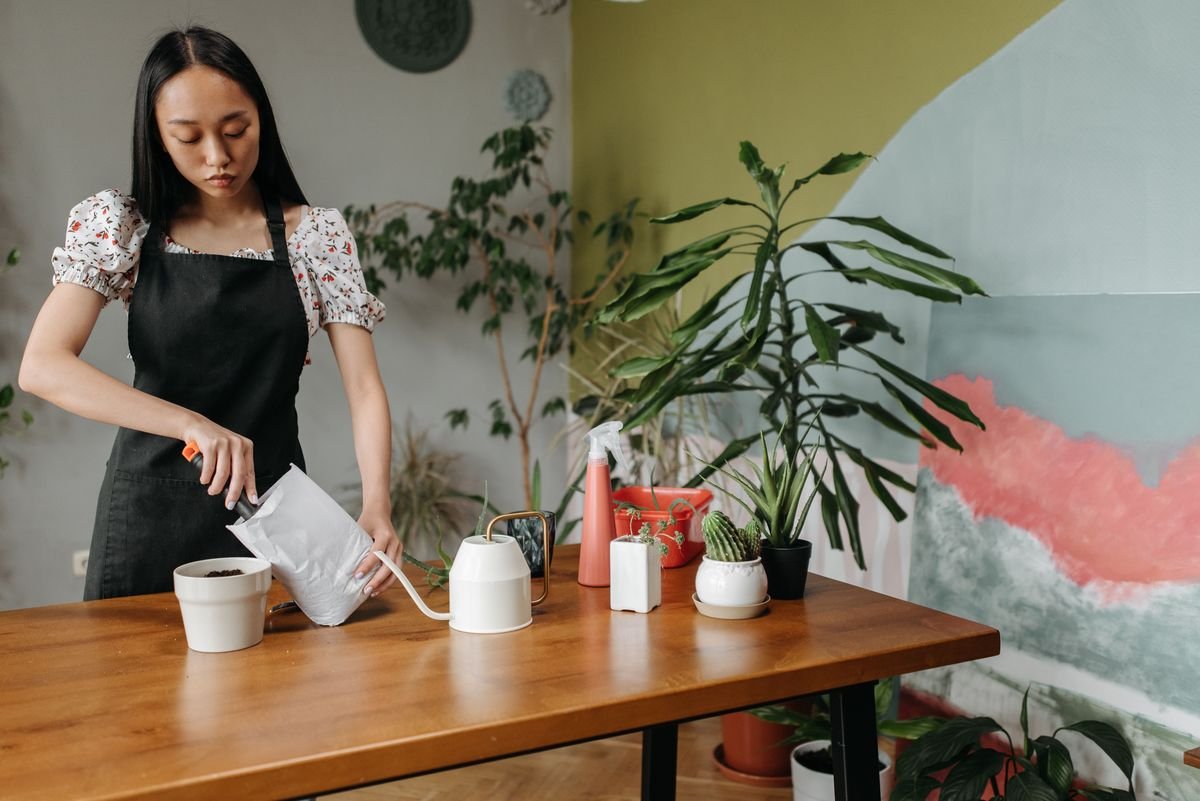
Once you have carefully evaluated your plant and identified the most probable source of the trouble, it is time to implement a focused recovery strategy. Restoring a damaged Monstera requires addressing both environmental conditions and immediate physical care.
Taking deliberate, gentle steps ensures you do not overwhelm a plant that is already struggling under environmental stress. With patience and consistent corrections, healthy new growth will soon replace the damaged foliage.
Correcting Your Watering Routine
The golden rule of Monstera hydration is to water thoroughly, but only when the top two to three inches of potting soil have completely dried out. Insert your index finger or a wooden moisture meter into the substrate before pouring water.
When it is time to hydrate, pour room-temperature water evenly across the entire surface until moisture drains freely from the drainage holes at the bottom of the pot. Allow all excess runoff to escape, and never let the pot sit in a saucer filled with standing water.
If your current potting mix is heavy, dense, or retains water like a sponge, repot your Monstera into a chunky, airy aroid blend containing perlite, orchid bark, pumice, and peat moss or coco coir.
Finding the Right Light Balance
To encourage robust healing, place your Monstera in a location that receives several hours of bright, indirect sunlight every day. An east-facing window that gets gentle morning sun or a west-facing window protected by a sheer curtain offers the ideal exposure.
If your plant was previously suffering from sunburn, move it a few feet back from the glass or introduce a sheer drape to diffuse intense rays.
For rooms with limited natural sunlight, consider installing a full-spectrum LED grow light positioned roughly 18 to 24 inches above the canopy. This provides consistent photosynthetic energy without producing destructive heat.
Improving Humidity and Temperature Levels
Maintaining stable climate conditions is essential to stop existing spots from expanding. Keep your home within the comfortable temperature range of 65 to 85 degrees Fahrenheit (18 to 29 degrees Celsius), and protect your Monstera from cold windowpanes and heat vents.
Aim to keep indoor humidity levels at 50 percent or higher. Running a dedicated cool-mist room humidifier near your plant collection is the single most effective way to elevate ambient moisture.
Avoid misting leaves with a manual spray bottle. Misting only raises humidity for a few minutes while leaving water droplets sitting on the leaf surface, which can easily invite fungal and bacterial spores to germinate.
Treating Pests and Leaf Infections
If pests or fungal pathogens are present, isolate your Monstera immediately from other houseplants to prevent cross-contamination. Wipe down every leaf, including the undersides and petioles, with a soft cloth dipped in a mix of water and mild insecticidal soap.
For active insect infestations, spray the entire plant thoroughly with cold-pressed neem oil or horticultural oil once every five to seven days for three consecutive weeks to break the pest life cycle.
For fungal or bacterial leaf spot outbreaks, apply a copper-based botanical fungicide or an organic biofungicide spray according to the manufacturer instructions, ensuring good air circulation around the foliage.
When and How to Prune Damaged Leaves
A common dilemma plant owners face is deciding whether to remove blackened leaves. It is important to know that once a leaf develops black necrotic tissue, those blackened areas will never turn green again.
If a leaf is more than 50 percent blackened, yellowed, or harboring an active bacterial infection, it is best to prune it off completely. This stops the spread of pathogens and allows the plant to redirect vital metabolic energy toward pushing out fresh, healthy foliage.
Follow these simple steps for safe pruning:
- Sterilize your shears or pruning scissors with 70 percent isopropyl alcohol or a flame before making any cuts.
- Cut the damaged petiole cleanly near the base of the main stem, taking care not to nick the surrounding healthy tissue.
- If only a tiny leaf tip is blackened from dry air, you can selectively trim just the dead margin, leaving a tiny sliver of brown to avoid opening a fresh wound into living green tissue.
- Re-sterilize your tools between cuts to ensure you do not spread pathogens between different parts of the plant.
Simple Habits to Keep Your Monstera Healthy
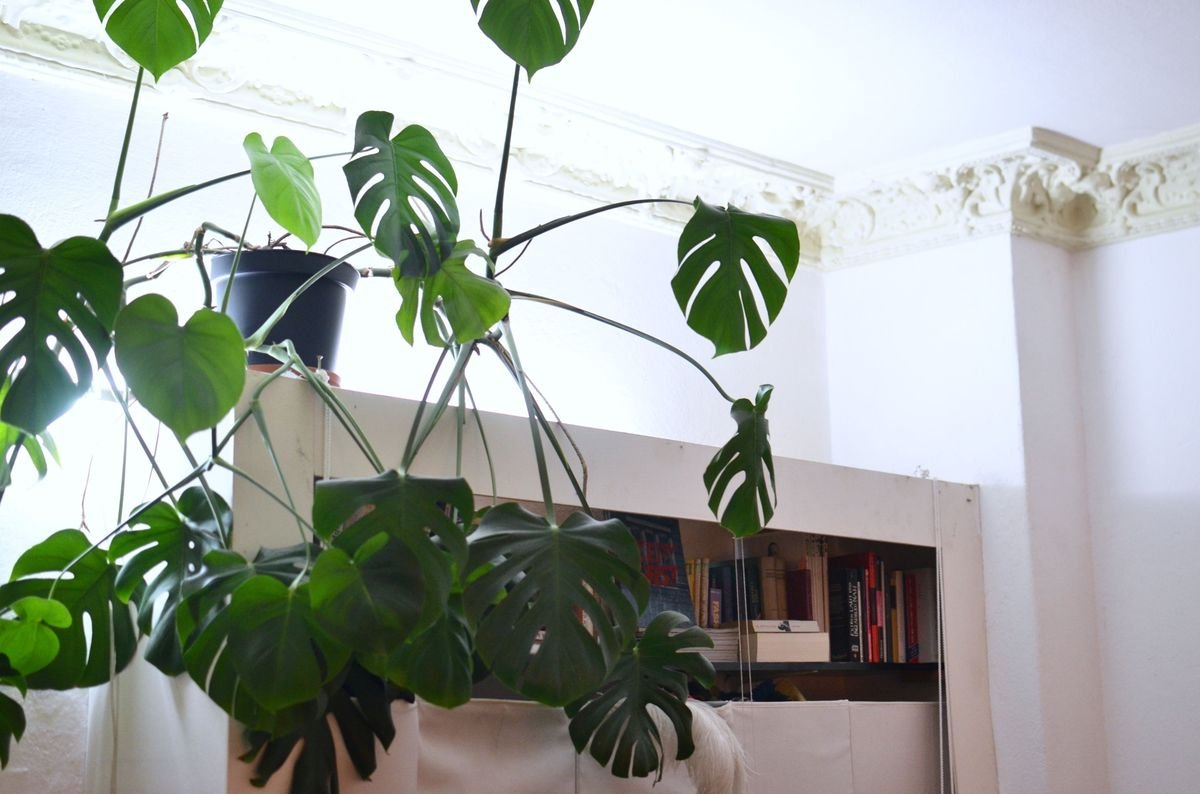
Preventing black spots from returning is much easier than treating a severe outbreak. Establishing a few simple, routine plant care habits will keep your Monstera resilient, vibrant, and actively growing throughout every season of the year.
Dust your Monstera leaves once a month using a damp microfiber cloth. Removing household dust layers ensures the leaf pores remain open for efficient gas exchange and allows maximum light absorption.
Always use pots with functional drainage holes at the bottom, and avoid dramatic changes in light or temperature without an acclimatization period. By staying observant and checking moisture levels before reaching for the watering can, your Monstera will reward you with gorgeous, spotless green foliage for years to come.
How Severe Is Your Monstera Black Leaf Problem?
Answer 4 quick questions to see your result