Finding insects crawling over your garden beds can trigger an immediate urge to reach for pest spray. It is completely natural to worry about your hard work getting eaten away overnight.
However, the vast majority of insects you encounter outdoors are not enemies at all. In fact, inviting the right mix of predatory and pollinating bugs into your yard creates a self-sustaining ecosystem that keeps destructive pests in check without harsh chemicals.
What Are Beneficial Garden Insects
Beneficial insects, often referred to simply as beneficials, are species that perform valuable ecological services in cultivated spaces.
Instead of damaging foliage or devouring roots, these insects assist gardeners by hunting common plant pests, breaking down decaying matter, or transferring pollen between blooms.
In a balanced outdoor space, beneficial insects serve as nature’s primary defense system against out-of-control pest outbreaks.
Fierce Predators for Natural Pest Control
Predatory insects are the frontline hunters of the garden world. They actively search out, capture, and consume soft-bodied pests that would otherwise ruin your vegetables and ornamental plants.
Encouraging a resident population of predators eliminates the need for synthetic treatments, saving you time and protecting the environment.
Ladybugs and Their Voracious Larvae
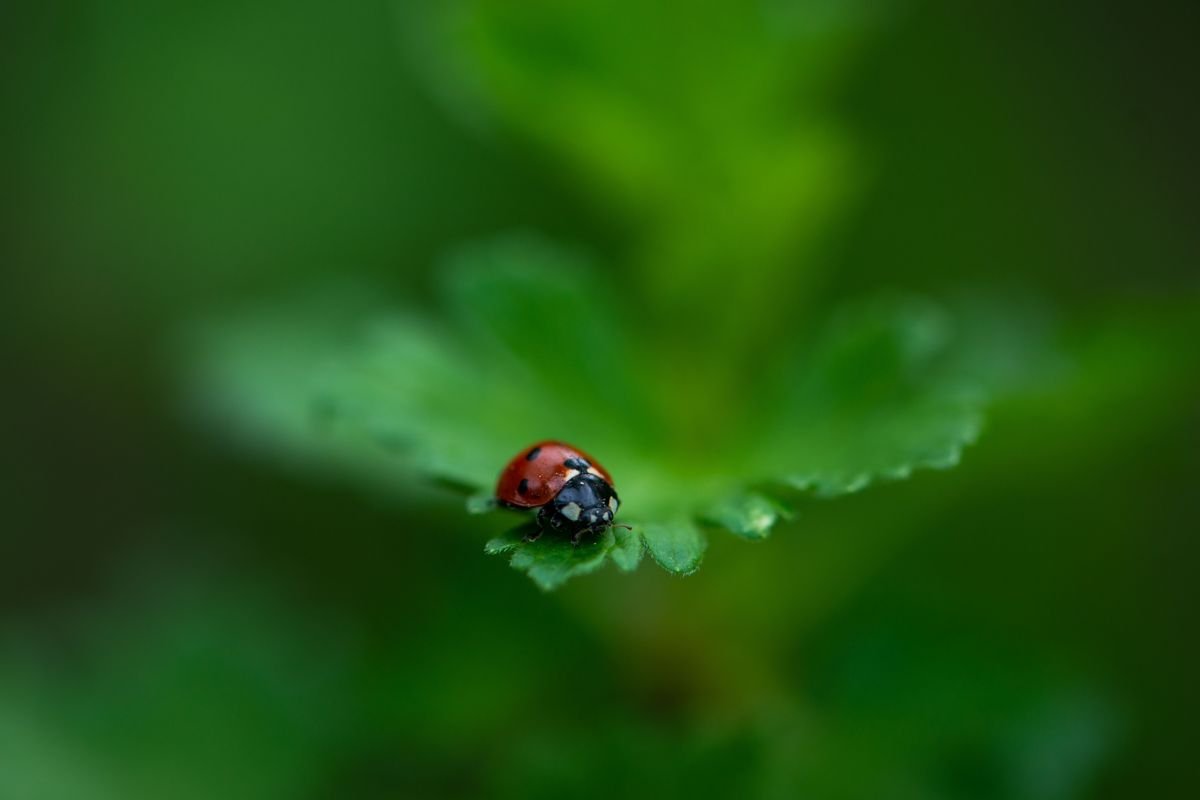
Most people recognize adult ladybugs by their bright red or orange shells with black spots, but their juvenile stage is just as impressive.
Ladybug larvae resemble tiny, spiky alligators with dark grey bodies and orange markings. A single larva can consume hundreds of aphids during its development phase.
Adult ladybugs continue the hunt, eating dozens of aphids, spider mites, and scale insects every single day.
Lacewings and Hoverflies
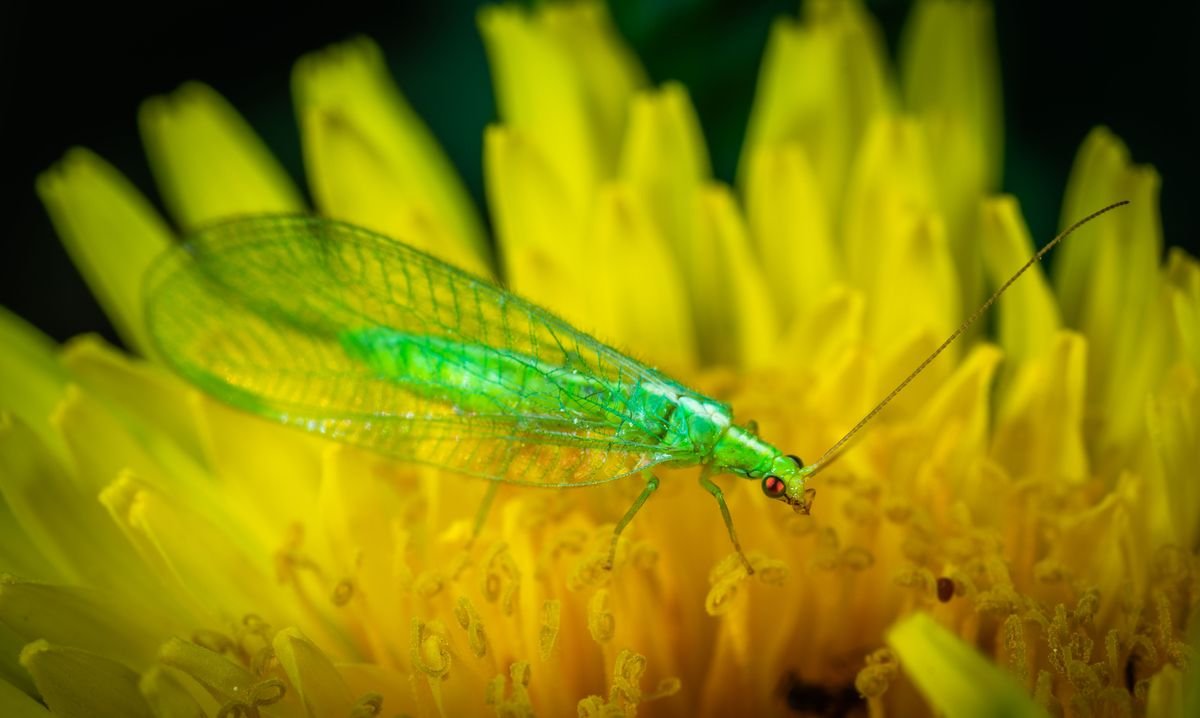
Green lacewings are delicate, pale green insects with translucent wings, but their larvae are fierce hunters known as aphid lions. These larvae use curved jaws to inject digestive enzymes into aphids, thrips, and small caterpillars.
Hoverflies, also known as syrphid flies, look remarkably like small bees or wasps with yellow and black striped abdomens. While adult hoverflies drink nectar and pollinate flowers, their slug-like green larvae feed aggressively on aphids lurking beneath leaves.
Praying Mantises and Ground Beetles
Praying mantises are master ambush hunters that blend into foliage while waiting for unsuspecting grasshoppers, moths, and beetles to pass by. Their lightning-fast forelegs make them formidable pest managers.
Ground beetles operate mostly under the cover of darkness. These shiny black or metallic beetles hide under mulch and rocks during the day, emerging at night to hunt slugs, snails, cutworms, and root-feeding maggots.
Tiny Parasitic Wasps That Protect Crops
Parasitoids offer a unique form of pest suppression. Unlike typical social wasps, parasitic wasps are tiny, stingless toward humans, and focus exclusively on targeting specific garden pests.
Braconid wasps, for example, deposit their eggs inside tomato hornworms. As the larvae grow, they feed on the caterpillar from the inside before spinning white silken cocoons on its back.
Trichogramma wasps are microscopic allies that lay their eggs inside the eggs of destructive moths, stopping caterpillars from ever hatching.
Vital Pollinators for Garden Harvests
Beyond hunting pests, many beneficial insects ensure your fruiting crops and flowers thrive through pollination.
Without pollinators moving pollen between blossoms, crops like tomatoes, squash, berries, and apples produce little to no harvest.
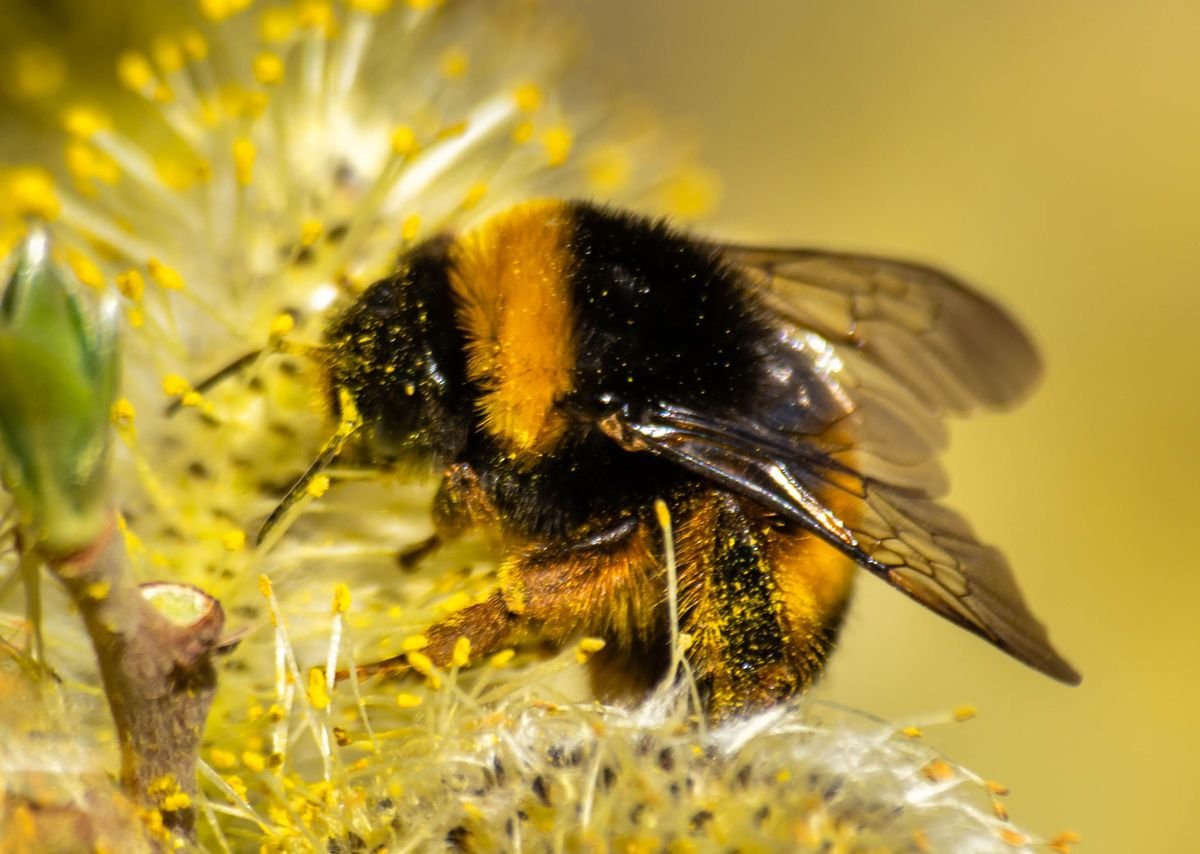
- Bumblebees: Excellent for buzz pollination, which shakes pollen loose from difficult flowers like peppers and eggplants.
- Solitary Bees: Mason and leafcutter bees visit hundreds of blossoms daily and rarely sting.
- Soldier Beetles: These elongated beetles pollinate compound flowers while also snacking on nearby aphids and mites.
Flowers and Herbs That Attract Good Bugs
To keep beneficial insects living and reproducing in your garden, you must provide continuous food sources in the form of nectar and pollen.
Insects with small mouthparts prefer tiny, open blooms arranged in clusters or flat heads.
- Herbs: Allow dill, fennel, cilantro, parsley, sweet alyssum, and mint to flower freely.
- Perennials: Plant yarrow, coneflowers, black-eyed Susans, goldenrod, and lavender.
- Annuals: Incorporate cosmos, marigolds, zinnias, and sunflowers throughout vegetable beds.
Everyday Habits to Protect Helpful Insects
Creating a thriving habitat requires thoughtful routine care and a gentle approach to maintenance.
Provide a safe water source by filling a shallow saucer with pebbles and clean water, giving insects a dry place to perch while drinking without drowning.
Stop using broad-spectrum chemical pesticides, as they wipe out beneficial predators faster than pests can recover. If treatment is necessary, spot-treat with mild insecticidal soaps.
Leave small patches of fallen leaves, dead stems, and wood chips over winter to give beneficial bugs a warm, sheltered place to hibernate.
How Welcoming Is Your Garden to Beneficial Bugs?
Answer 4 quick questions to see your result