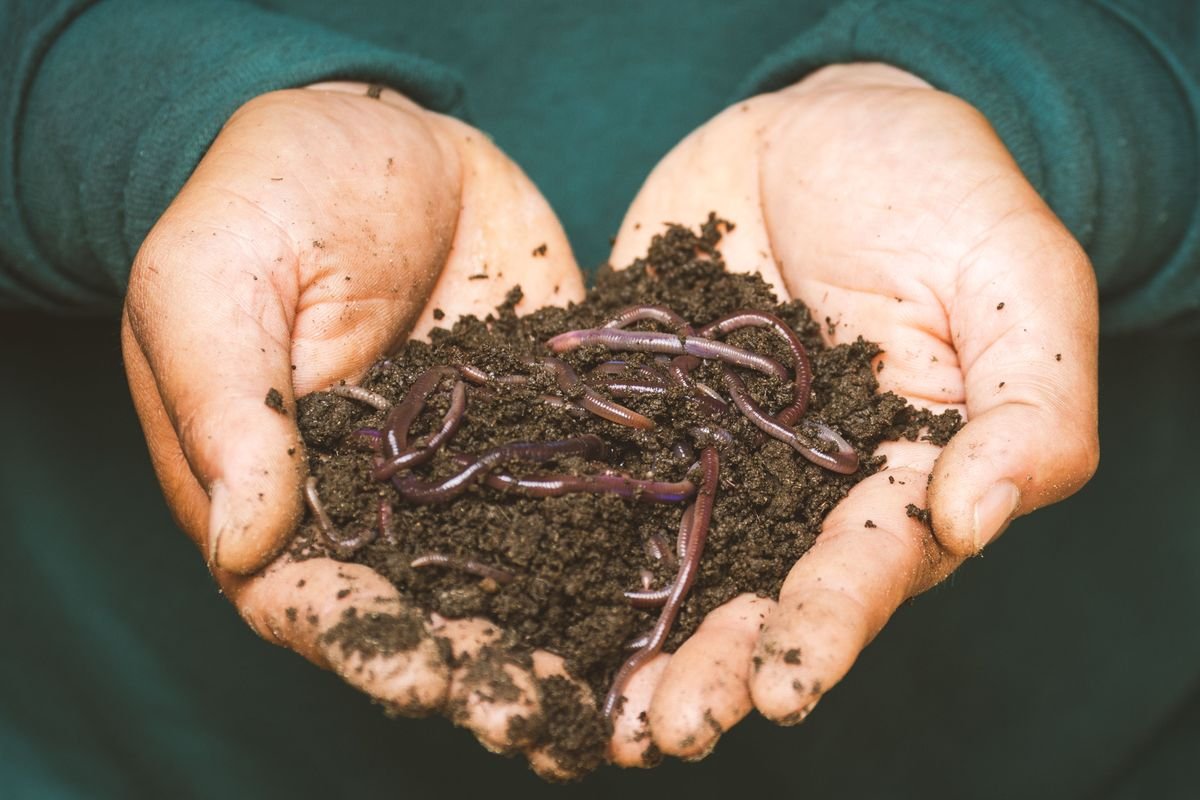
Healthy garden soil is the foundation of every thriving yard, vegetable patch, and flower bed. When your soil lacks vital macro or micronutrients, plants quickly struggle to grow, produce fruit, or resist common pests.
Sulfur is one of the most essential yet frequently overlooked soil nutrients. If your garden is suffering from a sulfur deficiency or your soil pH is too alkaline for acid-loving crops, you can easily restore balance using natural and organic methods.
Why Sulfur Matters for Plant Growth
Sulfur is considered the fourth major plant nutrient after nitrogen, phosphorus, and potassium.
Plants rely on sulfur to synthesize essential amino acids such as cysteine and methionine. These amino acids form the proteins that drive structural growth and enzyme activity.
Sulfur also plays a crucial role in chlorophyll formation. Without adequate sulfur, plants cannot photosynthesize efficiently, which stunts overall growth and reduces crop yields.
In addition to nourishing plants directly, sulfur helps regulate soil pH. Adding sulfur lowers alkaline soil pH, making essential micronutrients like iron, zinc, and manganese accessible to plant roots.
Signs of Sulfur Deficiency in Plants
Identifying a nutrient issue early allows you to correct the soil before your harvest suffers. Sulfur deficiency presents symptoms that look very similar to nitrogen deficiency, but there is one major difference. Nitrogen is mobile within plant tissues, so nitrogen deficiency appears on older leaves first. Sulfur is immobile, meaning symptoms appear on the newest growth at the top of the plant. Watch for these common warning signs in your garden:- Uniform pale yellowing on the youngest leaves while older lower leaves remain green
- Stunted shoot growth and thin, woody stems
- Delayed maturity and poor flowering in fruiting vegetables
- Reduced cold tolerance during seasonal temperature dips
- Pale veins and leaf margins on brassicas, onions, and legumes
Testing Soil pH and Nutrients First
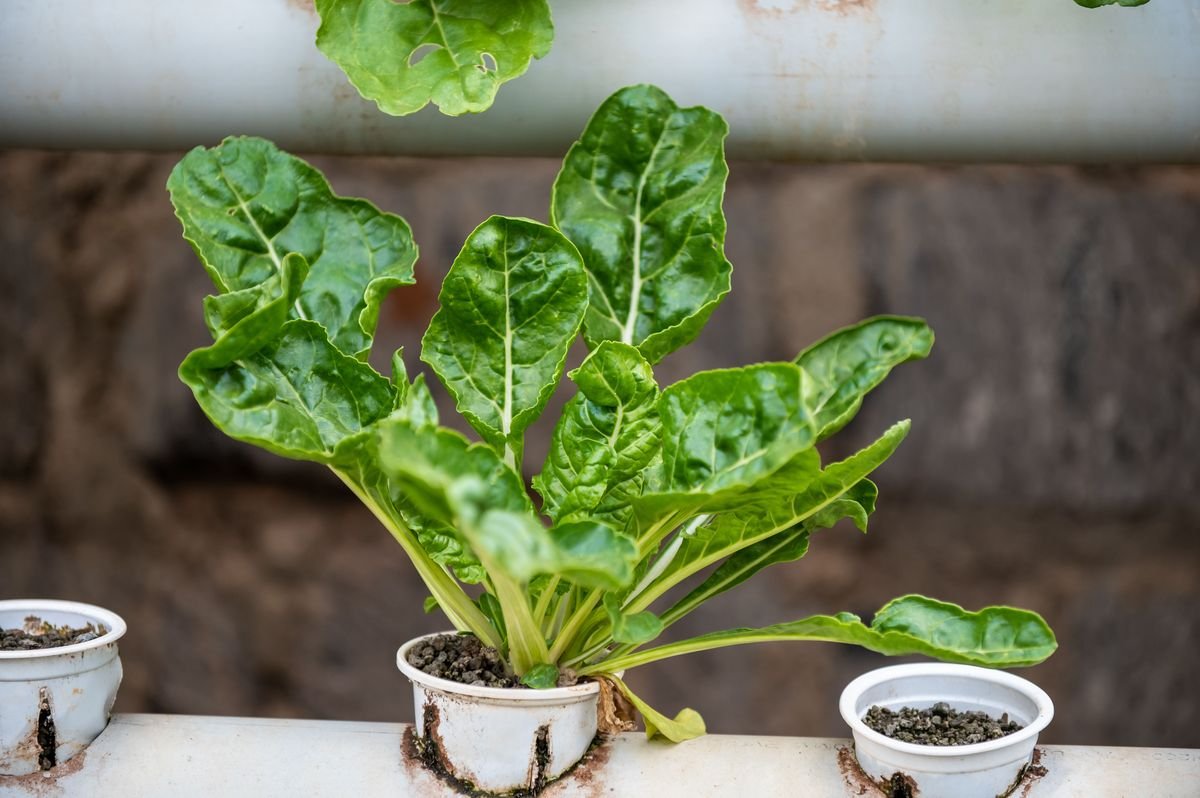
Before adding any amendments to your garden beds, you should always conduct a reliable soil test.
Guessing your soil nutrient levels can lead to over-application, which risks damaging delicate roots and disrupting soil microbiology.
You can purchase a digital pH meter or send a soil sample to your local university extension office for a comprehensive lab report.
Most garden vegetables thrive in soil with a pH between 6.0 and 7.0. Acid-loving plants such as blueberries, azaleas, hydrangeas, and rhododendrons prefer an acidic range between 4.5 and 5.5.
If your soil test reveals a pH above 7.0 or confirms low sulfate levels, adding natural sulfur amendments will help bring your beds into the ideal range.
Applying Elemental Sulfur to Empty Beds
Elemental sulfur, often sold as organic garden sulfur powder or prills, is one of the most effective ways to adjust soil chemistry. This pure mineral amendment works naturally through biological processes. Soil bacteria known as Thiobacillus consume the elemental sulfur and convert it into sulfate, which roots can absorb, releasing hydrogen ions that gradually acidify the surrounding soil. The best time to apply elemental sulfur is in late autumn or early spring before planting. To apply elemental sulfur effectively, follow these straightforward steps:- Read your soil test recommendations to determine the exact amount of sulfur needed for your square footage.
- Evenly broadcast the sulfur across the surface of the dry, unplanted bed.
- Till or mix the amendment into the top six inches of soil where root activity is highest.
- Water the area thoroughly to activate beneficial soil bacteria and kickstart the biological conversion.
Adding Sulfur Around Existing Plants
If you already have established perennials, shrubs, or annual crops in your beds, you can still add sulfur safely.
You must avoid aggressive digging or heavy tilling, as disturbing the root zone can shock your plants.
Sprinkle small amounts of granular elemental sulfur across the soil surface around the drip line of each plant.
Use a hand rake to gently scratch the granules into the top half-inch of soil without cutting into feeder roots.
Water the bed deeply right after application to settle the granules. Applying smaller doses two or three times throughout the growing season is much safer than applying one massive dose around live roots.
Enriching Soil Naturally with Organic Compost
Finished organic compost is an exceptional source of slow-release sulfur and trace minerals.
As organic matter breaks down, plant proteins decompose into sulfates that your garden can absorb immediately.
Compost also introduces billions of beneficial microbes that improve soil texture, moisture retention, and aeration.
Spread a two-inch layer of rich, dark compost over your garden beds each spring and autumn.
You can lightly work the compost into the soil or let earthworms naturally pull the organic matter down into the root zone.
Regular compost applications prevent sulfur depletion over time while maintaining balanced fertility without harsh chemical inputs.
Feeding Plants with Homemade Compost Tea
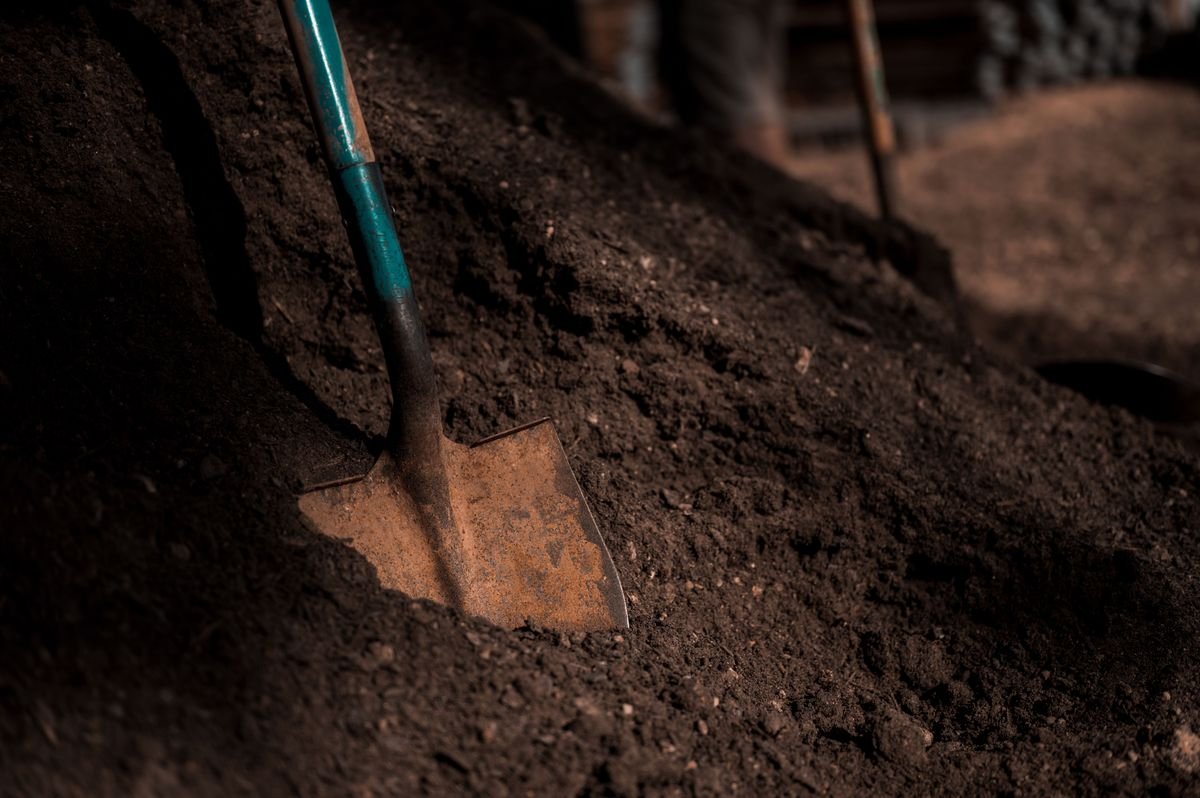
Compost tea provides a fast-acting liquid dose of sulfur, humic acids, and living microorganisms.
This liquid fertilizer is gentle enough to apply directly to plant foliage or pour around root systems during active growth.
Making your own compost tea at home requires only a few basic supplies.
Fill a five-gallon bucket with clean water and let it sit uncovered in the sun for twenty-four hours to dissipate any chlorine.
Add two to three cups of fully mature compost into a mesh brew bag or old pillowcase, then submerge it into the water.
Stir the bucket twice daily for two to three days, or use a small aquarium bubbler to keep the mixture aerated.
Strain the dark amber liquid through fine mesh and transfer it into a clean watering can or garden sprayer.
Apply the liquid amendment every two to three weeks during the height of the summer growing season for a rapid nutrient boost.
Using Coffee Grounds to Lower Soil pH
Used coffee grounds are a popular kitchen byproduct that can benefit your garden when used properly.
Coffee grounds contain modest amounts of sulfur, nitrogen, and magnesium that release slowly as soil organisms break them down.
While fresh unbrewed coffee is acidic, spent grounds are closer to a neutral pH range of 6.5 to 6.8.
Even so, incorporating spent coffee grounds into your soil improves organic content and encourages fungal growth that supports a healthy, slightly acidic environment.
Sprinkle thin layers of used coffee grounds directly around acid-loving shrubs like blueberries and hydrangeas.
Avoid creating thick, compact layers of coffee grounds on top of the soil, as they can dry out into a water-repellent crust.
Mixing coffee grounds directly into your compost pile is often the best strategy, as it enriches the overall sulfur content of your finished compost.
Adding Gypsum for Sulfur Without Acidifying
Sometimes your plants need extra sulfur, but your soil pH is already optimal or leaning acidic.
In this scenario, using elemental sulfur could lower your pH too far, locking out other essential nutrients like calcium and phosphorus.
Agricultural gypsum, also known as calcium sulfate, is the ideal organic solution for this specific problem.
Gypsum supplies both readily available sulfur and calcium without altering the baseline pH of your soil.
It is especially useful in heavy clay soils, where it helps loosen compacted particles and improves water drainage.
Broadcast gypsum according to the package directions, rake it into the top few inches of soil, and water thoroughly.
Incorporating Animal Manure and Organic Mulch
Decomposed animal manures are naturally rich in sulfur compounds due to the protein-rich diets of livestock.
Aged manure from chickens, cows, horses, and sheep provides an excellent soil amendment that replenishes depleted sulfur reserves.
Always ensure that any manure you use is fully aged or hot-composted for at least six months to prevent burning delicate plants or introducing weed seeds.
Pairing manure amendments with organic mulches such as pine needles, shredded oak leaves, or bark nuggets provides extra benefits.
As these woody materials slowly decompose, they add organic sulfur back into the earth while preserving soil moisture and keeping root temperatures stable.
Mistakes to Avoid When Adding Sulfur
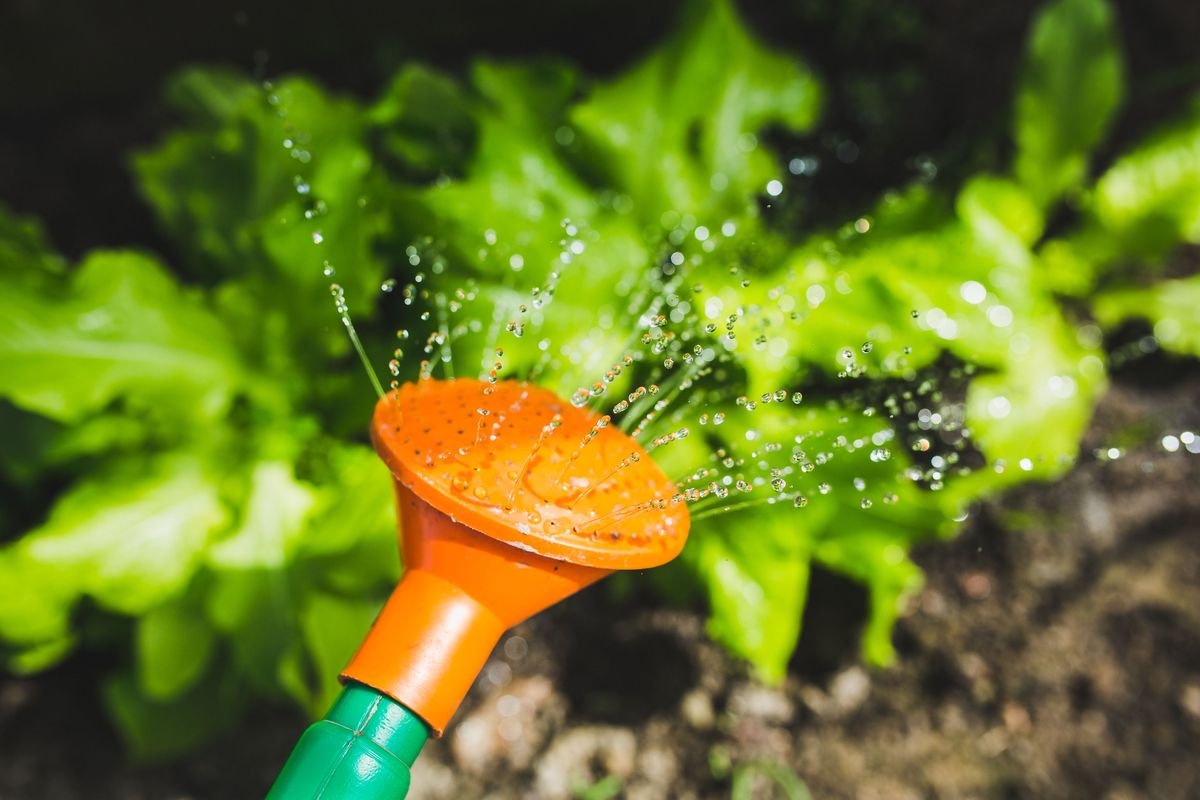
Correcting soil chemistry is a gradual process that requires careful measurement and consistent monitoring.
One of the most frequent mistakes gardeners make is applying too much elemental sulfur at once in an attempt to change soil pH overnight.
Drastic pH drops can burn root systems, kill beneficial mycorrhizal fungi, and cause nutrient toxicities.
Another common error is applying sulfur during cold winter months when soil temperatures drop below 55 degrees Fahrenheit. Soil bacteria become dormant in cold conditions, rendering the sulfur inactive until warm weather returns.
Always retest your soil every six to twelve months after applying sulfur amendments to track your progress and avoid over-acidification.
Does Your Garden Soil Need More Sulfur?
Answer 4 quick questions to see your result