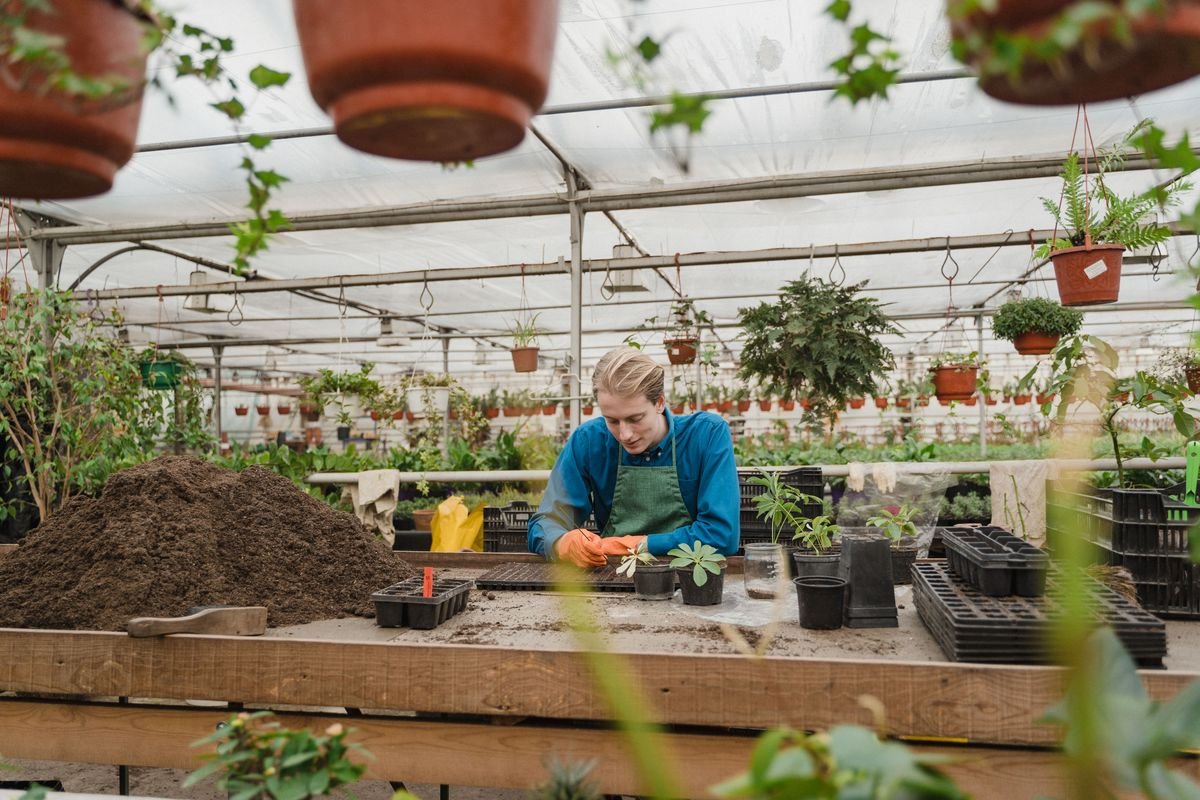
Few things feel as disappointing as watching a plant you have cared for over months suddenly wither and drop its leaves. Every grower encounters unexpected plant decline at some point in their journey.
Gardening is a living craft that requires ongoing flexibility and patience. When you learn to adjust your expectations alongside the natural rhythms of nature, setbacks become valuable lessons rather than personal failures.
Why Gardens Are Always Changing
A garden is never a static display. It moves through cycles of active growth, flowering, seed production, and dormancy as daylight and temperatures fluctuate throughout the year.
Beginner growers often expect plants to maintain the same rate of growth all year long. In reality, light levels drop in autumn, growth slows down, and moisture evaporates much slower from the soil.
Recognizing these seasonal shifts allows you to tailor your care routine. When you work with these natural rhythms instead of fighting them, your plants stay far healthier.
Managing the Emotional Toll of Plant Loss
Investing time and care into a specific plant naturally creates an emotional bond. Losing a favorite specimen to disease or weather can leave you feeling discouraged and hesitant to try again.
Take a step back when a plant dies and inspect the root system and foliage. Checking for root rot, fungal spotting, or insect damage provides valuable clues about what went wrong.
Treat each loss as useful data rather than a reflection of your ability. Once you understand the underlying cause, clean your pots, refresh your potting mix, and welcome a new plant into your space.
Handling the Frustration of Pests and Diseases

Insects, fungal spores, and bacterial infections are an unavoidable part of working with living soil and outdoor air. Encountering an outbreak does not mean your garden is ruined.
Isolate any affected plant immediately to protect the rest of your collection. Prune away heavily damaged leaves and clean your shears with rubbing alcohol between cuts to stop pathogens from spreading.
Most healthy plants rebound quickly once you treat the root cause. Applying neem oil, insecticidal soap, or adjusting humidity levels will often restore balance in just a few weeks.
Adjusting Routines with the Changing Seasons
Following a rigid watering schedule without checking the soil is one of the most common causes of plant stress. Environmental conditions dictate how fast plants consume water and nutrients.
During hot summer days, outdoor containers dry out rapidly and active growth demands regular feeding. In contrast, winter care calls for holding back fertilizer and reducing water frequency significantly.
Keep a simple garden journal or digital calendar to track seasonal adjustments. Recording when you change your watering habits helps you stay aligned with what your plants actually need.
The Power of Daily Observation
Spending a few quiet minutes examining your plants each morning can prevent small problems from turning into major disasters.
Look closely at the undersides of leaves, the moisture level of the topsoil, and the firmness of stems. Catching early signs of drooping leaves or tiny spider mite webbing makes intervention fast and easy.
Observation transforms gardening from a chore into a calming daily ritual. You begin to notice subtle growth patterns and anticipate changes before visible stress appears.
Building Resilience Through Plant Diversity

Relying on only one or two plant varieties leaves your garden vulnerable to specific pests and sudden weather extremes. Monocultures struggle when an aggressive disease arrives.
Mixing different species of perennials, foliage houseplants, and herbs builds a much stronger ecosystem. Diverse root systems and leaf structures support beneficial insects and soil microbes.
If one variety experiences a rough patch, the rest of your garden continues to thrive. This visual balance keeps your garden full and protects your morale during challenging growing seasons.
Shifting from Failure to Experimentation
Experienced green thumbs are simply gardeners who have killed more plants and learned from the results. Shifting your perspective toward experimentation removes the pressure of perfectionism.
Try testing different lighting locations or adjusting your soil drainage components if a particular plant seems unhappy. Small experiments teach you how microclimates within your home or yard function.
Every adjustment deepens your intuition. Over time, you will instinctively know when a plant needs repotting, pruning, or a sunnier window.
Connecting with Other Plant Lovers
Gardening does not have to be an isolated hobby. Engaging with local plant clubs, community gardens, or online forums offers helpful insights when you face an unfamiliar problem.
Sharing photos and asking questions helps you troubleshoot issues quickly with growers in your area. You will find that even seasoned pros struggle with stubborn pests or unexpected cold snaps.
Swapping cuttings and advice reminds you that every grower is constantly learning. Community support makes the entire process far more enjoyable.
Simple Ways to Keep Growing
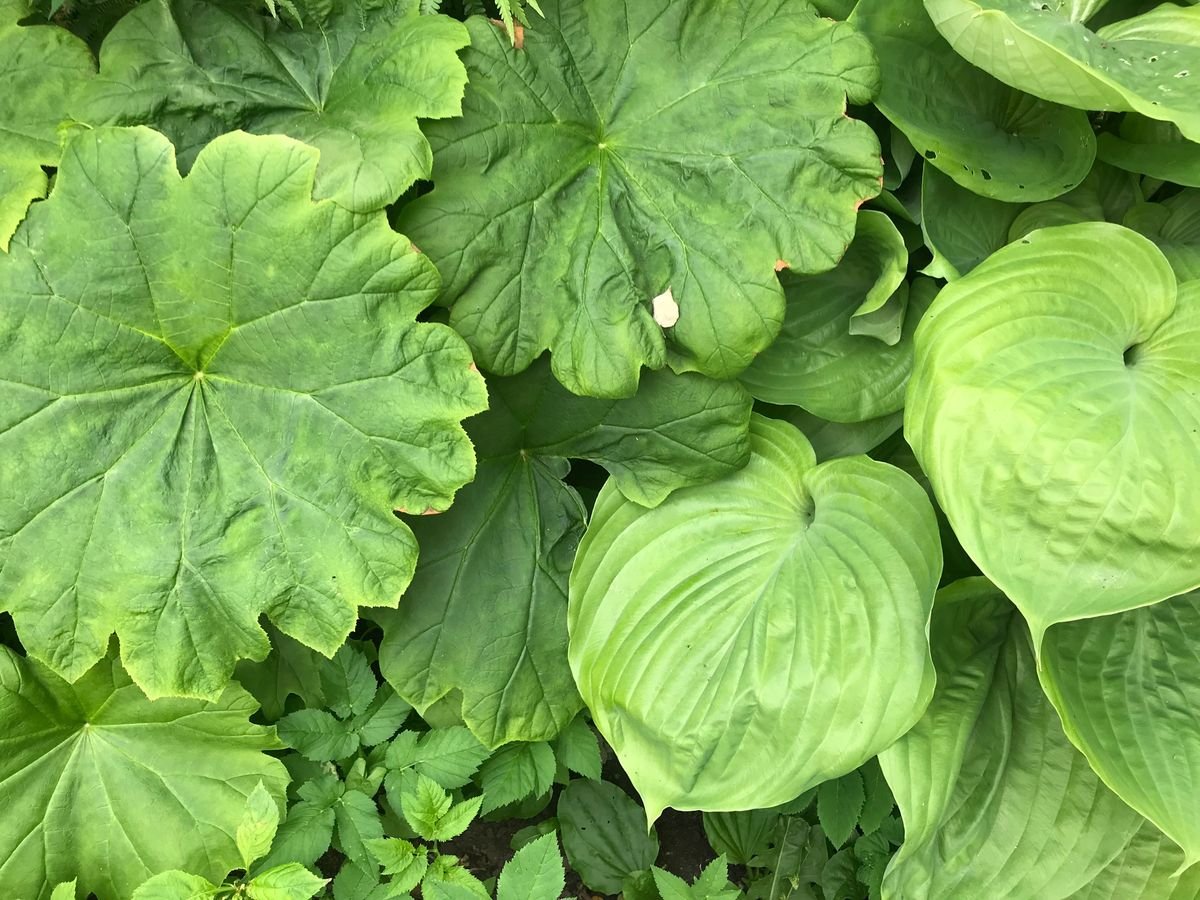
Start by setting realistic expectations for your growing space and available free time. Trying to manage too many demanding plants at once can quickly lead to burnout.
Focus on mastering the care requirements for a few hardy varieties before expanding your collection. As your confidence builds, introduce more challenging species step by step.
Celebrate every new leaf, successful propagation, and blooming flower along the way. Gardening is a lifelong journey of observation, care, and steady personal growth.
How Adaptable Is Your Gardening Mindset?
Answer 4 quick questions to see your result