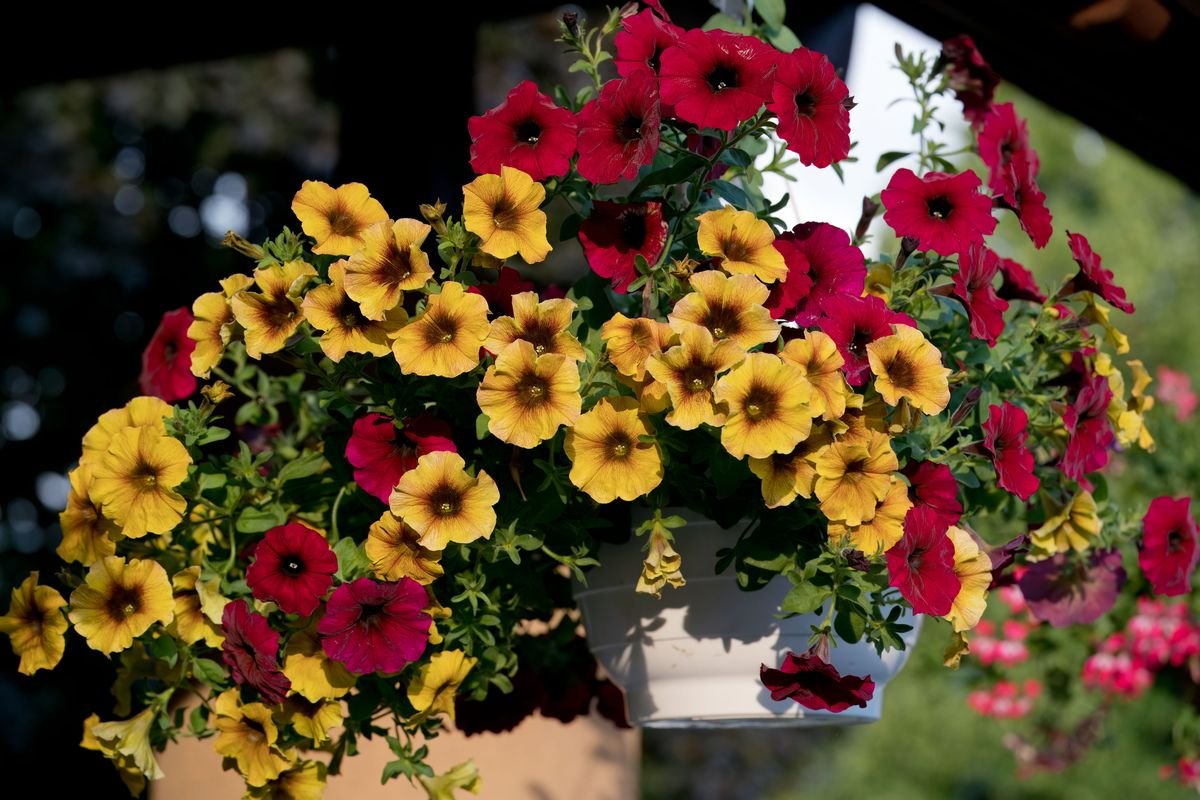
Petunias are easily among the most beloved flowering plants in home gardens, patio planters, and hanging baskets. Their brilliant trumpet-shaped blossoms bring an explosion of color from late spring all the way until the first hard frost of autumn.
Many gardeners wonder whether petunias are strictly single-season annuals or if they can be kept alive for years. The answer depends on whether you look at the lifespan of a single blossom, the life cycle of the individual plant, or the growing conditions provided in your climate. With the right care and seasonal protection, you can enjoy these colorful bloomers far longer than you might expect.
Understanding the Petunia Lifespan
In most temperate gardening regions, petunias are treated as warm-season annuals. Gardeners purchase fresh nursery starts in spring, enjoy them throughout the summer, and discard them when freezing autumn temperatures arrive. Botanically speaking, however, petunias are tender perennials native to South America, specifically Argentina and Brazil.
Because they originate in warm tropical and subtropical climates, they do not possess any natural defense against frost. When protected from freezing weather, a petunia plant can live for two to three years before it naturally declines in vigor and stops producing flowers.
How Long Individual Blooms Last
An individual petunia flower typically lasts between five and seven days under ideal weather conditions. In intense summer heat or during spells of heavy downpours, a bloom may fade in as little as three or four days. Cool and mild weather, on the other hand, can help preserve a fresh flower for over a week.
While an individual blossom has a relatively brief lifespan, a healthy plant produces dozens of new buds in rapid succession. This continuous bud formation creates the appearance of uninterrupted blooming across the entire growing season.
How Long the Plant Survives
Left outdoors in zones with freezing winters, petunias will perish as soon as temperatures dip below thirty-two degrees Fahrenheit. If grown in frost-free regions or brought indoors ahead of cold weather, the plant can easily survive for two or three consecutive seasons.
Over time, woody stems will form near the base of the plant. Flowering tends to diminish gradually as the plant ages, which is why most commercial growers and home gardeners choose to replace them or propagate new cuttings after two years.
Key Factors Influencing Bloom Duration
The longevity of your petunia flowers depends on a balanced combination of environmental elements. Providing proper conditions ensures that each bud reaches full maturity and remains open for as long as possible.
Paying close attention to sun, soil moisture, and nutrition will keep your plants loaded with flowers throughout the warmest months of the year.
Sunlight and Daily Exposure
Petunias thrive best in full sunlight, requiring at least six hours of direct sun each day to generate dense flower clusters. Insufficient sunlight leads to sparse foliage, weak stems, and fewer blossoms that fade prematurely.
In regions with scorching summer afternoons, providing light shade during peak heat hours can prevent the delicate petals from wilting or scorching. Morning sun paired with gentle afternoon brightness offers the perfect balance.
Watering Routine and Soil Drainage
Consistent soil moisture is essential for prolonging flower life. Petunias prefer soil that stays evenly moist but never saturated or soggy.- Check container soil daily during high summer, as small pots dry out quickly.
- Water at the base of the plant to keep the foliage and petals dry.
- Ensure containers have functional drainage holes to prevent root rot.
- Allow the top inch of garden soil to dry slightly before watering deeply again.
Nutrient Demands and Fertilizer
Petunias are famously heavy feeders because they invest vast amounts of energy into continuous flower development. If the soil runs out of essential nutrients, flowering will slow down and older foliage will turn pale yellow.
Apply a balanced, water-soluble fertilizer formulated for flowering plants every one to two weeks for container specimens. For plants growing directly in garden beds, working slow-release fertilizer granules or rich organic compost into the soil in early spring will maintain steady nutrition.
Temperature Fluctuations and Heat Stress
Petunias perform at their peak when daytime temperatures range between sixty-five and seventy-five degrees Fahrenheit. While they tolerate summer heat quite well, prolonged temperatures above ninety degrees can temporarily pause flower production.
Mulching around garden bed plantings helps insulate the root zone from extreme soil heat. Deep and regular watering during hot spells protects the root system from drying out completely.
Techniques to Keep Blooms Fresh
Routine maintenance plays a significant role in keeping petunia displays vibrant and lush. Without regular maintenance, plants can quickly direct their energy into producing seeds rather than fresh blossoms.
Applying a few basic gardening techniques will help your plants produce waves of blooms from early summer until the end of the season.
Deadheading Spent Blossoms
Deadheading is the practice of removing faded or dying flowers before they can form seed pods. If left on the stem, old flowers signal the plant to begin seed development, which reduces future flower formation.
When deadheading, do not simply pull off the limp petals. Pinch off the small green base beneath the petal where the seed capsule forms. Removing the entire calyx forces the plant to channel its energy back into forming fresh flower buds.
Pruning Leggy Stems in Midsummer
By midsummer, petunia stems can become elongated, sparse, and overgrown, especially in hanging baskets and window boxes. This leggy growth results in fewer flowers clustered only at the very tips of long stems.
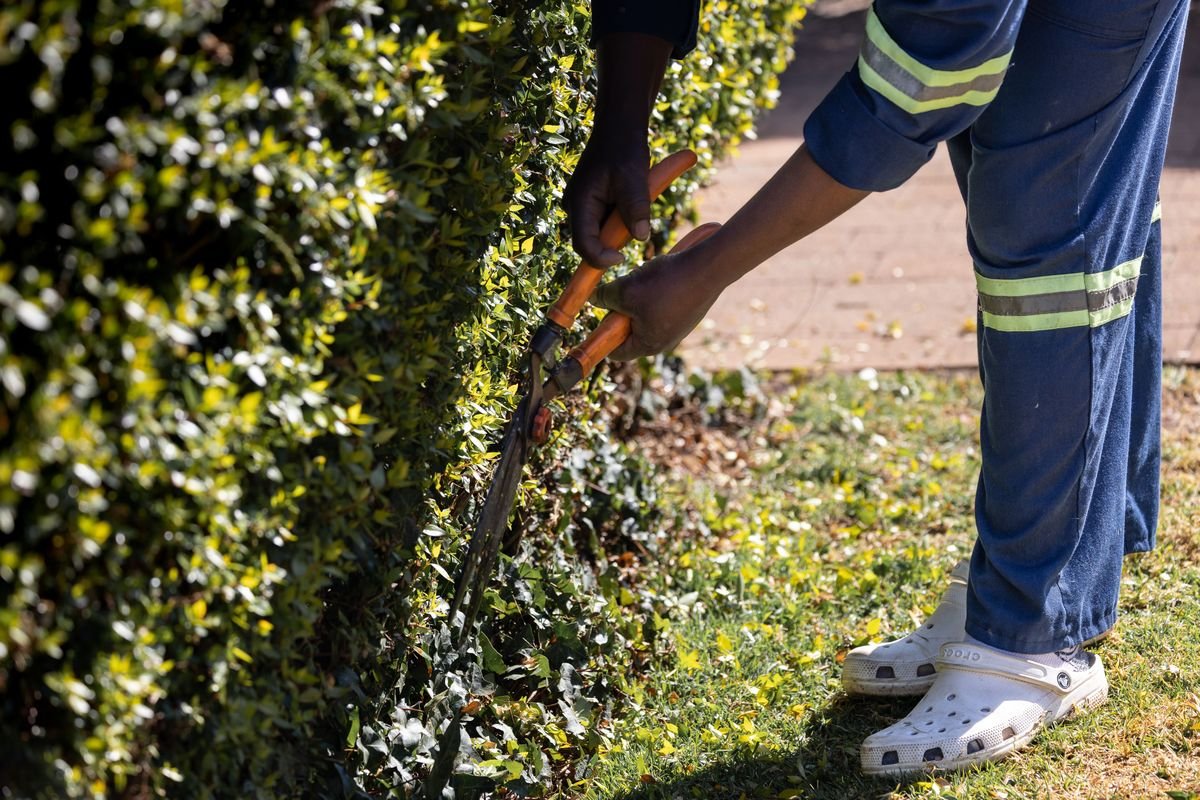
Cut back overgrown stems by one-third to one-half of their length using clean pruning shears. Within two weeks, the plant will produce dense new branching and a fresh flush of colorful buds.
Protecting Plants from Heavy Rain
Heavy summer rainstorms can rapidly damage fragile petunia petals, causing them to turn mushy and stick together. This premature damage can spoil the appearance of your containers and encourage fungal issues like botrytis.
Move hanging baskets and small containers under a covered porch or patio awning when severe rainstorms are predicted. For inground plants, gentle pruning of waterlogged flowers right after the storm passes will quickly restore the planting bed.
Overwintering Petunias Indoors
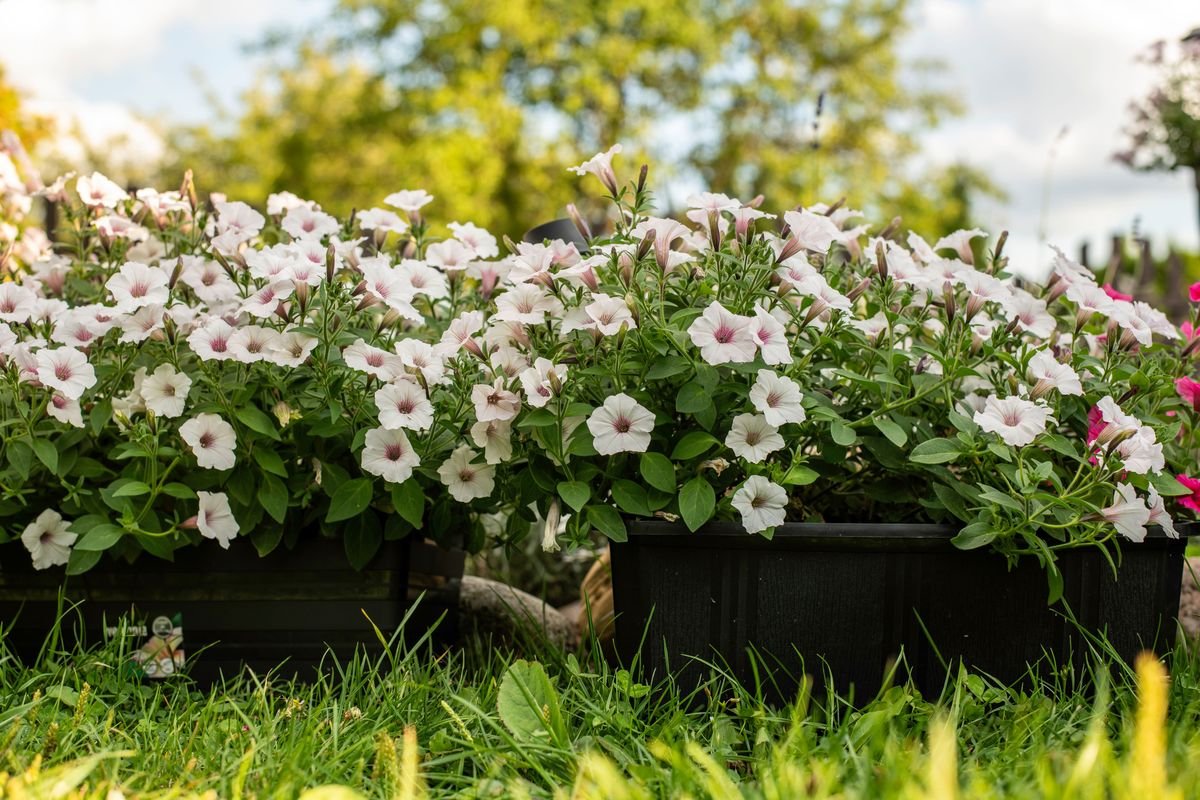
If you have a favorite petunia variety that you want to enjoy for multiple seasons, bringing it indoors for the winter is a great option. By sheltering your plants from cold weather, you can successfully keep them alive until spring arrives.
With moderate light and consistent care, overwintered petunias will be ready to return outdoors as mature plants as soon as warm weather returns.
Bringing Container Plants Inside
Potted petunias are the easiest to overwinter because their roots are already established in containers. Before bringing them indoors, inspect the leaves carefully for garden pests such as aphids, spider mites, or whiteflies.
Give the foliage a gentle wash with clean water or apply insecticidal soap if pests are present. Cut the entire plant back to about four to six inches in height to reduce stress and encourage compact indoor growth.
Digging Up Garden Bed Plants
If your petunias are growing directly in the ground, you can dig them up before the first autumn frost. Use a garden spade to carefully dig around the root ball, keeping as much intact soil as possible.
Transfer each plant into a container filled with fresh potting soil and water thoroughly. Place the potted plants in a shaded outdoor spot for a few days so they can recover from transplant shock before moving them inside.
Indoor Care Through the Winter
Place your overwintering petunias in your sunniest south-facing window, or position them beneath full-spectrum grow lights for twelve to fourteen hours daily. Indoor temperatures should remain between sixty and sixty-five degrees Fahrenheit.
Water sparingly during the winter months, letting the top two inches of soil dry completely between waterings. Hold off on fertilizer applications until early spring when you notice active new green growth starting to emerge.
Harvesting and Storing Seeds
Another rewarding way to preserve your favorite petunias is by collecting their seeds at the end of the flowering cycle. This method provides an abundance of seeds to plant during the upcoming spring season.
Collecting seeds allows you to propagate your own garden stock while saving money on commercial seed packets.
Collecting Healthy Seed Pods
To harvest seeds, leave several healthy spent flowers on the plant instead of deadheading them. Once the petals drop naturally, a small green capsule will swell at the base of the stem.- Monitor the seed pods until they turn from green to light brown and begin to crack slightly.
- Snip the mature brown pods from the stem using small scissors.
- Place the pods in a shallow tray or paper bag in a dry, well-ventilated room.
- Allow them to dry for seven to ten days until they crack open completely.
Storing Seeds for Next Spring
Petunia seeds are tiny and dust-like, so work carefully over a clean sheet of white paper when separating them from the dry pods. Gently crush the dried capsules and separate the tiny dark seeds from the leftover chaff.
Store the clean seeds inside a labeled paper envelope in a cool, dark, and dry location. Stored properly, petunia seeds will maintain high germination rates for two to three years.
Popular Petunia Types and Their Longevity
There are hundreds of petunia cultivars available today, typically grouped into four distinct categories. While all varieties share a similar overall plant lifespan, their blooming patterns and resistance to weather conditions vary significantly.
Choosing the right type for your local growing conditions can make a dramatic difference in how long your display remains attractive.
Grandiflora Petunias
Grandiflora petunias are a classic choice known for their large, showy blossoms that reach up to four inches across. They produce an impressive visual impact in upright containers and borders.
However, their large petals are especially susceptible to rain damage and scorching summer heat. They benefit greatly from regular deadheading and sheltered locations to keep them blooming steadily through late summer.
Multiflora Petunias
Multiflora petunias produce slightly smaller blossoms that measure around two inches across, but they make up for size with sheer quantity. The plants develop sturdy stems that stand up well to wind and intense weather.
Because their blooms are smaller and more resilient, multifloras hold up better in rainy climates and often continue flowering longer into the autumn season than grandifloras.
Milliflora Petunias
Milliflora petunias are miniature varieties that produce abundant one-inch flowers across compact, mounding foliage. These low-maintenance plants rarely exceed eight inches in total height.
Millifloras are largely self-cleaning, meaning they drop their spent flowers naturally without requiring regular deadheading. This makes them ideal for busy gardeners who want effortless color in mixed planters.
Spreading and Wave Petunias
Spreading petunias, commonly sold under the Wave trademark, are vigorous growers that spread outward up to four feet in a single season. They produce masses of mid-sized blossoms along the entire length of every stem.
These spreading types have exceptional heat and drought tolerance, continuing to flower vigorously through midsummer without regular deadheading. They are perfect choices for ground covers, retaining walls, and overflowing hanging baskets.
Final Thoughts on Petunia Longevity
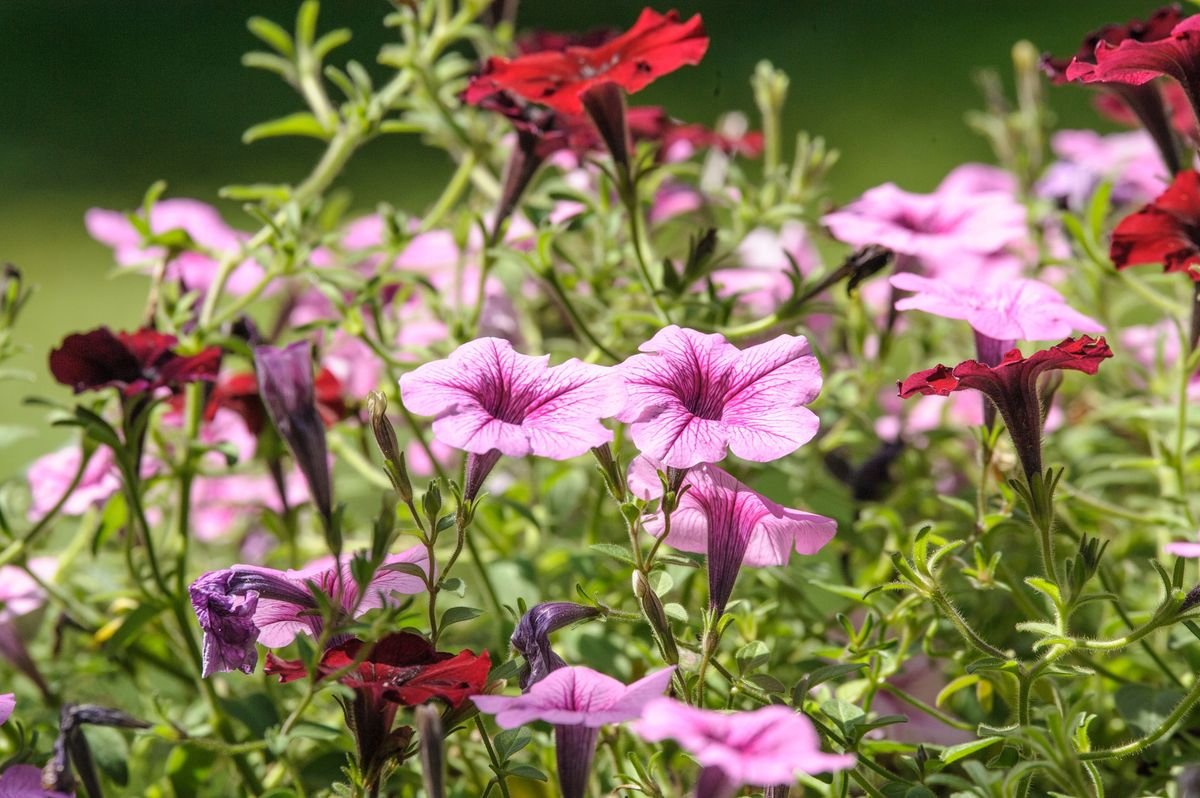
While petunias may not live forever, understanding their life cycle allows you to maximize their beauty each season. Whether you treat them as temporary summer annuals or bring them indoors for multiple years, proper cultural care makes all the difference.
By providing ample sun, steady moisture, regular feedings, and timely pruning, your petunias will reward you with continuous color from early spring until the arrival of winter frost.
How Healthy Are Your Petunias?
Answer 4 quick questions to see your result