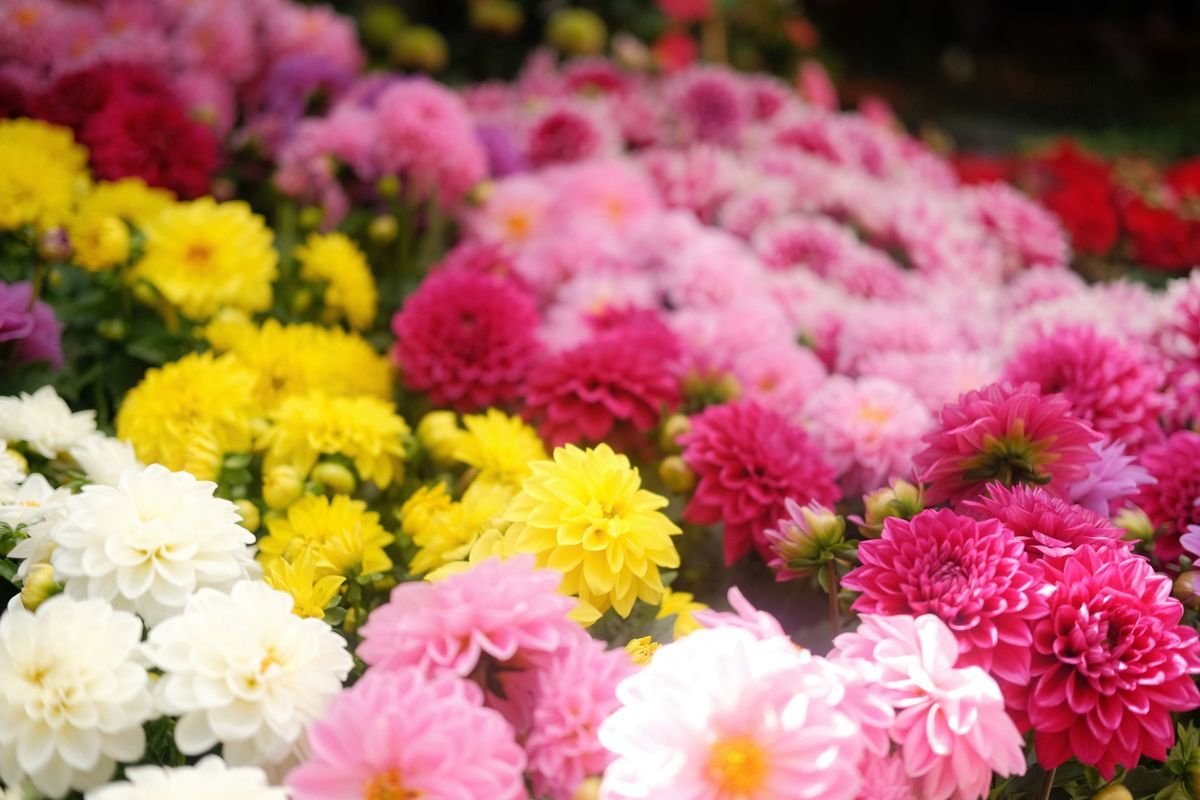
Dahlias are among the most generous flowering plants you can grow in a home garden. They produce spectacular blossoms in an astonishing range of shapes, sizes, and colors, providing vibrant beauty from midsummer straight through the first killing frost of autumn.
While many standard perennials complete their flowering cycle within a brief window of three or four weeks, healthy dahlias can easily flower continuously for three to four months.
Achieving that extended display depends on understanding their growth rhythm and giving them the specific care they need at each stage of development.
Understanding the Dahlia Bloom Timeline
From the moment you place a dormant tuber into warm spring ground, it typically takes between eight and ten weeks for the first flowers to open.
Gardeners who plant tubers outdoors in May generally see their earliest buds unfurl in July. Once flowering begins, the plants accelerate their output as temperatures climb and days remain long.
Dahlias hit their absolute peak during late summer and early autumn. In August and September, cooler night temperatures combined with warm daytime sun create ideal conditions that intensify petal colors and increase flower size.
This prolonged flowering cycle continues unbroken until freezing weather arrives in late autumn. A single hard frost blackens the foliage and signals the end of the blooming year.
Factors That Trigger Early Flower Buds
Several environmental factors determine how quickly a young dahlia plant transitions from vegetative growth to bud initiation.
Soil warmth is the most critical trigger in early spring. Tubers planted into cold, damp ground remain dormant or develop slowly, while those planted into soil that has warmed to at least sixty degrees Fahrenheit sprout rapidly.
Day length also plays a distinct biological role. Dahlias naturally initiate more flower buds as midsummer days gradually begin to shorten.
Providing optimal warmth and abundant morning light early in the growing season speeds up vegetative establishment so the plant is mature enough to produce buds as soon as light cycles shift.
Why Flower Removal Keeps Plants Blooming
The biological goal of any flowering plant is to produce seeds and reproduce.
When a dahlia flower is pollinated and left to fade on the plant, energy is directed away from making new buds and into ripening seed heads.
By systematically removing faded flowers before seed formation begins, you interrupt this natural reproductive cycle. The plant responds by sending out fresh lateral stems and developing additional flower buds.
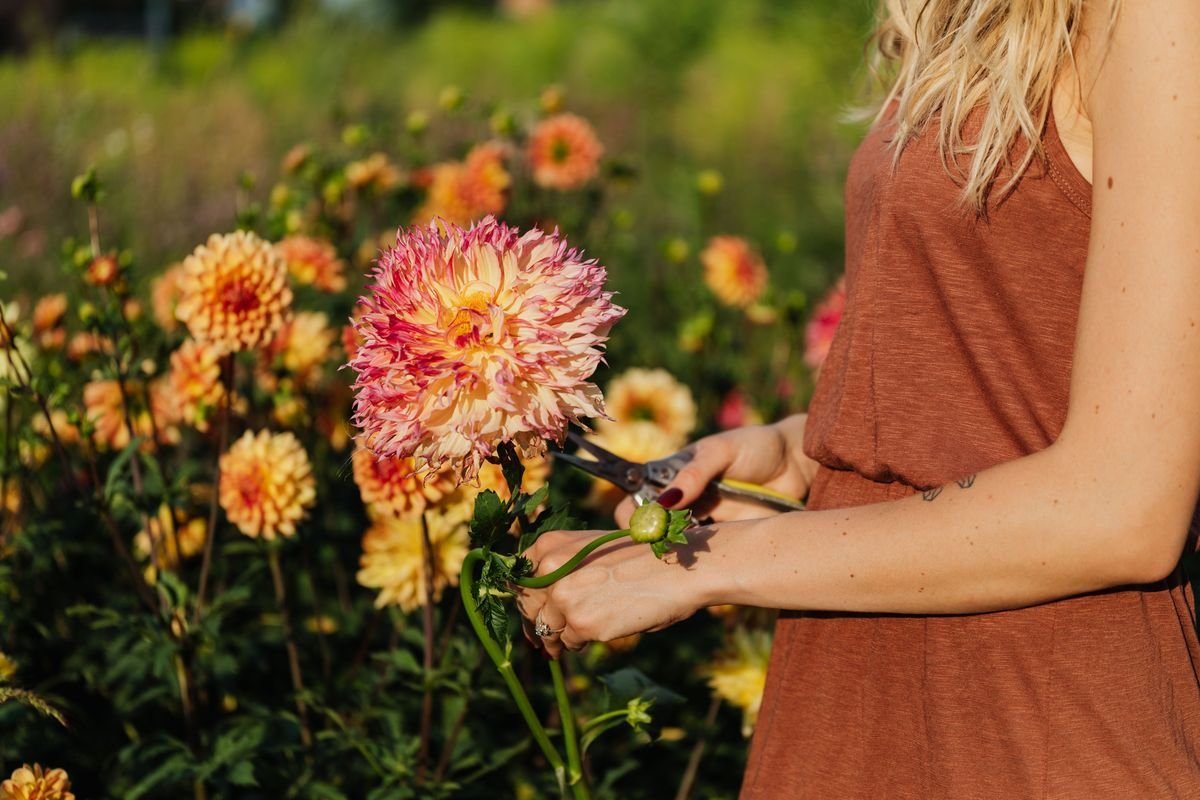
Regular harvesting of fresh stems for indoor vases accomplishes the exact same goal as deadheading. Cutting flowers weekly keeps the plant in a perpetual state of flower production.
How to Deadhead Spent Blossoms Correctly
Deadheading requires identifying the difference between an unopened bud and a spent flower head.
New flower buds are generally round and smooth, resembling small balls. In contrast, spent blooms that have shed their petals form pointed, cone-shaped centers that feel soft or mushy.
To remove spent blossoms, follow the flower stem down to where it meets the main branch or a leaf node.
Use clean, sharp pruners to cut the stem just above a set of healthy leaves. Avoid leaving long, leafless stubs behind, as these die back and can invite bacterial decay into the main stalk.
The Role of Sunlight in Flower Production
Dahlias are sun loving plants that require direct exposure to build the energy reserves needed for prolific blooming.
To produce strong stems and a heavy load of flower buds, plants need a minimum of six to eight hours of direct sunlight each day.
Plants placed in partial shade often develop weak, elongated stems that easily flop over under the weight of even small blossoms.
Shaded dahlias also produce significantly fewer flower buds and are much more vulnerable to fungal issues such as powdery mildew.
If you garden in an area with intense, scorching summer heat, a location that offers full morning sun with light filtered shade during the hottest afternoon hours helps prevent petal scorch while maintaining steady blooming.
Preparing Rich and Well Draining Soil
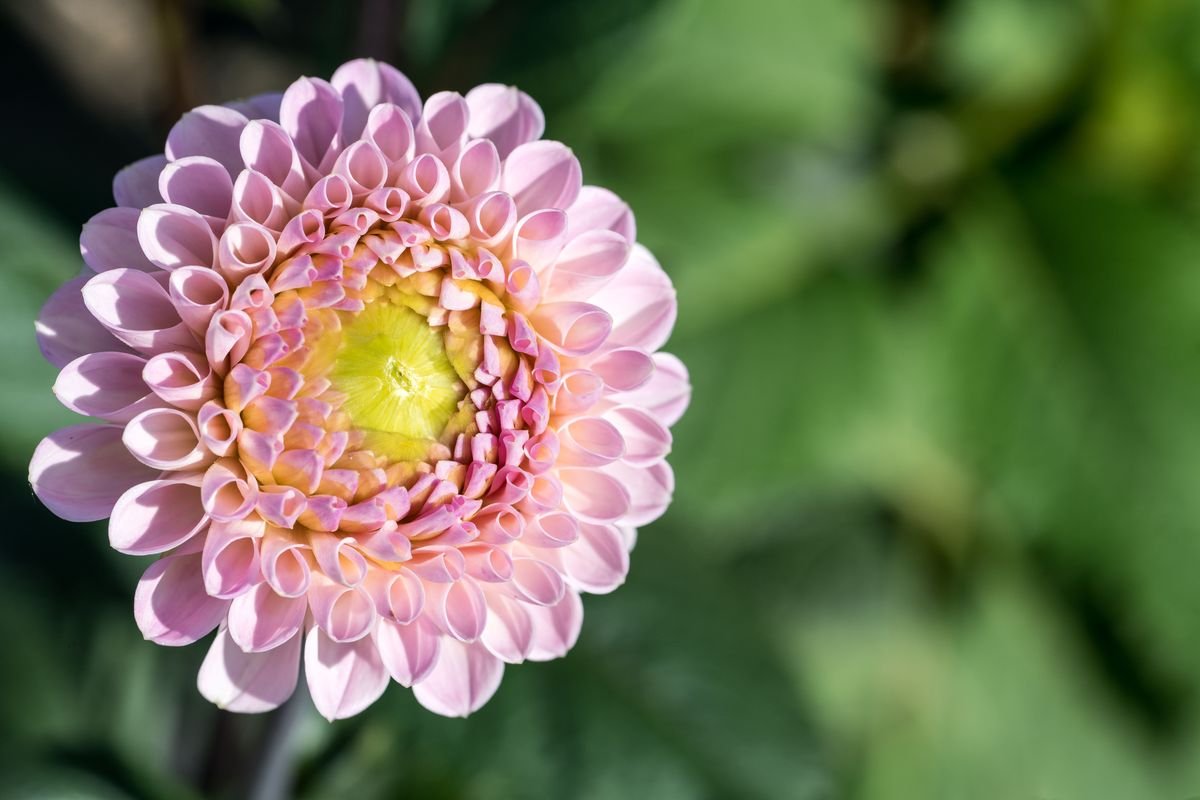
The foundation for long lasting dahlia blooms lies beneath the soil surface.
Dahlia tubers are prone to rot if they sit in heavy, waterlogged dirt, yet they require steady moisture and high fertility once active growth begins.
The ideal soil environment is loose, loamy, and rich in organic matter, with a slightly acidic to neutral pH between 6.5 and 7.0.
You can improve native garden soil significantly by incorporating well aged compost or leaf mold several weeks before planting.
- Mix two to three inches of compost into the top eight inches of the planting bed.
- Add coarse horticultural sand or fine gravel if your native soil contains heavy clay.
- Avoid applying high nitrogen fresh manure, which promotes weak foliage instead of blossoms.
Starting Tubers Indoors for an Early Start
If you live in a cold growing zone with a short summer season, starting your tubers indoors can add three to four weeks of extra flowering time in the garden.
Begin this process roughly four to six weeks before your region expects its final spring frost date.
Plant individual tubers into one-gallon nursery pots filled with slightly damp, peat-based potting soil.
Position the tuber horizontally with the eye pointing upward, covered by about two inches of potting mix.
Place the containers in a warm, bright room or under grow lights at temperatures between sixty-five and seventy degrees Fahrenheit.
Do not water the pots heavily until green shoots break through the soil surface, as dormant tubers have no root system to absorb excess moisture.
How to Plant Dahlia Tubers in the Ground
Outdoor planting should only occur after all threat of spring frost has passed and garden soil has warmed thoroughly.
Dig a planting hole that is six to eight inches deep and spaced according to the expected mature size of the variety.
Smaller border varieties can be spaced twelve to eighteen inches apart, while giant dinnerplate cultivars require two to three feet of room to expand.
Lay the tuber flat on the bottom of the hole with the central growing eye facing upward toward the sky.
Cover the tuber with two to three inches of soil initially, gradually filling in the rest of the hole as the green sprout grows upward.
Do not soak the ground immediately after planting dormant tubers unless your soil is bone dry, because natural spring moisture is usually sufficient to wake the plant.
Pinching Young Plants for Bushier Growth
Pinching is one of the most effective techniques for multiplying the total number of flowers a dahlia produces.
Left unpinched, a single dahlia stalk grows tall and straight, forming one central blossom followed by a small number of side branches.
When you pinch out the growing tip, the plant diverts its energy into the lower leaf nodes, producing four to six strong lateral branches instead of one.
Perform this simple step when your young plant reaches twelve to sixteen inches in height and has developed at least four pairs of true leaves.
Using clean snips or your fingertips, remove the top two to three inches of the central main shoot just above a leaf pair.
While this temporarily delays your very first bloom by about a week, it dramatically increases your overall flower yield for the remainder of the season.
Feeding Dahlias for Continuous Blooms
Dahlias are heavy feeders that rapidly deplete available nutrients from the surrounding soil as they construct large root systems and hundreds of petals.
However, providing the wrong balance of nutrients can ruin your flowering display by encouraging lush leaves at the expense of blossoms.
Early in the season, a balanced organic fertilizer helps establish strong roots and sturdy stems.
Once flower buds begin forming in midsummer, switch to a fertilizer that is lower in nitrogen and higher in phosphorus and potassium, such as a 5-10-10 or 0-10-10 blend.
Apply liquid fertilizer every three to four weeks through late August, then cease all feeding so the plant can prepare its tubers for dormancy.
Proper Watering Habits During Hot Weather
Consistent soil moisture is essential for keeping flower petals firm, vibrant, and long lasting during hot summer spells.
Inconsistent watering leads to bud drop, smaller blooms, and weak, brittle stems.
Once plants are fully leafy and blooming, dahlias require roughly one to two inches of water per week, delivered deeply rather than in frequent light sprinkles.
Always direct water at the base of the plant around the root zone rather than spraying over the top of the foliage.
Wetting the leaves and open flowers increases the risk of fungal diseases like botrytis blight and can cause heavy, waterlogged blooms to snap their stems.
A two-inch layer of organic mulch around the root zone helps conserve soil moisture and moderates root temperatures during heat waves.
Staking and Supporting Heavy Stems
Many popular dahlia varieties grow between four and six feet tall, producing immense blooms that become exceptionally heavy after rain.
Without adequate support, summer storms and gusty winds can easily snap main stems right at ground level, cutting the blooming season short.
It is best to install your support system on the exact day you plant your tubers to avoid driving stakes through developed underground roots later.
Drive a sturdy wooden or metal stake twelve inches into the ground next to the planting spot, leaving four to five feet above ground.
As the plant grows upward, secure the main stem to the stake every twelve inches using soft garden twine, fabric strips, or flexible plant ties.
Best Trellising and Caging Techniques
If you are growing several dahlias in a row or planting a dedicated cutting bed, individual stakes can be time consuming to manage.
Alternative support methods work exceptionally well for large garden spaces and compact cultivars alike.
- Corral staking: Place heavy wooden posts at the four corners and ends of a garden bed, then run heavy twine horizontally around the perimeter at twelve-inch vertical intervals.
- Horticultural netting: Stretch wide-mesh horizontal trellising over the bed before plants reach eighteen inches tall, allowing stems to grow up through the grid naturally.
- Tomato cages: Sturdy wire cages work well for medium-sized patio cultivars, keeping branches upright without visible ties.
Growing Beautiful Dahlias in Containers
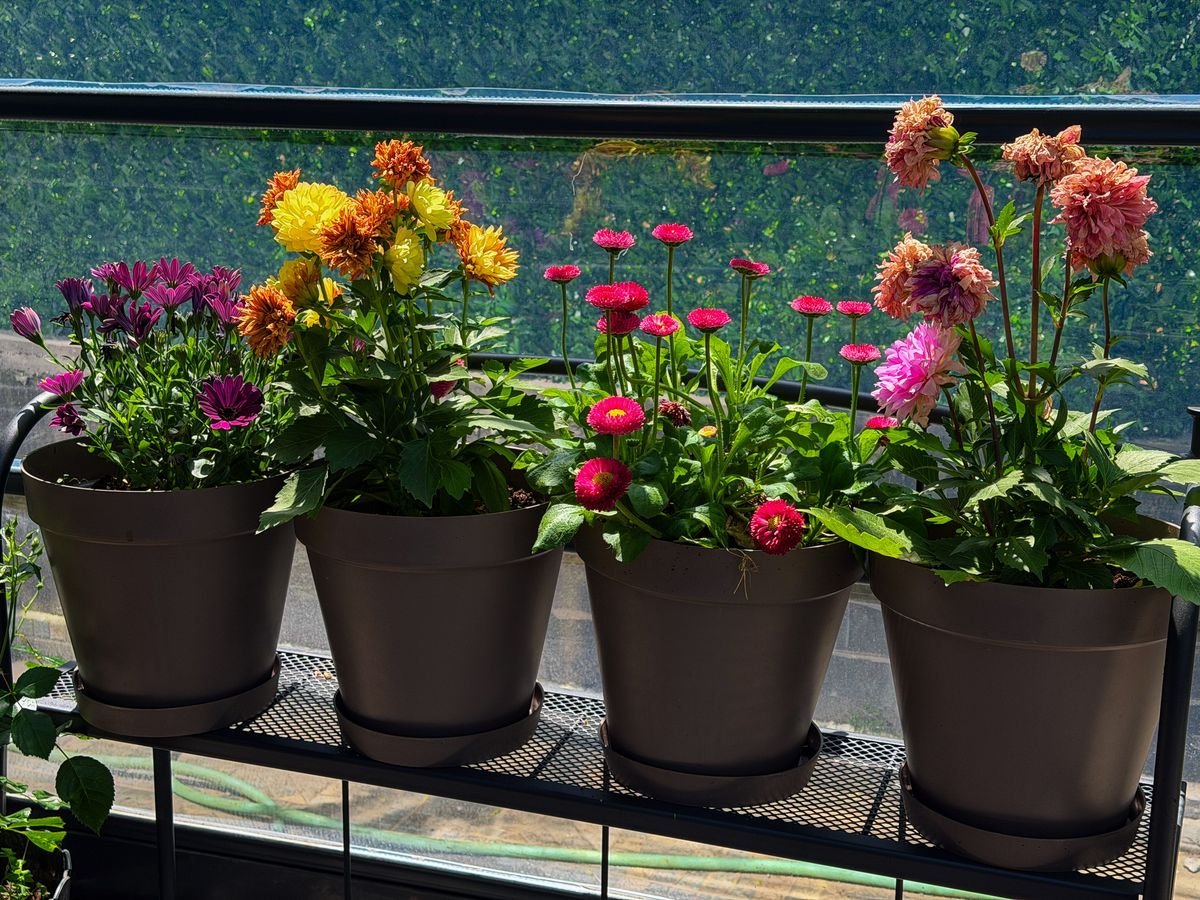
You do not need a large open garden bed to enjoy continuous dahlia blooms, as many cultivars thrive in patio pots and planters.
Compact border varieties, gallery series dahlias, and dwarf bedding types are ideally suited for container culture.
Choose a container that has substantial drainage holes and holds at least five to seven gallons of soil for dwarf types, or ten gallons for larger plants.
Use a lightweight, high quality potting mix enriched with perlite and slow release fertilizer pellets.
Potted dahlias dry out much faster than garden grown plants and may require daily watering during the height of summer.
Because frequent watering leaches nutrients quickly from potting soil, feed container dahlias with a diluted liquid bloom booster every two weeks from July through September.
Managing Garden Pests That Attack Buds
Insect pests can quickly damage developing flower buds and shorten the life of open blossoms if left unmanaged.
Earwigs, slugs, thrips, and aphids are the most common offenders that feed on delicate petals and young shoots.
Slugs attack tender sprouts emerging in spring, while earwigs climb tall stems at night to chew holes in mature flower petals.
Monitor your plants regularly by inspecting the undersides of leaves and checking inside opening flower buds.
- Apply organic iron phosphate bait around the base of plants early in the season to protect emerging shoots from slugs.
- Trap earwigs using rolled up damp newspaper placed near the base of stems, emptying the traps each morning.
- Use a sharp blast of water from a garden hose or insecticidal soap to clear away aphid clusters on young stems.
Protecting Dahlias from Early Autumn Frosts
Dahlia plants are extremely sensitive to cold weather, with leaves and blossoms suffering damage at thirty-two degrees Fahrenheit.
Often, a light early frost in late September or October is followed by two or three weeks of mild, sunny Indian summer weather.
Protecting your plants during that single cold night can grant you several additional weeks of gorgeous autumn flowers.
When freezing temperatures are forecast, cover entire plants with breathable frost cloth, lightweight bedsheets, or row covers before sunset.
Anchor the edges of the fabric to the ground with stones or soil to trap radiant heat escaping from the earth.
Remove the protective covers the following morning once the sun is up and ambient temperatures rise above freezing.
Are Your Dahlias on Track for Maximum Blooms?
Answer 4 quick questions to see your result