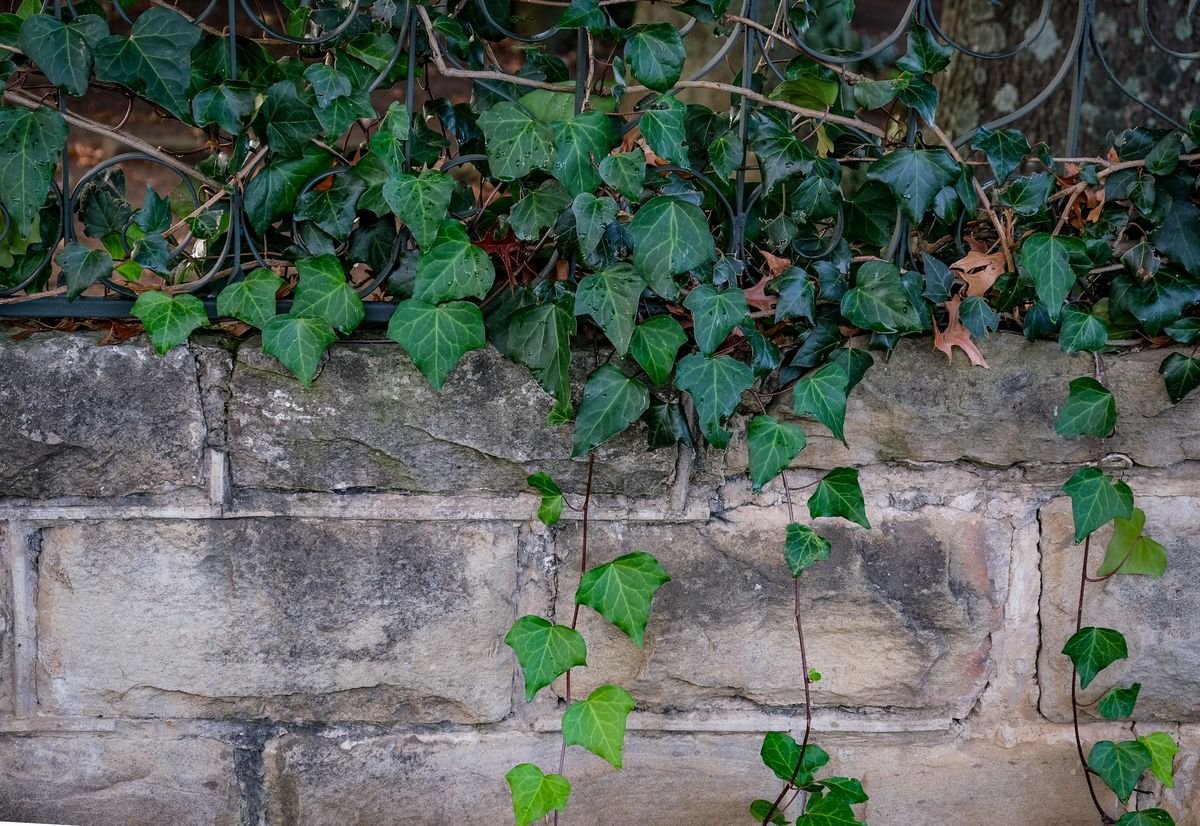
Covering a plain fence with English ivy is one of the most effective ways to create a natural, verdant privacy screen in your garden. Ivy creates a dense wall of rich foliage that softens harsh boundaries, muffles neighborhood noise, and provides shelter for local wildlife.
Many gardeners want to know exactly how quickly this transformation takes place. While ivy has a reputation for vigorous growth, its actual rate depends heavily on its stage of maturity, environmental conditions, and the initial preparation of your fence.
Understanding Ivy Growth Rates
English ivy follows a well-known horticultural pattern often described as sleep, creep, and leap. It does not simply shoot up the fence immediately after planting.
During its first year in the ground, ivy establishes its root system underground, resulting in modest above-ground growth. In the second year, the vine begins to produce noticeable vegetative shoots and stretches along its support.
By the third year and beyond, mature ivy can grow between six and nine feet in a single growing season under optimal conditions. This rapid phase allows the plant to quickly blanket wide expanses of fencing.
The Establishment Phase in Year One
The first twelve months are crucial for building a strong root foundation. You may only see a few inches to a couple of feet of new top growth during this initial phase.
Do not be discouraged by this slow start. The plant is focusing its energy below the soil surface to build a network capable of sustaining heavy foliage in future years.
Keeping the soil evenly moist and free of competing weeds during this first year ensures the quickest transition into rapid vertical growth.
Rapid Expansion in Year Two and Beyond
Once the root system takes hold, the growth rate accelerates dramatically.
During year two, stems lengthen and start weaving through fence pickets or wire mesh. Lateral stems begin branching out, creating thicker foliage coverage across open gaps.
By year three, mature vines produce extensive aerial rootlets that grip textured surfaces firmly. With proper water and nutrition, a fence can achieve dense, opaque coverage within three to four growing seasons.
Key Factors Influencing Ivy Growth
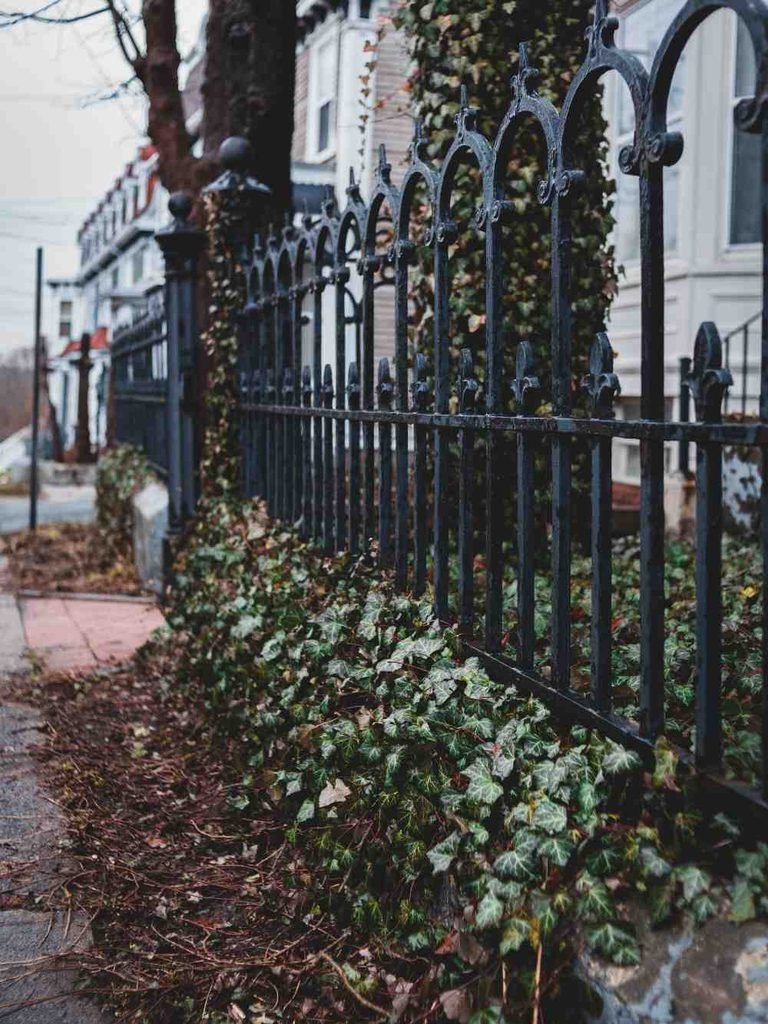
Although ivy is remarkably tough, several environmental elements determine whether your plant creeps slowly or surges along your fence line.
Balancing moisture, nutrition, exposure, and seasonal temperatures will maximize growth while keeping the foliage healthy and vibrant throughout the year.
Soil Quality and Proper Drainage
Ivy prefers loose, loamy soil packed with organic material. Dense, compacted clay restricts root expansion and slows down overall vine progress.
Drainage is especially critical. While ivy enjoys steady moisture, standing water around the root zone leads to root rot and fungal infections.
- Incorporate aged compost or leaf mold into the planting trench to improve aeration.
- Add coarse sand or fine gravel if your native soil drains poorly.
- Keep the soil loose by gently aerating the surrounding surface once a month during the growing season.
Watering Needs for Young and Mature Plants
Hydration requirements change as your ivy matures.
Young plants need consistent moisture to encourage new roots to penetrate deep into the ground. Check the top two inches of soil regularly and water whenever it feels dry to the touch.
Established ivy is remarkably drought tolerant. For mature vines, allow the top layer of soil to dry out between deep waterings. Overwatering mature plants creates soggy conditions that invite fungal leaf spot and root decay.
Sunlight and Shade Balance
Ivy is famous for its shade tolerance, making it an ideal choice for dark fence lines beneath large trees or next to tall buildings.
The plant thrives best in partial shade or dappled light, receiving roughly two to four hours of gentle sun daily.
Full, harsh afternoon sun can scorch the glossy green leaves, particularly in hot summer climates. If your fence receives intense direct sunlight, provide consistent deep watering to protect the foliage from heat stress.
Climate and Temperature Conditions
Ivy grows most actively in moderate temperatures between 60°F and 75°F (15°C to 24°C).
Spring and early autumn offer the fastest growth spurts as the air remains mild and natural rainfall is abundant.
In freezing winter weather, outdoor ivy enters a dormant phase and stops producing new shoots. Growth also slows during extreme summer heat waves as the plant conserves moisture.
Preparing Different Types of Fences
Before planting your vines, evaluate the structure of your fence. Ivy adds significant weight over time and can trap moisture against surfaces.
Choosing the right support method ensures your fence stays structurally sound while supporting a thick, living barrier.
Chain Link Fences
Chain link is the easiest and most practical fence type for growing ivy.
The open diamond mesh offers thousands of natural grip points, allowing stems to weave effortlessly between the metal links.
Because galvanized metal is impervious to moisture damage, you will not have to worry about structural rot as the green screen thickens over time.
Wooden Privacy Fences
Growing ivy directly on wooden fences requires extra caution.
Aerial rootlets can work their way into tiny cracks in the wood, while dense foliage holds humidity against the boards, potentially accelerating rot.
To protect your investment, mount a lightweight wooden or plastic trellis a few inches away from the fence surface. This spacing creates healthy airflow and prevents the vine from damaging the fence pickets directly.
Brick and Stone Walls
Masonry fences and stone boundary walls provide an attractive, classic backdrop for climbing ivy.
Inspect the mortar joints before planting. Sound, modern mortar easily supports ivy, but old or crumbling lime mortar can be loosened by aggressive rootlets.
If the masonry is aged, installing guide wires or eye hooks gives the plant an alternative path to climb without stressing the wall joints.
Planting and Training Your Ivy
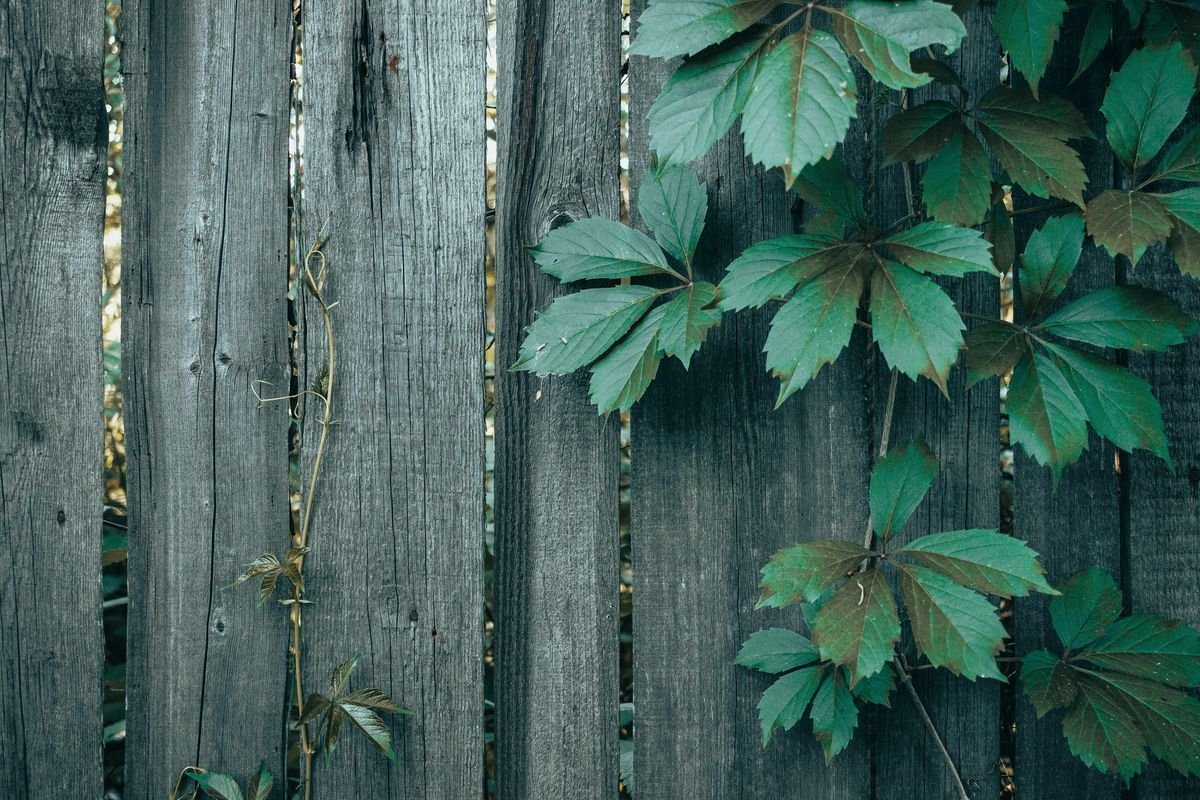
Proper spacing and early guidance will help your ivy cover the fence evenly and quickly.
Dig holes slightly wider than the root ball and space individual plants two to three feet apart along the base of the fence line.
- Set each plant slightly tilted toward the fence to encourage natural upward direction.
- Use soft garden ties or plant clips to secure long runners to the lowest fence rails.
- Fan the stems out horizontally and diagonally rather than letting them grow straight up, ensuring dense coverage from the base upward.
Routine Maintenance and Pruning Tips
Because established ivy grows several feet per season, regular maintenance prevents it from escaping its designated boundary.
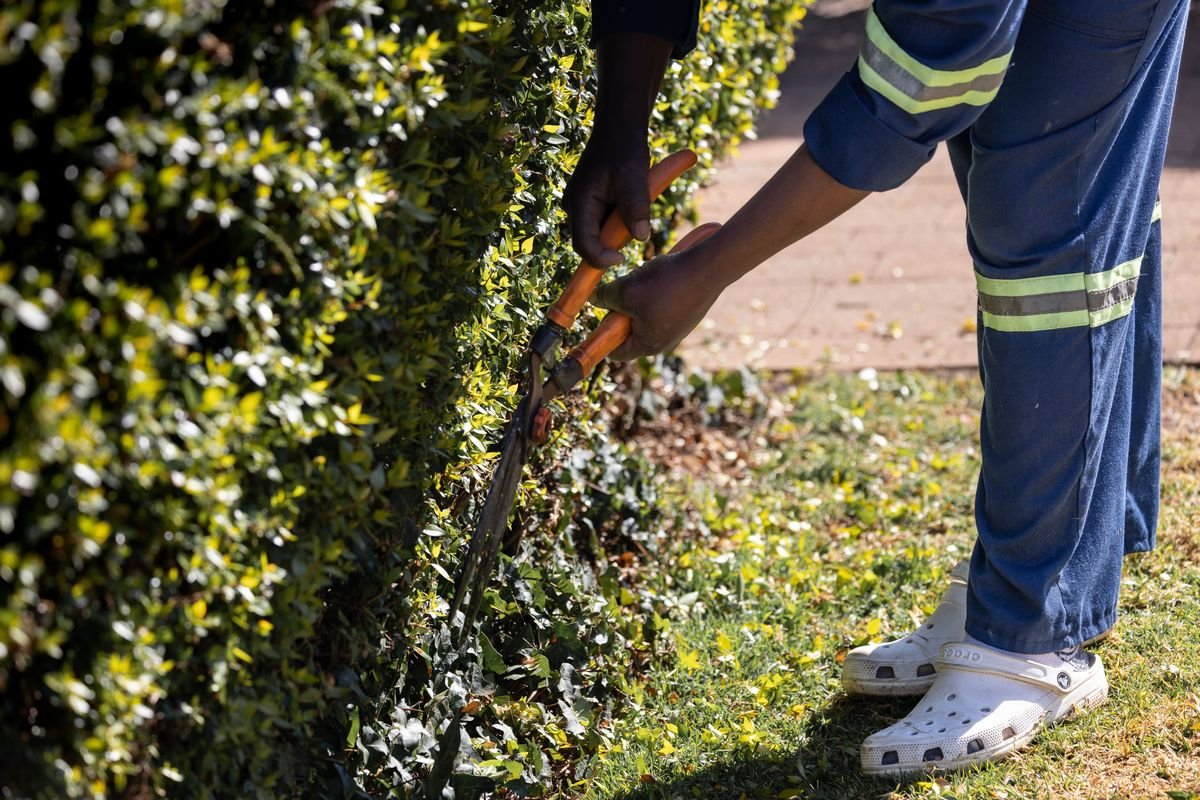
Prune your ivy in early spring before active growth begins, removing dead, damaged, or winter-burned stems. A secondary trim in mid-summer keeps stray vines from encroaching on garden beds, walkways, or neighboring structures.
Always use sharp, sanitized shears to make clean cuts just above a leaf node. Pruning also stimulates lateral branching, which makes the fence screen look fuller and healthier.
Potential Risks and How to Prevent Them
While ivy creates unmatched privacy, it can become aggressive if left unmanaged.
Never allow ivy to climb into the gutters, siding, or rooflines of your house, as the powerful rootlets can dislodge materials and trap damaging moisture.
Keep an eye out for pests such as spider mites, scale, and aphids, particularly in hot, dry conditions. Rinsing the foliage periodically with a firm spray from your garden hose helps deter pests and clears away accumulated dust.
Is Your Fence Ready for Ivy Growth?
Answer 4 quick questions to see your result