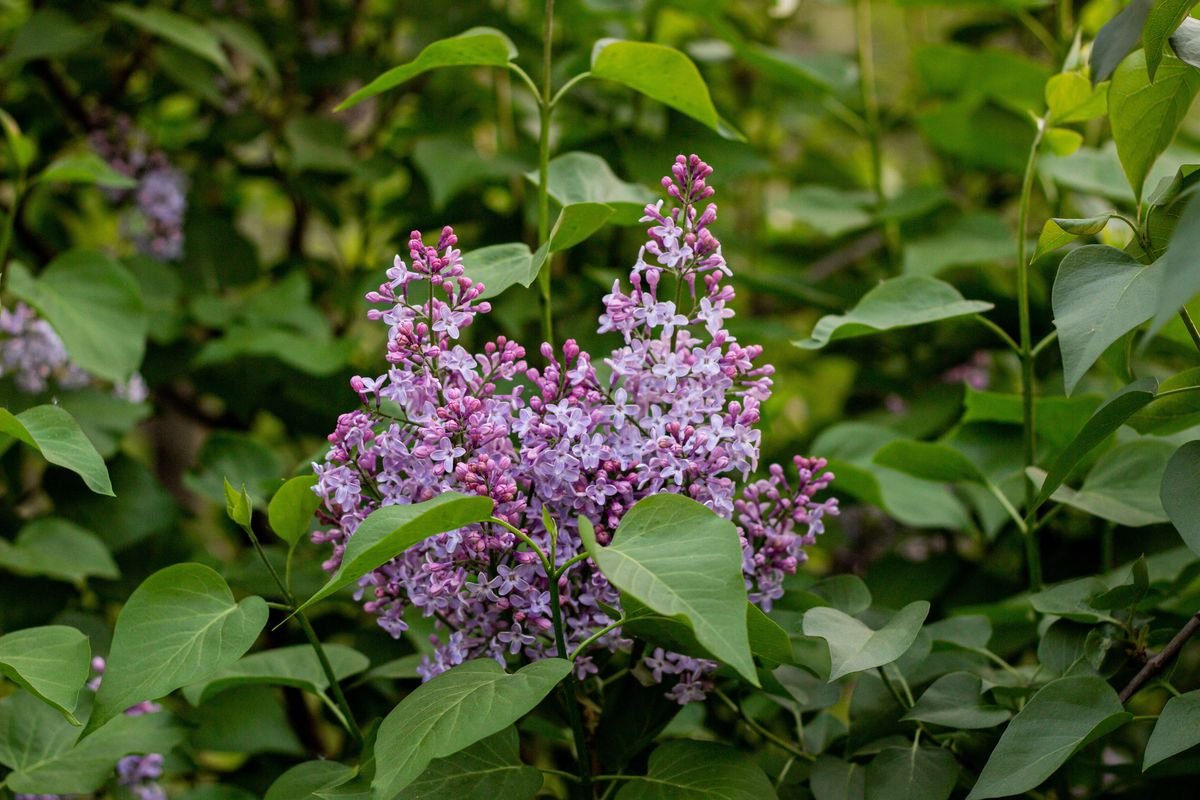
Lilac bushes are cherished by gardeners around the world for their breathtaking spring blooms and enchanting fragrance. If you recently planted a lilac bush or are planning your garden layout, you might be curious about how quickly these shrubs develop.
Understanding the natural growth rate of lilacs helps you plan your landscape effectively, choose the right variety for your yard, and give your plants the exact care they need to thrive season after season.
Lilac Growth Rates Explained
Lilac bushes are generally categorized as moderate to fast-growing deciduous shrubs. On average, a standard lilac bush adds between 12 and 24 inches of new growth each year once it is established.
During the first year or two after planting, your lilac bush might seem like it is barely growing above the soil line.
This early phase is completely normal. Young shrubs direct most of their energy into developing an extensive root system underground before putting on rapid vertical shoot growth.
Once the root network settles into the surrounding soil, top growth accelerates noticeably. A healthy, mature lilac can easily reach its full height of 8 to 15 feet within 5 to 10 years depending on the specific cultivar you choose to grow.
Common Lilac Varieties and Their Speeds
Not all lilac varieties grow at the exact same pace. With hundreds of named cultivars and hybrids available today, growth habits range from compact garden accents to large, tree-like shrubs.
Knowing which variety you are planting makes a major difference in how quickly your landscape fills in.
- Common Purple Lilac (Syringa vulgaris): Grows roughly 12 to 18 inches per year and reaches mature heights of 12 to 16 feet.
- Japanese Tree Lilac (Syringa reticulata): Can grow 12 to 24 inches annually, eventually forming a small landscape tree up to 25 feet tall.
- Persian Lilac (Syringa x persica): Moderately fast grower adding around 12 to 18 inches yearly, topping out at 4 to 8 feet.
- Meyer Lilac (Syringa meyeri): A slower grower that adds about 6 inches per year and forms a neat, rounded shrub.
Dwarf Lilac Growth Rates
Dwarf lilac varieties, such as the popular ‘Miss Kim’ or ‘Bloomerang’ series, grow at a much more controlled pace compared to standard varieties.
These compact bushes typically add only 4 to 8 inches of new growth annually.
Because they stay naturally small, reaching mature heights of only 4 to 6 feet, they are ideal choices for small urban gardens, patio borders, or foundation plantings.
Their slower growth rate also means you spend far less time pruning and shaping them over the lifespan of the plant.
French Hybrid Growth Rates
French hybrid lilacs are cultivars developed from the common lilac that produce exceptionally large, dense, and double-petaled flower clusters.
These hybrids typically grow at a brisk rate of 12 to 18 inches per season under optimal garden conditions.
Many French hybrids reach their mature size of 10 to 12 feet within six to eight years.
If you want dramatic cut flowers and a tall visual screen in a relatively short timeframe, French hybrids are among the most reliable choices for your yard.
The Importance of Full Sun

Sunlight is the single most critical factor determining how fast your lilac bush will grow and how many flower buds it sets.
Lilacs need a minimum of six hours of direct sunlight every single day to support vigorous vegetative development and abundant blooming.
When planted in partial or full shade, lilac bushes will survive, but their growth slows down considerably.
Shaded lilacs often become leggy and sparse as their branches stretch out in search of light.
In addition to slow growth, shade-grown lilacs are far more prone to powdery mildew and may fail to produce flower blossoms altogether.
Always position your lilac in an open, sunny spot in the yard where buildings, fences, or larger canopy trees will not cast deep shadows over the foliage.
Ideal Soil Conditions for Faster Growth
Lilac shrubs thrive best when planted in fertile, loamy soil with outstanding drainage.
Heavy clay soils that hold standing water around the roots will quickly stunt growth and can cause fatal root rot.
Soil pH is another essential component of rapid lilac growth. Lilacs prefer neutral to slightly alkaline soil with a pH range between 6.5 and 7.0.
If your native garden soil is naturally acidic, your lilac will struggle to absorb vital nutrients such as phosphorus and calcium.
You can easily correct acidic soil by incorporating garden lime into the planting area based on a standard soil test.
Adding well-rotted compost or aged leaf mold before planting improves soil aeration, encourages beneficial microbial activity, and helps young roots expand effortlessly.
Proper Watering Habits for Strong Roots
Watering practices directly influence whether your lilac focuses on building healthy tissue or struggles under moisture stress.
Newly planted lilac bushes need consistent moisture during their first two growing seasons while establishing their root structures.
Provide your young lilac with roughly one to two inches of water per week through deep, slow soaking rather than frequent, shallow sprinkling.
Deep watering trains the roots to grow far down into the subsoil, which makes the plant much more resilient against summer heat and drought.
Once established, mature lilacs are remarkably drought-tolerant and rarely require supplemental watering unless you experience prolonged dry spells.
Always allow the top two inches of soil to dry out between watering sessions to prevent oversaturated roots.
How to Fertilize Lilac Bushes

Lilacs do not require heavy feeding, but a balanced nutrient boost can speed up growth on poor or nutrient-depleted soils.
The best time to apply fertilizer is in early spring just as new green shoots begin to emerge from dormancy.
Avoid high-nitrogen lawn fertilizers near your lilac bushes. Excess nitrogen encourages excessive leafy growth at the direct expense of root development and flower production.
Instead, select a balanced 10-10-10 slow-release granular fertilizer or an organic formula rich in phosphorus and potassium.
Bone meal is an excellent natural soil amendment for lilacs because it gently delivers phosphorus, which stimulates strong root expansion and sturdy branch structure.
Apply fertilizer evenly beneath the drip line of the shrub and water it in thoroughly to ensure the nutrients reach the root zone.
Pruning Techniques to Encourage Vigorous Growth
Proper pruning is essential for maintaining energetic growth and preventing your lilac bush from turning into an unproductive thicket of old wood.
The ideal time to prune lilacs is immediately after they finish flowering in late spring or early summer.
Pruning later in the year, such as autumn or winter, removes the flower buds that the plant already set for the next spring.
To promote strong growth, use clean, sharp bypass pruners to remove dead, diseased, or crossing branches.
Cut back spent flower clusters right down to the nearest set of leaves to prevent the shrub from wasting valuable energy on seed production.
For older, overgrown shrubs, practice renewal pruning by cutting one-third of the thickest, oldest stems down to ground level each year over a three-year span.
Mulching for Moisture and Temperature Control
Applying a layer of organic mulch around the base of your lilac bush offers multiple benefits that accelerate healthy development.
Mulch helps keep root zones cool during intense summer heat waves and conserves valuable soil moisture between watering sessions.
Spread a 2 to 3-inch layer of shredded bark, wood chips, or compost over the root zone out to the plant’s drip line.
Be sure to leave a 3-inch gap between the mulch material and the main stem of the shrub.
Piling mulch directly against the bark can trap excessive moisture, encouraging fungal diseases and attracting bark-chewing rodents during the winter months.
Common Mistakes That Slow Down Lilacs
If your lilac bush appears to be growing at a snail’s pace, one or more cultural issues might be holding it back.
Identifying and correcting these common mistakes early will get your shrub back on track for fast, vigorous growth.
- Planting Too Deep: The root flare of the shrub should always sit level with or slightly above the surrounding soil surface. Planting too deep suffocates root systems.
- Overwatering: Keeping the soil perpetually soggy deprives roots of oxygen and invites soil-borne fungal pathogens.
- Poor Air Circulation: Crowding lilacs too close to walls or other thick shrubs invites powdery mildew and weakens general vigor.
- Wrong Soil pH: Planting in acidic soil below 6.0 locks up nutrients and causes chronic, slow growth regardless of how much fertilizer you apply.
Final Thoughts on Lilac Bush Growth

Lilac bushes are dependable, fast-growing ornamental shrubs that reward gardeners with decades of vibrant spring blooms and sweet perfume.
By placing your lilac in full sun, ensuring rich and well-draining soil with a neutral pH, and watering deeply during the early years, you create the perfect environment for rapid progress.
With just a little attentive care and annual post-bloom maintenance, your lilac bush will quickly grow into a stunning garden focal point that enhances your outdoor living space for years to come.
How Optimal Is Your Lilac Bush Growing Environment?
Answer 4 quick questions to see your result